Tree stumps are unsightly and can cost a fortune to have removed. Or you can do it yourself. Removing a tree stump by yourself costs next to nothing but requires a bit more time than calling in a professional.
Removing the Tree Stump
All you need is a tree stump removal product and a drill. Tree stump remover is essentially just a solution or powdered mixture consisting of primarily potassium nitrate. The potassium nitrate causes the wood to rot at a much faster rate than when left naturally, allowing you to pull it out yourself after a few months. You can either buy a removal product from a hardware store or make your own by dissolving a cup of water with a half cup of potassium nitrate. Potassium nitrate should be available from your local pharmacist or chemist.
Now take a drill with a 20mm (1”) wood drill bit and drill some deep holes into the centre of the stump and the roots. Once you have drilled some holes, pour the solution into the holes. If your product is in powdered form, place a few tablespoons in each hole and fill them up with water.
Now you need to wait. The stump may take anything from three months to a year before it has rotted enough for you to remove it although this depends on the type and size. Large stumps and hard woods from slow growing trees will take longer to rot than softer woods and smaller stumps.
If you are in a hurry to remove it then consider calling in a professional. They have the right tools for the job and although messy, they will have it out in a day. If you really want to do it yourself quickly then you can rent a stump grinder which is a large machine with tungsten carbide teeth designed to shred it. Most machinery rental companies will offer stump grinders and will probably deliver and collect it for you.
The cover image in this article is Pin by Twentyfour Students used and adapted under CC by 2.0.
A beautifully decorated home not only looks great but functions well too. If you aren’t one of those blessed with an eye for design and décor, there are a few basic techniques which may help you. Follow these basic techniques and you’ll be well on your way to making your home look more impressive and artistic.
Decorate in Odd Numbers
The basic idea behind decorating in odd numbers is that objects arranged in groups of odd numbers are more memorable and visually appealing than those grouped in pairs. Group objects of varying shape, texture and height but try to keep to a theme and colour scheme.
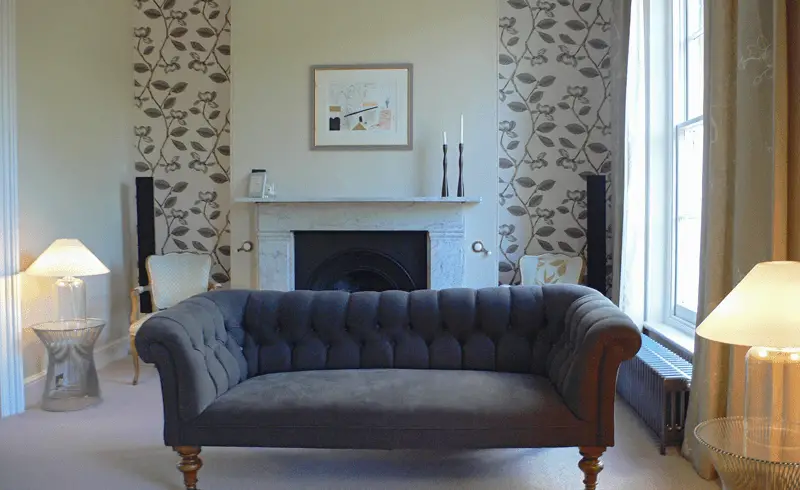
The focal point of a room is the feature which your eyes are immediately drawn to when you walk into it; a large window, door, coffee table, artwork, mirrors, a coloured wall or a fireplace. Everything around the focal point should complement it. The focal point could be an item of furniture that suites the theme of the room, for example a dining table in the dining room or a feature built in such as a fireplace.
Once the focal point has been found or created, the room’s decor should be centralised around it. Take aspects of the focal point and use these in choosing the complementing decor. Use its’ colour, patterns or design features. Generally the main items of furniture are directed towards or focused on the focal point.
Pick A Colour Scheme
Colour should always support the theme of the room. Most of the time, your colour scheme comes from your focal point or main item of furniture. Generally, you want to choose three colours for a room; a dominant colour for the walls, floors and fabric; a secondary colour for the accessories and detail in the fabric and finally an accent colour which is used in a few items to highlight and give the room character.
Have you heard the saying, less is more? Negative space is the area in a room which is not occupied by something. This can be an empty counter top, bare wall or open shelf. The main idea here is to avoid clutter. We tend to clutter surfaces with things that do not need to be there. Leave some room on surfaces, tables and shelves but also make sure that the negative spaces serve a purpose. Creating negative space is not about going around the house and packing everything away or removing things from the walls. Items should only be removed if doing so highlights features on the wall or furniture. Creating negative space should improve the look and feel of the room.
Choose You Lighting Carefully
Lighting can generally be grouped into three main categories; ambient lighting which is the main lighting used to light up a room, accent lighting which is directed at a particular object or feature and task lighting which is meant to serve a purpose for a specific task.
Different types of lighting allow you to add some depth to your rooms. Most rooms in a home have ambient lighting already but consider how you could add a reading lamp as a task light or a spot light onto a large artwork as an accent light.
Lastly, remember that your home also needs your own personal touch. Always add a little bit of your own style to your décor. This could be in the form of a hobby, sport or your occupation. These are not rules by any means and are simply guidelines to get you started in decorating your home like a professional.
Have you just finished decorating your home or are you thinking about it? Let us know what has worked for you in the comments section below. We would love to hear from you.
Cover Image: Interior design apartments by JOHNSON DESIGN STUDIO. All images in this article are used under CC BY 2.0
The perfect rich and cheesy dip to serve with a big bowl of corn chips for the big game. Makes enough for two large bags of chips.
This recipe tastes best when it is allowed to cook for a long time. For the best flavour, start this dip in the morning and allow it to cook for a few hours before the game. You can even make it the day before, allow it to cool down and then simply reheat it in the crock pot an hour or so before the game.
What You’ll Need To Make Your Cheesy Dip
1kg (2lb) Beef Mince or Ground Beef (Use Minced Chicken as an Alternative)
Pour the can of mushroom soup into the crock pot and place the temperature on medium. Cut the cheese into slices and spread out in the soup. Pour the tomatoes over the top.
Fry up the beef mince in a pan over the high heat until it is nicely browned. Make sure you cook off any excess water. Add a tablespoon of oil to assist with the browning.
Pour the mince into the crock pot and stir it in with the other ingredients. Place the lid on the crock pot and allow it to cook for an hour or so, stirring half way to ensure that the cheese melts properly.
Once all of the cheese is melted and the sauce is cooked through, it is ready to serve. It can be served straight out of the crock pot or in a large bowl with two bags of corn chips, the scoops work the best.
The mixture will also keep in the refrigerator for a few days. It will need to be reheated slowly in the crock pot again.
If you live in an area where you can’t get Velveeta cheese or you enjoy making things from scratch then this recipe is for you. Not much beats Velveeta cheese for mac and cheese or dips and cheese substitutes just aren’t the same, so try this recipe out and let us know what you think.
What You’ll Need To Make A Block Of Velveeta Cheese
Makes About 450g (16oz), Preparation Time 12 Minutes, No Cooking Required
300g (11oz) Grated Mature Cheddar Cheese
3/4 Cup Boiling Water
4 Tbsp Milk Powder
1 Tsp Plain Gelatine Powder
Place the gelatin and milk powder into a mixing bowl. Pour the boiling water over the powder and stir until all of the gelatin has dissolved.
Pour the mixture and the cheese into a blender and puree until smooth and creamy. Pour the mixture into a lined loaf tin and tap on the counter until the mixture sits flat. Cover the tin tightly with plastic wrap and refrigerate overnight until it sets.
You can keep the cheese in an airtight container in the refrigerator for three to four weeks.
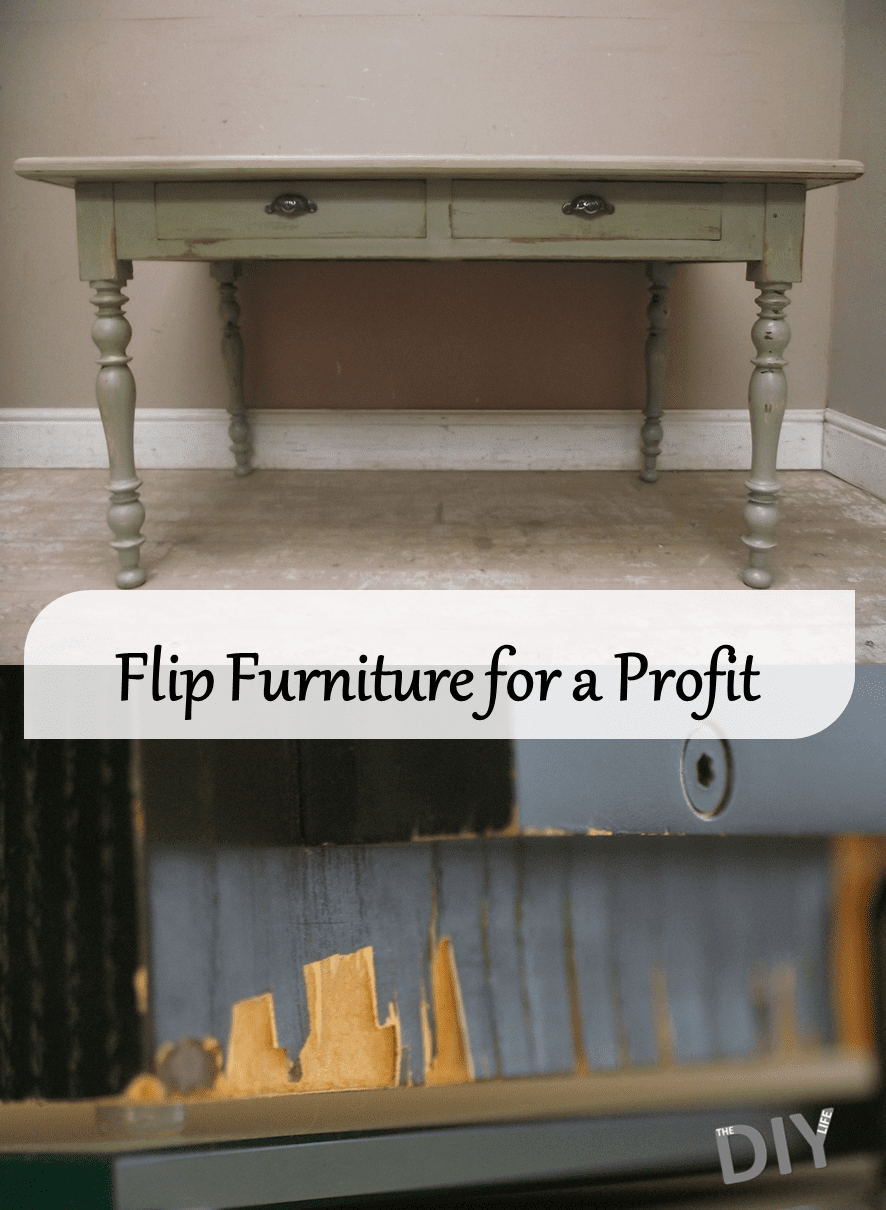
Flipping furniture is a great way for a DIY enthusiast to make a bit of extra cash on the side, however, you need to know what to look for so that you pick items which generate a decent profit.
Always try and price out a repair estimate in your head before you buy a piece of furniture. This obviously gets easier as you become more experienced but just try to imagine what needs to be done, what hardware you need to repair it, what needs to be replaced and most importantly how much you think you could sell it for. If you can’t sell it for more than what you bought it for and there is a lot of work and hardware that needs to go into it then its obviously not a good choice for a flip.
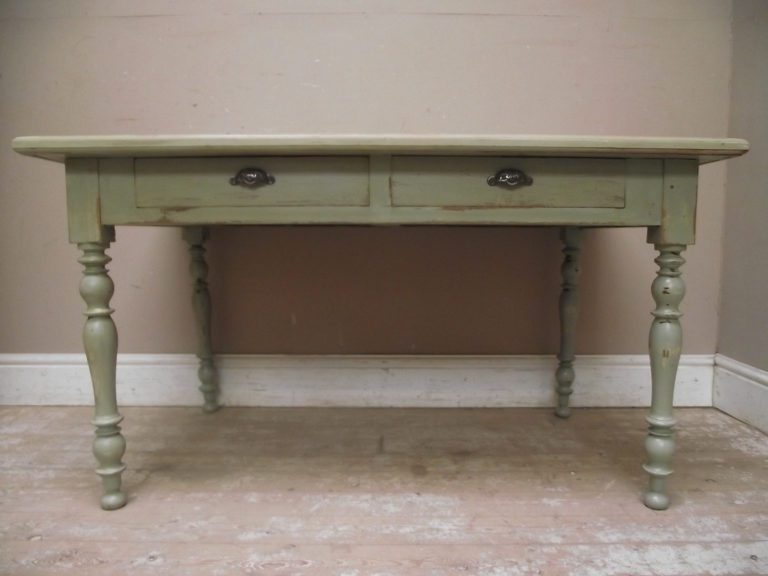
Try to plan out if are able to add anything to the original piece. For example, if you find an old narrow table, you could consider adding a shelf to the bottom and turn it into an accent or side table. This works best if you are planning on painting the item in a colour as it will be difficult to match wood types for staining.
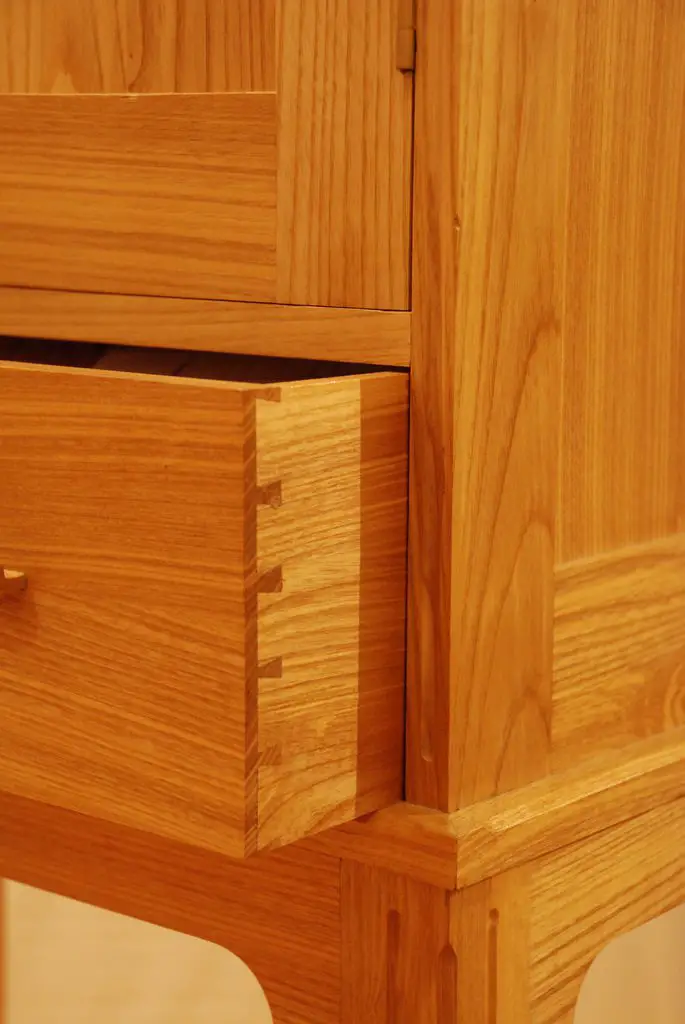
Look for high quality woodwork. High quality woodwork is a good start for any item of furniture as it is built solidly and this usually means the wood is a good quality as well. The tell tale areas to look at are the attachment of legs to a table surface and at the sides or drawers. Are the edges dovetailed? Dovetailing is a signature of good woodwork and required a good quality solid wood to work properly. Solid wood can easily be sanded down and stained a new colour for a fresh look.
Don’t pay attention to the chips, nicks or scratches, these are all easy to repair and cover up. Missing or damaged knobs, pulls and hinges are easy to replace. Rather look at the piece of furniture as a whole. How will it look once it has been refurbished, is the shape and detail good? Any major cracks, splits or broken legs are usually deal breakers. Don’t buy anything you are not confident you can fix.
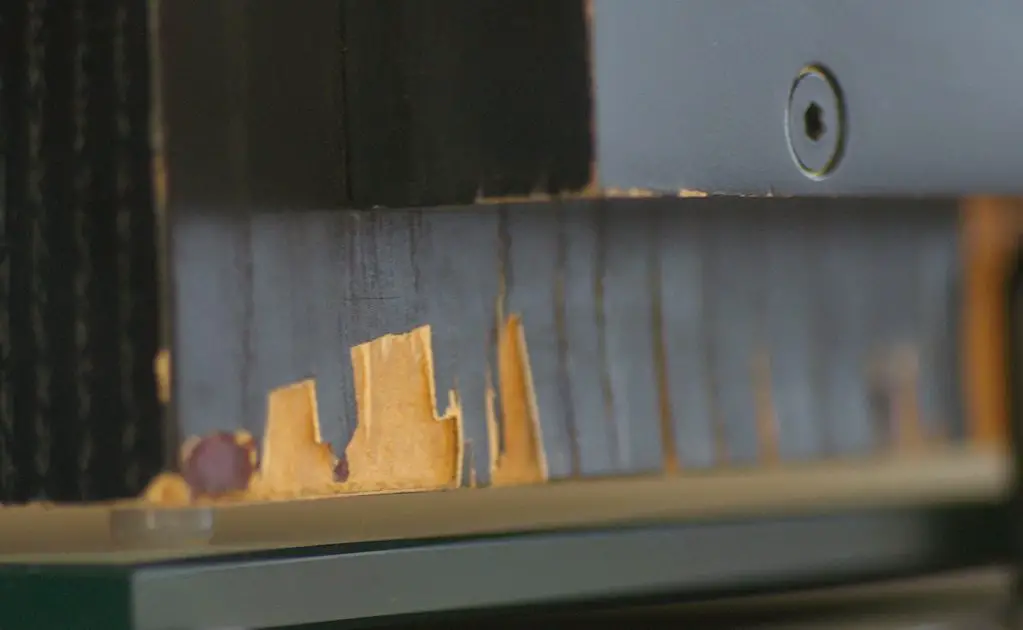
Items with chipped or missing pieces of veneer are usually great finds, they are usually very well priced because the missing veneer is unsightly and as long as the missing portion is not too big, they are easy to fix with a bit of wood filler or Bondo. If the veneer is almost entirely coming off, have a look at the wood underneath, if it is solid wood then you may be able to peel the veneer off and just sand the solid wood underneath for a new surface.
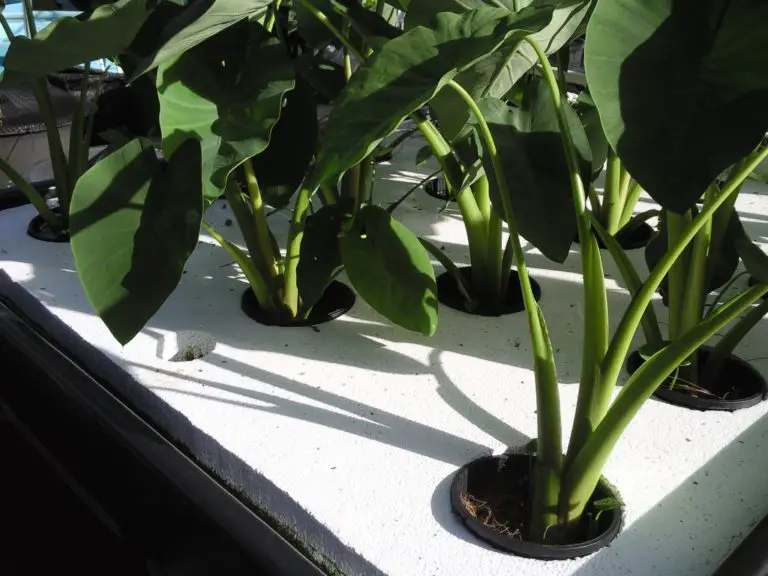
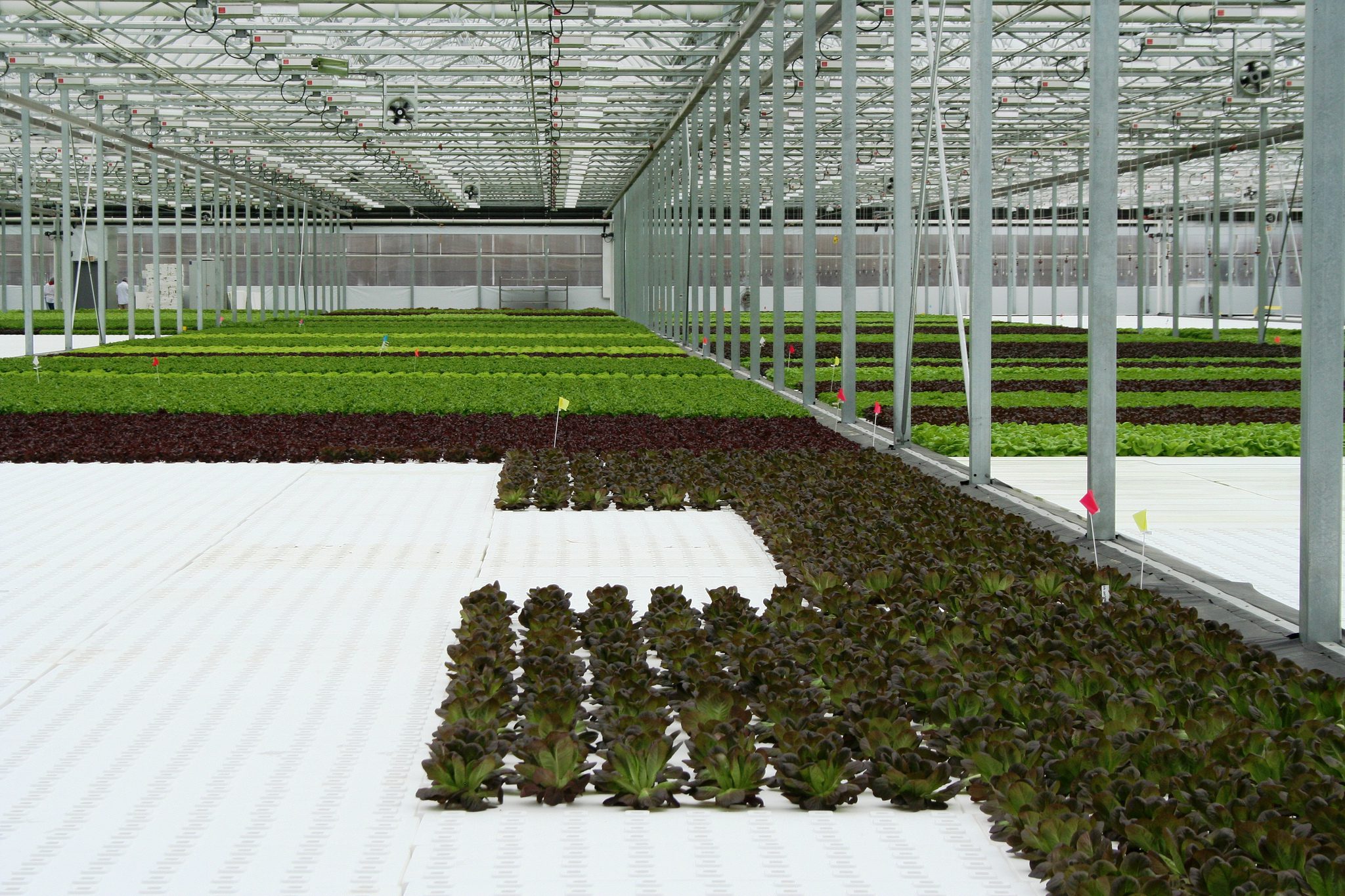
Hydroponics is a method for growing plants, particularly vegetables and fresh produce, without soil, using water mixed with nutrient solutions. Hydroponically grown plants and vegetables do not need to grow any form of extensive root system as they are fed directly with water and nutrients, they therefore tend to grow quicker and up to 50% larger than those grown in soil. As a result, commercial hydroponic farms are starting to emerge as a more economical way of growing fresh produce:
In addition to rapid and fuller growth, hydroponics has another big advantage; water and nutrient preservation. In natural ecosystems, less than 10% of the irrigated water is actually used by the plants. The remainder either drains away or evaporates. In a hydroponics system, the water is kept in the closed system therefore making it up to ten times more efficient than a natural farm. This is particularly important in areas with water restrictions. In addition to preserving water, the nutrients are also preserved. Because no water is draining out of the system, nutrients are locked into the system until they are used by the plants. This results in a much more effective and non-polluting means of fertilising the plants.
A basic hydroponic system consists of a grow bed in which the plants are grown, a water reservoir in which the nutrient rich water is stored and a pump circulation system to feed the water from the reservoir to the grow bed. The constant flow of water keeps the roots of the plant oxygenated and prevents rotting or excess bacteria growth.
Building a hydroponic garden is actually quite easy and allows you to save money on fresh groceries.
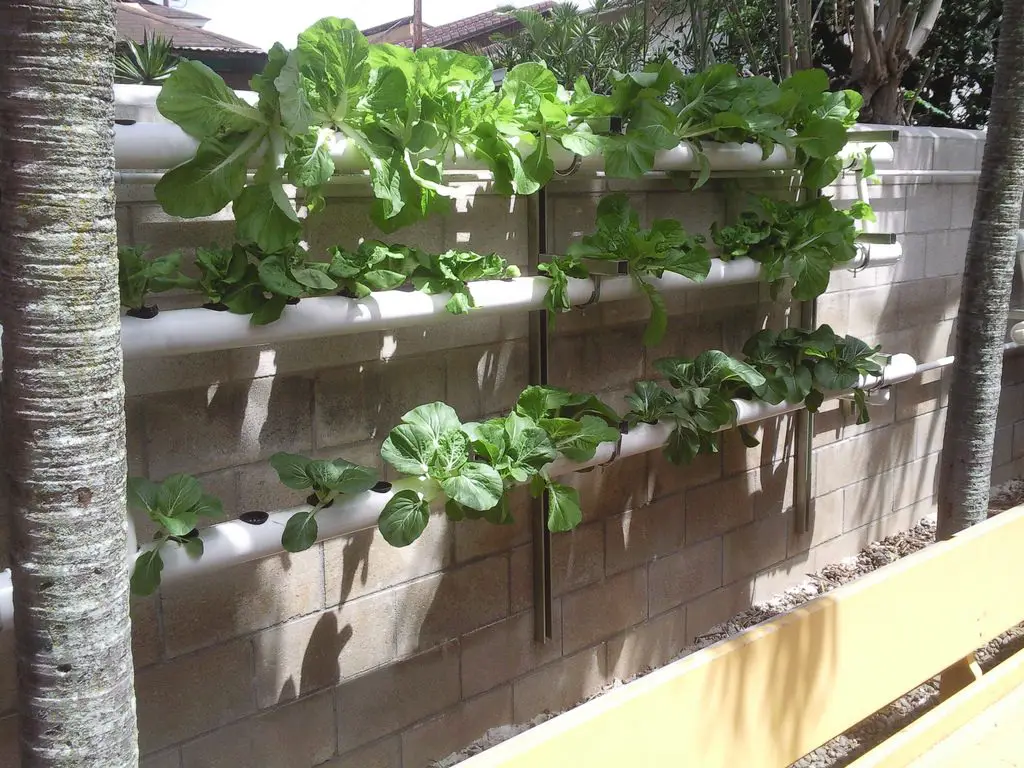
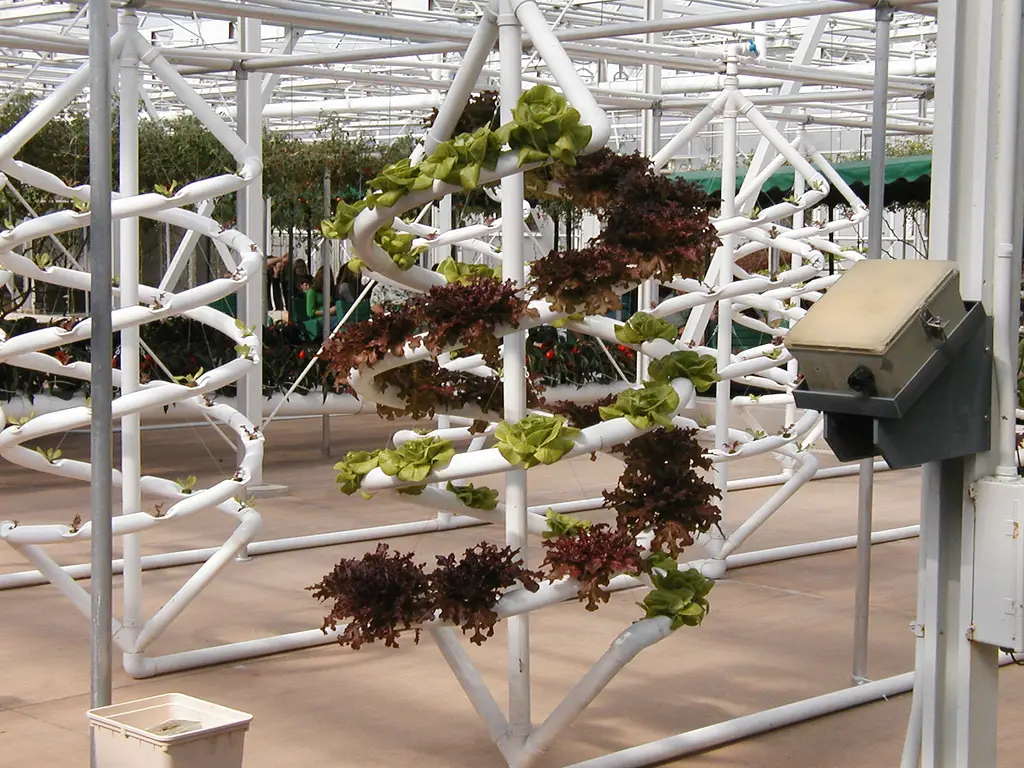
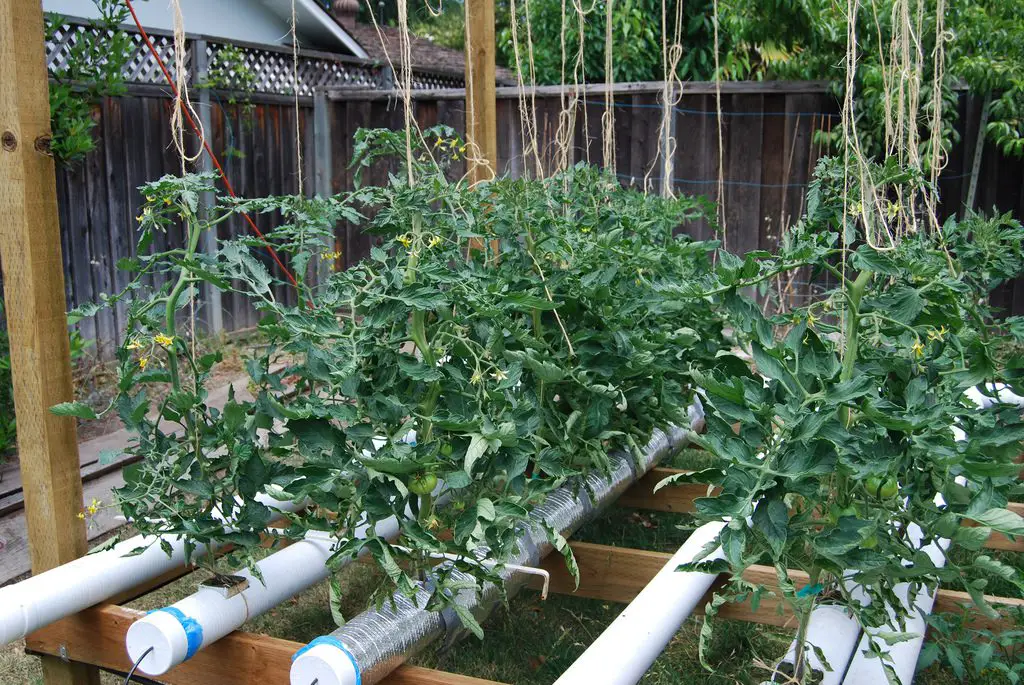
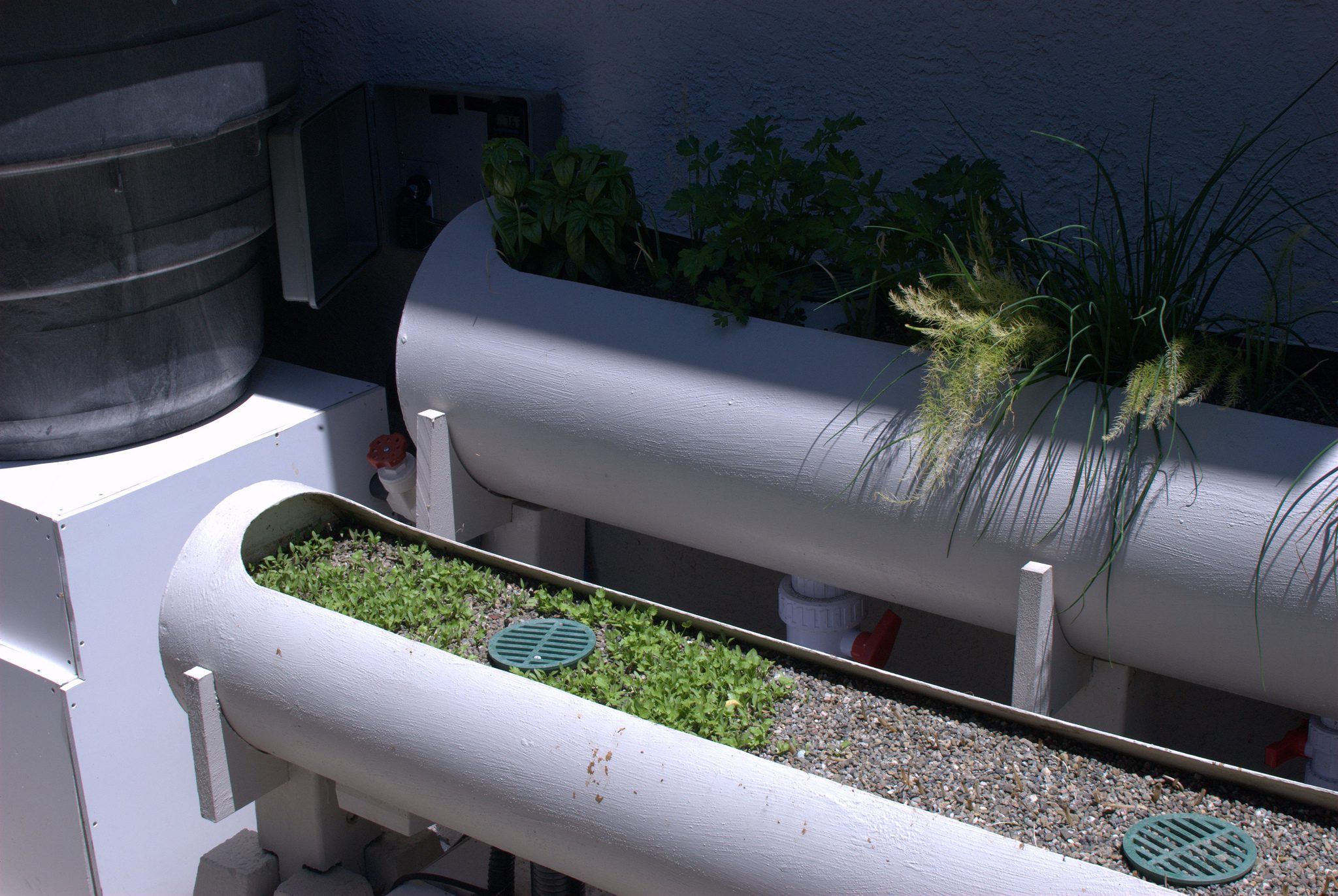
A cheap and easy DIY hydroponic system can be made using sections of 100mm (4”) PVC pipe as the growing bed, 50mm (2”) pipe as the drain lines, a storage container as the water reservoir and a pump and some tubing to circulate the water back into the growing beds.
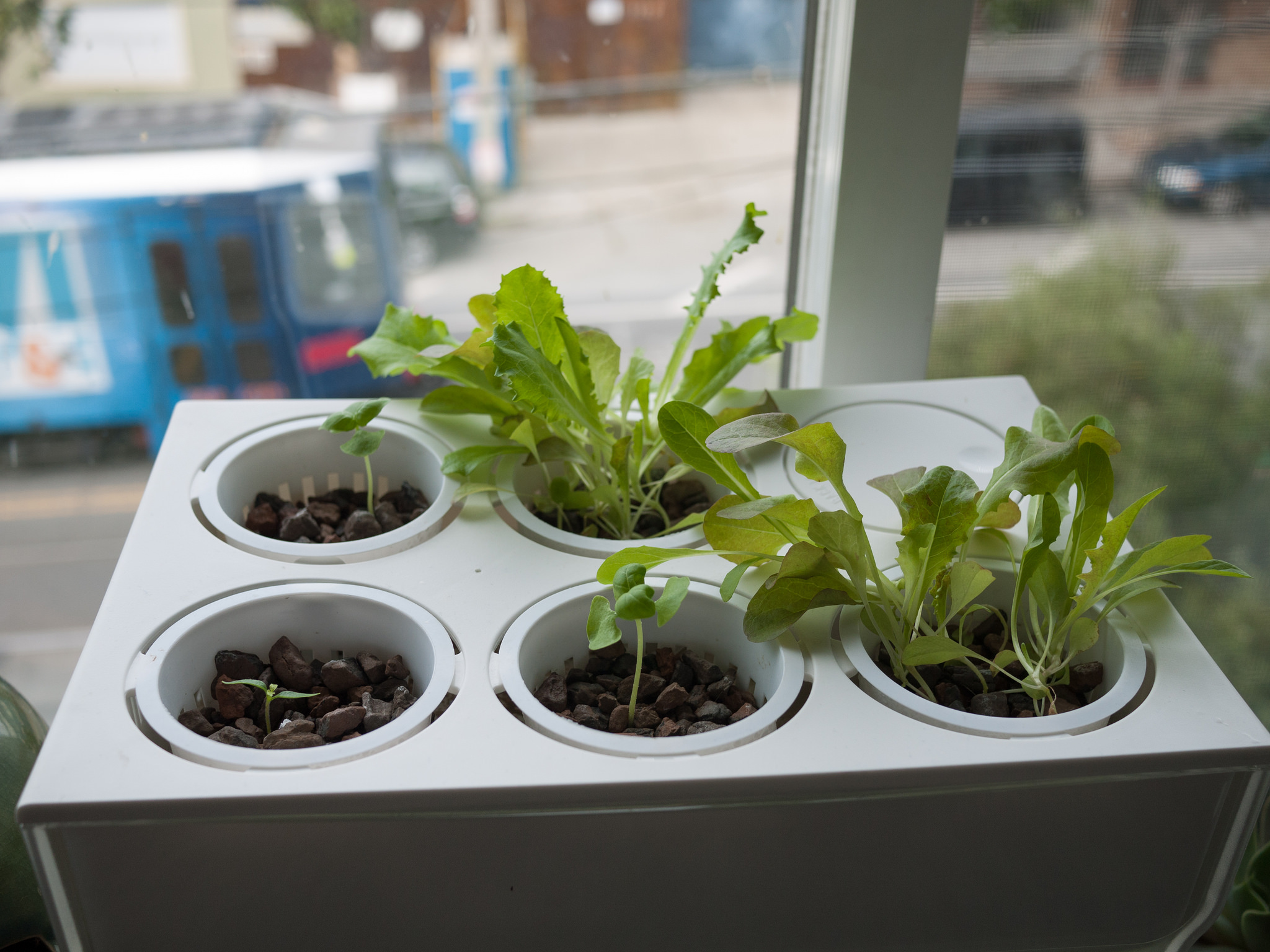
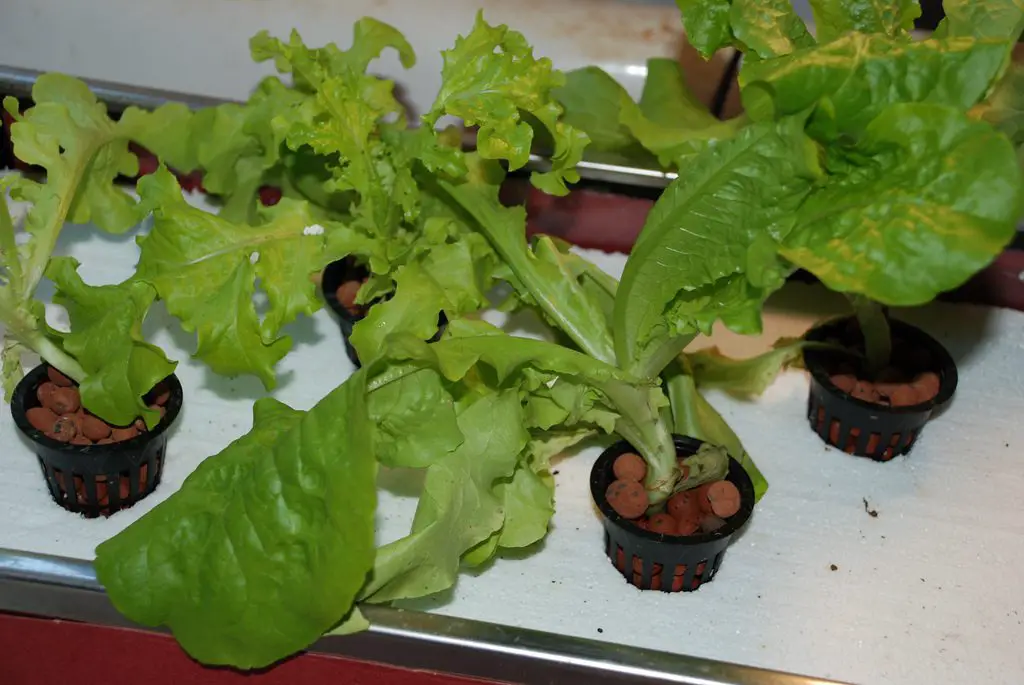
Here are some ideas for building your own hydroponic system:
Plants are not germinated in a hydroponic system but are rather transferred into the system when they are about 100mm (4”) tall. They need to have a root system which is substantial enough to support the plant in the growing pot without soil.
Plants are transferred into grow cups which are essentially cups with holes in them to allow the water to pass through the roots of the plants. The plant’s roots are then placed into the grow cups and they are then supported with clay beads or stones. It is important that the bead or gravel size is large enough that it cannot fit through the holes in the cup. Also make sure that all of the soil is washed off of the plant roots when you are transplanting them into the grow cups.
If you are growing your hydroponic system outdoors and in a well-lit area, then the sunlight will be sufficient for growth. If you system is placed indoors or in the shade then you may want to consider providing some artificial light for your plants to increase their growth rate and make them grow stronger and fuller. Grow lights can be specially bought or you can make your own using LED spot lights or LED strips. Any day light or white light LED’s will work well and can be powered from your mains or from a solar panel.
Have you built your own hydroponic system? Let us know your tips and tricks in the comments section below? We would love to hear from you.
If you have damaged or broken some of your solar cells or you are trying to build a solar panel on a budget, you may want to consider using broken cells as a part of your panel.
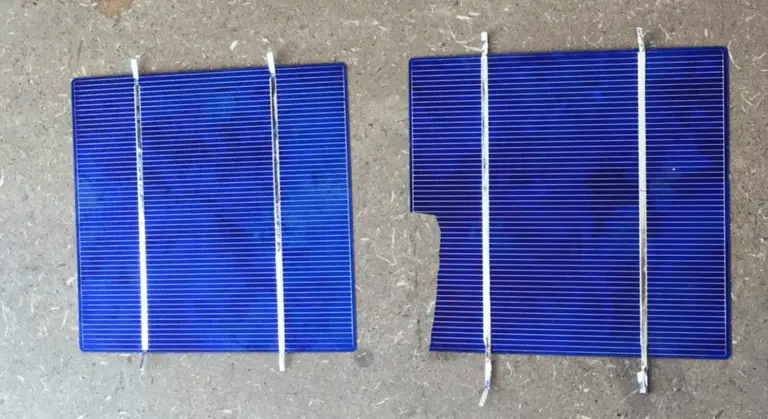
Despite popular belief, although solar cells themselves are extremely fragile and break with the slightest bump or nick, they do still produce the majority of their rated voltage even when they are slightly damaged. The power output of the cell will be affected depending on how much of the cell is damaged although it is not usually more than 10-20% of the cell that is damaged.
As long as the tabs and most of the cell is still in tact, the cell can usually still be used in a panel. Try to take a voltage measurement across the cell tabs with the cells exposed to full sunlight, if the cells are not too badly damaged, they should still produce 85-100% of the rated voltage.
Unfortunately, without the cells connected to a load, it is very difficult to determine how much of the cell’s power has been lost due to the break or crack. It is however ok to assume that the cell’s power output will be reduced by a similar percentage to the area that has been broken off.
The video below demonstrates how a broken cell still produces a comparable voltage to a new cell. The output voltage of both cells is a bit lower than the rated voltage as the measurement was done indoors.
So if the surface area of your solar panel is not a major consideration and you have cheap access to a number of broken solar cells then it may be worth your while to build your next solar panel using broken solar cells.
Have you used broken solar cells to build a solar panel? Let us know your tips and tricks in the comments section below.
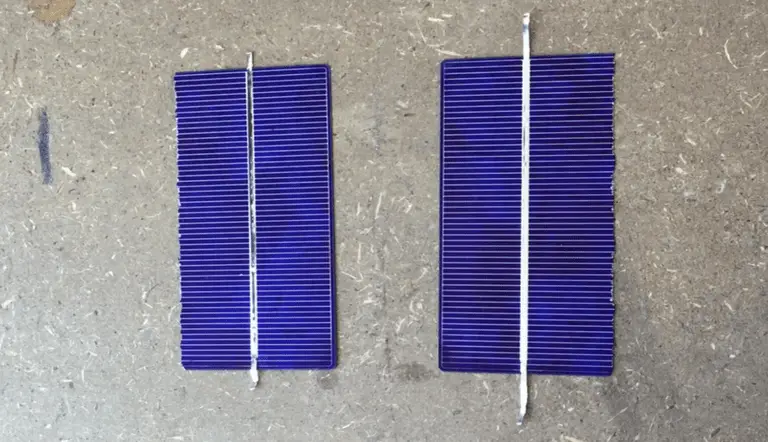
When you need to boost the voltage output of your homemade solar panel and you do not want to buy a voltage regulator, you could split your solar cells into two. With two halves of a 0.5V cell, you can connect them in series and get a voltage output of 1V. All that happens is your power output from the original cell is divided in two as well, so you will be left with two 0.5V 2W cells from one original 0.5V 4W cell.
Solar cells are not damaged by cutting them in half. As long as you retain the full tabs on the front and back of the cell, the divided cells with still produce the full voltage. This means that a solar cell can only be divided along lines parallel to the tab lines and can only be divided by the number of tabs. For example, if you have a double tabbed cell, you can split it into two while if you have a triple tabbed cell, you can split it into three smaller cells.
Anyone who has worked with solar cells knows that they are extremely fragile, even a small bump or nick can cause them to break in half. So you need to be extremely careful when cutting a solar cell into two. If you do land up breaking a solar cell, don’t throw it out, you can still use broken solar cells to build a solar panel.
What You Will Need To Split A Solar Cell
A Solar Cell
A Ruler
A Sharp Craft Knife
How To Split A Solar Cell Into Two
To cut the cell, place the cell face down on a clean an flat surface. Place the ruler down the centre line along where you wish to split the cell. Now repeatedly run the craft knife lightly along the edge of the ruler. Do not apply too much pressure or the cell will crack. Do this until you feel parts of the cell splitting underneath the knife (the knife movement will become slightly jerky). Lift the ruler and break the cell in half along the line.
The video below shows how to do it in detail as well as the voltage measurements:
Have you tried splitting a solar cell? Let us know your tips and tricks for cutting solar cells in the comments section below.
Commercially built solar panels are still quite expensive however they don’t need to be. Solar cells are available from a range of suppliers all over the world and can be easily assembled into your own custom built solar panel.
Cell Voltages
The nice thing about building your own solar panel is that you can make it to suite your needs. Solar cells are typically available in 0.5V and a range of power outputs. They can be arranged in series to get any output voltage you require in multiples of 0.5V. If you are looking to charge a 12V deep cycle battery for an off grid application then you need an 18V panel which will consist of 36 cells in series (36 x 0.5V = 18V output). You need 18V so that even when the panel is not in full sun it is able to charge the battery.
In order to reduce the number of cells you need, you could try splitting your solar cells to get a higher voltage out of each cell.
0.5V Solar Cells
Solar Panel Power Output
The second consideration is the power output you require. To calculate how many solar cells you need, divide the total power you need by the power of each cell. For example, if you need a 200W panel and you are using 4W cells then you need 200W / 4W = 50 cells. It is important to note that the power output is not related to whether the cells are connected in series or parallel. You can read this article on sizing your solar panel system correctly for your home for help estimating your home’s power consumption. There is also a spreadsheet available to assist you with the household power consumption calculations.
Solar Panel Frame
Lastly you need a frame for your solar cells. Solar cells are extremely fragile and need to be protected, usually with a perspex sheet or glass. Additionally you need to protect the back of the cells although this sheet does not have to be clear and can be made from wood, plywood, glass or plastic. You will also need to make a frame which attached to the backing for mounting the panel.
How To Assemble The Panel
In this guide, we will make a small 36W panel although the methodology to create a larger 200W or 300W panel is the same.
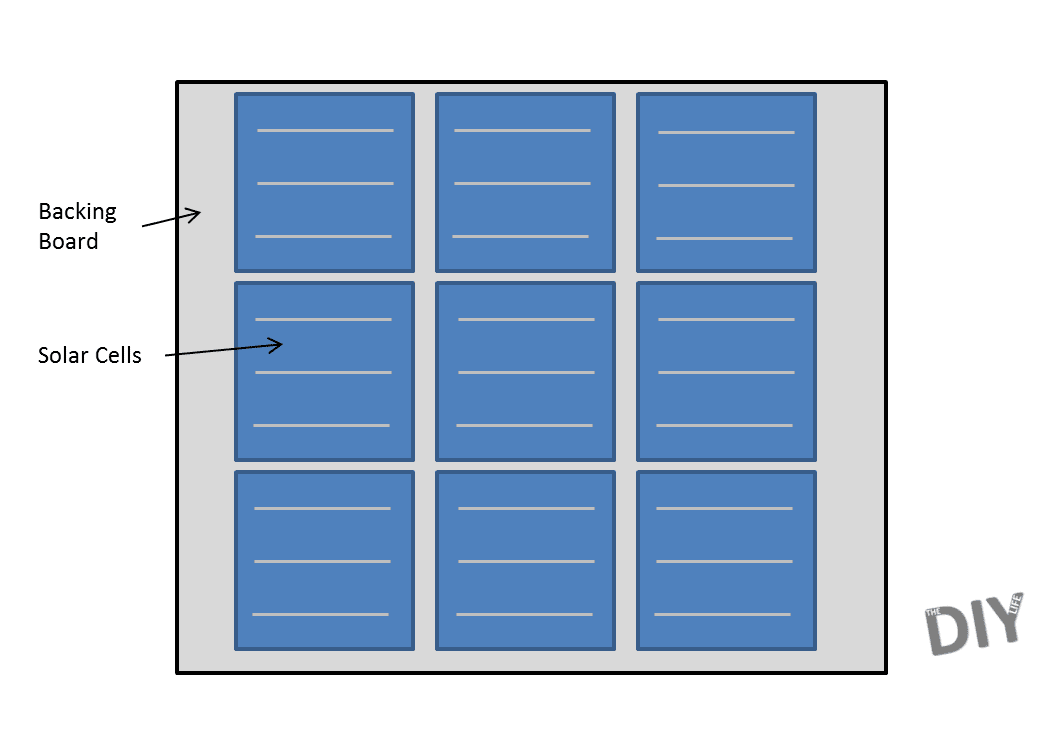
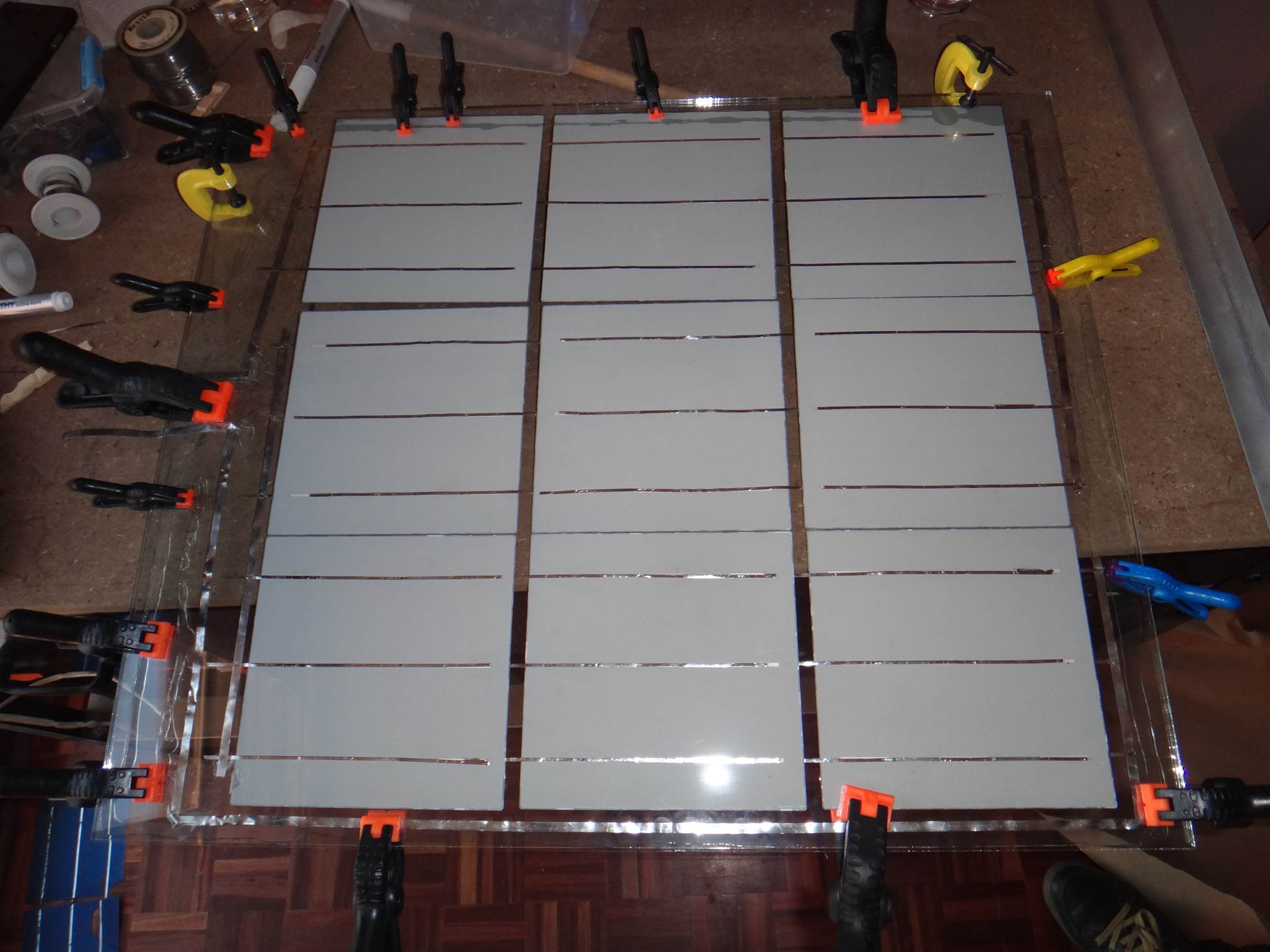
First you need to start by planning your panel layout. This is usually done according to the space you have available for the panel, you may be restricted by length or width of the panel and you can adjust the other dimensions to suite. For the 9 solar cells, a sheet of glass 0.5m x 6m (20″ x 24″) was used and the cells were laid out as shown below:
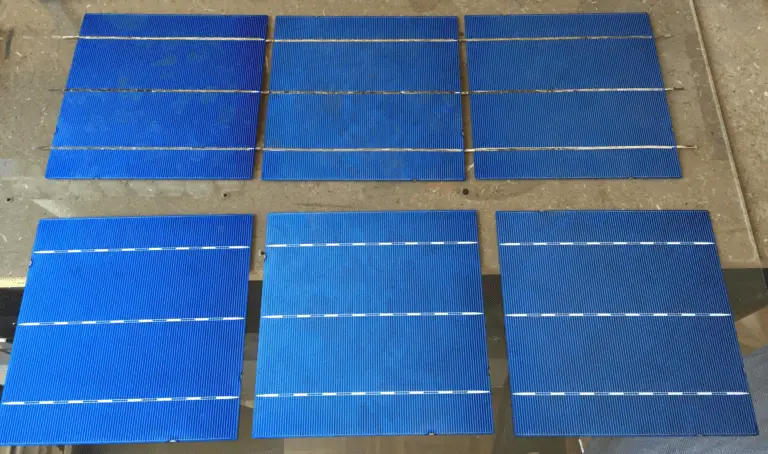
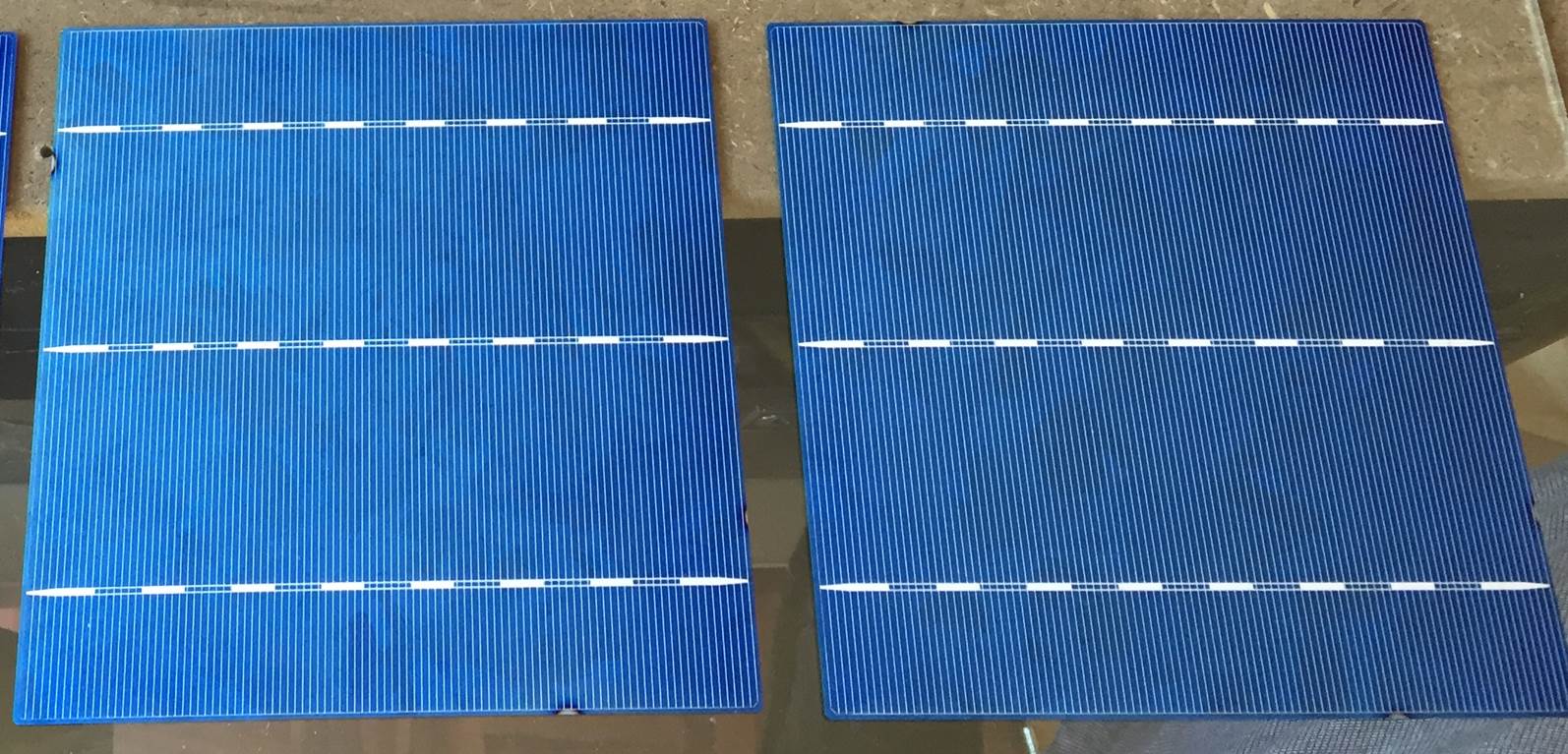
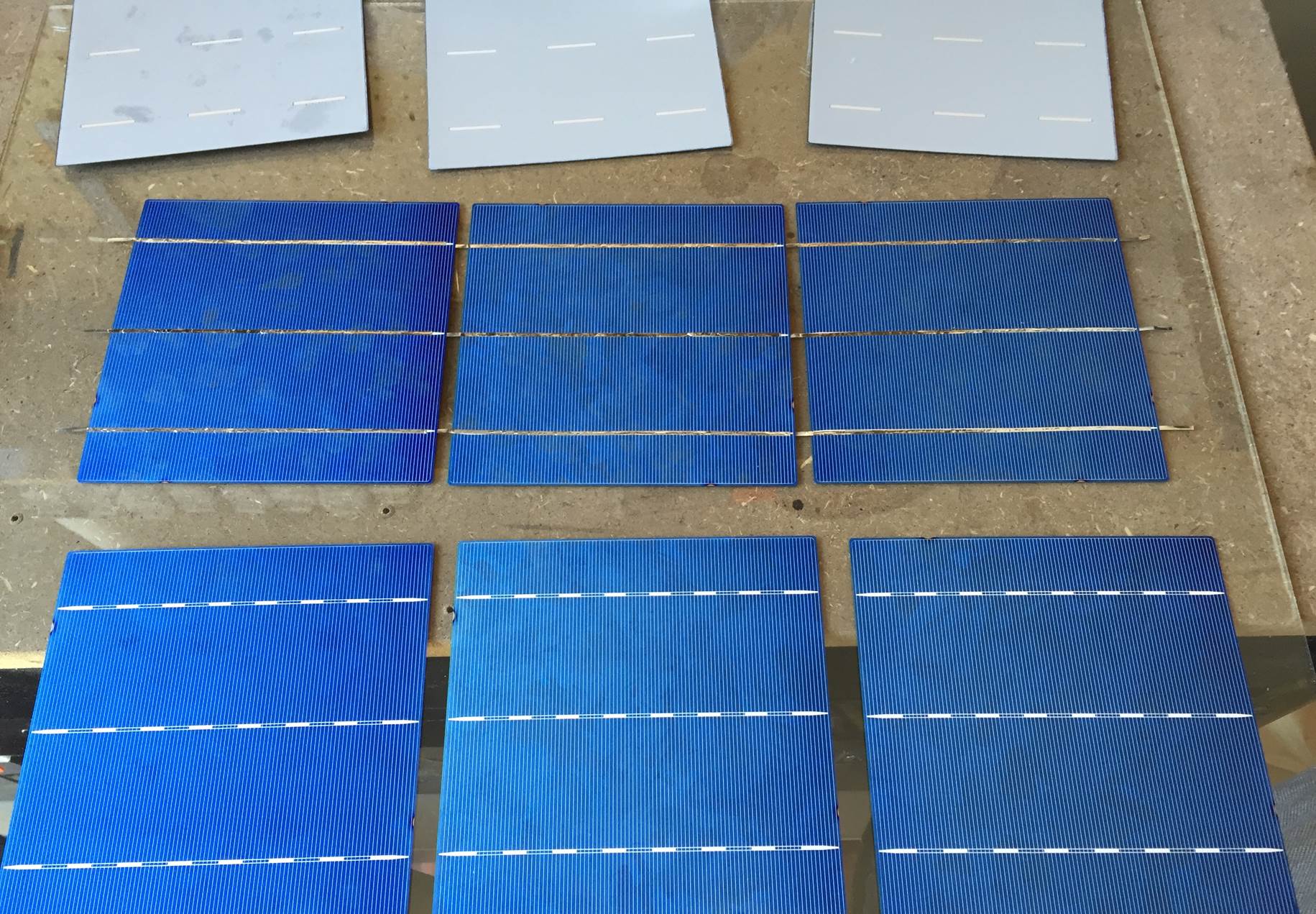
The next step and possibly the most time consuming step to building your panel is tabbing your solar cells. You can buy pre-tabbed cells and this is recommended if you are not familiar with using a soldering iron although most solar cell suppliers will supply you with un-tabbed cells. It is not complicated once you have the correct technique but you may need to practice on one or two cells first as the tabbing wire is not easy to remove.
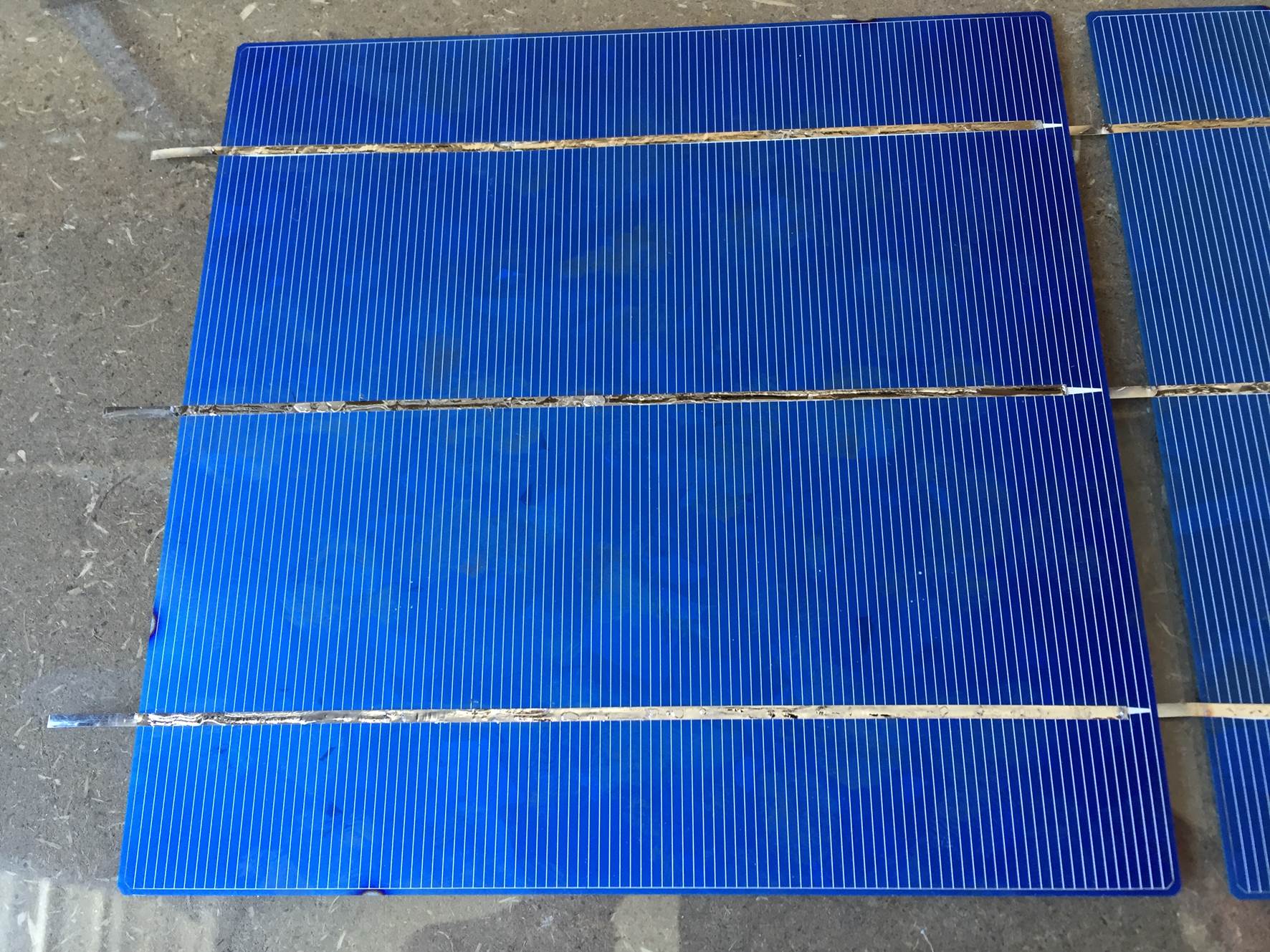
Cut the tabbing wire to a little (1cm / 1/2″) over the length of one cell for the end tabs and double the length of each cell for the interconnecting tabs. Now begin soldering the tabbing wire to the solar cell. First draw a line with the flux pen down the length of the silver tab lines. Line the tabbing wire over the tab lines and then run the hot soldering iron down the length of the tab. Do not leave the soldering iron in one area for too long as it will overheat and damage the cell. There is no need to add solder to the wire as tabbing wire comes pre-soldered.
Here is a video guide to soldering the tabs onto your solar cells:
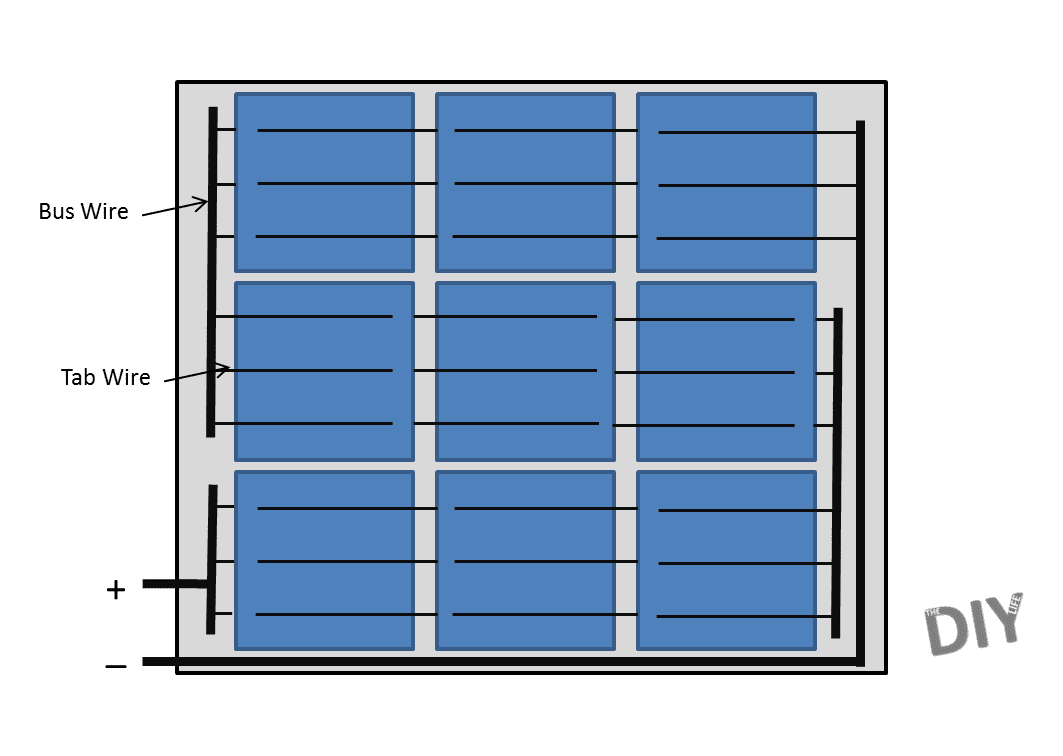
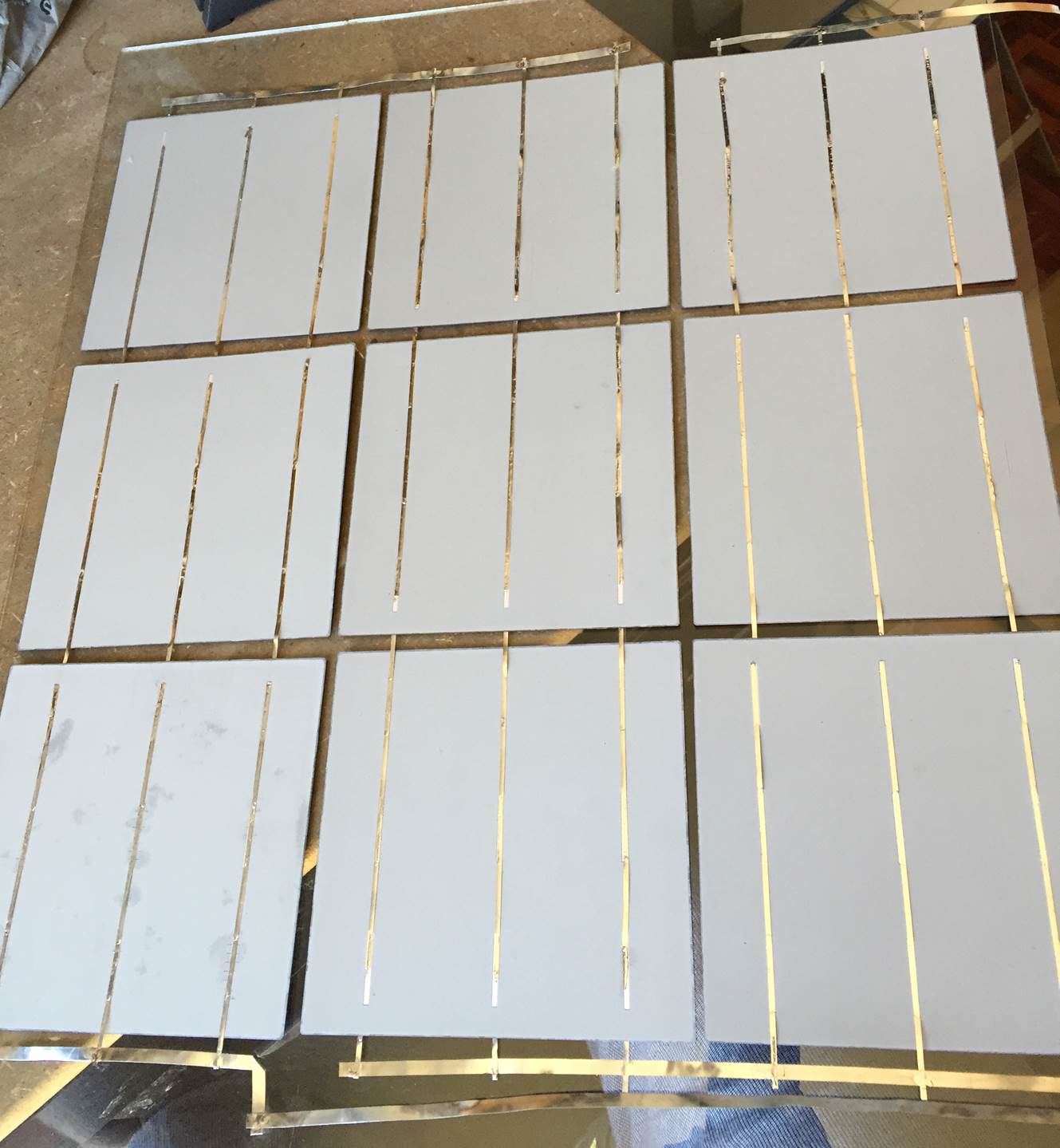
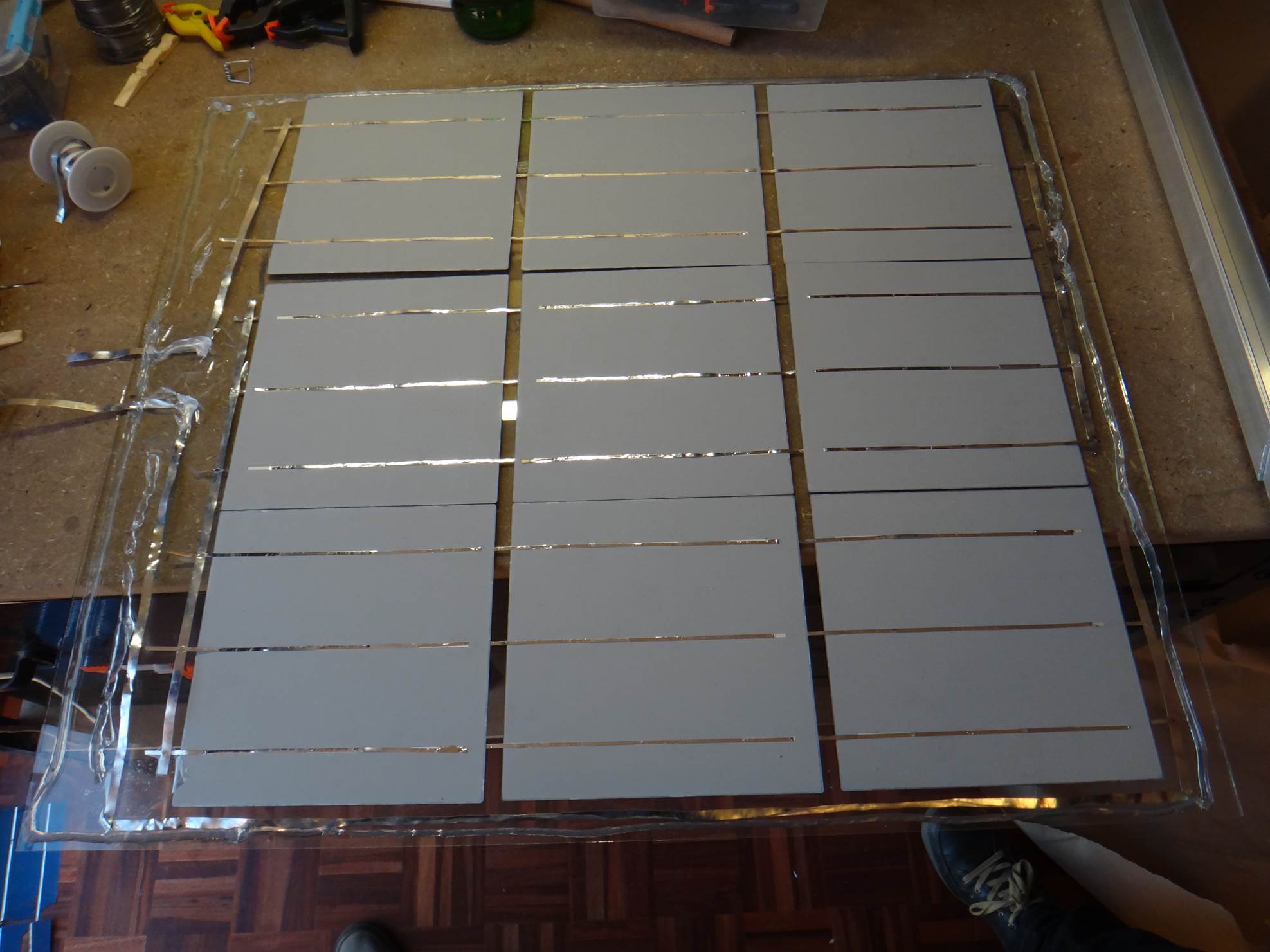
Once you have tabbed all of you cells, you need to connect them together. The front of each cell is negative and the back of the cell positive. These need to be connected like batteries in series to form a string of cells back to front. Solder the tabbing wires from the back of one cell to the front of the adjacent cell until you have completed each line. You then use the bus wire to connect the lines. The end layout should look like the diagram below:
Remember when connecting the lines that they too need to be connected positive to negative so the adjacent lines should run in opposite directions.
When you are done connecting your lines together, you should have one positive bus and one negative bus which will be your solar panel outputs. These can be terminated in a special solar panel box or soldered directly onto wires for smaller panels.
Once your bus wires are completed, you can add the protective glass or perspex cover over your solar cells. Run a continuous bead of silicon around the perimeter of the backing board and then carefully lower the glass onto the backing board over the cells. The silicon should form a continuous seal around the edges of the panel and the cells will now be protected.
Clamp the glass and the backing board together (in this case the backing board is a glass sheet as well) and allow the silicon to cure overnight.
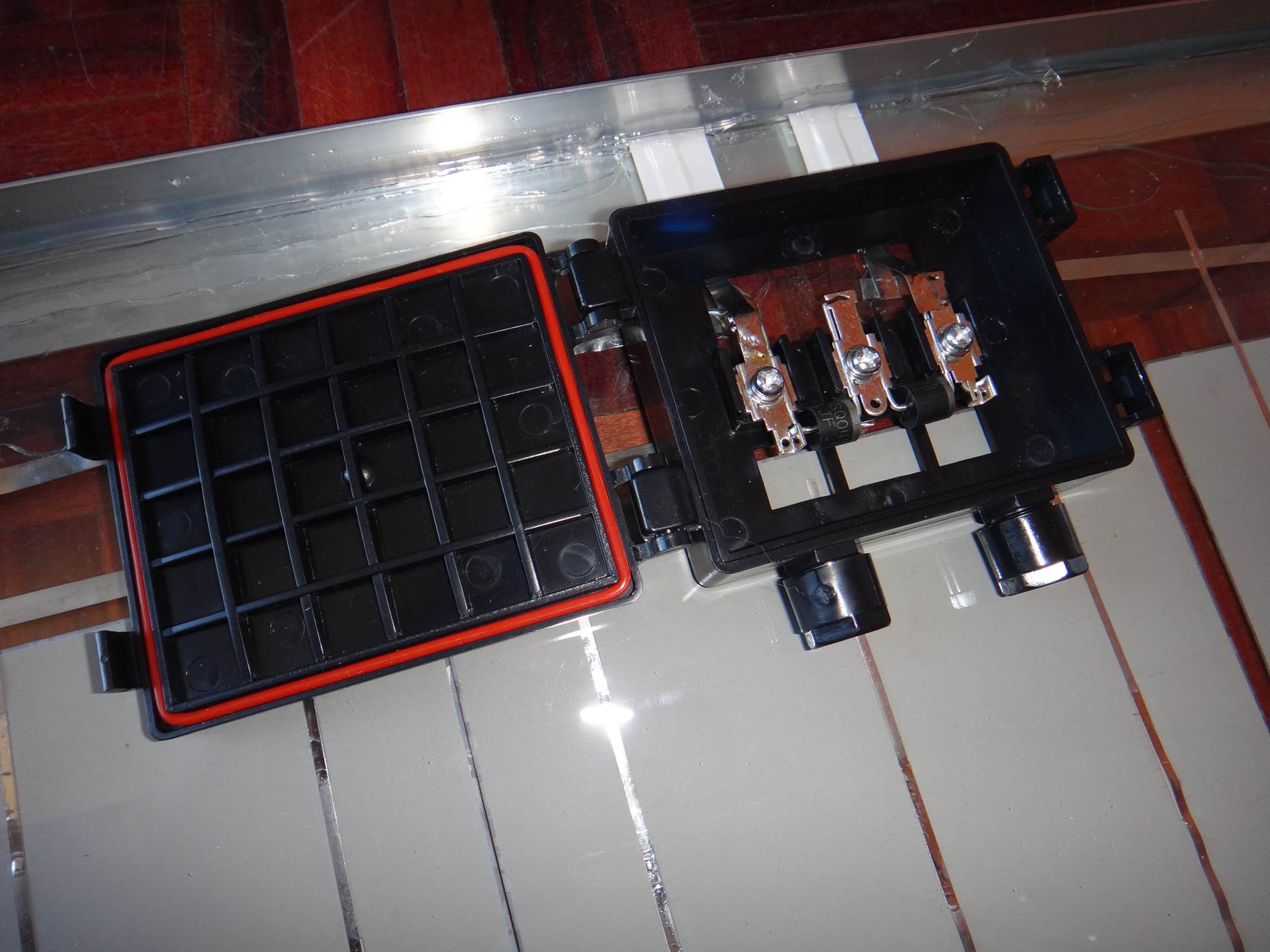
Mount the terminal box on the backing board and solder your outgoing bus terminals to the terminal strip. The box can be mounted with screws on a wood backing board or can be attached with silicon as well if a glass backing board is used.
Lastly attached any mounting bracket you require to the back board and your solar panel is completed.
Connect it up to a solar charge controller to charge batteries or connect it directly to your DC load. If you are powering an AC load then you will need to connect a power inverter, read this guide on selecting a power inverter.
Read our full guide on switching to solar power for more information on designing a solar power system.
Do you suffer from sneezing, couching, itchy skin or eyes, trouble breathing or rashes? If you have experienced one or more of these symptoms, it could be due to an allergic reaction. Allergies plague a large portion of adults and children and since there is no cure for it, prevention is the key to living happily and healthily. Your home may be harbouring a large number of allergens and allergy triggers, including those you can’t see. So follow this guide, reduce your home allergies and start living a healthier life.
Minimise Clutter
Cluttered desks, shelves, tables and other items of furniture are a breeding ground for insects, rodents and bacteria. Cluttered surfaces are seldom cleaned and gather thick layers of dust. Go on a home de-cluttering spree and get rid of all of the unwanted papers, magazines, book and decor. You’ll soon find that living a minimalist life is cleaner and leaves you feeling healthier.
Wash Linen & Air Your Bed
Be sure to wash your bed linen at least once a month in hot water. Water that is 65C (150F) hot kills bed bugs and dust mites. Don’t forget about washing your curtains, comforters and rugs at least once every six months as well. Another popular tip is to leave your bed unmade with the windows open once a week to allow the sunlight to dry it out completely, killing the dust mites and bacteria. If you cannot open your bed up to the sun, vacuum the mattress regularly with a HEPA filter vacuum cleaner.
Go Green With Cleaning
While mopping and dusting go a long way to reducing allergies, consider going green on the products you use for cleaning. Make your own cleaning products with baking soda or buy products which are allergy tested or natural and eco-friendly.
Get An Air Purifier For Allergies
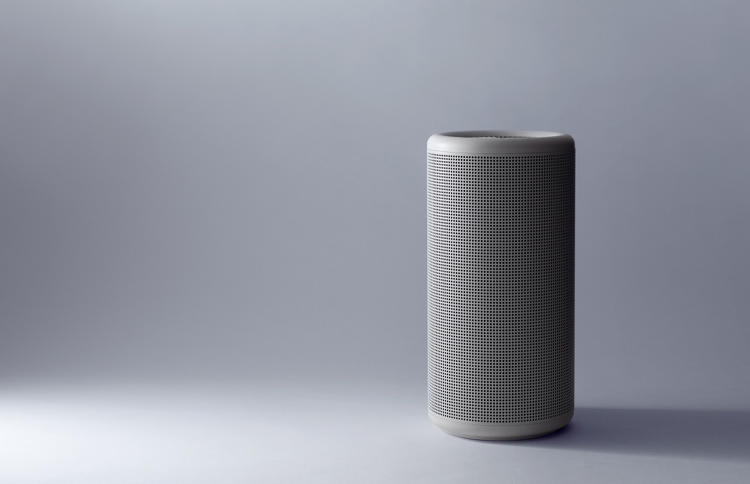
If you don’t have a central air purification system, buy a stand alone room air purifier. The best ones are able to remove airborne allergens, kill viruses and bacteria and also capture dangerous VOC’s and other gases. Place one in your bedroom and main living spaces for the best results.
Ditch The Carpets
While carpets are warm and cozy for winter, the are the perfect breeding ground for millions of nasty things and they are difficult to clean. Vacuuming only removes dust and dirt from the surface of the carpet and doesn’t get anywhere near the base layers. Rather install laminate wood flooring, tiles or concrete which can be easily cleaned.
Keep Your Pets Clean
Every household needs a pet, however, a large portion of allergies are cause by our furry friends. Train your pet to sleep in his or her own bed and shampoo or groom them regularly to keep them clean and free from loose hair and dander.
Open the Windows & Doors
Opening the windows (not in allergy season) to allow a breeze to flow through your home removes toxins and dust from your home.
How do you deal with allergies in your home? Let us know your tips and tricks in the comments section below.
To provide the best experiences, we use technologies like cookies to store and/or access device information. Consenting to these technologies will allow us to process data such as browsing behavior or unique IDs on this site. Not consenting or withdrawing consent, may adversely affect certain features and functions.
Functional
Always active
The technical storage or access is strictly necessary for the legitimate purpose of enabling the use of a specific service explicitly requested by the subscriber or user, or for the sole purpose of carrying out the transmission of a communication over an electronic communications network.
Preferences
The technical storage or access is necessary for the legitimate purpose of storing preferences that are not requested by the subscriber or user.
Statistics
The technical storage or access that is used exclusively for statistical purposes.The technical storage or access that is used exclusively for anonymous statistical purposes. Without a subpoena, voluntary compliance on the part of your Internet Service Provider, or additional records from a third party, information stored or retrieved for this purpose alone cannot usually be used to identify you.
Marketing
The technical storage or access is required to create user profiles to send advertising, or to track the user on a website or across several websites for similar marketing purposes.