Home Blog Page 37

Dog and Cat Hair, How To Keep Your Home Hair Free With a Shedding Pet

We all love our furry friends and most of us consider them to be a part of the family, but if you own a short hair breed of dog or cat then you’ll know the continuous struggle involved in keeping your home free of pet hair. Fortunately, there are a number of ways you can manage your pet’s shedding and control the amount of hair lying around your home and we’d like to share them with you.

Brush Every Day (Or At Least Every Second Day)

It may sound a bit excessive but this is perhaps the most effective way of managing your furry friends shedding. Giving  your dog or cat a quick one minute brush every day will save you hours dusting, sweeping and vacuuming, it will really be worth your while. Try and get into a habit or brushing your pet at the same time every day, perhaps before dinner or before their afternoon walk, habits make daily tasks seem more routine and less of a chore.

Try the Furminator, it is an all in one pet de-shedding tool which really works wonders in removing all of your furry friends loose hair, you’ll really notice the difference around your home if you use one of these once a day. For large dogs buy here, for smaller dogs or cats buy here.

Use Blankets, Throws Or Covers On Your Furniture

Think about what’s easier, getting the vacuum out and giving your sofa, couch, bed or ottoman a brush down and good vacuum or simply rolling up the blanket or throw and throwing it into the washing machine? It’s a lot easier to simply throw something into the wash, especially since all of the covers can be done at once.

Keep two sets so that you can wash and dry one while the other is in use. When you have guests, simply pull the covers off and your furniture will look clean and fresh.

When washing the blankets, throws and covers, remember to use a warm wash of at least 55 degrees Celsius (130  degrees Fahrenheit) to kill of bacteria and other allergens. Don’t mix these covers with your clothes or bedding, always wash them separately.

While you’re cleaning the throws, blankets and covers, have a look at these Things You Should Be Cleaning But Probably Don’t.

Cover Your Car Seat

Following on from the previous tip, if you take your pet in the car often then your car is probably also covered in pet hair. Get a pet car seat cover like the one below to keep the pet hair in one place. It not only protects your seats from their sharp nails but is also easily removable to brush off, vacuum or wash, keeping the rest of your car clean.

Barksbar Pet Car Seat CoverBuy Here

Dress You Furry Friend

This tip ins’t for everyone, or every breed of dog, but it certainly goes a long way towards keeping the hair off the ground. Dressing your pet up in a well fitted pet jersey or t-shirt keeps the hair in the clothes and off of your floor and furniture.

Dog Sweater And Track SuiteBuy Here

Vacuum Regularly

A lot of the hair that lands up on your clothes and on your furniture has been carried there from the floor and other furniture. Vacuuming your home regularly picks up all of the hair on the floor and removes the chance of it being re-distributed around your home.

Get a good quality vacuum with a water filter or HEPA filter, one which has been specifically designed to suck up and filter out pet hair and dander.

Here are our top recommendations:

BISSELL Big Green Complete Home-Cleaning SystemBuy Here

Eureka Mighty Mite Pet Lover Bagged Canister Vacuum CleanerBuy Here

Ovente Bagless Canister Cyclonic Vacuum – HEPA FilterBuy Here

Use A Rough Blanket In Your Pets Bed

If your pet has a tendency to lounge around in their favorite spot for most of the day, try using a rougher blanket in that spot or in their bed. A rough blanket helps to “brush” the hair off of them while they sleep or roll around in it. The blanket traps the hair and you can simply wash the collected hair out once a week.

Clean Your Air Conditioning System Filters

If you’ve got pets, especially dogs, cats and birds, you’ll be surprised how much pet dander lands up in the AC filters. Be sure to check, clean or change your AC filters every month or two to prevent a build up. Pet dander can quickly clog up these filters and may land up damaging your AC system.

Cleaning Products To Help You Around The House

Now that you’ve implemented the above tips to keep your home hair free, you’ll likely have a lot less hair lying around.

For those bits that still make it through, here are some of our favorite products we use to keep our home, furniture and clothes hair free:

Swiffer Spray Mop Cleaner Starter Kit – This all in one mop kit is perfect for giving your tiles or hard wood floors a quick clean up. Run it over the floor and use the built in spray bottle to attract and keep pet hair stuck in one place to collect and throw away. Buy Here

Lint Roller – Going out with pet hair all over your clothing doesn’t look good or give a good impression of your home’s cleanliness. Get a good quality lint roller to quickly go over your clothing before you leave and remove any excess pet hair. Buy Here

Pet Grooming Glove – If you pet is not a fan of being brushed then consider getting a grooming glove. It is much softer on your pet and also allows you to hold them firmly while the glove removes loose hair. Buy Here

Now that you’ve got rid of the pet hair in your home, have a look at these 5 Cleaning Tips To Rid Your Home Of Dust.

Top Backyard Hashtag Trends This Summer: Instagram Upgrades for Your Outdoors

Having a backyard is a fantastic perk, and it is no wonder that people like to brag about it on social media and beyond. Whether you like taking pictures where your backyard is the primary object of interest or you want it to be a background for portraits, you probably want them to be seen and appreciated by other people. You know what helps your photos be seen? That’s right: hashtags. And behind every hashtag, there is a backyard trend that will make your outdoor space look even more astonishing. Here are the hottest current trends to watch this summer.

#stringlights

Backyard lighting is vital if you want to use your backyard after the sun is down. While you have a wide range of backyard lighting options, including lanterns, candles, solar lamps, and chandeliers, there is nothing more romantic and whimsical than illuminating your patio with bistro lights. Besides giving the exterior an unparalleled charm, string lights also serve as a great portrait (selfie) backdrop, because they can produce excellent Bokeh effect.

#fire

fire instagram hashtag

Fire is a great backyard hashtag that can get you seen over time. It is mostly manifested through fireplaces and fire pits. Fire pits are especially popular because they are easy to make or affordable to buy. They can serve as centerpieces of the seating area or a “wow” factor incorporated into the pool. You can build it in or above ground, use concrete, iron, or bricks, etc.

#palletfurniture

Even though 2018 was marked as the year when we leave the DIY behind and move on to craftsmanship and artisan pieces, this trend still hasn’t reached our backyards. Pallet backyard furniture is still all the rage, regardless of whether we are talking about benches, sectionals, club tables, dining tables, lounges, shelves or stools.

#shade

shade instagram hashtag

A backyard without proper shade is impossible to use, especially during hot summer days. However, that doesn’t mean pergolas and other solutions are there only because of their function. The offer of custom Shade Sails Online is extensive, and they can fit into every outdoor space. Besides sheltering you from the sun when taking selfies (good lighting is the key for a perfect selfie), these installations also make great landscape photo stars, if you catch them at the right angle.

#pool

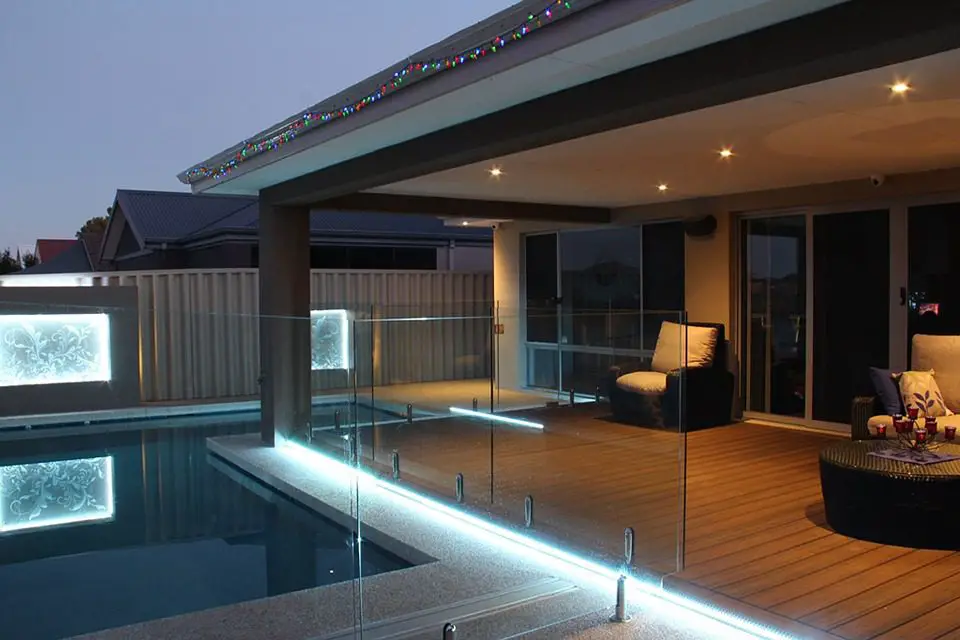
Nothing beats having your own pool in the backyard. While this is hardly a new trend, it is essential to stress that it is not going anywhere. In fact, it is being updated more and more with creative ideas such as a hot tub, waterfalls, fountains, lighting solutions, plants, and an inviting poolside.

#flamingofloat

flamingo float instagram hashtag

Another pool accessory that has taken the world (especially Instagram) by storm comes in the form of an extravagant inflatable toy – a pink flamingo float. Celebs like Taylor Swift have shown us how to strike a pose on floats, and you can rock this trend too. Besides flamingos, there are more elegant floats, such as giant swans, or downright silly ones, like a pizza slice or watermelon.

#japanesemaple

This plant is in demand these days, especially in urban gardens, because it grows slowly, and it can be kept in a container for several years. As an interesting combination of green, pink, and red, Japanese maple can bring in liveliness into every garden.

#alfresco

It is a common idea that outdoor dining spaces should be located just off the house. While it is convenient to have them near the kitchen, it also doesn’t allow you to immerse yourself in the magic of the garden fully. Alfresco allows a luxurious experience which includes special furniture, lighting, and flooring. It is tailored for a group photo with your friends.

#greengarden

greengarden instagram hashtag

Green is always in, and particularly when it comes to gardens. It is nature’s most beloved color easily evoked through the lush lawn, bushes, shrubs, ferns, creeper plants, trees, herbs, and flowers. All of these elements together make an ideal canvas for out-of-this-world Instagram photos.

#petfriendly

An outdoor space your pets love has multiple benefits. It makes them happier and more playful. It gives you the chance to take a pic of them playing in their intimate surrounding. If your pets are happy, you are happy. A pet-friendly garden is accomplished with a good fence for safety, fresh water, pet-friendly plants, running tracks, shelter, and playing area.

These were the top ten Instagram hashtag trends that can guide your way through backyard upgrading. The result will be a gorgeous outdoor space and stunning photo sessions.

Now that you’ve got the right hashtag, why not try out these 10 Easy DIY Upgrades To Do This Weekend To Increase Your Home’s Value.

How To Save Thousands When Decorating This Year

Regardless of whether you are a professional interior designer working on a large project or just want to redesign your kitchen, it always pays to know the best ways to save as much money as possible. Decorating your home is rarely a cheap thing to do and usually comes with stress, hassle and a lot of mess. Even the smaller tasks are never as easy or as quick as you think. Keeping that in mind, we’ve made sure that the tips chosen in this guide will save you time, hassle and of course, money.

Saving money when decorating is always important as the budget of decorating can often determine the style we decide to go for. For example, you may wish to turn your room from modern and minimal to retro chic and to do this you will need wooden type furniture, bespoke features and vintage lighting. All of these things are usually every expensive, but with these tips you can achieve this look and have money to spare. In this guide we are going to show you the top 20 tips on how to save the most money when decorating this year.

If you’ve interested in saving money, have a look at these 40 Frugal Tips To Save Money On Living Expenses.

Tip 1 – Find free materials around you

By this we don’t mean rummaging through bins of course. You will be surprised to find out how many things you can actually get for free! Many people will want to just get rid of items they don’t want anymore because they are moving and can’t be bothered to try and sell them. This is where you can get some amazing bargains. From small table lamps to large tables and chairs, people will often happily give you these things for free if you are able to pick them up.

Tip 2 – Improve your existing furniture

Before you start throwing out all of the furniture in the room it might be worth considering if it can be updated or improved. One of the biggest trends right now in interior design is re-purposed and reupholstered furniture, especially with wooden furniture. As the vintage look has never been more popular, we are seeing a huge rise in people re-purposing old tables and chairs, bringing new life to something that was once nearly thrown away.

Tip 3 – Feature wall
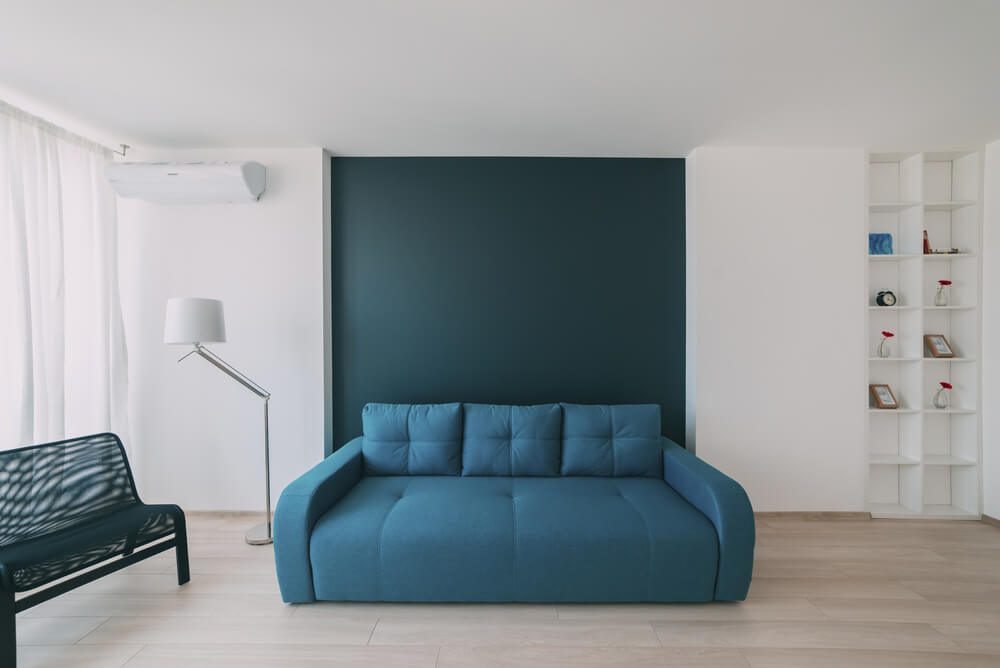
Feature Wall

One of the simplest ways of adding a fresh and new feel to a room is through painting or wallpapering the walls. Paint and wallpaper vary in price, but one thing that is consistent with this is the amount of time it takes. Updating the walls in your home is a long process and one that needs care and attention if it is to look right. However, to save money and time you can simply just update one wall; the feature wall. You might be surprised at how much a feature wall can change a room’s dynamic. It draws the eye as soon as you enter and instantly sets the tone for the rest of the space.

Tip 4 – Update the plumbing fixtures

Your bathroom and kitchen plumbing fixtures are often untapped resources when it comes to adding a new design feature to the room. By simply changing the usual metal finish to copper, brushed chrome or brushed bronze you can quickly update the style without having to purchase a new sink or bathtub.

Tip 5 – Laminate worktops

Replacing your kitchen or bathroom worktop is usually a very expensive thing to do, but also one of the best ways to redecorate a room. It instantly breathes new life into the space whilst setting the tone and creating a brand new feature that is guaranteed to impress. This can cost anywhere from hundreds to thousands of pounds. This is because people will usually prefer the feel and style of natural wood or stone for their worktop. Well, the good news is that you can now have this natural style without having to pay out big thanks to modern laminate worktops. Recent technological advancements has meant that laminate sheets now look identical to the real thing and even have the same texture. They come in a vast selection of styles/colours and if you wanted to know more about this then please find here an ultimate laminate sheet guide.

Tip 6 – Door handles

Changing your door handles is a very quick, easy and cheap way of creating a new design style. Although small, the right colour door handle can have a surprising effect on a rooms look. Research what material and colour goes with what colour and type of home to ensure it doesn’t look out of place.

Tip 7 – Never underestimate the power of a mirror
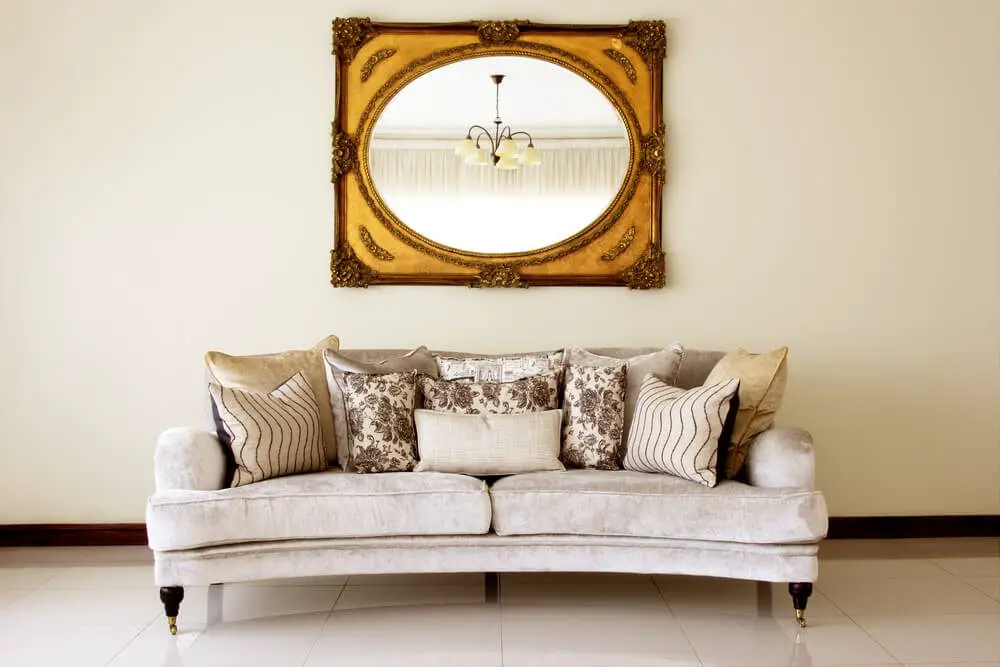
never underestimate the power of a mirror

Mirrors do so much more than you might think. They can add light to a room, increase the size and add seamless flow. However, many of us are guilty of not making the most out of the mirrors we already have. Before you go out and invest in new ones, look at the ones you have already and see how they can be improved. Maybe it would look better in a different room or nearer natural light.

Tip 8 – Bring the outdoors inside

The past few years has seen a surge in popularity with indoor plants being used to create a new type of bohemian style. Often in vintage looking pots and hanging from the ceiling, these indoor plants are relatively cheap and a great way of updating your interior design.

Tip 9 – Shop second hand

This may seem like a more obvious one, but shopping through second-hand stores, thrift stores, markets and car boot sales can result in finding fantastic furniture for incredible prices. Some designers make a great living this way so it’s definitely worth checking out your local area for bargains.

Tip 10 – Use lighting
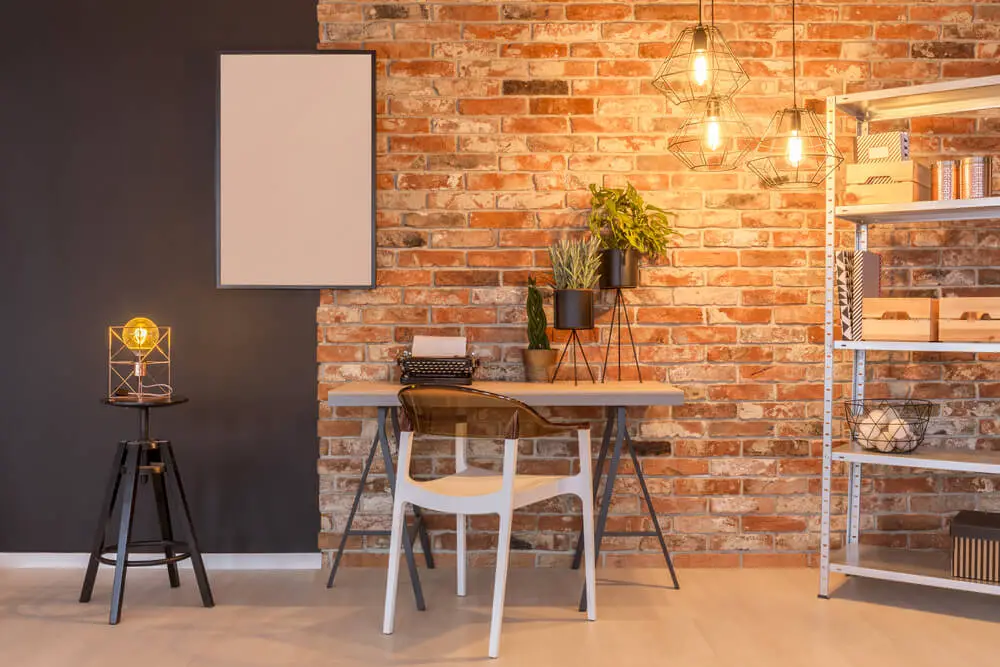
use lighting

Lighting has the power to create a mood and even add size to a room. If used right, lighting can completely change how a room feels and looks. Whether you make use of the natural light more or invest in some new lamps or lampshades, lighting is an interior designers best friend. To save money, look at simply changing the lampshades, bulbs or position of where these are and see how different your room can look.

Tip 11 – Rearrange the furniture

Sometimes the best way to change the dynamic of a room is to simply rearrange the furniture. For a calm and serene environment try looking into how to implement Hygge and Feng Shui into your home.

Tip 12 – Decorating with paint

If you feel like your home needs redecorating but would like to keep it as cheap as possible then sometimes all you need is paint. A new lick of paint on the walls can totally revamp your room without having to change anything else. If your home has a shed or garage where you keep old tins of paint then check these first before buying new ones. If there isn’t much in some of them then you could mix these to make a bespoke colour and add a touch of your own personality to your home.

Tip 13 – Use fabric

Whether it’s sheets draped over lights or a throw on your sofa, fabric has the potential to turn your room into something completely different. By using them over lamps you can create a soft and subtle ambience that’s much cheaper than purchasing a brand new light.

Tip 14 – Don’t forget about the details
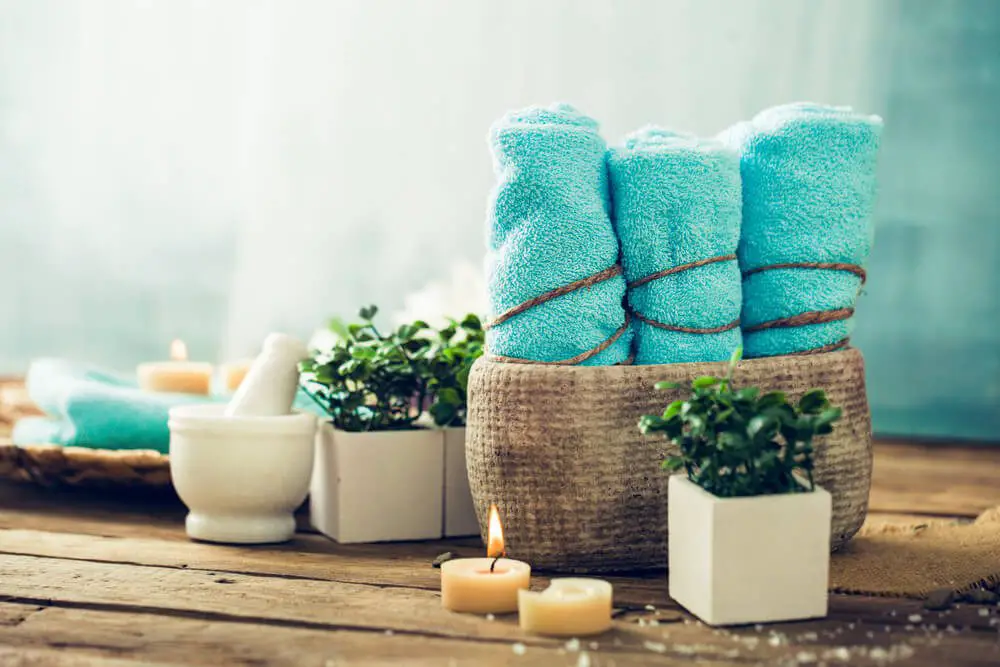
don't forget about the details

Sometimes the smaller things have the larger impact, so if you’re looking to spruce up your home but don’t want to pay big prices for big pieces of furniture then have a look at tweaking the smaller things. This could be anything from new cushions on the sofa to new towels in the bathroom, anything that can inject colour into a room can change the interior style.

Tip 15 – Declutter

Decluttering your home is sometimes all you need to do to revamp a room. If you think you need to redecorate then always declutter first as you may be surprised to find that this is actually all it needed!

Tip 16 – Layer rugs

Carpet or hardwood flooring can be pricey, but a fantastic way of updating your floor without having to break the bank is to simply layer rugs together. You haven’t got to use expensive rugs for this because you are layering them together. Get creative with it and enjoy making your own bespoke design feature.

Tip 17 – Group similar items together
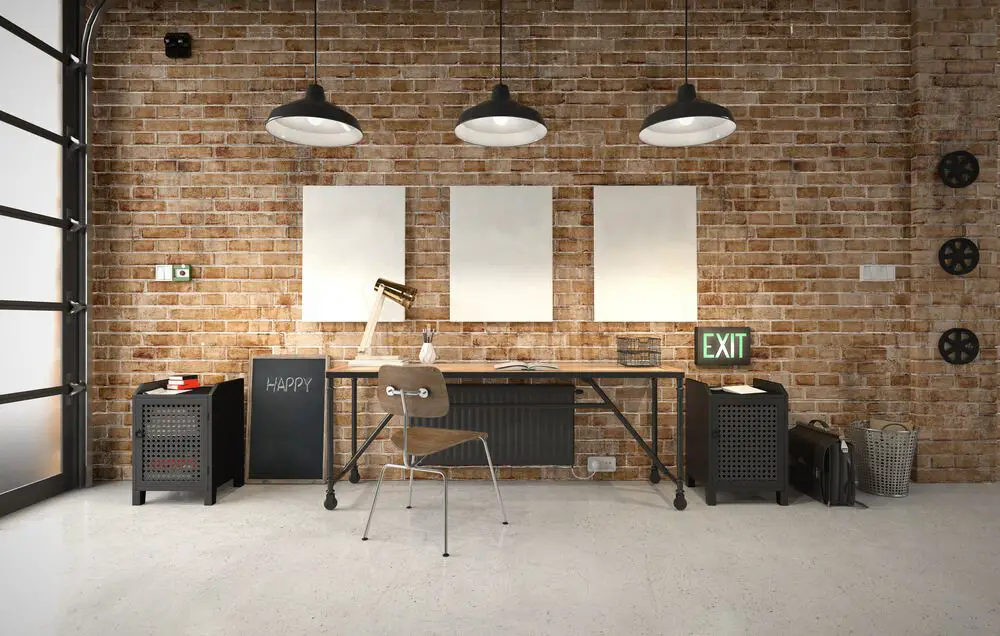
group similar items together

If your home has large walls then this can sometimes cause a problem when decorating within a smaller budget. Trying to fill a large space can get expensive if you are looking at buying large items, such as a full length mirror. However, if you group smaller, cheaper items together then you can fill this gap, save money and add a whole new dynamic design feature to the room.

Tip 18 – Wallpaper offcuts

Do you have any wallpaper offcuts at home? If you do then you can still put these to good use by adding them to staircases or wall borders. They can add a boost of colour to any room whilst also creating a beautifully bespoke design feature. You can find some great examples on Pinterest here.

Tip 19 – Mix and match

It’s almost too easy to go over budget when decorating your home as there is just so much to choose from. Sometimes it really pays to compromise, only on the items themselves, not the style. Mixing different types of furniture is a great way of adding a modern style to any room. For example, a dining room chair isn’t too expensive for one, but if you need 6 then this really adds up. So, instead of this you can simply get two for the ends of the table and then cheaper chairs for the middle. It can still look fantastic and save you money.

Tip 20 – Swap party

Swap parties have become much more popular recently thanks to the fantastic bargains you can get! We all have different tastes so these parties are a wonderfully collective mix of furniture and furnishings. Get swapping with friends and family and have a great time whilst doing it.

Now that you’ve read our 20 tips to save thousands when decorating this year, have a look at How To Use Design Principles To Decorate Your Home.

How To Connect An ADXL345 3 Axis Accelerometer To An Arduino

In this guide, I’ll show you how to connect the ADXL345 3 axis accelerometer to an Arduino using the I2C communication protocol. The ADXL345 is a powerful accelerometer board which provides high resolution (13 bit) measurements up to +/- 16g. The data output is digital and can be accessed through either a 4 wire SPI or I2C digital interface. We will go through the basic connections as well as some of the core functions of the board in order to get your first accelerometer project up and running.

The ADXL345 supports both SPI and I2C communication, however, we are going to be using the I2C communicaiton protocol for two reasons; the first is that it leaves all of your analogue and digital pins open. I2C communication uses the SCL and SDA pins which are separate to your analogue and digital IO pins, unlike SPI communication which requires 4 IO pins. This leaves all of your IO pins available for your project. The second is that you need a 3.5V logic level converter if you are using a 5V Arduino (which are more common) with SPI communication as the accelerometer’s pins are only rated for 3.5V and not the 5V that the Arduino outputs.

This project assumes that you know the basics of Arduino programming, otherwise follow our guide on getting started with Arduino.

What You Need For Your ADXL345 Accelerometer Connection

Breadboard Connection

Prototype Shield Connection

  • An Arduino (Uno Used In This Guide) – Buy Here
  • ADXL345 Accelerometer Board – Buy Here
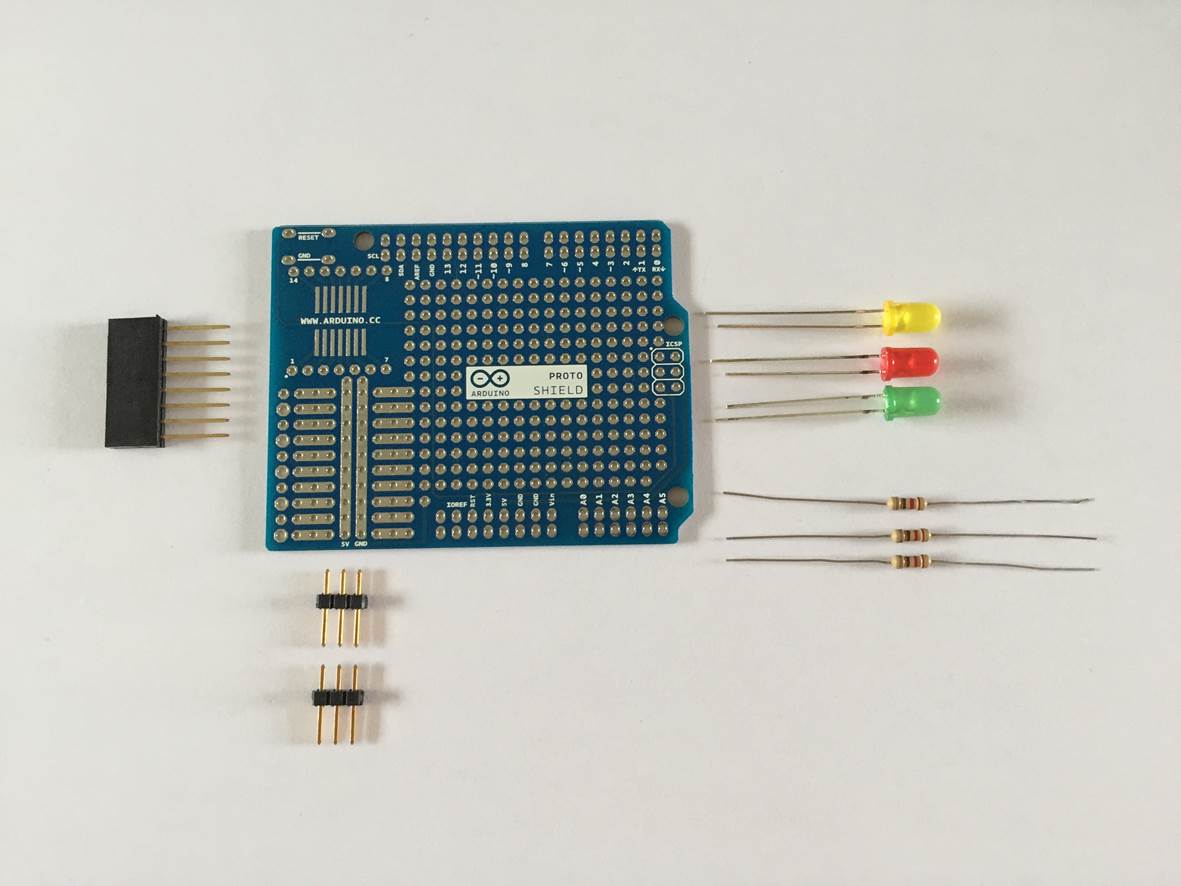
  • Arduino Prototyping Shield – Buy Here
  • 8 Pin Male Header Strip – Buy Here
  • 8 Pin Female Header Strip – Buy Here
  • Shield Male Header Strip Kit – If Not Included On Shield
  • Thin Insulated Wire – Buy Here

How To Connect The Accelerometer To Your Arduino

Before we start with the physical connections to your Arduino, lets have a look at the pins available on the ADXL345 board and their functionality.

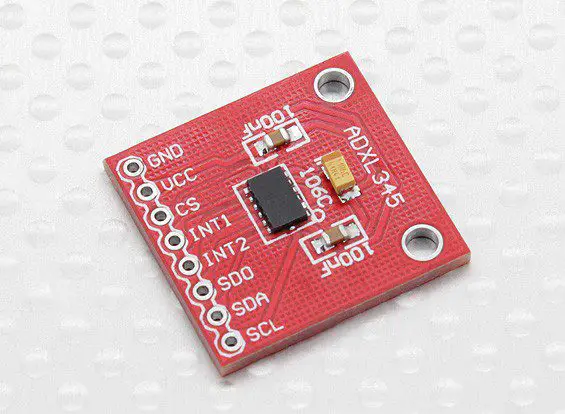
ADXL345 3 Axis Accelerometer

The board has 8 pins with the following functions:

  • GND – Ground
  • VCC – Supply Voltage
  • CS – Chip Select
  • INT1 – Interrupt 1 Output
  • INT2 – Interrupt 2 Output
  • SDO – Serial Data Output (SPI) / I2C Address Select
  • SDA – Serial Data Input (SPI) / I2C Serial Data
  • SCL – Serial Communications Clock

Regardless of whether you are using a breadboard or assembling your board onto a prototyping shield, you’ll need to solder an 8 pin male header strip onto the terminals of your accelerometer board. You then use this strip to plug directly into a breadboard or you can plug it into an 8 pin female header strip which you’ll solder onto your prototyping shield.

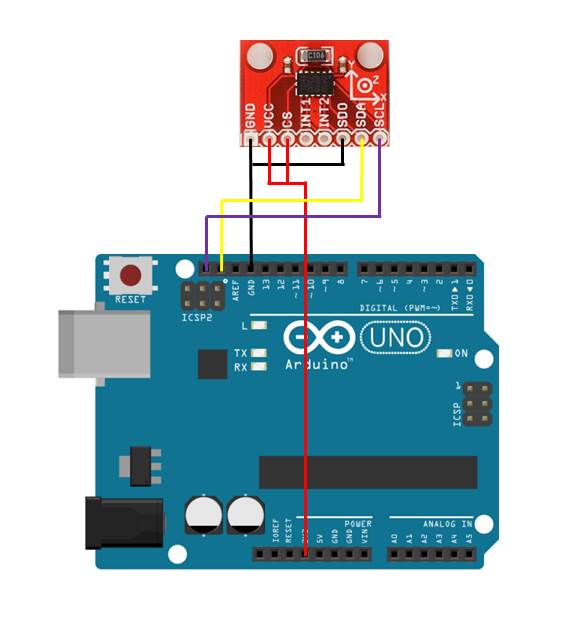
I2C Connection Circuit Diagram

Now that you understand what each pin is being used for and you’ve soldered an 8 pin male header strip onto your accelerometer board, lets have a look at the I2C connection circuit diagram.

ADXL345 Connection Diagram

It is important to note that the Vcc pin is connected to the Arduino’s 3.3V supply and not the 5V supply, if you connect this incorrectly you may permanently damage your accelerometer board.

You’ll also notice that this connection method leaves all of your IO pins available for your project requirements.

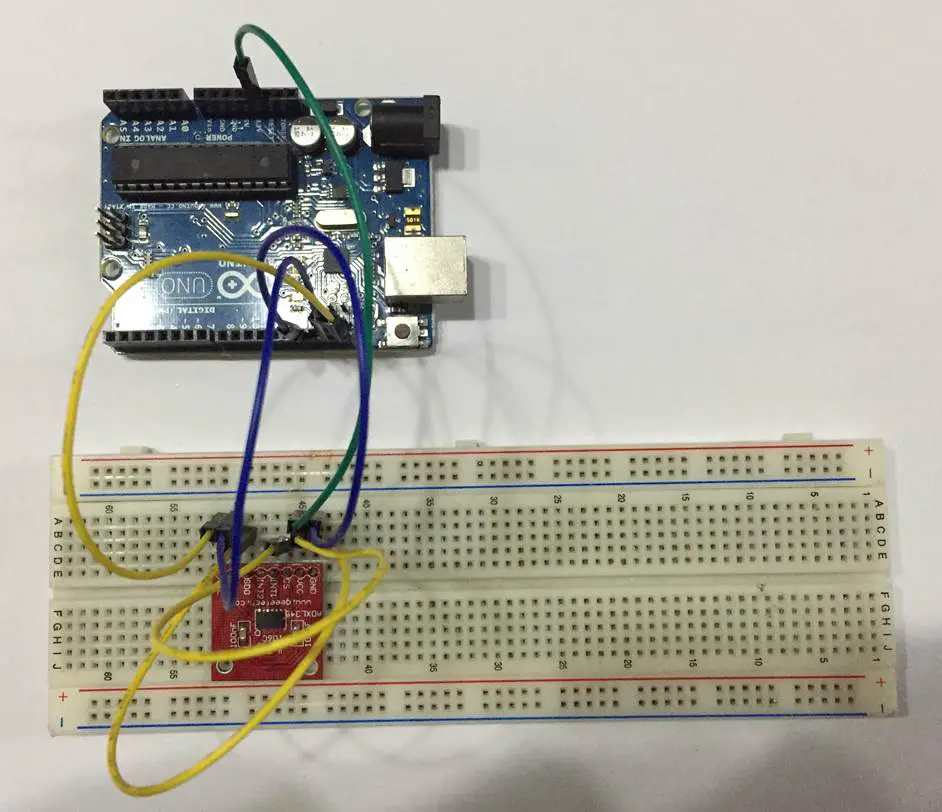
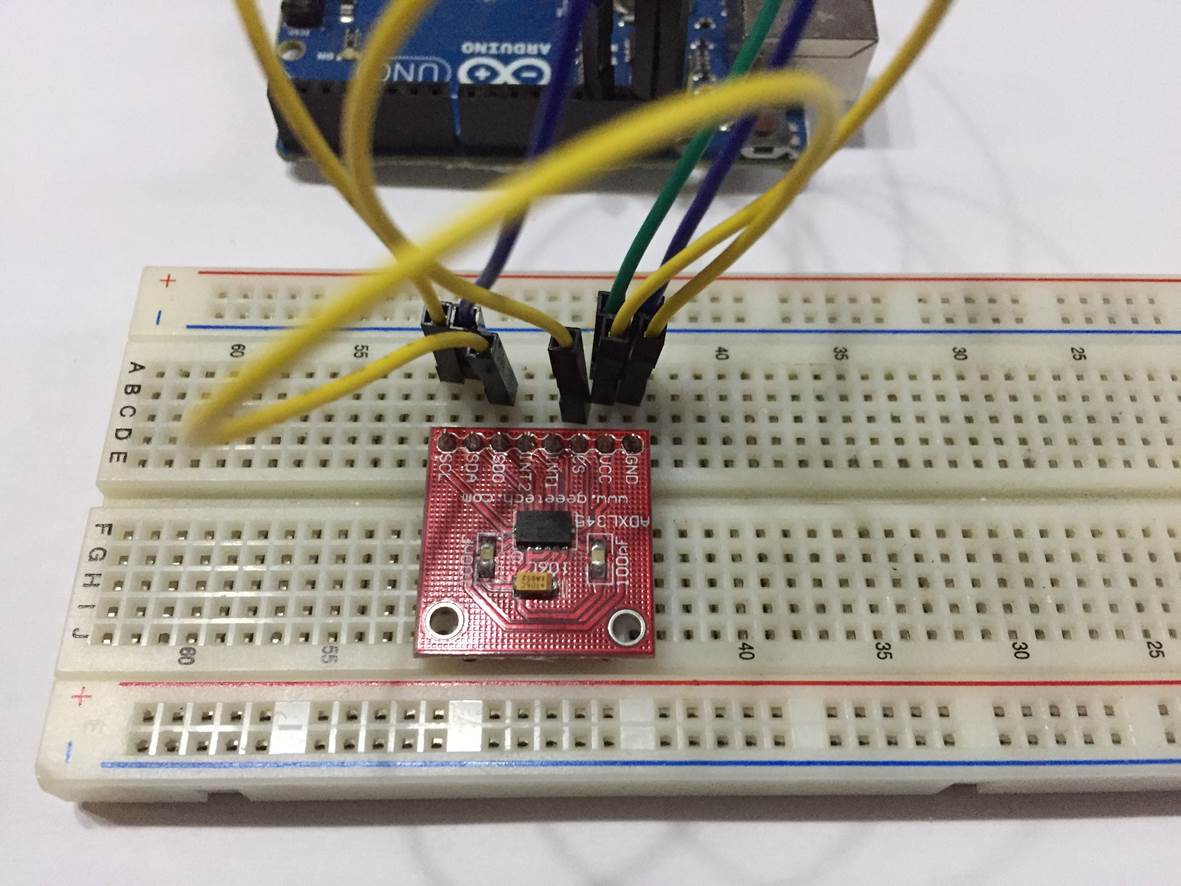
Assemble The Components Onto A Breadboard

The breadboard assembly of this circuit is a really easy way to test the board, it does however have some limitations as this board relies on a good connection to the Arudino to transfer data and you’ll obviously need to move the accelerometer board around a bit to test that it is working. This may cause intermittent communication problems.

Plug the accelerometer board into your breadboard and connect the jumpers across to your Arduino. The final connection should look as follows.

ADXL345 Breadboard Connection 1

ADXL345 Breadboard Connection 2

Assemble The Components Onto A Prototyping Shield

Assembly onto a prototyping shield provides a more reliable connection to the accelerometer although it does require a bit more effort. Solder a 8 pin female header onto the shield for the accelerometer and make the connections to the required pins using some thin insulated wire on the underside of the board. Ensure that you choose a position on the prototyping shield which does not interfere with the components on the Arduino when plugged in.

Prototyping Shield Components

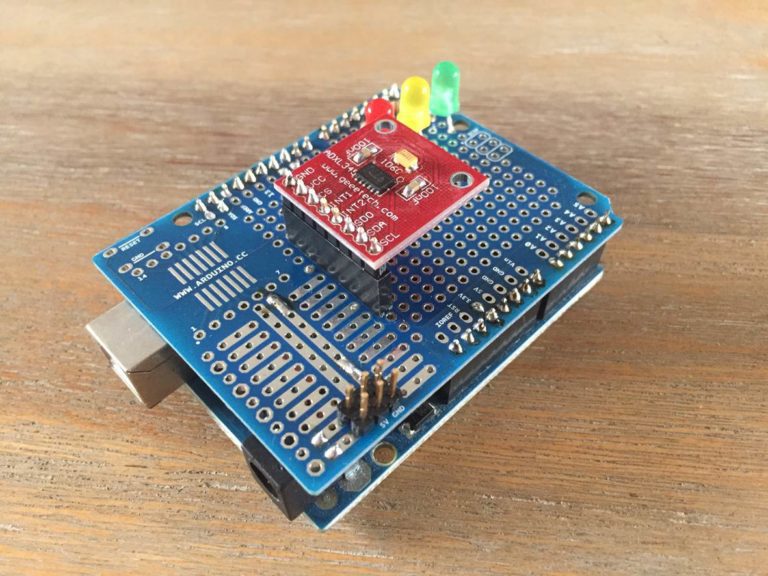
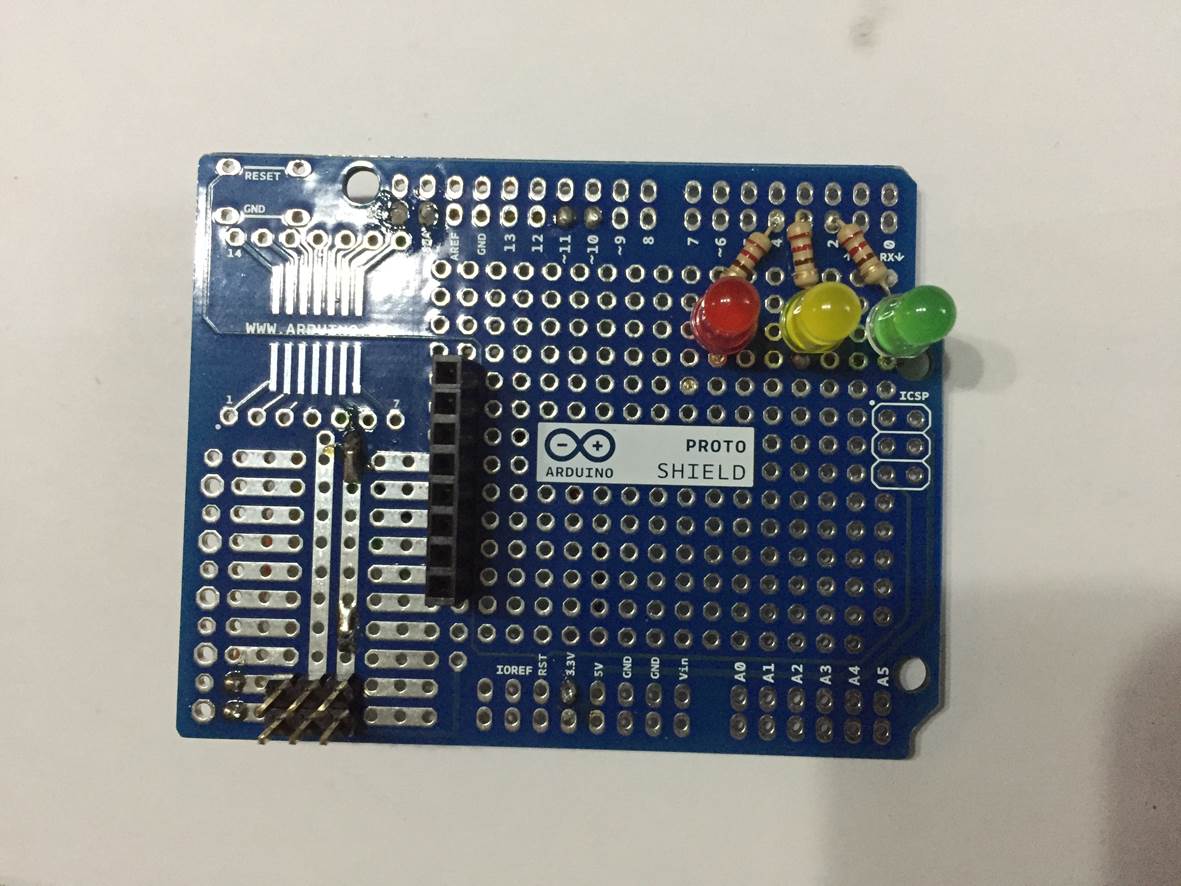
I have added a few more components to the prototyping shield in order to drive two servos and provide a few LEDs for indication.

Prototyping Shield Complete

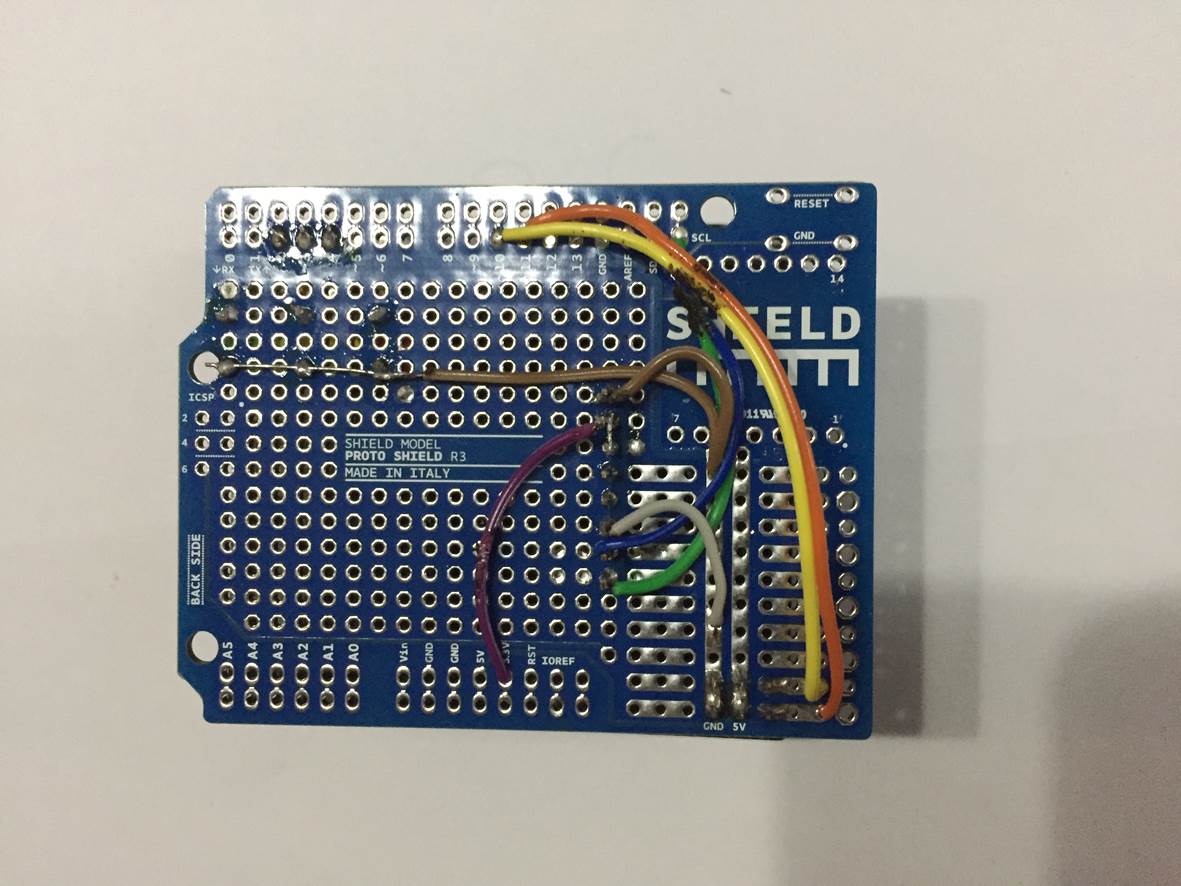
All of the wiring connections have been made on the underside of the prototyping board to keep them protected.

Prototyping Shield Back Side Connections

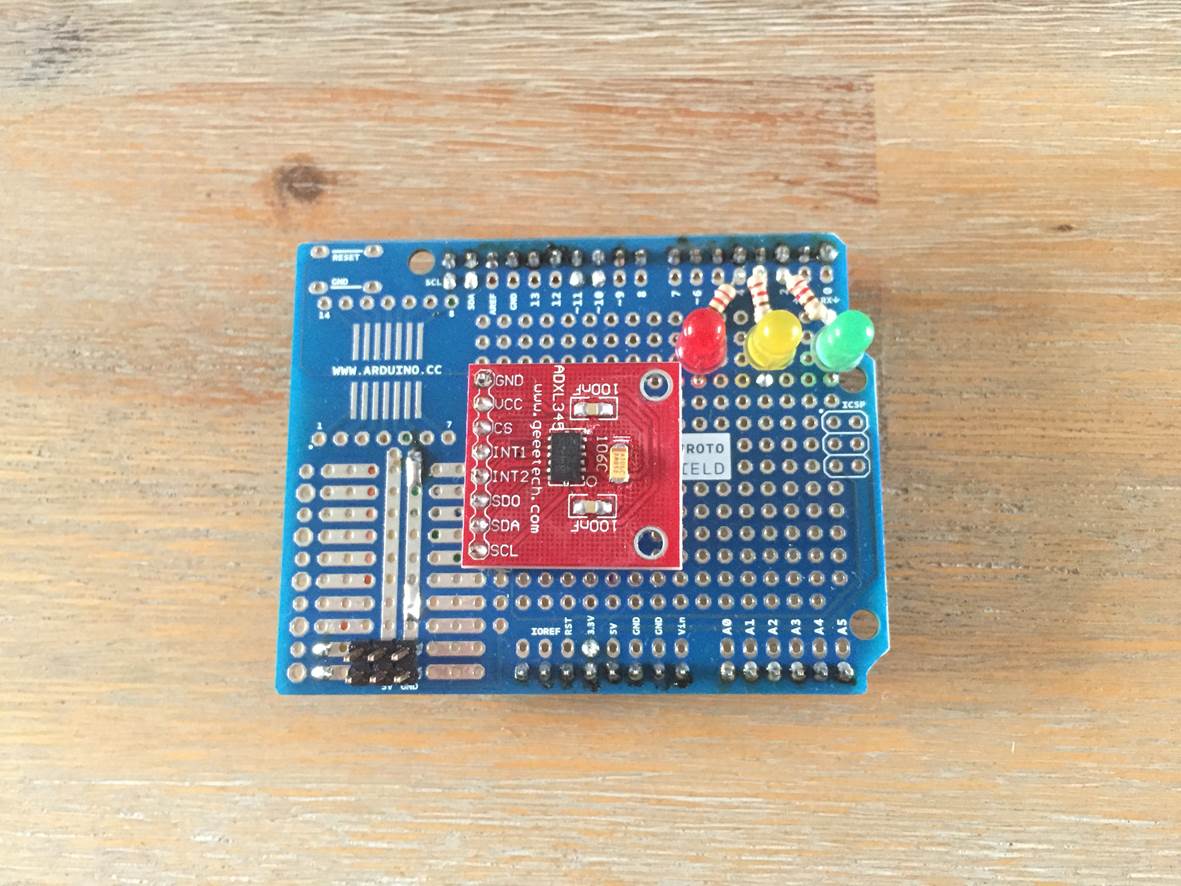
The accelerometer board can then be plugged into the prototyping shield.

Prototyping Shield Complete - ADXL345 Mounted

Double check that all of your connections are correct and your board will then be ready to be tested with the sketch.

Upload The Sketch

The sketch is based on the Adafruit Sensor Library and the ADXL345 library, click on the links provided to download the libraries and install them into your Arduino IDE.

Once you have these two libraries installed, you can load the following sketch and upload it to your Arduino. You’ll need to open your Serial monitor to see the results coming from your board.

The sketch is built into the Adafruit library and can be accessed by clicking on File > Examples > Adafruit_ADXL345 > sensortest

#include <Wire.h>
#include <Adafruit_Sensor.h>
#include <Adafruit_ADXL345_U.h>

/* Assign a unique ID to this sensor at the same time */
Adafruit_ADXL345_Unified accel = Adafruit_ADXL345_Unified(12345);

void displaySensorDetails(void)
{
  sensor_t sensor;
  accel.getSensor(&sensor);
  Serial.println("------------------------------------");
  Serial.print  ("Sensor:       "); Serial.println(sensor.name);
  Serial.print  ("Driver Ver:   "); Serial.println(sensor.version);
  Serial.print  ("Unique ID:    "); Serial.println(sensor.sensor_id);
  Serial.print  ("Max Value:    "); Serial.print(sensor.max_value); Serial.println(" m/s^2");
  Serial.print  ("Min Value:    "); Serial.print(sensor.min_value); Serial.println(" m/s^2");
  Serial.print  ("Resolution:   "); Serial.print(sensor.resolution); Serial.println(" m/s^2");  
  Serial.println("------------------------------------");
  Serial.println("");
  delay(500);
}

void displayDataRate(void)
{
  Serial.print  ("Data Rate:    "); 
  
  switch(accel.getDataRate())
  {
    case ADXL345_DATARATE_3200_HZ:
      Serial.print  ("3200 "); 
      break;
    case ADXL345_DATARATE_1600_HZ:
      Serial.print  ("1600 "); 
      break;
    case ADXL345_DATARATE_800_HZ:
      Serial.print  ("800 "); 
      break;
    case ADXL345_DATARATE_400_HZ:
      Serial.print  ("400 "); 
      break;
    case ADXL345_DATARATE_200_HZ:
      Serial.print  ("200 "); 
      break;
    case ADXL345_DATARATE_100_HZ:
      Serial.print  ("100 "); 
      break;
    case ADXL345_DATARATE_50_HZ:
      Serial.print  ("50 "); 
      break;
    case ADXL345_DATARATE_25_HZ:
      Serial.print  ("25 "); 
      break;
    case ADXL345_DATARATE_12_5_HZ:
      Serial.print  ("12.5 "); 
      break;
    case ADXL345_DATARATE_6_25HZ:
      Serial.print  ("6.25 "); 
      break;
    case ADXL345_DATARATE_3_13_HZ:
      Serial.print  ("3.13 "); 
      break;
    case ADXL345_DATARATE_1_56_HZ:
      Serial.print  ("1.56 "); 
      break;
    case ADXL345_DATARATE_0_78_HZ:
      Serial.print  ("0.78 "); 
      break;
    case ADXL345_DATARATE_0_39_HZ:
      Serial.print  ("0.39 "); 
      break;
    case ADXL345_DATARATE_0_20_HZ:
      Serial.print  ("0.20 "); 
      break;
    case ADXL345_DATARATE_0_10_HZ:
      Serial.print  ("0.10 "); 
      break;
    default:
      Serial.print  ("???? "); 
      break;
  }  
  Serial.println(" Hz");  
}

void displayRange(void)
{
  Serial.print  ("Range:         +/- "); 
  
  switch(accel.getRange())
  {
    case ADXL345_RANGE_16_G:
      Serial.print  ("16 "); 
      break;
    case ADXL345_RANGE_8_G:
      Serial.print  ("8 "); 
      break;
    case ADXL345_RANGE_4_G:
      Serial.print  ("4 "); 
      break;
    case ADXL345_RANGE_2_G:
      Serial.print  ("2 "); 
      break;
    default:
      Serial.print  ("?? "); 
      break;
  }  
  Serial.println(" g");  
}

void setup(void) 
{
#ifndef ESP8266
  while (!Serial); // for Leonardo/Micro/Zero
#endif
  Serial.begin(9600);
  Serial.println("Accelerometer Test"); Serial.println("");
  
  /* Initialise the sensor */
  if(!accel.begin())
  {
    /* There was a problem detecting the ADXL345 ... check your connections */
    Serial.println("Ooops, no ADXL345 detected ... Check your wiring!");
    while(1);
  }

  /* Set the range to whatever is appropriate for your project */
  accel.setRange(ADXL345_RANGE_16_G);
  // displaySetRange(ADXL345_RANGE_8_G);
  // displaySetRange(ADXL345_RANGE_4_G);
  // displaySetRange(ADXL345_RANGE_2_G);
  
  /* Display some basic information on this sensor */
  displaySensorDetails();
  
  /* Display additional settings (outside the scope of sensor_t) */
  displayDataRate();
  displayRange();
  Serial.println("");
}

void loop(void) 
{
  /* Get a new sensor event */ 
  sensors_event_t event; 
  accel.getEvent(&event);
 
  /* Display the results (acceleration is measured in m/s^2) */
  Serial.print("X: "); Serial.print(event.acceleration.x); Serial.print("  ");
  Serial.print("Y: "); Serial.print(event.acceleration.y); Serial.print("  ");
  Serial.print("Z: "); Serial.print(event.acceleration.z); Serial.print("  ");Serial.println("m/s^2 ");
  delay(500);
}

You’ll need to remove the if statement in lines 112 to 114 if you’re using an Arduino Uno else you’ll get a compiler error.

In the serial monitor, you’ll get a read out of the initialisation data followed by a periodic reading of the X, Y and Z axis acceleration data. If you move the sensor around a bit, you’ll see these values changing.

You should now have enough information to take pieces from the code and use them to build your next accelerometer project.

You may be interested in building a balancing robot using one of these sensors, you could try giving it the ability to avoid obstacles with an ultrasonic sensor, have a look at our guide on Connecting An Ultrasonic Sensor To An Arduino.

Open House DIY Tips: How to Increase the Value of Your Property

Hosting an open house is a great opportunity to appeal to prospective buyers and create a positive first impression. However, it’s important that you enchant them on this occasion in order to ensure a great sale price. From minor repairs to simple decorating changes, there’s plenty of ways to style up your home and increase its value. Not only will you attract top buyers, but you’ll actually be able to get a high return on investment.

While you’re at it, have a look at these 10 Easy DIY Upgrades To Do This Weekend To Increase Your Home’s Value.

Enhance the Curb Appeal

You may not want to judge a book by its covers, but potential buyers will definitely judge your home by its exterior. The curb appeal of your property is the first thing buyers will notice, so make sure to style it up.

You don’t have to go with major remodelling projects, but with simple, impactful changes. From pulling out weeds, mowing the lawn and trimming the bushes to sweeping the driveway and lining the pathway with colourful flowers or painted stones, there’s plenty of DIY ideas that can enhance your home’s curb appeal and wow prospective buyers to increase it’s value.

Make the Entrance Stand Out

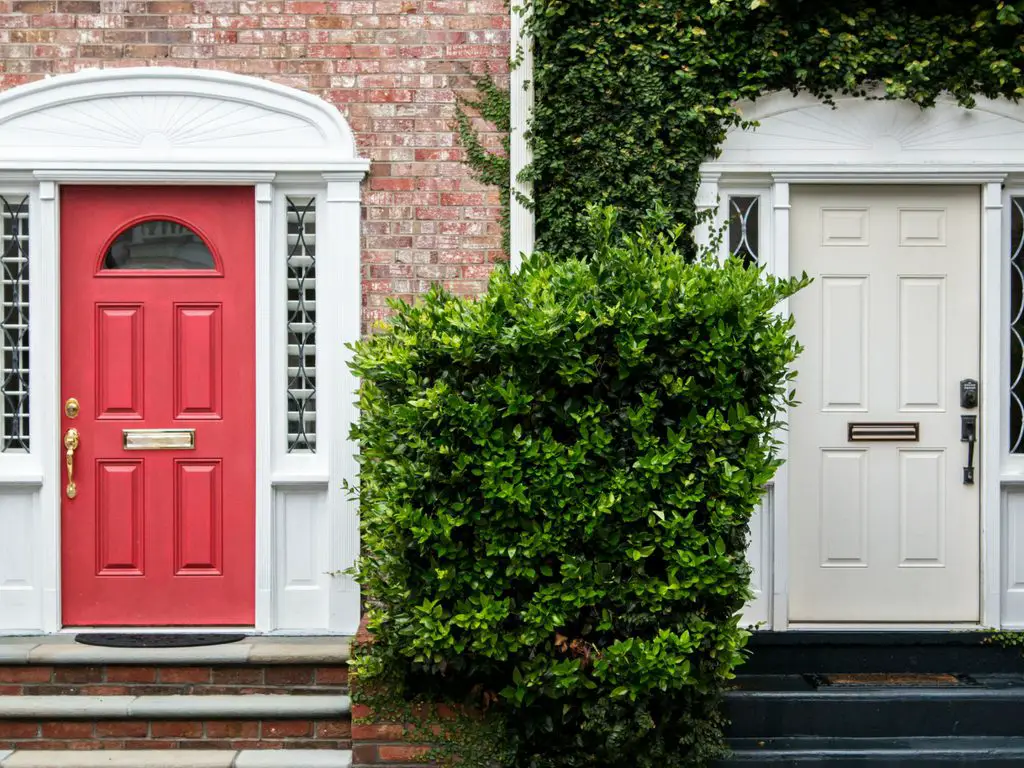
Make Your Entrance Stand Out

The front door is the focal point of your home’s exterior that needs to stand out. Furthermore, a worn-out entry door can lower your home’s value – nobody wants a door with cracks or paint peeling off. Thus, you should make sure that your front door stands out in a good light.

You can paint it in a different, but complementary hue or change the doorknob and add a house number. If it’s in a great condition, you can place potted flowers on both sides or fix the broken lanterns. These small changes can give your entrance a new look that will let it truly shine.

Grab a Bucket of Paint

Painting your walls is quite simple – it requires little effort, but it can completely transform your space. You don’t even have to repaint all the walls, but simply paint a single one in a different hue and transform it into an accent detail.

If you decide to paint the interior entirely, you should opt for a soft, neutral palette that will create an ambiance of comfort and appeal to most buyers. However, a single wall painted in a bold shade can enhance a certain feature, such as a lovely fireplace or a beautiful window with a view. Nonetheless, the accent colour should still fit into the general scheme and create a harmonious look.

Clean and Freshen Up

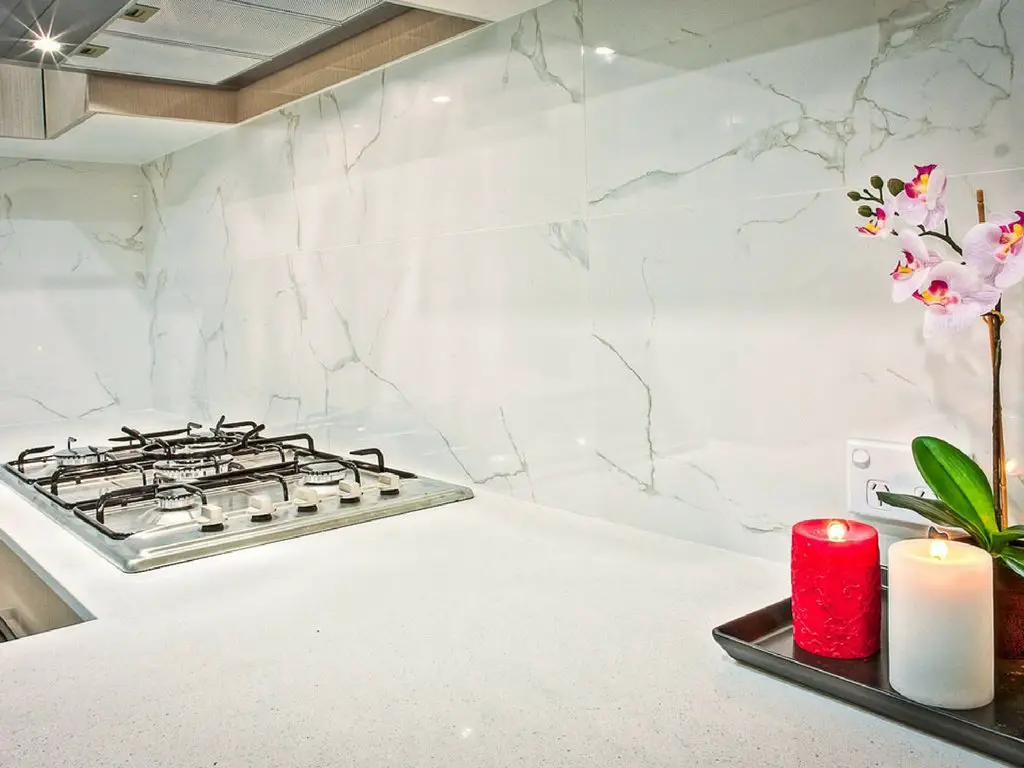
Clean And Freshen Up

No matter how stylish your home might be, buyers won’t even notice it if it’s cluttered and messy. Therefore, you need to make sure that your home is spotless and clutter-free. Not only will this make it more pleasant, but it will also make it seem more spacious and open.

Apart from dusting, vacuuming and cleaning the carpets and rugs, you should also create an airy atmosphere. This is particularly important if you’re hosting an open house during summer, which isn’t the peak selling season. Thus, you should add the best air purifier you can find to increase your indoor air quality and create a breezy atmosphere. Not only will the fresh air create a healthy atmosphere, but it will also make your home more pleasant and inviting.

Let the Sunlight In

Buyers love homes bathed in natural light, so make sure to let the sunshine in. Remove heavy drapes and place light curtains that will allow natural light to permeate your home. Your windows should be spotless, so don’t forget to clean possible stains or smudges.

However, if your home doesn’t get enough natural light, you should consider installing LED lights. These emit a bright glow similar to sunlight, so your home will appear brighter. Another solution entails introducing plenty of mirrors that will reflect the sunlight throughout your home. In addition, mirrors can elevate your home décor, too.

Create a Homely Atmosphere

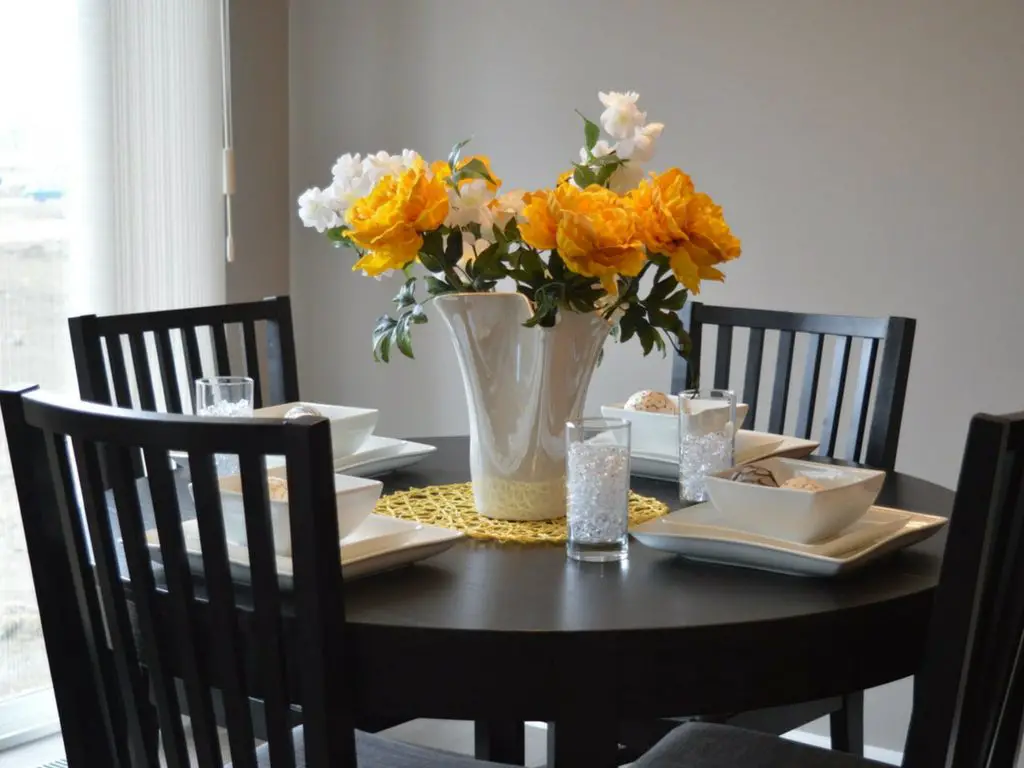
Create A Homely Atmosphere

Although you should remove your personal and family belongings, your home shouldn’t look as if nobody lived there. It should still have a warm, welcoming appeal that will enable potential buyers to imagine themselves living with their families there.

Thus, you should make sure that your space has certain homey comforts, such as soft pillows, blankets and rugs. Introducing soft materials will help you create a cosy look. Furthermore, lighting can also make your home seem warm and inviting, so make sure to install several layers of light, including general, task and accent lights.

Decorate with Style

Decorations will add the finishing touch to your home, but you should avoid building up clutter. Instead, choose just a few impactful pieces that will give personality to your space. Several paintings, stylish groupings, fresh flowers and greenery are always a great way to create a complete, classic look that will add value and appeal to everyone.

There’s no need to give your home a complete makeover to increase its value. With these simple steps and easy changes, you can easily style it up for the open house day.

If you enjoyed this article, have a look at these 8 DIY Projects To Increase Your Home’s Value.

12 Tips for Organizing Your Closet

Most of us had some sort of experience as a kid being told to clean up our room or organize our closet. Some of us were lucky enough for that advice to stick, but for the rest of us – the people reading this article, I’d imagine – we haven’t had the time or dedication to develop our closet cleaning skills. Or maybe you’re just looking for some extra ideas that can help you turn your closet into an organized work of art. Or you just have OCD.

Whatever the reason you’re here, we’re going to give you something to take away. Today we’re going to outline the 12 coolest tips that you can use to help keep your closet organized.

If your home is feeling cluttered, here are 24 Tips On Becoming A Minimalist, Start Living The Simple Life.

1. Consider expanding

The closet doesn’t have to be the only storage room in your house. This can be one of the main reasons that leads to people developing some seriously overstuffed closets. If you’ve got extra room in your house, you should consider expanding your closet to encompass some of that space.

If you don’t have extra space, you can make some – you can just stick some wall racks or hangers up in your bedroom or in a hallway or in your bathroom. It’s impressive how much space you can create out of nothing.

2. Organize by height

One cool tip to help keep things easily accessible is to arrange your closet in accordance to what you wear the most and what you wear the least. You can store the things that you use all the time at eye level or body-height so they’re easily accessible, and stash things that you don’t wear very often below or above them.

You can put things you hardly wear, like celebratory shoes, on a rack at the very top. This area can house things that you’ll only need for specific occasions.

3. Get rid of some clutter

Unless you’re a meticulous closet-keeper, chances are there are some things in your closet that you don’t use. Heck, even people who keep their closet clean all the times are sometimes just reorganizing garments that they never use anymore.

Look at everything you haven’t worn in a few months. Chances are it’ll be hard to toss these things if they have sentimental memories attached to them, but the reality is is that if you haven’t worn it in a few months, the only time you ever think about it is when you see it in your closet. You won’t miss it once it’s gone.

4. Coordinate your hangers

You can coordinate your hangers so you can see what sort of items you’re looking through in any area. You can do this by colour coding them or getting a certain type of hanger for dresses, one type for jeans, one type for shirts, etc. This will also help your closet look fantastic in addition to making it easier for you to access things.

5. Use containers

Storage containers can go a long way, and you can use them to help organize your closet so you don’t just have things hanging. Many storage containers come with multiple levels so you can keep all sorts of different things organized without having to rifle through a single storage box.

Hanging organizers can also be utilized to provide an attractive, easily accessed storage area that allows you to use space that would have otherwise just been occupied by air.

6. Get some dividers or labels

Dividers are a great way to turn your bigger, bulkier shelves into more organized compartments. Dividers allow you to split up folded clothes from towels or other accessories while still allowing you to conserve as much space as possible.

Another way is by using printable labels for organizing stuff in your closet. You can grab some labels from your local craft store or create your own custom labels.

7. Make sure your closet is well-lit

You’ve probably had at least one experience where you’re looking for something and once you find it you realize that you must have glanced over it two or three times before you actually realized where it was.

This can be caused by improper lighting. Lighting a closet might not seem like the most immediate need but it will save you a lot of time and energy to get a light that actually illuminates all corners of your closet.

8. Replace your doors

We all know how much space a door can take up if it swings out. It can make it virtually impossible to access a certain area of your closet, or it can at least make it extremely inconvenient for you to do it because you’ll have to dance around the door while you close it in order to access whatever it’s blocking off.

You can replace it with a curtain or some sort of screen if you want to save the space that the door occupies when it swings open.

9. Use stackables

There are a lot of stackable containers that you can use to store things that will easily fit into each other when they’re not in use. This will allow you to only use storage as you need it and can also encourage you to keep getting rid of things that you don’t need anymore.

Laundry baskets and totes can fit into each other and can even hold items in them while they’re being stacked on top of each other.

10. Get some hooks

If you have empty wall space in your closet, think about all the stuff you could fit in your closet if you turned that wall space into storage space!

All you need to do is get some coat hooks. Coat hooks aren’t just for coats – you can hang shirts, dresses, hats, and all manner of things on a coat hook. This will allow you to clear up some space for your clothes hangers that you can put other garments on.

11. Colour code

One of the coolest things you can do with your closet is color code things. Colour code the different sections – you can colour code the things hanging on hooks and hangers, colour code your shoes and socks, colour code your pants.

Not only does this have a tremendous impact on how easy it is to find things in your closet, it also makes your closet look like a work of art. Instead of walking into an unorganized mess of hanging clothes, you’ll be walking into your own personal feng shui domain – and it’ll all be feng shui that you can wear. This also makes it a lot easier for you to pick the clothes you want to wear for the day.

12. Get some out-of-closet storage

Things like suitcases or boxes can be used to keep items that you only use in certain seasons out of your closet to clear up space for other things. Wool blankets and things of that nature can be stored in nice-looking containers in other areas of your house so they’ll double as decorations and also free up space in your closet.

If you enjoyed this post, why not try to Organise Under Your Kitchen Sink.

How To Modify A Servo For Continuous Rotation

Modifying a servo for continuous rotation opens up a number of possibilities for new Arduino projects, the modified servos essentially function as a PWM variable speed and direction motor which can easily be controlled by an Arduino or similar micro controller. This is a fairly simple modification to do and the process will be similar for many different servo models and sizes.

Do you have an old servo with stripped gears? Here’s a guide to repairing your stripped servo gears for under a dollar.

What You Need To Modify A Servo For Continuous Rotation

  • Analogue Servo – Turnigy TG9e Used Here
  • Precision Screwdriver Set – Buy Here
  • Side Cutters – Buy Here
  • Small Drill Bit Set – Buy Here
  • Electric Drill – Buy Here
  • Needle Nose Pliers – Buy Here
  • Electrical Insulation Tape – Buy Here

How To Modify The Servo For Continuous Rotation

The video below takes you through the step by step process to modify your servo for continuous rotation. A list of steps has also been provided after the video.

Steps To Modify Your Servo

  1. Remove the servo arm.
  2. Use a philips screwdriver to remove the four screws at the bottom of the servo.
  3. Remove the top gear cover.
  4. Remove the first, largest gear. The one which on which the servo arm is mounted.
  5. If you turn this gear over, you’ll see a stopper which mechanically limits the rotation of this gear. This stopper runs into the  adjacent gear when the arm reaches its travel limit. Use the side cutter to remove this stopper as close as possible to the gear.
  6. Next you’ll need to drill the hole in this gear slightly larger so that the gear turns freely on the potentiometer arm/shaft without being too loose. Some gears, like the one in this video, actually have a flat landing which locates the gear on the potentiometer arm for position control. This needs to be removed by drilling right through the gear.
  7. Replace the large gear onto the potentiometer shaft.
  8. Replace the top gear cover.
  9. Remove the stickers on the side of the servo which also hold the bottom cover in place.
  10. Remove the bottom cover and then move the small circuit board out of the housing and away from the potentiometer.
  11. Use a screwdriver to remove the small plastic cover which protects the potentiometer terminals.
  12. Now use your needle nose pliers to remove the three wires from the potentiometer terminals.
  13. Stripe the insulation off of the three wires and twist them together to make a secure connection.
  14. Cover the joint with insulation tape to prevent a short circuit on the circuit board.
  15. Flatten the potentiometer terminals to make place for the insulated joint.
  16. Push the plastic cover back into place.
  17. Replace the circuit board.
  18. Replace the bottom cover.
  19. Replace the four screws and tighten them to secure the top and bottom covers.
  20. Your servo has now been modified for continuous rotation. Your servo will now run continuously in each direction and will be speed controllable around the mid point of the PWM signal.

Have you got a good idea for a servo based Arduino project? Try building your own servo controlling xduino board.

Have you modified one of your servos for continuous rotation? Let us know in the comments section below.

How To Replace Stripped Servo Gears – Example Done On Turnigy TG9e

If you’ve ever used servos, particularly micro servos for RC or robotics projects then you’ve likely encountered stripped servo gears. You can hear the motor turning inside the servo but the servo arm movement is limited or erratic. The good news is that this doesn’t mean that you need to throw the servo out, in fact replacement gear sets are available online for under a dollar. This guide takes you through the replacement step by step.

Once you’ve got your servo working again, why not use it to build an Arduino based solar tracker?

What You Need To Replace Stripped Servo Gears

  • Servo With Stripped Gears
  • Replacement Gear Set – Buy Here
  • Precision Screwdriver Set – Buy Here
  • White Lithium Grease (Optional) – Buy Here

How To Replace The Stripped Servo Gears

You’ll want to work at a clean work bench so that you don’t lose any of the small parts and you don’t get any dirt into the replacement set. Dirt in the gear teeth will dramatically reduce the gear life and may even burn the motor out due to sticking.

Follow the guide in the video below in order to replace your servo gears. The steps are listed below the video as well.

Replacement Steps

  1. Remove the four bottom screws
  2. Pull the top gear cover off
  3. Remove the gears and identify the stripped gear. You may want to replace just the stripped gear or all of the gears.
  4. Check inside the gear cover to make sure there are no pieces of gear teeth left stuck in the grease. These teeth may get caught in the new gears and strip them as well.
  5. Fit the replacements, starting with the gear with the finest teeth and working up towards the gear with the largest teeth. They will only fit in one order so don’t force them.
  6. The final gear, the one on which the servo arm sits, usually has a locating flat surface which turns the potentiometer. Make sure that this lines up correctly or the gear won’t go onto the shaft.
  7. Add a drop of white lithium grease onto the teeth. This is optional but it does dramatically improve the life of your new set.
  8. Replace the top gear cover.
  9. Replace the four bottom screws and screw the cover back on.
  10. Replace your servo arm and your servo is ready to be used again.

Have a look at some of our other Arduino projects.

Have you done a gear replacement on one of your servos? Was your servo slightly different inside? Let us know in the comments section below.

Chimney Fires 101

Let’s be honest: of all the places in your home that you could have an out-of-control fire, the chimney seems like an “okay” spot for it. After all, aren’t hearths designed to contain fires? And aren’t they built to withstand smoke and heat?

Unfortunately, while they are usually capable of dealing with decent-sized flames in a connected fireplace, that situation is a far cry from the chimney itself being on fire. Chimney fires are destructive, costly to recover from, and potentially quite dangerous. Read on for more information about this phenomenon, including ways to prevent it from happening in your home.

Here’s a useful check list to go through every fall to prepare your home for the winter months.

Why Chimney Fires Occur

More often than not, chimney fires start when built-up creosote inside the structure ignites. Creosote is a byproduct of wood combustion; it consists mainly of tar, is tacky to the touch, and is highly flammable. Traces of the stuff can be found in smoke, and when smoke rises up from a fireplace, it mingles with cold air and water vapor.

This causes the creosote to solidify and stick to the liner (or the brickwork itself, if the chimney is unlined). Creosote is more likely to accrue in chimneys with poor ventilation, but because a buildup of creosote can cause ventilation issues, creosote essentially exists in a self-perpetuating cycle. In severe cases, all it takes is a single, errant spark to ignite all of the accumulated creosote in a chimney.

Improperly installed or maintained liners can also cause issues if they fail to contain the sparks and embers naturally produced by a hearth fire. Although the liner is designed to withstand the high temperatures of open flames and cinders, the rest of the chimney (and the surrounding areas, especially your attic) can’t handle the heat and combustion so easily. Again, a few errant sparks can be the beginning of a blazing inferno.

The Scene of the Crime

Odd as it may sound, some chimney fires go completely unnoticed. While it’s possible (and quite easy) for chimney fires to spread to a house’s roof or attic, it’s also not uncommon for them to run out of oxygen and fizzle out without ever leaving the flue. And because people generally don’t spend much time staring at their chimneys, they just don’t realize that anything is amiss. It’s not until later, when they’re having it inspected for whatever reason, that a technician informs them that they dodged a bullet.

Here are some signs of fire damage in chimneys:

  • Caked-on creosote having a “puffy” or honeycomb-like appearance.
  • Warping of metal internal mechanisms.
  • Flue tiles that are damaged, loose, or missing large chunks.
  • Visible damage to (or warping of) the chimney cap.
  • Scorch marks on the flashing or roof.
  • Cracks or smoke damage to the chimney’s mortar or brickwork.
  • Chunks or flakes of creosote outside the chimney itself.

Now, these are subtle signs that are detectable after the fact. Signs that a chimney is currently on fire include:

  • Cracking, popping, or rumbling noises coming from within the structure.
  • Thick, black smoke pouring from the top of the chimney. While some smoke is normal when a fuel source is burned in the fireplace, smoke will be noticeably darker and denser.
  • Visible flames shooting out of the top of the chimney.
  • A “burnt” smell or intense heat radiating from the chimney, especially if the fireplace is not currently in use.

If you happen to notice that your chimney is currently burning, you should immediately evacuate your home and call 911! Don’t make the mistake of assuming that the fire will put itself out; house fires are not the kind of thing that people should gamble on!

One way to help keep the fire at bay until emergency services arrive is to take a garden hose and soak your chimney’s flashing and the surrounding area with water; this will reduce the likelihood that the fire will spread to your roof. However, please only attempt this technique if you can do so without putting yourself (or others) in harm’s way!

Beat the Heat

The number one way to prevent chimney fires is to have it professionally inspected and cleaned annually. A licensed technician will be able to examine every inch of your chimney and fireplace to verify that everything is working properly. If something is amiss, it’s best to catch and solve the problem before it escalates.

Chimney caps can also be critical for fire prevention. A humble cap can do wonders for keeping debris (e.g., sticks, leaves, airborne pieces of garbage) and animals from getting inside and causing blockages. Not only will blockages contribute to creosote buildup, but the detritus itself may essentially become kindling for any fire that erupts.

Chimney fires can be destructive (and a more than a little frightening), but the good news is that they’re fairly easy to prevent. As with all other structural issues in your home, it’s absolutely critical that you pay attention and perform regular maintenance. If you suspect that something is wrong, it’s never a good idea to simply ignore the situation in hopes that it will resolve itself. So tackle problems as soon as you notice them…or hand the job over to a professional. Cleaning and repairing a chimney is a dirty job, but someone’s gotta do it!

10 Arduino Sensor Modules You Can Buy For Less Than $5

When you’re stuck for ideas for your next Arduino project, and easy place to start is by looking for a sensor to learn to use. Once you’ve got the sensor up and running, you’ll be able to find an application for it and turn it into a project. Here are 10 different modules which are available on Amazon and eBay for under $5, in fact most of them are under $2.

HC-SR04 Ultrasonic Distance Measuring Sensor

HC-SR04-Ultrasonic-Sensor

The ultrasonic distance measurement module uses ultrasonic sound waves to measure the distance between itself and an object. It is a really easy module to use and an entire Arduino library exists to assist you with programming your Arduino to operate with it. Here’s the purchase link for the HC-SR04 Ultrasonic Distance Measuring. Here’s our guide on using the ultrasonic module with your Arduino.

Speed Sensor Module

Speed Sensor Module

This tachometer allows you to measure the speed of a motor. It can be used to measure both the speed and position of a motor. Here’s the purchase link for the Speed Module.

Photoresistor Module

Photoresistor Sensor Module

The photoresistor module allows your Arduino to be triggered through a digital input when a certain level of light is detected. The light level set point can be set through the on board potentiometer. Here’s the purchase link for the Photoresistor Module. You could try build your own lightning camera trigger using this module.

Barometric Pressure Module

BMP280 Pressure Sensor Module

Barometric pressure can be used to determine the height of your robot or projectile or as a sensor on your weather or home automation system. Here’s the purchase link for the BMP280 Pressure Module.

5V Relay Module

5V Relay Module

A relay module allows you to switch and control a wide range of devices which the Arduino is not able to provide enough current to switch itself. Here’s the purchase link for the 5V Relay Module.

Sound Level Microphone Detection Module

Sound Level Microphone Detection Module

This sound level sensor module has two different outputs, one which is a set point set by the on board potentiometer which triggers the output at a certain sound level and the second provides a scaled voltage output for the instantaneous sound level. Here’s the purchase link for the Sound Level Microphone Detection Module.

Infrared Obstacle Avoidance Sensor (Pack of 4)

Infrared IR Obstacle Avoidance Sensor This module can be used to detect objects in front of the sensor between 2cm and 30cm. It is all adjusted on the module and the Arduino simply monitors its single output pin. This is one of the more useful and cheapest modules on this list as you get 4 in a pack for under $3! Here’s the purchase link for the Infrared Obstacle Avoidance.

3 Axis Accelerometer Gyroscope Module

3 Axis Accelerometer Gyroscope ModuleThis module is used to measure the acceleration and inclination of an object. It can be used to build a gesture based controller or is also commonly used for drone applications. Here’s the purchase link for the 3 Axis Accelerometer Gyroscope Module.

Pyroelectric Infrared PIR Motion Detector

Pyroelectric Infrared PIR Motion Detector

This module is a PIR motion detector which uses infrared to detect humans and pets. It can be used to turn lights on and off or create a simple alarm system. Here’s the purchase link for the Pyroelectric Infrared PIR Motion Detector.

Soil Hygrometer Sensor Module For Moisture

Soil Hygrometer Moisture Sensor

In a pack of 5 for under $5, this sensor is also a bargain. These sensors can be used to automate your garden watering process or to water your indoor plants. It’s the beginning of an interesting addition to your home automation system. Here’s the purchase link for the Soil Hygrometer Module For Moisture.

Now that you’ve found a few new sensors to work with, you should have a few ideas for some new projects. If you’re still looking for new ideas, have a look at the projects in this book:

Practical Arduino Projects
Practical Arduino Projects – Available as an eBook or in Print.

Pin this article:

10 Arduino Modules You Can Buy For Less Than $5