

Home Blog Page 38

12 Tips for Organizing Your Closet

Most of us had some sort of experience as a kid being told to clean up our room or organize our closet. Some of us were lucky enough for that advice to stick, but for the rest of us – the people reading this article, I’d imagine – we haven’t had the time or dedication to develop our closet cleaning skills. Or maybe you’re just looking for some extra ideas that can help you turn your closet into an organized work of art. Or you just have OCD.

Whatever the reason you’re here, we’re going to give you something to take away. Today we’re going to outline the 12 coolest tips that you can use to help keep your closet organized.

If your home is feeling cluttered, here are 24 Tips On Becoming A Minimalist, Start Living The Simple Life.

1. Consider expanding

The closet doesn’t have to be the only storage room in your house. This can be one of the main reasons that leads to people developing some seriously overstuffed closets. If you’ve got extra room in your house, you should consider expanding your closet to encompass some of that space.

If you don’t have extra space, you can make some – you can just stick some wall racks or hangers up in your bedroom or in a hallway or in your bathroom. It’s impressive how much space you can create out of nothing.

2. Organize by height

One cool tip to help keep things easily accessible is to arrange your closet in accordance to what you wear the most and what you wear the least. You can store the things that you use all the time at eye level or body-height so they’re easily accessible, and stash things that you don’t wear very often below or above them.

You can put things you hardly wear, like celebratory shoes, on a rack at the very top. This area can house things that you’ll only need for specific occasions.

3. Get rid of some clutter

Unless you’re a meticulous closet-keeper, chances are there are some things in your closet that you don’t use. Heck, even people who keep their closet clean all the times are sometimes just reorganizing garments that they never use anymore.

Look at everything you haven’t worn in a few months. Chances are it’ll be hard to toss these things if they have sentimental memories attached to them, but the reality is is that if you haven’t worn it in a few months, the only time you ever think about it is when you see it in your closet. You won’t miss it once it’s gone.

4. Coordinate your hangers

You can coordinate your hangers so you can see what sort of items you’re looking through in any area. You can do this by colour coding them or getting a certain type of hanger for dresses, one type for jeans, one type for shirts, etc. This will also help your closet look fantastic in addition to making it easier for you to access things.

5. Use containers

Storage containers can go a long way, and you can use them to help organize your closet so you don’t just have things hanging. Many storage containers come with multiple levels so you can keep all sorts of different things organized without having to rifle through a single storage box.

Hanging organizers can also be utilized to provide an attractive, easily accessed storage area that allows you to use space that would have otherwise just been occupied by air.

6. Get some dividers or labels

Dividers are a great way to turn your bigger, bulkier shelves into more organized compartments. Dividers allow you to split up folded clothes from towels or other accessories while still allowing you to conserve as much space as possible.

Another way is by using printable labels for organizing stuff in your closet. You can grab some labels from your local craft store or create your own custom labels.

7. Make sure your closet is well-lit

You’ve probably had at least one experience where you’re looking for something and once you find it you realize that you must have glanced over it two or three times before you actually realized where it was.

This can be caused by improper lighting. Lighting a closet might not seem like the most immediate need but it will save you a lot of time and energy to get a light that actually illuminates all corners of your closet.

8. Replace your doors

We all know how much space a door can take up if it swings out. It can make it virtually impossible to access a certain area of your closet, or it can at least make it extremely inconvenient for you to do it because you’ll have to dance around the door while you close it in order to access whatever it’s blocking off.

You can replace it with a curtain or some sort of screen if you want to save the space that the door occupies when it swings open.

9. Use stackables

There are a lot of stackable containers that you can use to store things that will easily fit into each other when they’re not in use. This will allow you to only use storage as you need it and can also encourage you to keep getting rid of things that you don’t need anymore.

Laundry baskets and totes can fit into each other and can even hold items in them while they’re being stacked on top of each other.

10. Get some hooks

If you have empty wall space in your closet, think about all the stuff you could fit in your closet if you turned that wall space into storage space!

All you need to do is get some coat hooks. Coat hooks aren’t just for coats – you can hang shirts, dresses, hats, and all manner of things on a coat hook. This will allow you to clear up some space for your clothes hangers that you can put other garments on.

11. Colour code

One of the coolest things you can do with your closet is color code things. Colour code the different sections – you can colour code the things hanging on hooks and hangers, colour code your shoes and socks, colour code your pants.

Not only does this have a tremendous impact on how easy it is to find things in your closet, it also makes your closet look like a work of art. Instead of walking into an unorganized mess of hanging clothes, you’ll be walking into your own personal feng shui domain – and it’ll all be feng shui that you can wear. This also makes it a lot easier for you to pick the clothes you want to wear for the day.

12. Get some out-of-closet storage

Things like suitcases or boxes can be used to keep items that you only use in certain seasons out of your closet to clear up space for other things. Wool blankets and things of that nature can be stored in nice-looking containers in other areas of your house so they’ll double as decorations and also free up space in your closet.

If you enjoyed this post, why not try to Organise Under Your Kitchen Sink.
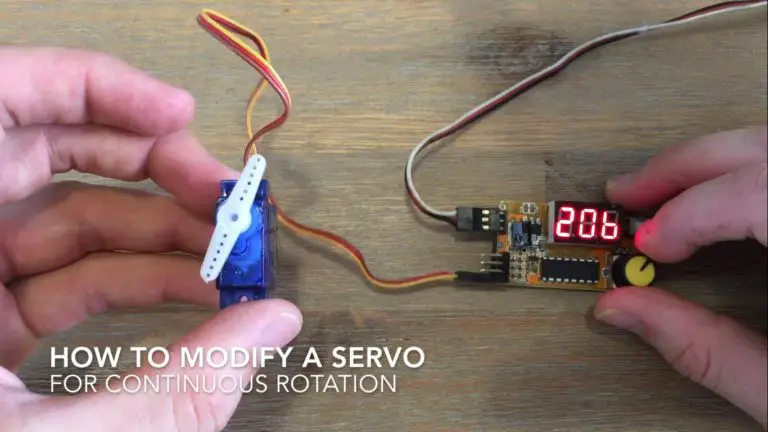
How To Modify A Servo For Continuous Rotation

Modifying a servo for continuous rotation opens up a number of possibilities for new Arduino projects, the modified servos essentially function as a PWM variable speed and direction motor which can easily be controlled by an Arduino or similar micro controller. This is a fairly simple modification to do and the process will be similar for many different servo models and sizes.

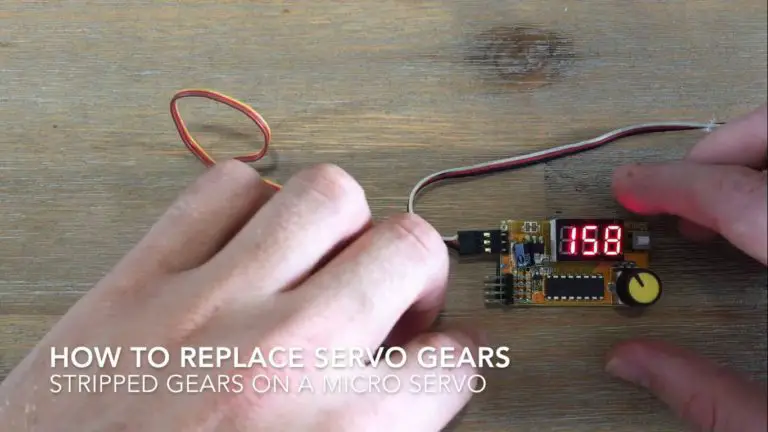
Do you have an old servo with stripped gears? Here’s a guide to repairing your stripped servo gears for under a dollar.

What You Need To Modify A Servo For Continuous Rotation

  • Analogue Servo – Turnigy TG9e Used Here
  • Precision Screwdriver Set – Buy Here
  • Side Cutters – Buy Here
  • Small Drill Bit Set – Buy Here
  • Electric Drill – Buy Here
  • Needle Nose Pliers – Buy Here
  • Electrical Insulation Tape – Buy Here

How To Modify The Servo For Continuous Rotation

The video below takes you through the step by step process to modify your servo for continuous rotation. A list of steps has also been provided after the video.

Steps To Modify Your Servo

  1. Remove the servo arm.
  2. Use a philips screwdriver to remove the four screws at the bottom of the servo.
  3. Remove the top gear cover.
  4. Remove the first, largest gear. The one which on which the servo arm is mounted.
  5. If you turn this gear over, you’ll see a stopper which mechanically limits the rotation of this gear. This stopper runs into the  adjacent gear when the arm reaches its travel limit. Use the side cutter to remove this stopper as close as possible to the gear.
  6. Next you’ll need to drill the hole in this gear slightly larger so that the gear turns freely on the potentiometer arm/shaft without being too loose. Some gears, like the one in this video, actually have a flat landing which locates the gear on the potentiometer arm for position control. This needs to be removed by drilling right through the gear.
  7. Replace the large gear onto the potentiometer shaft.
  8. Replace the top gear cover.
  9. Remove the stickers on the side of the servo which also hold the bottom cover in place.
  10. Remove the bottom cover and then move the small circuit board out of the housing and away from the potentiometer.
  11. Use a screwdriver to remove the small plastic cover which protects the potentiometer terminals.
  12. Now use your needle nose pliers to remove the three wires from the potentiometer terminals.
  13. Stripe the insulation off of the three wires and twist them together to make a secure connection.
  14. Cover the joint with insulation tape to prevent a short circuit on the circuit board.
  15. Flatten the potentiometer terminals to make place for the insulated joint.
  16. Push the plastic cover back into place.
  17. Replace the circuit board.
  18. Replace the bottom cover.
  19. Replace the four screws and tighten them to secure the top and bottom covers.
  20. Your servo has now been modified for continuous rotation. Your servo will now run continuously in each direction and will be speed controllable around the mid point of the PWM signal.

Have you got a good idea for a servo based Arduino project? Try building your own servo controlling xduino board.

Have you modified one of your servos for continuous rotation? Let us know in the comments section below.

How To Replace Stripped Servo Gears – Example Done On Turnigy TG9e

If you’ve ever used servos, particularly micro servos for RC or robotics projects then you’ve likely encountered stripped servo gears. You can hear the motor turning inside the servo but the servo arm movement is limited or erratic. The good news is that this doesn’t mean that you need to throw the servo out, in fact replacement gear sets are available online for under a dollar. This guide takes you through the replacement step by step.

Once you’ve got your servo working again, why not use it to build an Arduino based solar tracker?

What You Need To Replace Stripped Servo Gears

  • Servo With Stripped Gears
  • Replacement Gear Set – Buy Here
  • Precision Screwdriver Set – Buy Here
  • White Lithium Grease (Optional) – Buy Here

How To Replace The Stripped Servo Gears

You’ll want to work at a clean work bench so that you don’t lose any of the small parts and you don’t get any dirt into the replacement set. Dirt in the gear teeth will dramatically reduce the gear life and may even burn the motor out due to sticking.

Follow the guide in the video below in order to replace your servo gears. The steps are listed below the video as well.

Replacement Steps

  1. Remove the four bottom screws
  2. Pull the top gear cover off
  3. Remove the gears and identify the stripped gear. You may want to replace just the stripped gear or all of the gears.
  4. Check inside the gear cover to make sure there are no pieces of gear teeth left stuck in the grease. These teeth may get caught in the new gears and strip them as well.
  5. Fit the replacements, starting with the gear with the finest teeth and working up towards the gear with the largest teeth. They will only fit in one order so don’t force them.
  6. The final gear, the one on which the servo arm sits, usually has a locating flat surface which turns the potentiometer. Make sure that this lines up correctly or the gear won’t go onto the shaft.
  7. Add a drop of white lithium grease onto the teeth. This is optional but it does dramatically improve the life of your new set.
  8. Replace the top gear cover.
  9. Replace the four bottom screws and screw the cover back on.
  10. Replace your servo arm and your servo is ready to be used again.

Have a look at some of our other Arduino projects.

Have you done a gear replacement on one of your servos? Was your servo slightly different inside? Let us know in the comments section below.

Chimney Fires 101

Let’s be honest: of all the places in your home that you could have an out-of-control fire, the chimney seems like an “okay” spot for it. After all, aren’t hearths designed to contain fires? And aren’t they built to withstand smoke and heat?

Unfortunately, while they are usually capable of dealing with decent-sized flames in a connected fireplace, that situation is a far cry from the chimney itself being on fire. Chimney fires are destructive, costly to recover from, and potentially quite dangerous. Read on for more information about this phenomenon, including ways to prevent it from happening in your home.

Here’s a useful check list to go through every fall to prepare your home for the winter months.

Why Chimney Fires Occur

More often than not, chimney fires start when built-up creosote inside the structure ignites. Creosote is a byproduct of wood combustion; it consists mainly of tar, is tacky to the touch, and is highly flammable. Traces of the stuff can be found in smoke, and when smoke rises up from a fireplace, it mingles with cold air and water vapor.

This causes the creosote to solidify and stick to the liner (or the brickwork itself, if the chimney is unlined). Creosote is more likely to accrue in chimneys with poor ventilation, but because a buildup of creosote can cause ventilation issues, creosote essentially exists in a self-perpetuating cycle. In severe cases, all it takes is a single, errant spark to ignite all of the accumulated creosote in a chimney.

Improperly installed or maintained liners can also cause issues if they fail to contain the sparks and embers naturally produced by a hearth fire. Although the liner is designed to withstand the high temperatures of open flames and cinders, the rest of the chimney (and the surrounding areas, especially your attic) can’t handle the heat and combustion so easily. Again, a few errant sparks can be the beginning of a blazing inferno.

The Scene of the Crime

Odd as it may sound, some chimney fires go completely unnoticed. While it’s possible (and quite easy) for chimney fires to spread to a house’s roof or attic, it’s also not uncommon for them to run out of oxygen and fizzle out without ever leaving the flue. And because people generally don’t spend much time staring at their chimneys, they just don’t realize that anything is amiss. It’s not until later, when they’re having it inspected for whatever reason, that a technician informs them that they dodged a bullet.

Here are some signs of fire damage in chimneys:

  • Caked-on creosote having a “puffy” or honeycomb-like appearance.
  • Warping of metal internal mechanisms.
  • Flue tiles that are damaged, loose, or missing large chunks.
  • Visible damage to (or warping of) the chimney cap.
  • Scorch marks on the flashing or roof.
  • Cracks or smoke damage to the chimney’s mortar or brickwork.
  • Chunks or flakes of creosote outside the chimney itself.
Now, these are subtle signs that are detectable after the fact. Signs that a chimney is currently on fire include:

  • Cracking, popping, or rumbling noises coming from within the structure.
  • Thick, black smoke pouring from the top of the chimney. While some smoke is normal when a fuel source is burned in the fireplace, smoke will be noticeably darker and denser.
  • Visible flames shooting out of the top of the chimney.
  • A “burnt” smell or intense heat radiating from the chimney, especially if the fireplace is not currently in use.

If you happen to notice that your chimney is currently burning, you should immediately evacuate your home and call 911! Don’t make the mistake of assuming that the fire will put itself out; house fires are not the kind of thing that people should gamble on!

One way to help keep the fire at bay until emergency services arrive is to take a garden hose and soak your chimney’s flashing and the surrounding area with water; this will reduce the likelihood that the fire will spread to your roof. However, please only attempt this technique if you can do so without putting yourself (or others) in harm’s way!

Beat the Heat

The number one way to prevent chimney fires is to have it professionally inspected and cleaned annually. A licensed technician will be able to examine every inch of your chimney and fireplace to verify that everything is working properly. If something is amiss, it’s best to catch and solve the problem before it escalates.

Chimney caps can also be critical for fire prevention. A humble cap can do wonders for keeping debris (e.g., sticks, leaves, airborne pieces of garbage) and animals from getting inside and causing blockages. Not only will blockages contribute to creosote buildup, but the detritus itself may essentially become kindling for any fire that erupts.

Chimney fires can be destructive (and a more than a little frightening), but the good news is that they’re fairly easy to prevent. As with all other structural issues in your home, it’s absolutely critical that you pay attention and perform regular maintenance. If you suspect that something is wrong, it’s never a good idea to simply ignore the situation in hopes that it will resolve itself. So tackle problems as soon as you notice them…or hand the job over to a professional. Cleaning and repairing a chimney is a dirty job, but someone’s gotta do it!

10 Arduino Sensor Modules You Can Buy For Less Than $5

When you’re stuck for ideas for your next Arduino project, and easy place to start is by looking for a sensor to learn to use. Once you’ve got the sensor up and running, you’ll be able to find an application for it and turn it into a project. Here are 10 different modules which are available on Amazon and eBay for under $5, in fact most of them are under $2.

HC-SR04 Ultrasonic Distance Measuring Sensor

HC-SR04-Ultrasonic-Sensor

The ultrasonic distance measurement module uses ultrasonic sound waves to measure the distance between itself and an object. It is a really easy module to use and an entire Arduino library exists to assist you with programming your Arduino to operate with it. Here’s the purchase link for the HC-SR04 Ultrasonic Distance Measuring. Here’s our guide on using the ultrasonic module with your Arduino.

Speed Sensor Module

Speed Sensor Module

This tachometer allows you to measure the speed of a motor. It can be used to measure both the speed and position of a motor. Here’s the purchase link for the Speed Module.

Photoresistor Module

Photoresistor Sensor Module

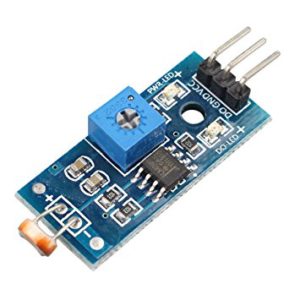
The photoresistor module allows your Arduino to be triggered through a digital input when a certain level of light is detected. The light level set point can be set through the on board potentiometer. Here’s the purchase link for the Photoresistor Module. You could try build your own lightning camera trigger using this module.

Barometric Pressure Module

BMP280 Pressure Sensor Module

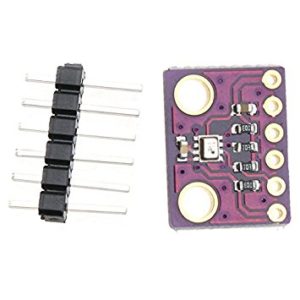
Barometric pressure can be used to determine the height of your robot or projectile or as a sensor on your weather or home automation system. Here’s the purchase link for the BMP280 Pressure Module.

5V Relay Module

5V Relay Module

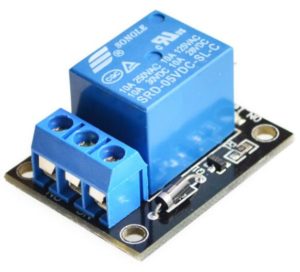
A relay module allows you to switch and control a wide range of devices which the Arduino is not able to provide enough current to switch itself. Here’s the purchase link for the 5V Relay Module.

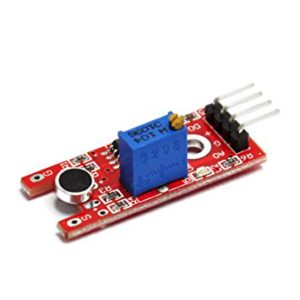
Sound Level Microphone Detection Module

Sound Level Microphone Detection Module

This sound level sensor module has two different outputs, one which is a set point set by the on board potentiometer which triggers the output at a certain sound level and the second provides a scaled voltage output for the instantaneous sound level. Here’s the purchase link for the Sound Level Microphone Detection Module.

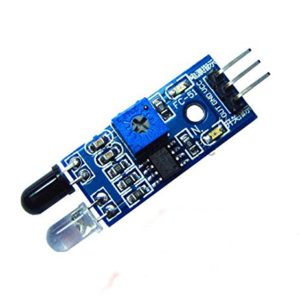
Infrared Obstacle Avoidance Sensor (Pack of 4)

Infrared IR Obstacle Avoidance Sensor This module can be used to detect objects in front of the sensor between 2cm and 30cm. It is all adjusted on the module and the Arduino simply monitors its single output pin. This is one of the more useful and cheapest modules on this list as you get 4 in a pack for under $3! Here’s the purchase link for the Infrared Obstacle Avoidance.

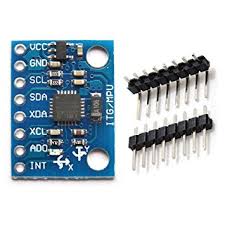
3 Axis Accelerometer Gyroscope Module

3 Axis Accelerometer Gyroscope ModuleThis module is used to measure the acceleration and inclination of an object. It can be used to build a gesture based controller or is also commonly used for drone applications. Here’s the purchase link for the 3 Axis Accelerometer Gyroscope Module.

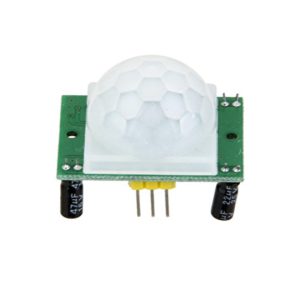
Pyroelectric Infrared PIR Motion Detector

Pyroelectric Infrared PIR Motion Detector

This module is a PIR motion detector which uses infrared to detect humans and pets. It can be used to turn lights on and off or create a simple alarm system. Here’s the purchase link for the Pyroelectric Infrared PIR Motion Detector.

Soil Hygrometer Sensor Module For Moisture

Soil Hygrometer Moisture Sensor

In a pack of 5 for under $5, this sensor is also a bargain. These sensors can be used to automate your garden watering process or to water your indoor plants. It’s the beginning of an interesting addition to your home automation system. Here’s the purchase link for the Soil Hygrometer Module For Moisture.

Now that you’ve found a few new sensors to work with, you should have a few ideas for some new projects. If you’re still looking for new ideas, have a look at the projects in this book:

Practical Arduino Projects
Practical Arduino Projects – Available as an eBook or in Print.

Pin this article:

10 Arduino Modules You Can Buy For Less Than $5

Homemade Super Glue Recipe, Make Your Own Glue

Making your own glue is a fun and rewarding project and you’ll learn a bit about glue in process. You may want to get a few re-usable jars to keep your it in until you’re ready to use it, baby food storage jars work well and are easy to clean afterwards – buy here.

Here are a few recipes along with a brief description of what each one is best used for.

Strengthen up your repair with this neat hack, it works with both store bought and homemade super glue.

Gum Arabic Super Glue Recipe

This glue is best used to repair broken crockery, vases and china. Use a toothpick or matchstick to apply a thin coat along the broken edges and then press and hold them together. It takes around an hour to dry and cures completely in 24 hours. Small pieces will be able to be handles after about fifteen minutes. This glue keeps for about a year in a sealed jar.

  • 3 Tablespoons of Gum Arabic – Buy Here
  • 1 Tablespoon of Glycerin – Buy Here
  • 1/2 Tablespoon Water

Mix all of the ingredients together in a bowl. Keep the glue in an airtight container and it will last for about a year.

Waterproof Glass Glue Recipe

This glue works well on glass and china and can also be used to attach labels onto glass, cans and jars. When using it as a label glue, warm it up slightly in a pan to make it liquid. When using it to repair china, use it in its thick gelled form.

  • 1/2 Ounce / 2 Packets of Gelatin – Buy Here
  • 3 Tablespoons Skim Milk – Buy Here
  • Mint Extract – Buy Here
  • 2 Tablespoons of Cold Water

Pour the two tablespoons of water into a mixing bowl. Sprinkle in the two packets of gelatin and allow it to stand for about an hour. Heat up the milk until it is almost boiling and add it to the gelatin mixture, stir until the gelatin has dissolved completely. Add a few drops of mint extract, this acts as a preservative and makes it last a very long time.

Waterproof Glue Recipe

This is the second waterproof glue recipe, however, this one does not use any milk. This recipe needs to be used straight away, while it is still warm. To use it again, put your jar in hot water to soften it up again. It should be applied with a thin brush and will take up to a day to fully cure.

  • 6 Tablespoons of Water
  • 1/2 Ounce / 2 Packets of Gelatin – Buy Here
  • 2 Tablespoons of White Vinegar – Buy Here
  • 1 Teaspoon of Glycerin – Buy Here

Bring the water to the boil in a saucepan. Take the water off of the heat and stir in the two packets of gelatin until it has all dissolved. Add the vinegar and glycerin and stir well. Allow it to cool a little before using it or storing it in your container.

If you enjoyed trying out this recipe, here are some other DIY recipes which you may enjoy – Make Your Own Fabric SoftenerHomemade Velveeta Cheese.

7 Simple Steps To Convert A Tub Into an Upscale Walk-In Shower

There are two kinds of bathrooms. There are the ones that impress guests and there are ones that gross out guests. When someone asks you to use your bathroom, are you stricken by a sudden wave of panic that they might notice the bathtub caked with colorful layers of mildew? Have you been wondering for a long time whether it is time to replace that run-down tub with a walk in shower?

If you are like most people, then you also have a couple of concerns. Will the tub fit? How would I even go about installing one? Where would I even start? The good news is that the process is more straightforward than it seems.

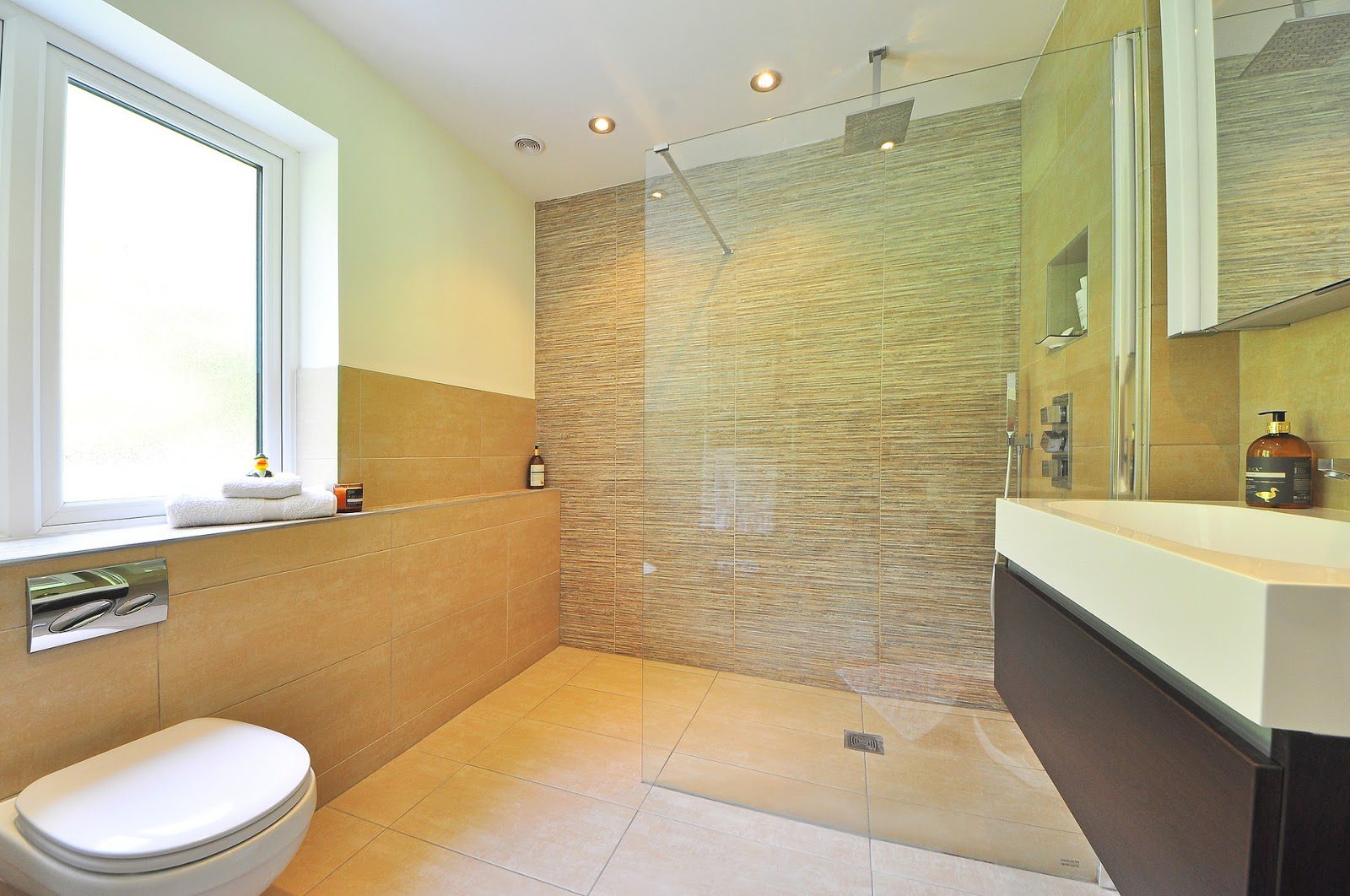
In this guide, you will learn 7 steps to transform your cramped bathtub into a beautiful, spacious walk in shower that you can be proud of.

1. Gain More Space by Manipulating the Layout With a Curvier Design

Gain More Space by Manipulating the Layout With a Curvier Design

Every bit of space counts when converting your tub. The feeling of having a spacious shower is not about how big the actual room is but instead about the atmosphere of the room itself. Architects and designers have been using the same secrets for ages to make small rooms feel spacious.

And you will be doing the same.

To start, take advantage of your tub’s sidewall (usually 36″ deep) by employing a curved shower pan with a front bow. This simple first step will augment the feeling of the actual floor space making it look approximately 20% bigger.

2. Ditch the Shower Curb to Redefine Your Showering Space

Ditch the Shower Curb to Redefine Your Showering Space

Most manufacturers build showers with 4″ to 6″ curbs. However, these curbs contribute to the shower’s cramped feeling. To make your bathroom feel more spacious and look more luxurious, get rid of the curb!

Instead, opt in for a tile shower pan with a ramped entrance. To create a rich atmosphere, take it a step further by having the shower and bathroom be on two different levels. Whether you want the shower on a lower level or a higher level is up to you and your style preference.

While this trick may seem simple, it is a staple of modern luxurious bathrooms.

3. Proper Plumbing Makes All the Difference

Proper Plumbing Makes All the Difference

When converting your tub into a walk-in shower, it is a necessity to get aesthetically pleasing and practical plumbing. For starters, upgrade any 1 ½” pipes into broader 2″ pipes for enhanced water flow. An upscale shower is not just about the looks, it is also about the experience so having proper water flow is paramount.

It is also essential to replace your low-quality shower drain with a more sleek, linearly designed one. Nothing is grosser than a shower drain clogged with hair and dirt. Invest in a high quality shower drain that prevents build up and matches your new bathroom’s style.

These small plumbing changes will help your bathroom boast its contemporary design and increases the overall showering experience.

4. Take Advantage of Walls and Floors for Added Comfort

Take Advantage of Walls and Floors for Added Comfort

Add an inexpensive floor heating system so you can shower in a cozy, soothing environment that will leave your muscles relaxed to their core. Attach a small bench to the wall for whenever you want just to sit and let the warm water drizzle on your skin.

This simple upgrade alone will transform showering from a chore into a pleasurable experience. Imagine how amazing it would feel to unwind in such a soothing shower after a long day!

5. Add Wall Storage for a Cleaner Look

Add Wall Storage for a Cleaner Look

You have seen it before: Showers littered with shampoo, soaps and conditioners dangling from tacky wall holders. And you have felt it too. The cluttered environment takes away the magic from your showering experience. Nothing looks and feels worse than a cramped shower. Go the extra mile to free up bathroom space!

The easy, cheap and upscale fix to this is to carve pockets into your walk in’s walls. By being able to store your essentials in the walls, it frees up standing space thus creating a more liberating, relaxing feel.

6. Remove Bathroom Floor Tiles for an Upscale Feel

Remove Bathroom Floor Tiles for an Upscale Feel

A clean bathroom is an impressive one while a dirty one is repelling. The problem with most tile layouts is that they gather molds, fungi, dirt, and hair between each tile. Moreover, keeping a tiled bathroom clean requires an excessive amount of upkeep that most people just do not have the time for.

Get rid of the bathroom floor tiles and instead replace it with PVC wall panels, or solid, sleek, contemporary surface units. For starters, a solid surface will spare you from having to get those deep scrubs that grimy tile surfaces usually require. Most importantly though, it will give your bathroom a clean, modern and upscale feel.

7. Express Your Unique Style with Hand-Picked Shower Glass

Express Your Unique Style with Hand-Picked Shower Glass

There’s a false notion that glass is just glass; it, in fact, comes in many different qualities and is an opportunity for you to add your own custom designs. A glass shower wall completes your walk-in shower and upscale bathroom by giving it an open-air feel. The seemingly open space makes your shower feel bigger than it actually is.

For a personal touch, you can order the glass with custom designs to add that extra bit of luxury. However, to match the modern design, it is important to get sleek or linear designs instead of tacky ones.

Conclusion

Converting your bathtub into a walk-in shower is an exciting project. You will have the opportunity to turn a dirty suffocating space into a clean, spacious, upscale room. Instead of repelling your guests, your designs will impress them. And lastly, your modern bathroom will be more practical, more efficient and your showers will not just be showers, they will be an experience.

Even though the conversion requires much upfront work, if you follow these seven steps, you will have built your own upscale walk in shower in no time.

Make Your Own Wine Cork Shadow Box

Follow this step by step guide to make your own wine cork shadow box. It is a really easy beginners wood work project and it makes a beautiful gift. The complete shadow box takes a day or two to make, although most of the time is taken up waiting for glue or varnish to dry.

The sizes given below are as per the finished product in the pictures but you can easily adapt the sizes to suite what you have available at your local hardware store, lying around your house or to suite the size of the box you’d like to make.

Read the full step by step text instructions below or watch this instructional video on how to make your own wine cork box. Purchase links for the tools and equipment used have been included in the “what you need” list to help you out.

What You’ll Need To Make Your Wine Cork Shadow Box

Materials

  • 600 x 400 x 20mm Timber Sheet
  • 120 x 20 x 2400mm Timber Plank
  • 405 x 605 x 3mm Glass Cut To Size
  • 350 x 350mm Vinyl Text Sticker
  • Wood Glue – Buy Here
  • Picture Hanger & Screws – Buy Here
  • Optional – Clear Wood Varnish – Buy Here
  • Optional – 120 Grit Sandpaper – Buy Here

Tools

How To Make Your Wine Cork Shadow Box

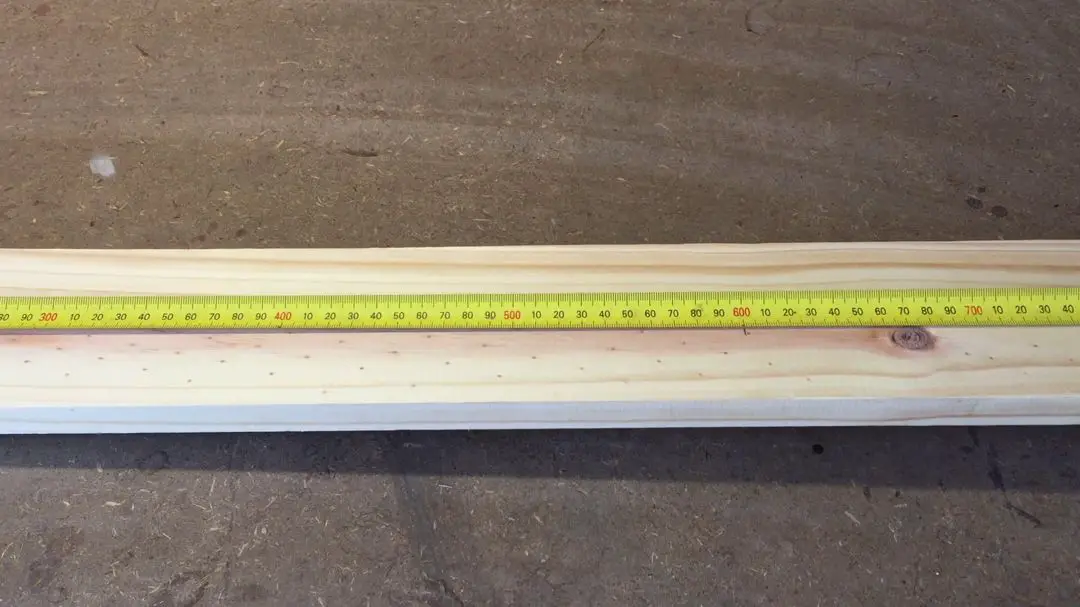
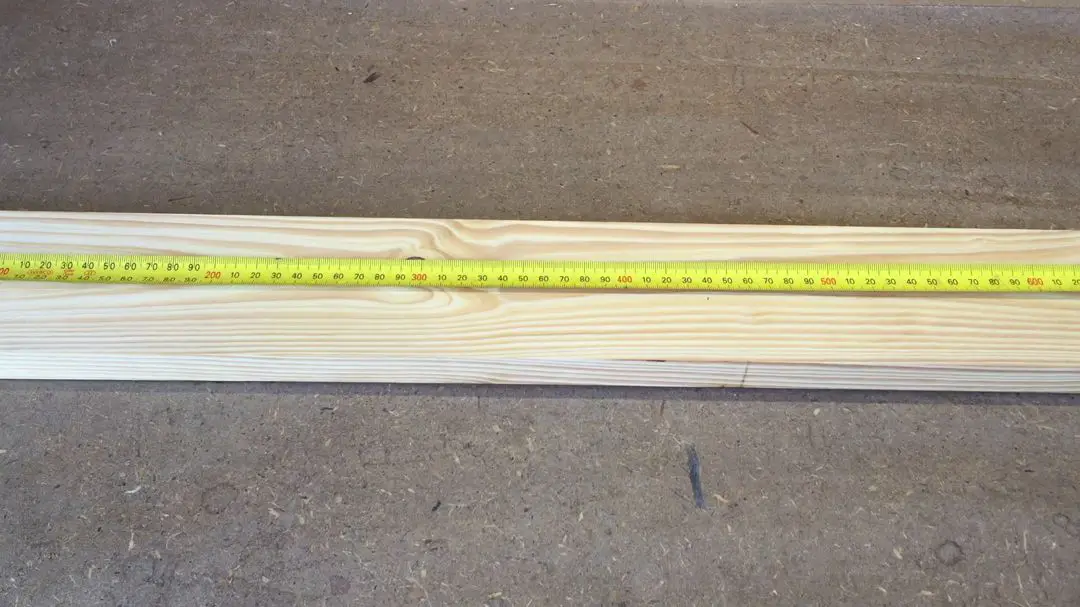
Start off by measuring out a 600mm length of your timber and cutting it off with your miter box.

Measure out 600mm For The Vertical Sides

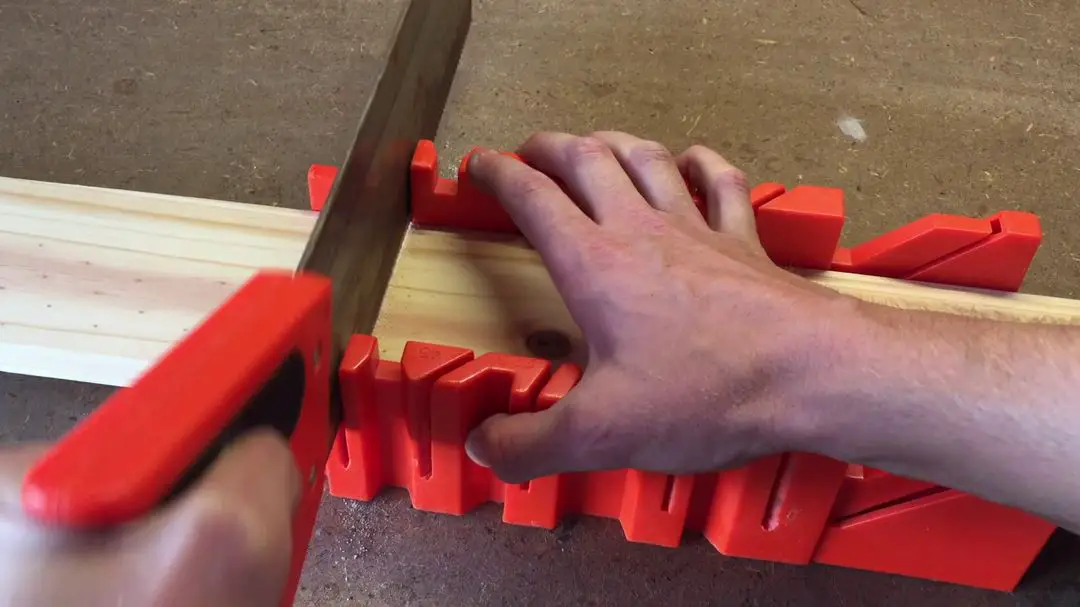
Cut a second one to make the two vertical edges of your box.

Cut The Wood With A Miter Box

Next measure and cut two 440mm lengths of timber. These need to be cut longer than 400mm as they will overlap the vertical sides once your box is assembled.

Measure And Cut 440mm Top And Bottom

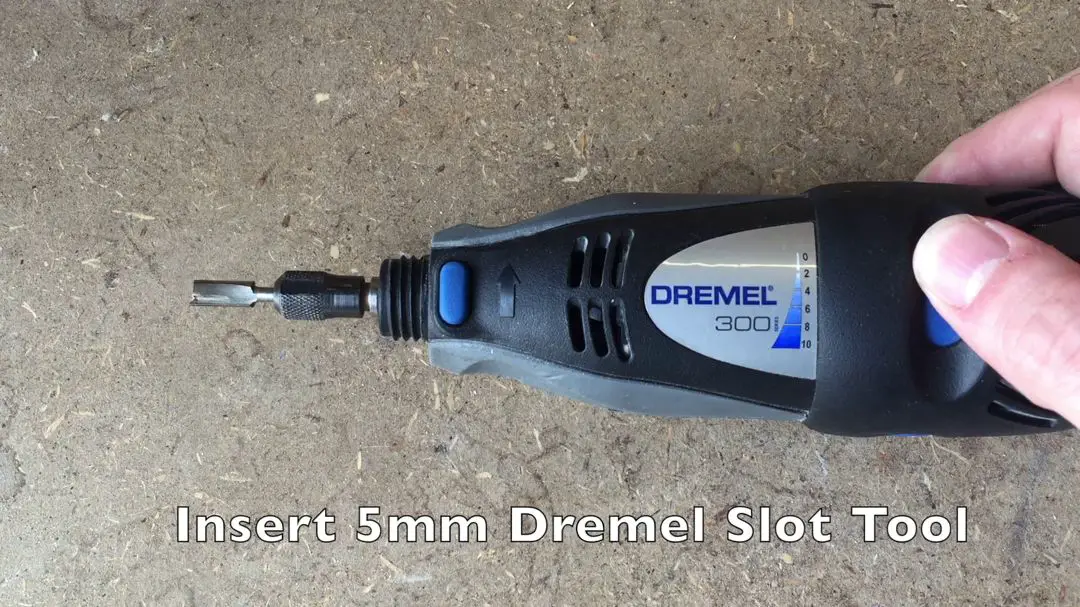
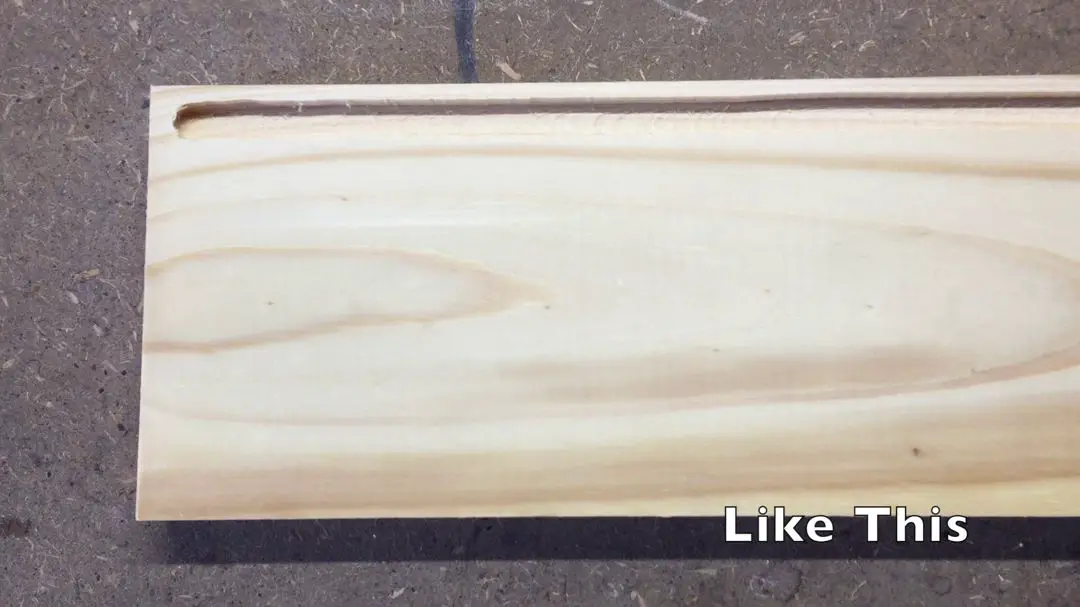
Once you have your lengths cut, you need to use your Dremel rotary tool and 5mm slot attachment to cut a slot in each of the sides of your shadow box to hold the glass.

Dremel With 5mm Slot Attachment

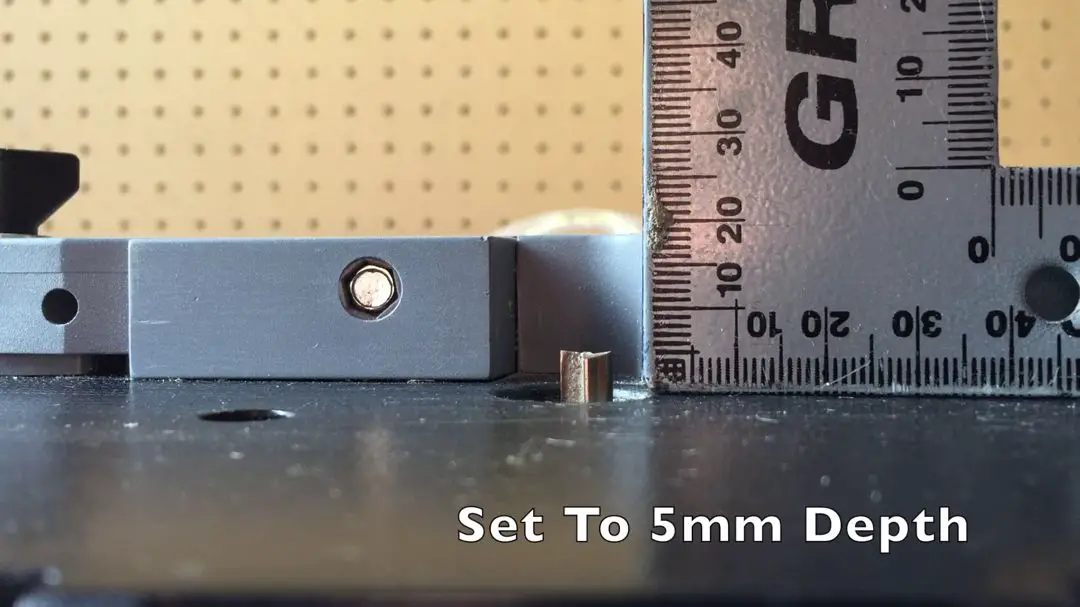
The Dremel router table helps keep your Dremel in place at a consistent depth and assists in cutting straight lines. Position your Dremel to cut around 5mm from the front face of each plank and around 5mm deep.

Position Your Dremel To Cut 5mm Deep

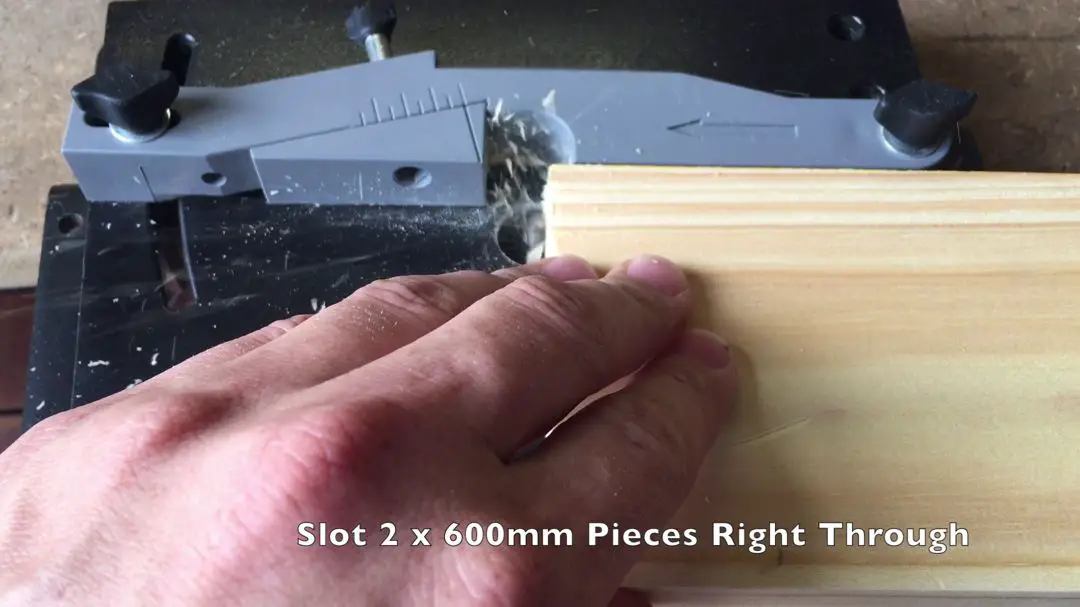
Cut the slot the full length of the 600mm planks.

Cut The Slot The Full Length Of The 600mm Planks

Cut the slot in the 440mm planks leaving around 5-10mm of clearance on each end. These ends will overlap the slots you’ve cut into the 600mm planks once assembled.

Leave Some Wood At The Ends Of The 440mm Planks

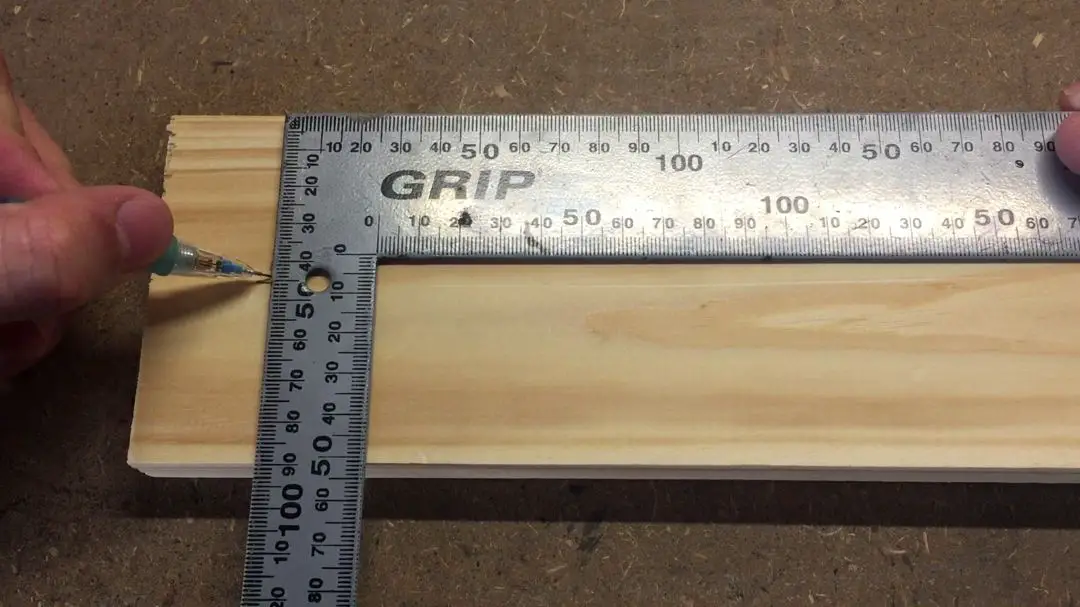
Measure out the center (45mm) of the left side plank and measure 30mm down from the top.

Measure Out The Hole For The Corks

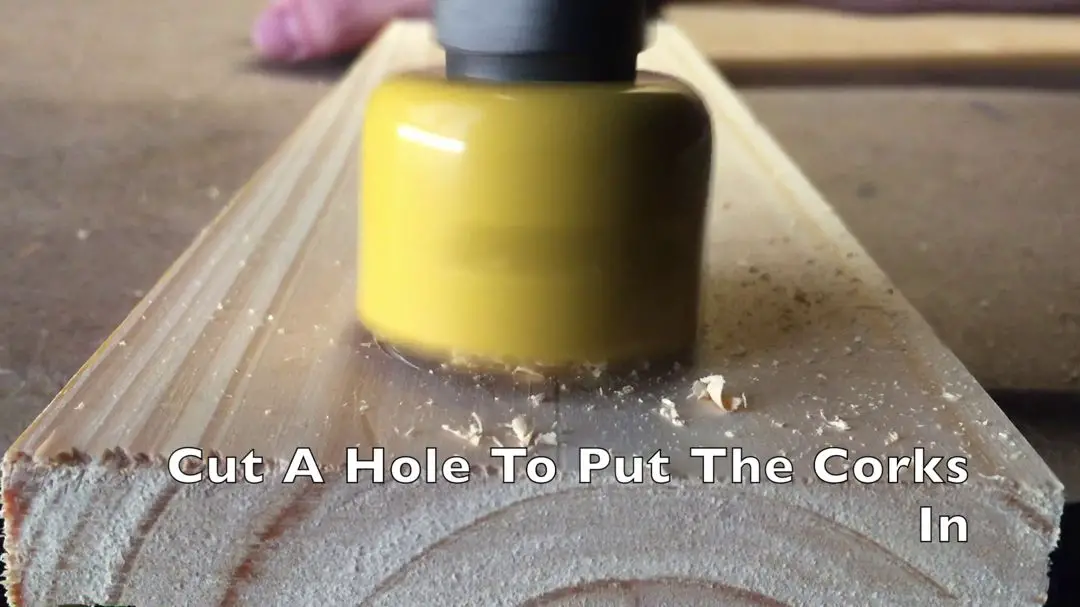
Use your drill and hole saw to drill out a 40mm hole in the side.

Use A Drill And 40mm Hole Saw

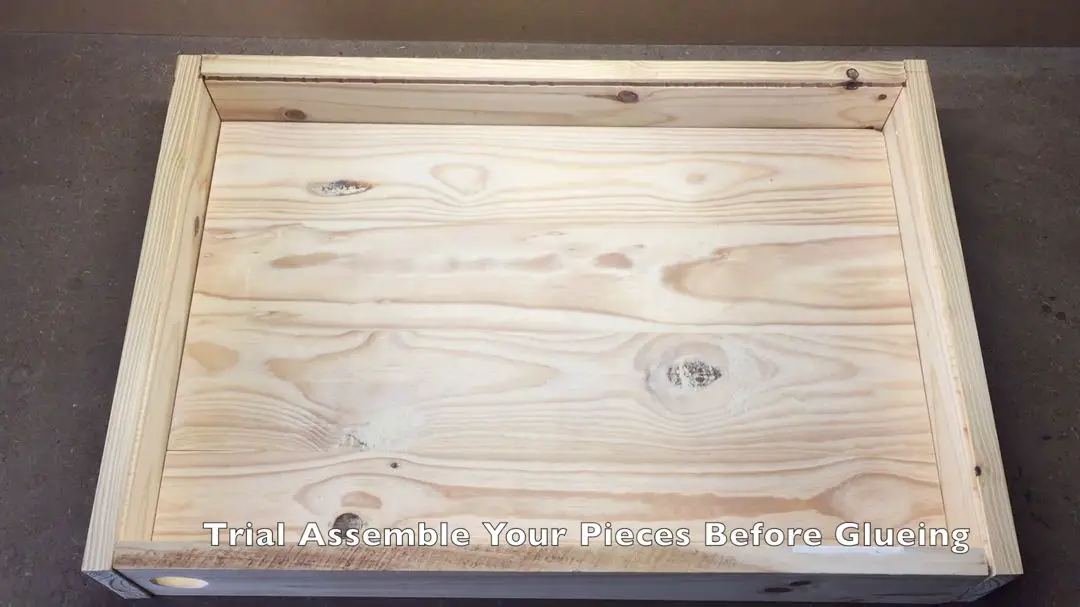
Now that you’ve finished cutting and preparing all of your wood, trial fit the pieces to make sure that all the edges and slots line up.

Trial Fit Your Pieces Of Wood

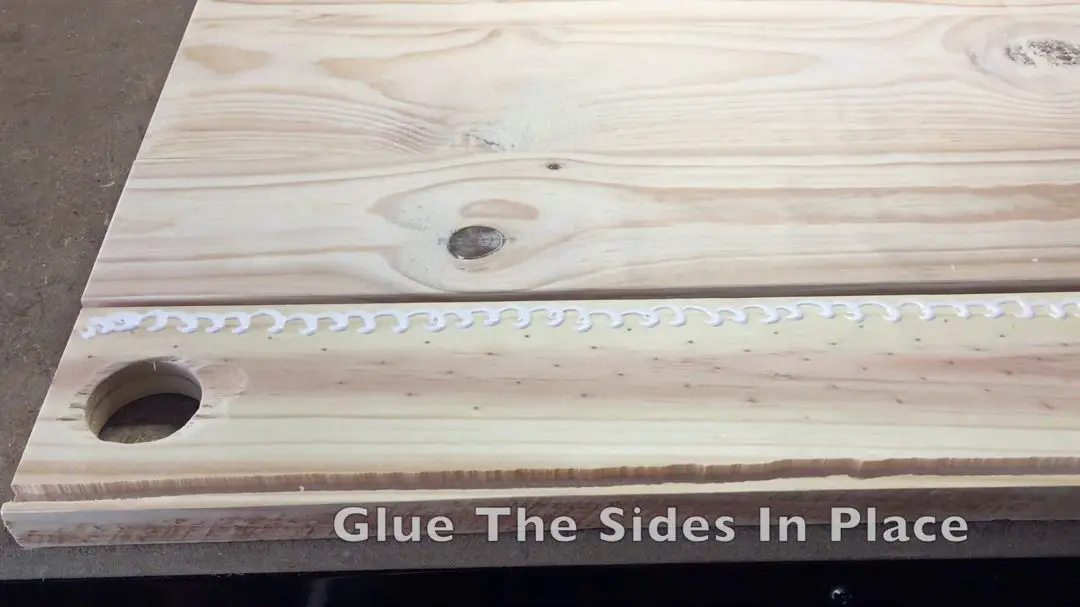
Glue the two 600mm sides onto the 600mm sides of your timber sheet. Make sure the edges are flush with the bottom of the sheet and lined up with the ends of the sheet. The slot should be at the top on the inside of the box.

Glue The Vertical Sides On

If you have clamps, clamp the edges in place until the glue has dried. Now glue the bottom 440mm bottom side into place. Line it up with the edges of the 600mm sides and ensure that the slot it lined up all the way around. Do not glue the top side into place!

Glue The Bottom Side Into Place

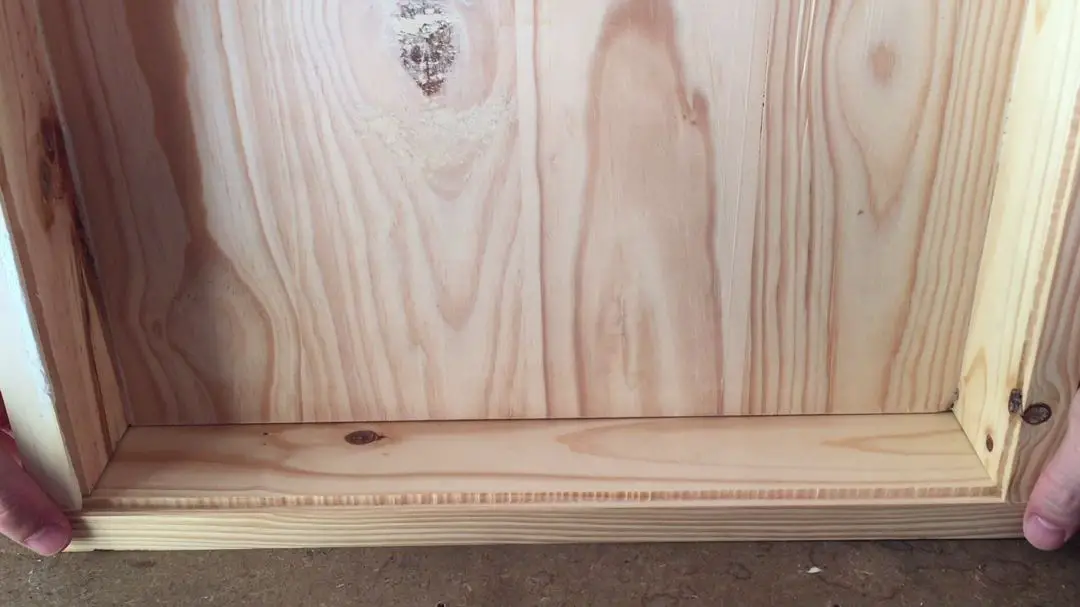
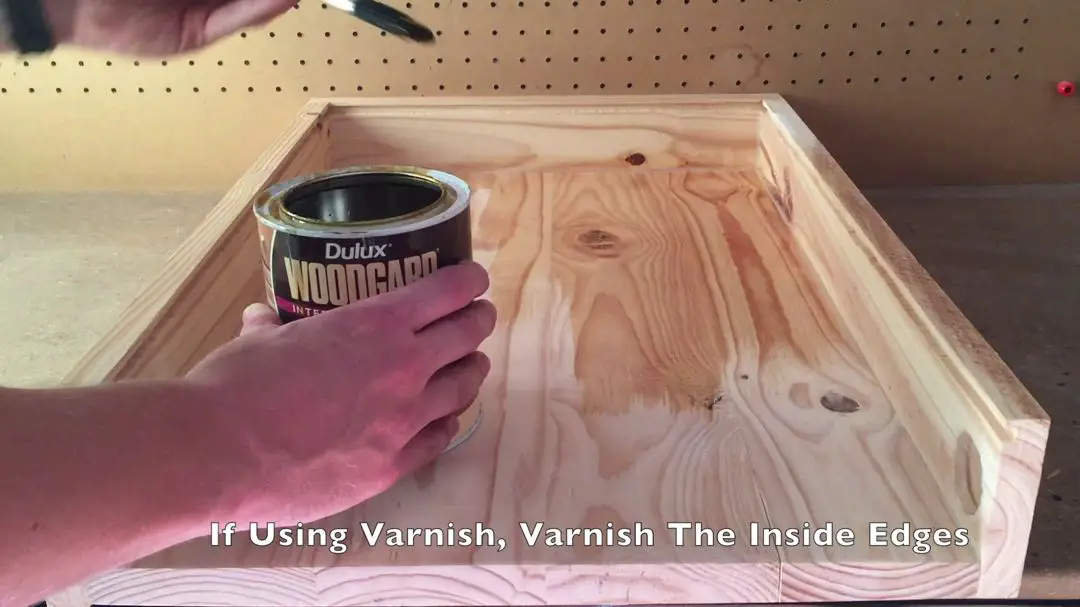
If you are going to varnish or colour stain your wine cork shadow box, you’ll need to varnish/stain the inside of the box now. Varnish the inside of the back sheet, the inside of the three side panels and finally the inside edge of the loose top piece. You won’t be able to get to these areas once the glass is in place.

Varnish The Inside Edges And Back Of Your Box

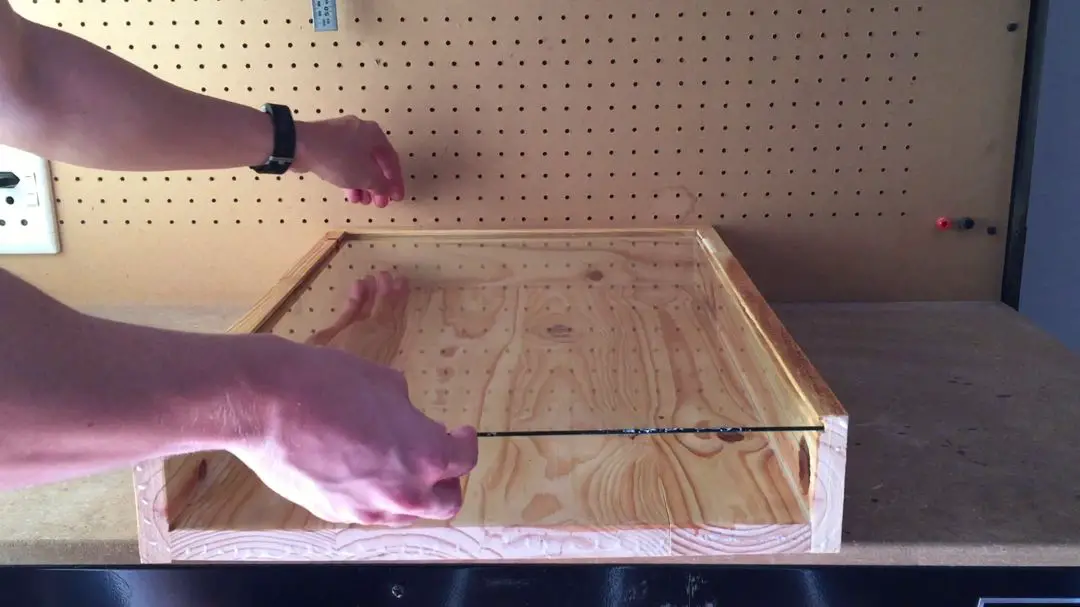
Once the varnish/stain has dried completely, slide the glass into place in the slots. Be gentle and don’t force it if it gets stuck as it may break. You may need to clean up some areas in the slots to get the glass to fit perfectly. Remember to clean the inside of the glass with window cleaner or rubbing alcohol before inserting it as you won’t be able to clean it later.

Slide The Glass Sheet Into Place

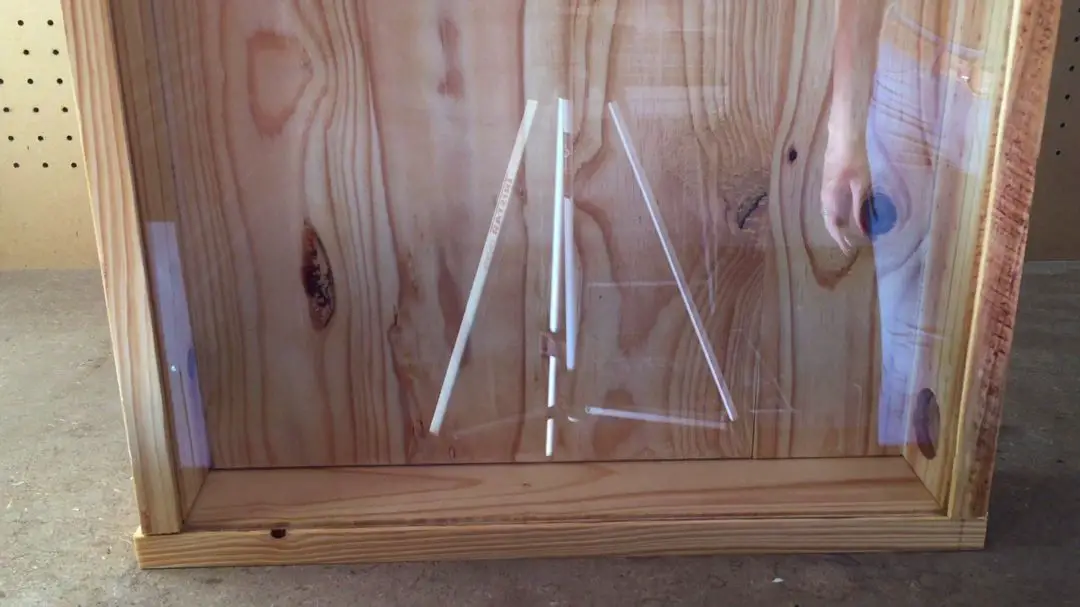
With the glass in place, you can glue the top side on. Line it up and make sure that the slot lines up with and covers the top edge of the glass.

Glue The Top Side Into Place

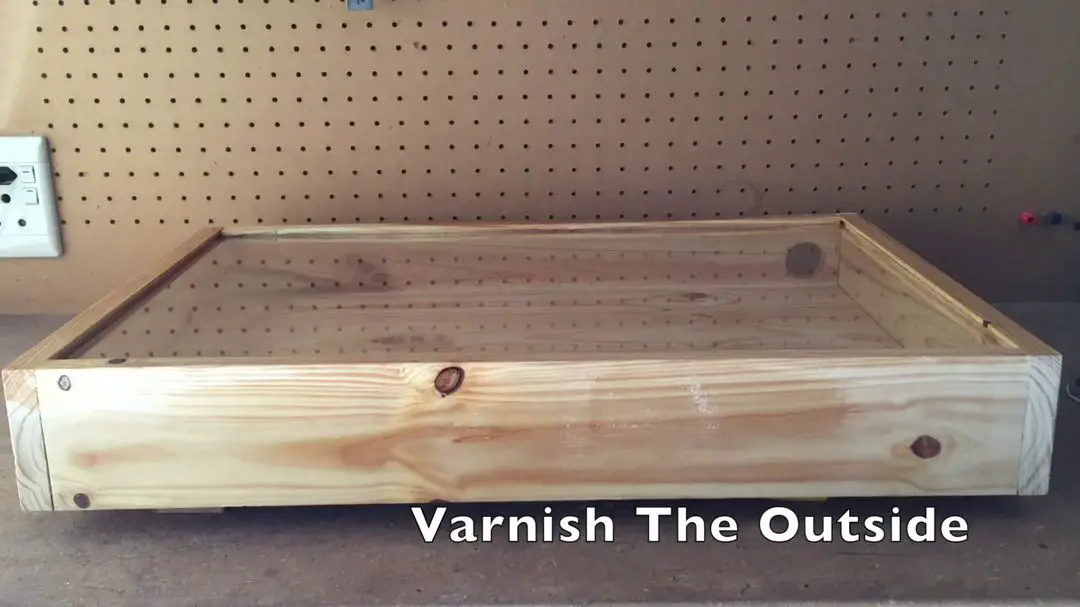
Allow the top side’s glue to dry, then varnish/stain the outside and the back of the box.

Varnish The Outside Of The Box

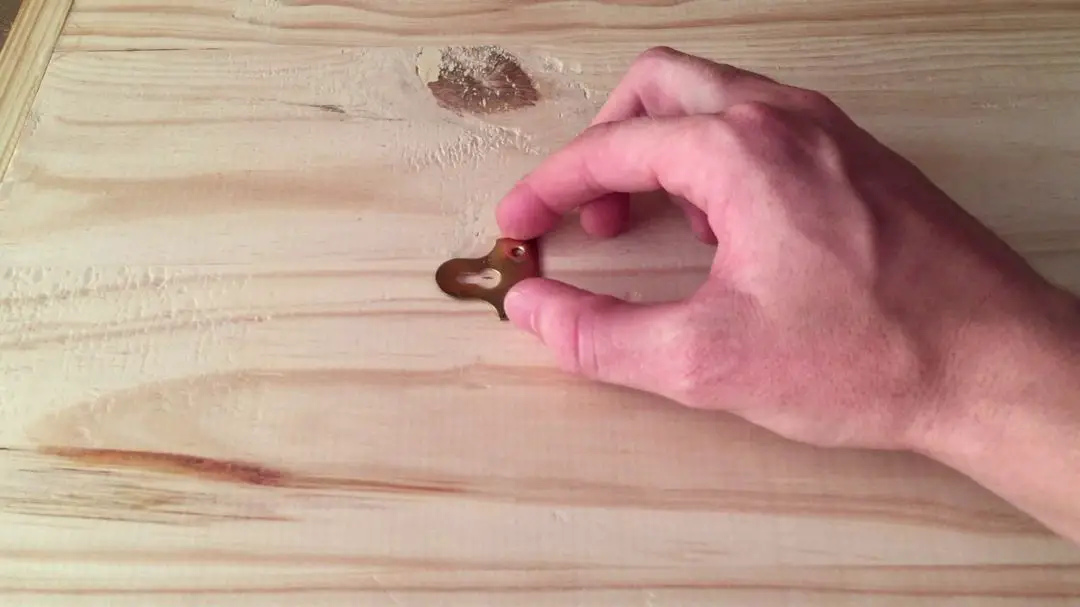
When the varnish/stain is dry, turn the box over. Mark the centre for the picture hanging hook and then screw it into place, it should be positioned roughly two thirds of the way up the back of the box.

Install The Picture Hanger On The Back

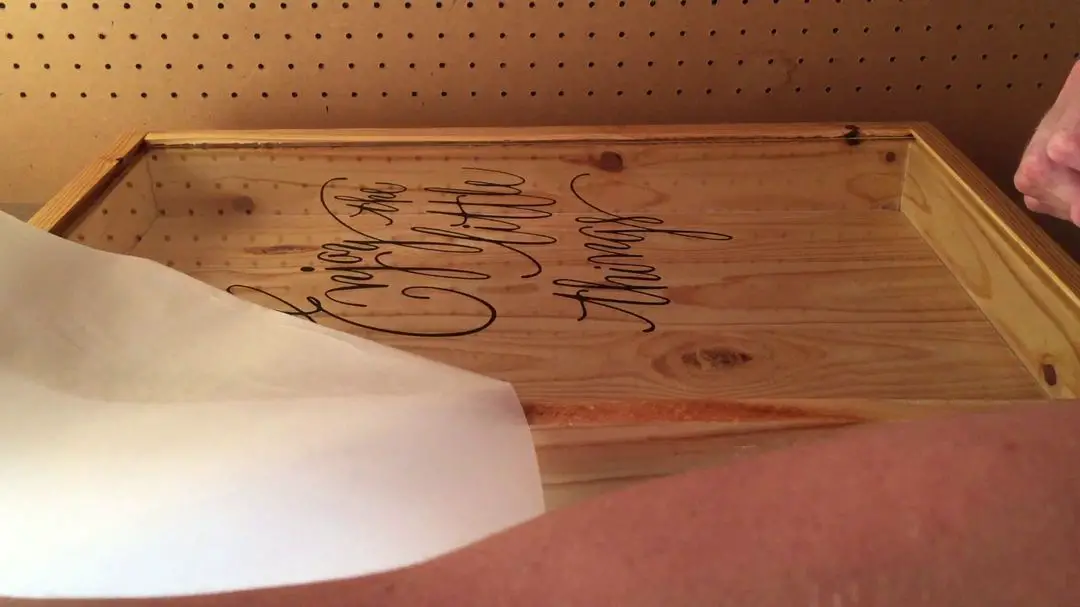
Finally, turn the box back over and apply the vinyl stickers. It’s a good idea to clean the glass with window cleaner before applying the sticker. It is easier to get someone to help you with the sticker so that it doesn’t wrinkle or fold over itself. Apply the sticker on one side and work your way over to the other side to avoid wrinkles and bubbles.

Apply The Vinyl Wall Sticker

You wine cork shadow box is now ready to be hung up. Put a screw into the wall and hang the box up on it. Read up how to install a screw in a masonry wall here.

We like to write the date and the initials of those who joined us for the special occasion onto the cork before popping it into the box.

Wine Cork Box With Corks In It

Have you made your own cork shadow box? Let us know in the comments section below.

A Full DIY Guide to Water Damage Restoration

Plumbers and home builders spend countless hours trying to keep homes protected from water damage. Most areas inside your home are simply not built to withstand high amounts of moisture.

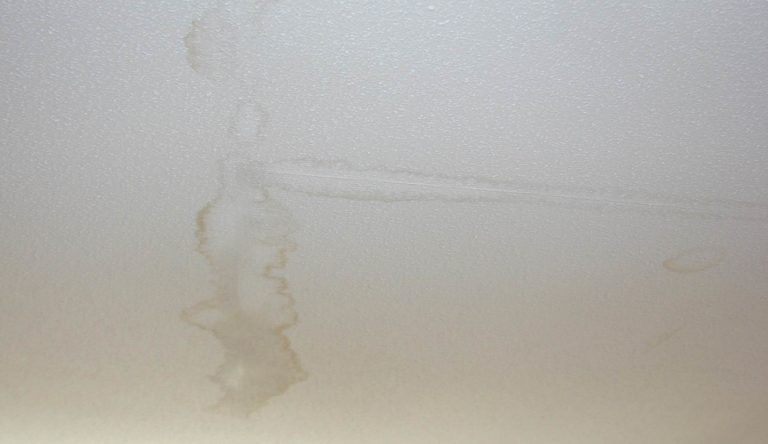
When water leaks occur, it causes unsightly stains on your drywall ceilings and interior surfaces. In severe cases, it can even cause the drywall to crumble and fall apart.

If you’re planning on selling your home or getting an inspection for any other reason, water damage represents a huge home inspection red flag. You will definitely want to complete the repairs beforehand.

The good news is that, with the right knowledge and tools, you can do some water damage restoration on your own. This step-by-step guide will help you accomplish a DIY repair the right way.

Step #1 – Finding the Leak

In some cases, you may notice visible signs of moisture on your ceilings or walls. There may be dripping water, sagging drywall panels or other obvious signs. In other cases, there may just be small water stains on your drywall that get larger over time.

Before you can start any actual repairs, you must find the water leak’s source. Repairs won’t do you any good if the source of the leak remains. Unfortunately, the source of a leak can be quite difficult to find. Water can travel throughout your home and cause damage in unexpected places.

To find a water leak, you should prepare yourself to do some thorough investigation and exploration.

You may need to remove some damaged drywall to help you find the leak. This is where Step #2 comes in.

Step #2 – Removing Damaged Drywall

Before you start prying away at your damaged drywall, you should always consider your safety. If the leak has been there for an extended period of time, there could be a significant amount of mold inside or on-top of the drywall. You should stop and call a professional if a large amount of mold is present.

In cases where there is only a small amount of mold, you can safely remove the drywall as long as you take precautions such as safety goggles, a dust mask and gloves.

Before you begin, place tarps and drop-cloths down to catch the drywall dust and debris that you’ll create during the removal. This will help to protect other interior surfaces and make the clean-up process much easier.

Take a good look at the drywall to determine the severity of the water damage. Drywall will sag or crumble when it is full of water. You can removed all the compromised portions with a wrecking bar, the claw of your hammer or by hand.

If your drywall panels are just stained and not structurally compromised, you may be able to repair them by simply cutting out the stained area. You can use a keyhole saw to cut a rectangular or square-shaped hole around the stains. Then, you can use another drywall piece to patch the opening.

Step #3: Performing the Repairs

If you just need to do a patch repair to replace stained areas of your drywall, start with these mini-steps:

  1. Measure the area of wall that you cut out from the previous step.
  2. Cut a replacement piece of drywall that is 2” longer and wider than those measurements.
  3. Lay your replacement piece on a flat surface (backside up).
  4. Measure 1” from all edges and make a pencil line.
  5. Use a utility knife and a straightedge to cut the backside paper and gypsum material. DO NOT CUT THE FRONT-FACING PAPER LAYER!
  6. Peel away the gypsum and backside layers with a putty knife.

For openings between 6 and 12 inches:

  1. Drill two small holes in your replacement board.
  2. Pull some string through the holes and tie the ends to a stick.
    1. Try to leave about 8 inches of string between the stick and board.
    2. The front of the board is considered the “stick side.”
    3. The stick is used to hold your patch in place.
  3. Carefully twist the stick until it applies pressure to the rear of the replacement board.
  4. Smoothly apply cement adhesive around the edges of the board.
  5. Place the patch into the drywall hole while positioning it so that the adhesive grips the area around the rear of the hole.
  6. Turn the stick in the clockwise direction to increase the pressure and ensure the board holds firmly until the adhesive dries.
  7. After the cement adhesive dries completely, apply joint compound and smooth out the area.
  8. Allow the area to thoroughly dry again, then sand down any high spots.

For openings smaller than 6 inches:

  1. Apply joint compound around the drywall opening.
  2. Insert the patch.
  3. Use a putty knife to work the edge of the paper into the compound.
  4. Feather the compound edges so that it will dry effectively.
  5. Use fine-grit sandpaper to lightly sand the area before applying a second layer of compound to finish.

If you still need help, check this page out to learn more about patching drywall like a pro.

If the water stain on your drywall is over 12 inches, you should consider the total replacement of the panel. Large portions of drywall should always be anchored to the ceiling joists or wall studs.

If the area you remove exposes a joist or stud that will allow you to anchor your patch, you should be fine by doing that. If there is not joist or stud available, replacing the entire panel may be your best option.

Removing an entire sheet:

  1. Remove the drywall panel and drywall screws that anchored the panel to the studs or joists.
  2. Get accurate measurements of the opening.
  3. If your measurements require a custom-sized panel, use a drywall saw or utility knife to cut a patch to fit the opening.
  4. Align the new drywall panel with your studs or joists.
  5. Secure the new panel to the studs or joists with drywall screws.
  6. Apply joint tape at all the exposed seams.
  7. Apply joint compound over the tape with a putty knife.
  8. Allow the compound to dry and then sand down until all the seams are flush with the panels.

Step #4: Priming and Painting

Before you start priming, make sure that the area is well ventilated. Open windows and use fans if necessary.

With a large paintbrush or paint roller, apply interior primer to the entire wall or ceiling surface. After the primer dries, apply the interior paint in square 6-foot sections. Use a continuous pattern of overlapping “W” strokes while you move from right to left and then back to spread evenly. Then use a small paintbrush to fill-in the areas where your roller couldn’t reach.

If necessary, apply another coat on the entire surface.

Water damage restoration can be a long and frustrating process, but following these steps will help you save big money by doing-it-yourself!

Make Your Own Jute Rope Rug

Here’s a guide to making your own quick and easy jute rope rug with a few inexpensive materials. This is a great hour or two weekend project, perfect for a rainy day. Take your time with the glue process and you’ll have a sturdy rug which will last in even a busy corridor or entrance.

If you enjoy this project, here’s a no sew rope basket which can also be made from a scrap piece of natural fire rope.

What You Need To Make Your Own Jute Rope Rug

  • A Piece of Cloth Large Enough to Fit Under the Finished Rug, An Old T-Shirt Works Well
  • Jute/Natural Fibre Rope (14mmx20m) – Buy Here
  • Construction Adhesive – Buy Here
  • Scissors – Buy Here

What You Need For Your Jute Rope Rug

How To Assemble Your Jute Rope Rug

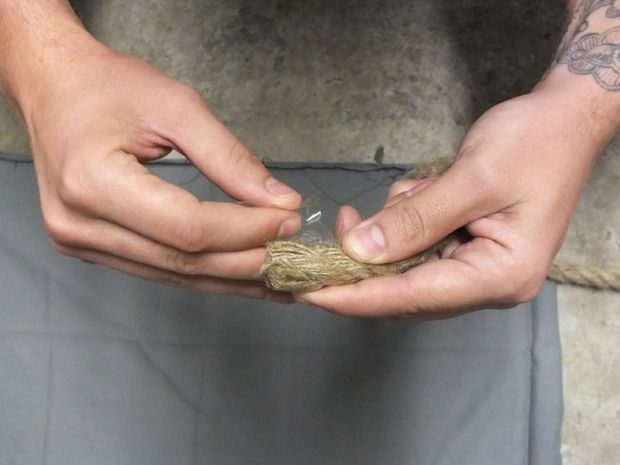
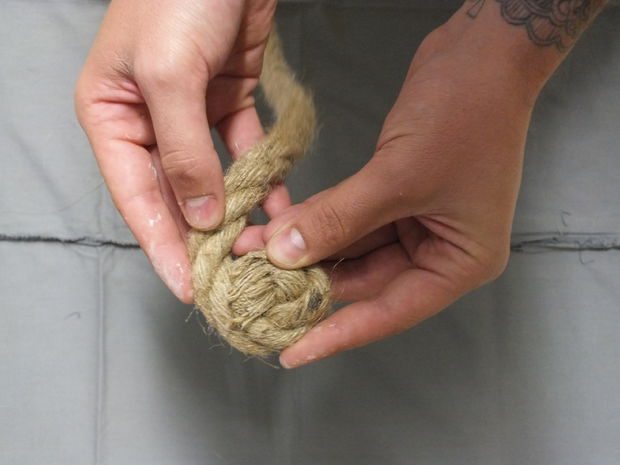
Unravel the ends of the rope carefully and add a bit of adhesive to the inside. Press it together firmly until it is secure. This prevents fraying. Put a lot of glue around the end of the rope, you don’t want it to work loose over time.

End Preparation

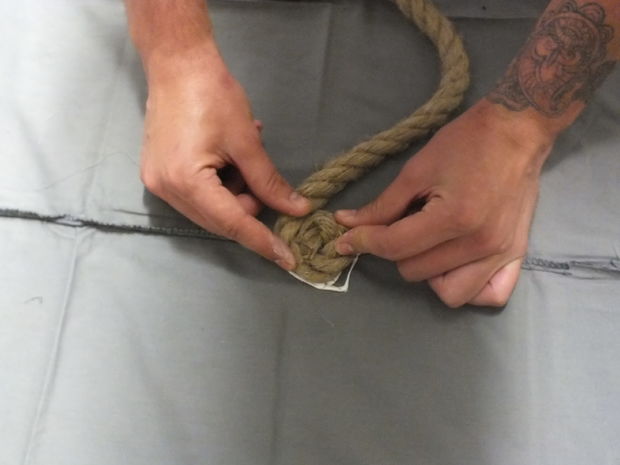
On a large flat surface, place the piece of cloth down. Adhere the one end of the rope tightly to itself.

Starting The Rug

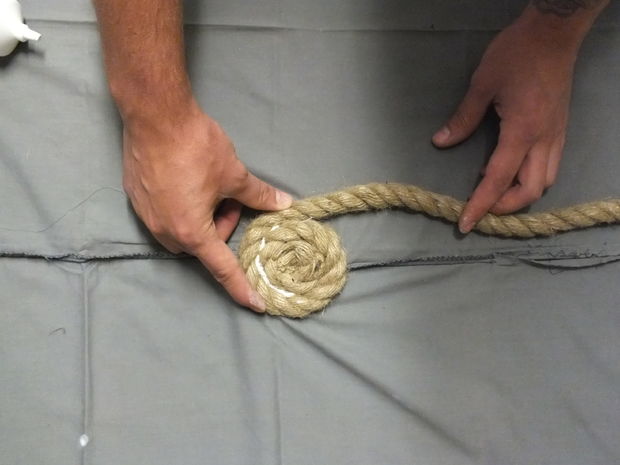
Draw a small spiral with the glue in the centre of the cloth. Press the coiled rope down onto the adhesive.

Glue it Bigger

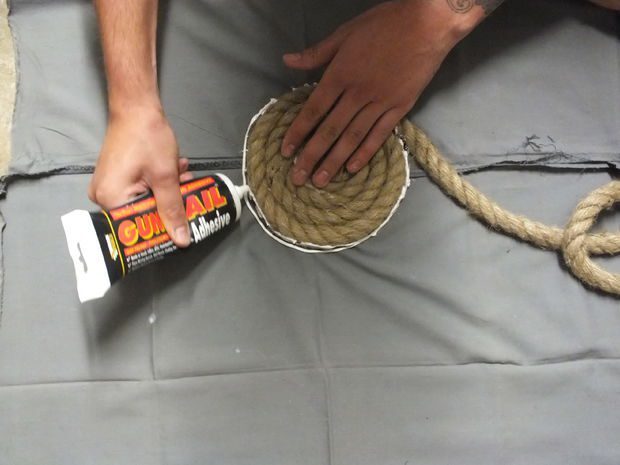
Add adhesive to both the edges of the rope and the cloth as you are coiling the rope up.

Keep Adding GLue And Rolling

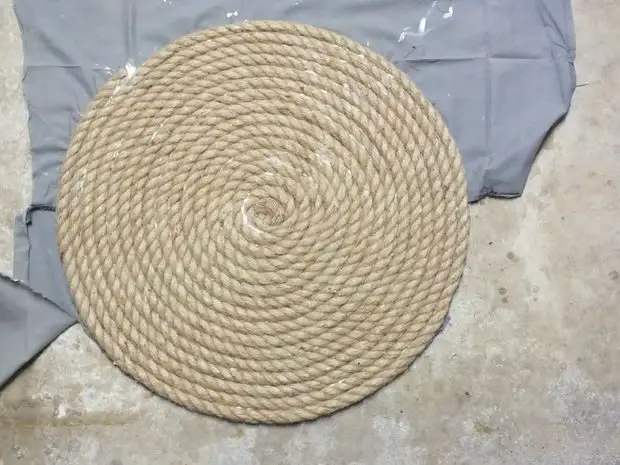
Repeat this process until all of the rope is used up.

Roll To The End

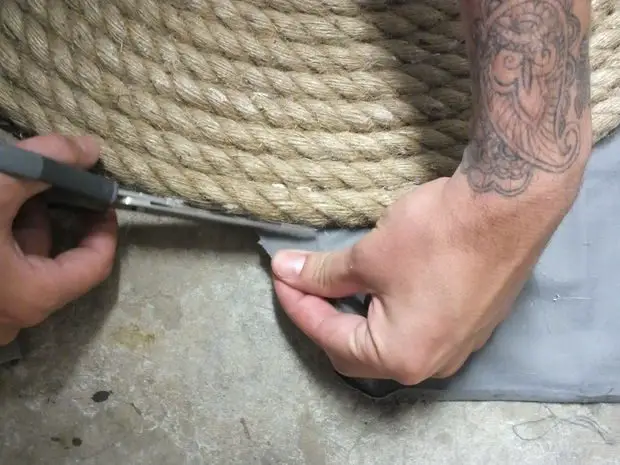
Cut off the excess cloth to finish up the rug and use the adhesive to adhere any loose parts around the edges for a better finish. Allow the glue to dry overnight before using it.

Trim The Excess

Trim The Excess 32

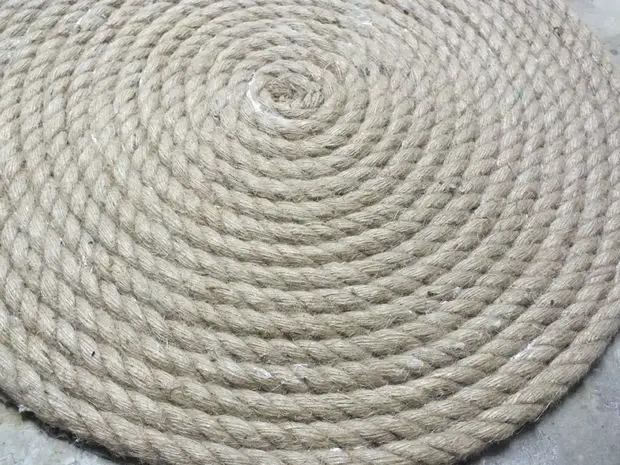
Find a suitable place or person to give this RUGged mat to, it makes the perfect gift.

Completed Rug

This post is based on Jute Rope Rug by Emile09080 and has been modified and used under the Creative Commons License CC-BY-NC-SA 2.5.

Have you made your own rug? Let us know in the comments section below.