
Home Blog Page 31

Remove Nails or Screws & Touch Up A Masonry Wall

In this guide, we’re going to be looking at how to remove nails or screws from a masonry wall and how to properly touch up the hole with crack filler and touch up paint so that you can barely tell that there was a hole there to begin with.

If you need to hang pictures, decorations or mirrors, have a look at our guide to putting screws into a masonry wall.

Removing The Nails and Screws From Your Wall

What You’ll Need To Remove The Nails and Screws

  • Screwdriver – Philips or Flat depending on screws to remove
  • Claw Hammer – Buy Here
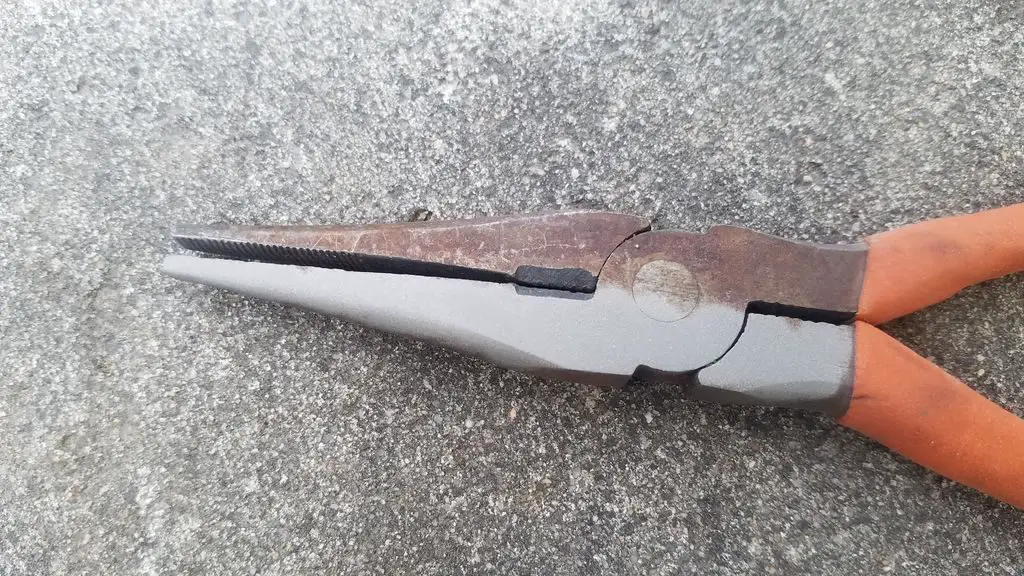
  • Long Nose / Needle Nose Pliers & Some Newspaper – Buy Here

How To Remove Screws

Removing screws and screwed on brackets should be fairly straight forward. You’ll need to use a suitably sized Philips or flat head screw driver and unscrew the screw.

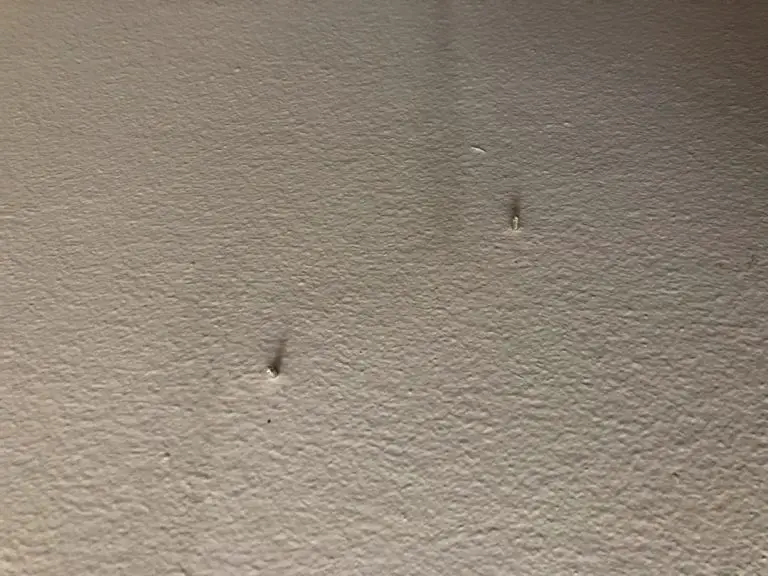
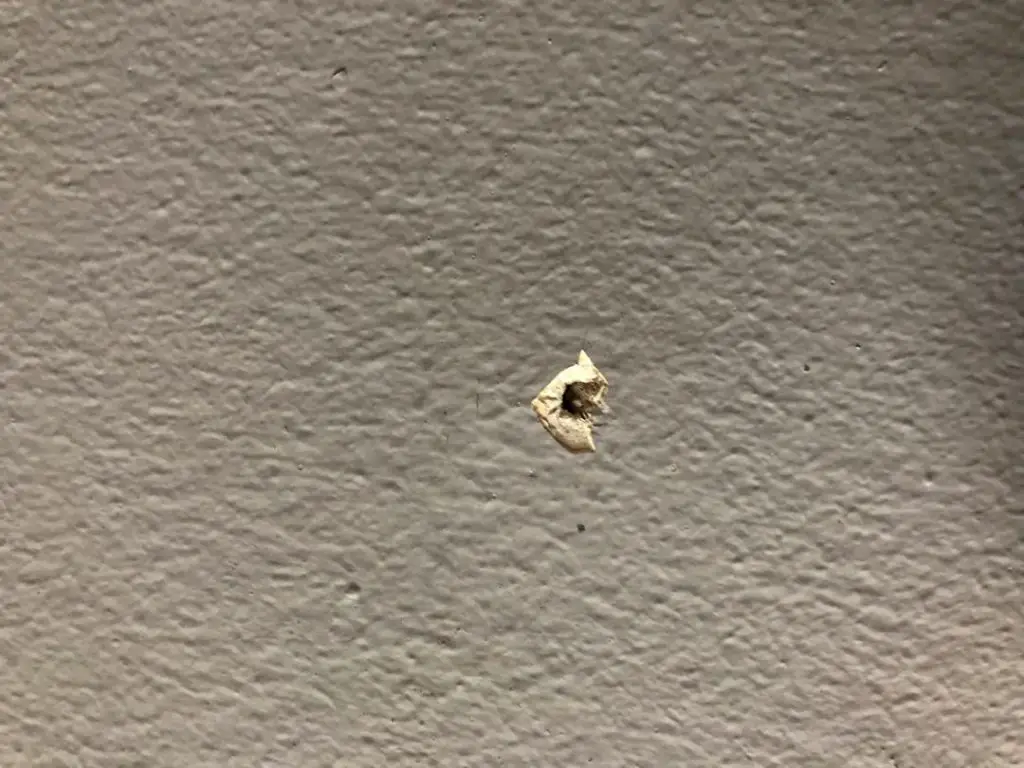
In most masonry applications, the screw would have been held in place with a plastic or wooden wall plug. If you can easily grab onto the edge with a needle nose pliers, try pulling it out of the hole after you’ve removed the screw. If it won’t come out of the hole the gently use the tip of the screw driver to bend the edges into the hole and push it deeper into the hole such that no plastic or wood protrudes from hole.

hole in masonry wall

How To Remove Nails

To remove nails, you’ll need to either use a claw hammer if your nail has a head or a long nose/needle nose pliers if it does not.

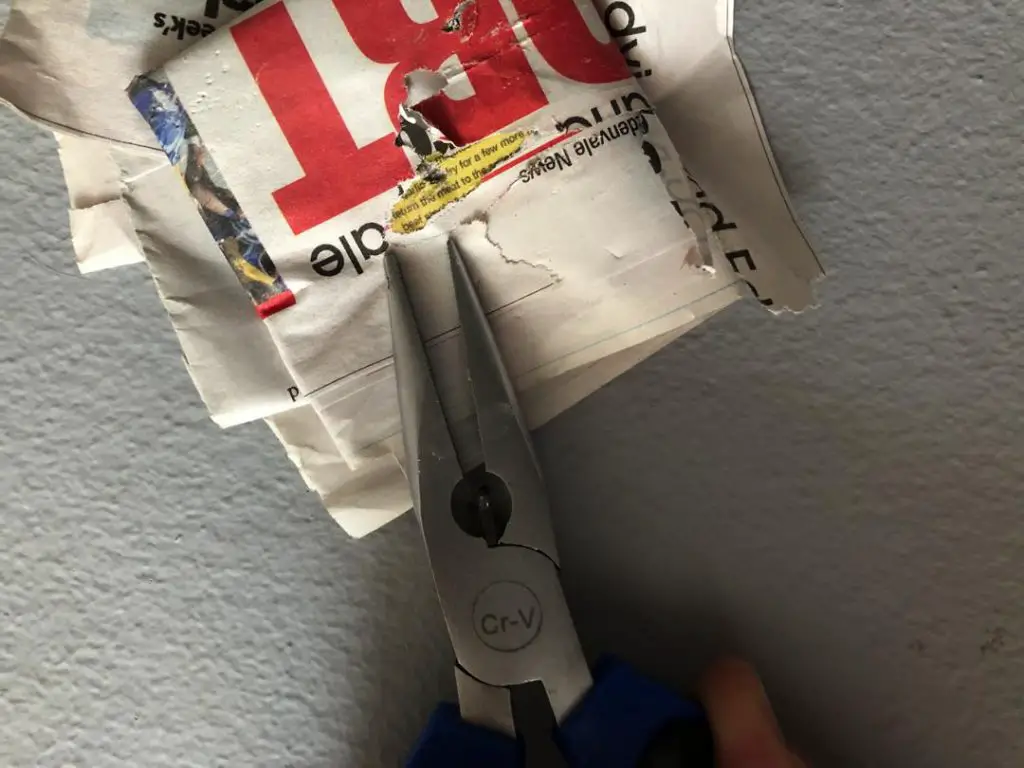
Place a sheet of folded over paper or newspaper beneath the head of the hammer or pliers while prying the nail out so that you don’t damage the surrounding area of the wall as well.

Use the claw of the hammer to pry up on the head of the nail to remove it.

Removing a Nail From The Wall

If you nail doesn’t have a head, use a needle nose pliers to grip the nail and then pry it out by pulling up on the nail and using the tip of the pliers as a lever.

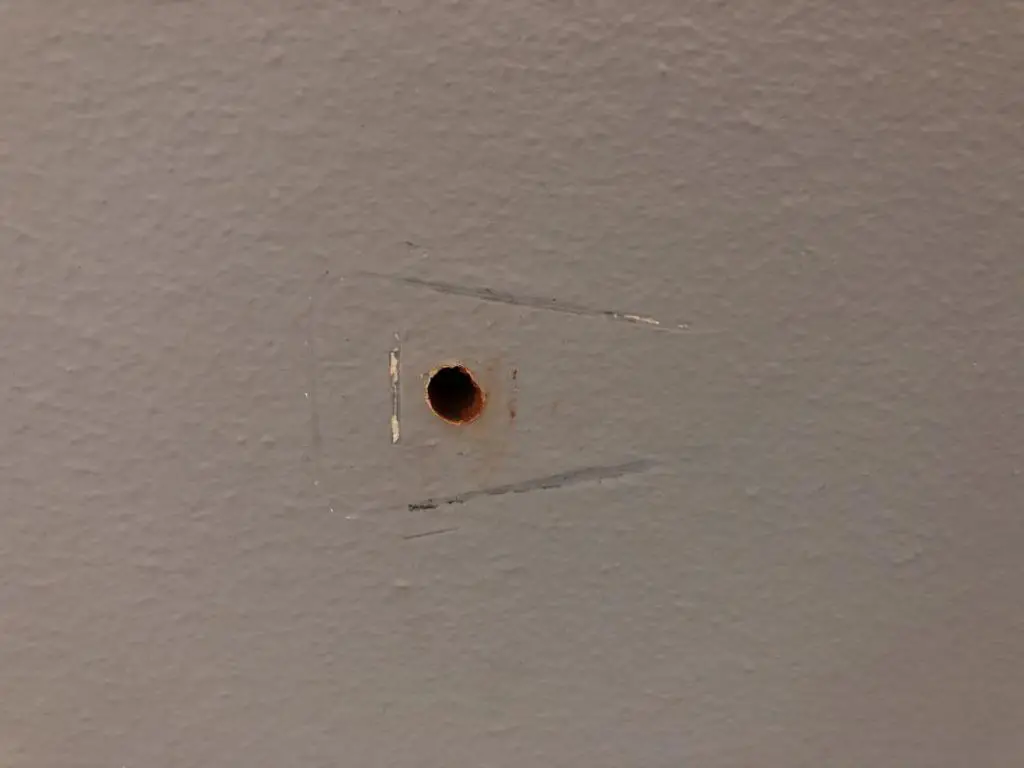
nail hole in masonry wall

Touch Up The Holes In The Wall

Once you’ve finished taking out the screws or nails, you’ll have an unsightly hole in your wall which you’ll need to fill and touch up with paint. The good news is that if the touch up is done properly, you won’t be able to see that there ever was a hole in the wall to begin with.

What You Need To Fill and Touch Up The Hole

  • Crack Filler / Spackling – Premix or Powder – Buy Here
  • Flat Scraper or Spatula – Buy Here
  • Sandpaper – 180 Grit – Buy Here
  • Large Paint Brush – Buy Here
  • Matching Touch Up Paint

How To Fill and Touch Up The Hole

To start with, you need to fill up the hole. Start by clearing out and remaining protruding pieces of the wall plug or damaged plaster surrounding the hole. The surrounding area should either be level with the wall of part of the hole, nothing should protrude from or around the hole.

Mix up from crack filler if you’re using a powdered mix, following the directions on the packaging. You want your crack filler to be stiff and to keep its shape but not dry.

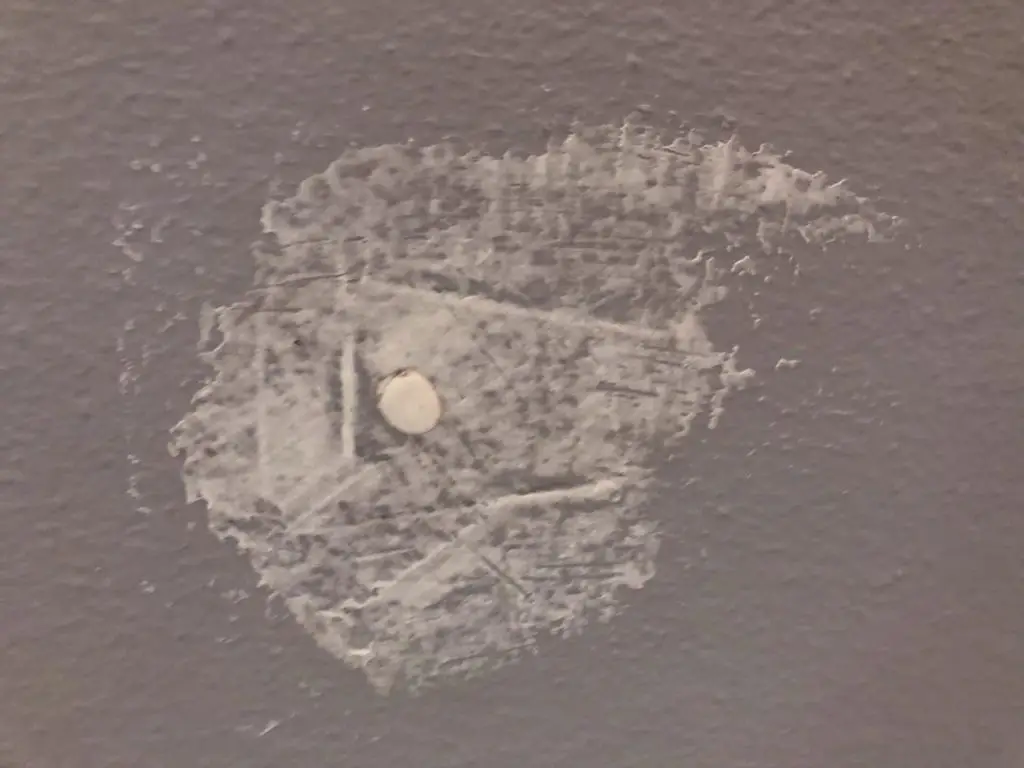
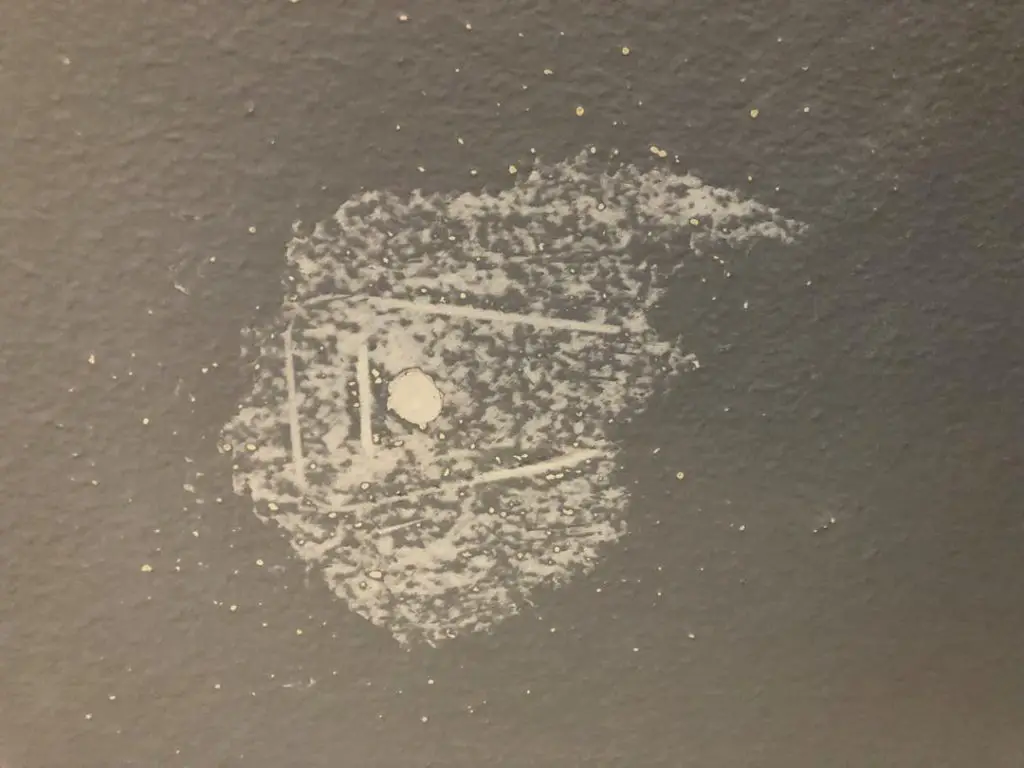
Use your spatula or scraper to push some crack filler into the hole and over the surrounding area to fill the hole to the level of the wall around the hole. Don’t worry about over filling it or any high spots and you’ll sand these down in the next step. Make sure that you don’t have any low spots. Also make sure that you fill any areas which the brackets or pliers/hammer may have pitted or dented around the hole.

filling up the hole with crack filler

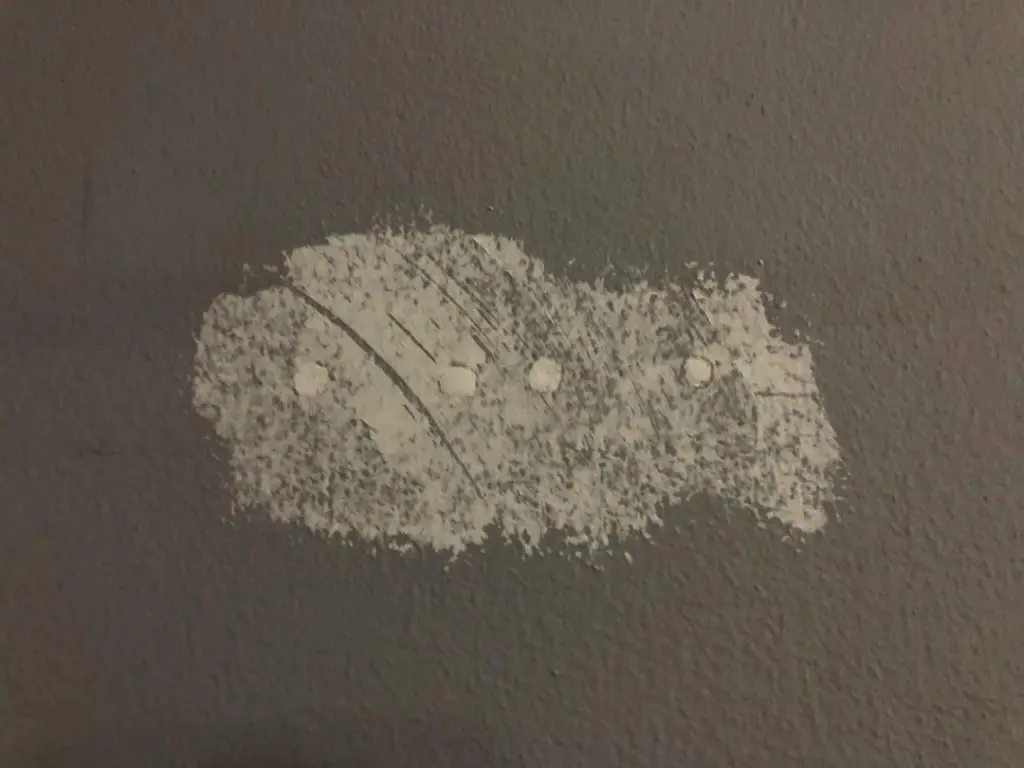
Allow the crack filler to dry completely before attempting to sand it. This usually takes around an hour or two but can take longer depending on the type of filler and the weather. The filled patch should not have any visible water marks or damp spots when it is ready to be sanded.

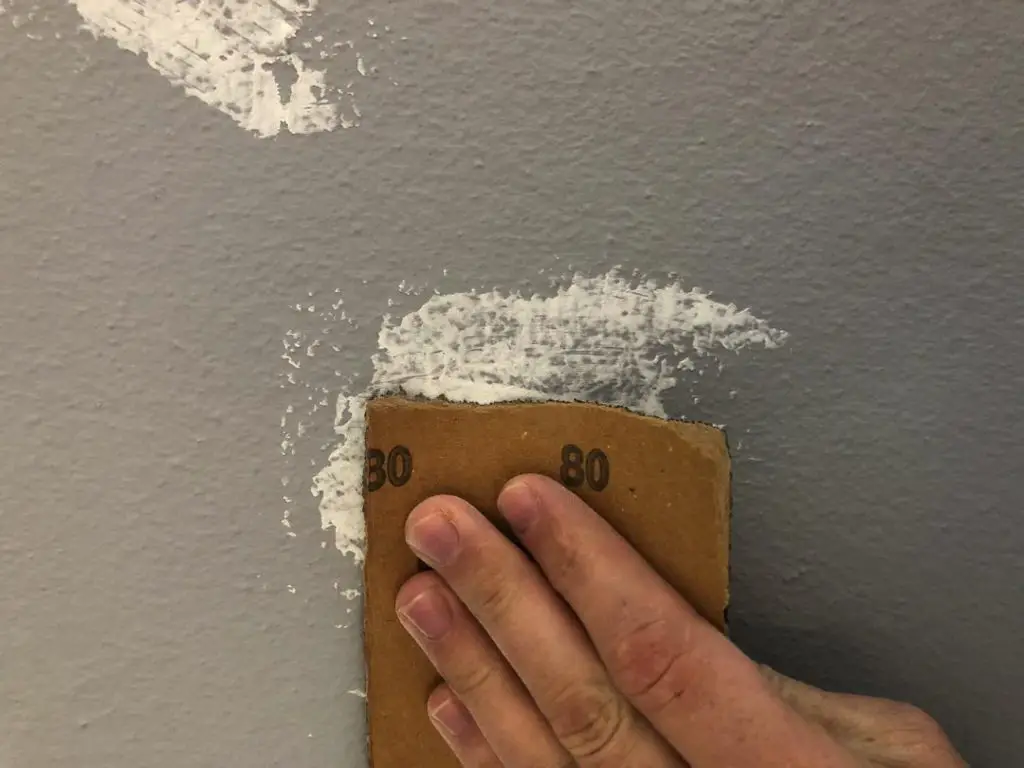
Now gently sand the filled in area with a larger piece of sandpaper and a sanding block, or by hand using even pressure across the surface so that the filled in area becomes smooth and level with the rest of the wall. Don’t press too hard, creating divots or low spots and don’t leave a bulge of crack filler on the wall around the hole. You can use the edge of a level or ruler to check that the area is the same level as the surrounding wall.

gently sand the filled in area
sanded area

Once you’re happy with the filled in area, you’re ready to touch up paint. Getting the right colour touch up paint is critical to getting the best finish. You should always keep a pot of touch up paint handy when you finish painting your walls in case you need it in the future. It may also be worth noting the mixing quantities or batch number of the paint you’ve used in case you need to buy some in future. Keep in mind that once it is applied to your walls it will fade with time so even using the same paint which you used originally, it probably won’t match 100%. This is where using the correct paint technique will help.

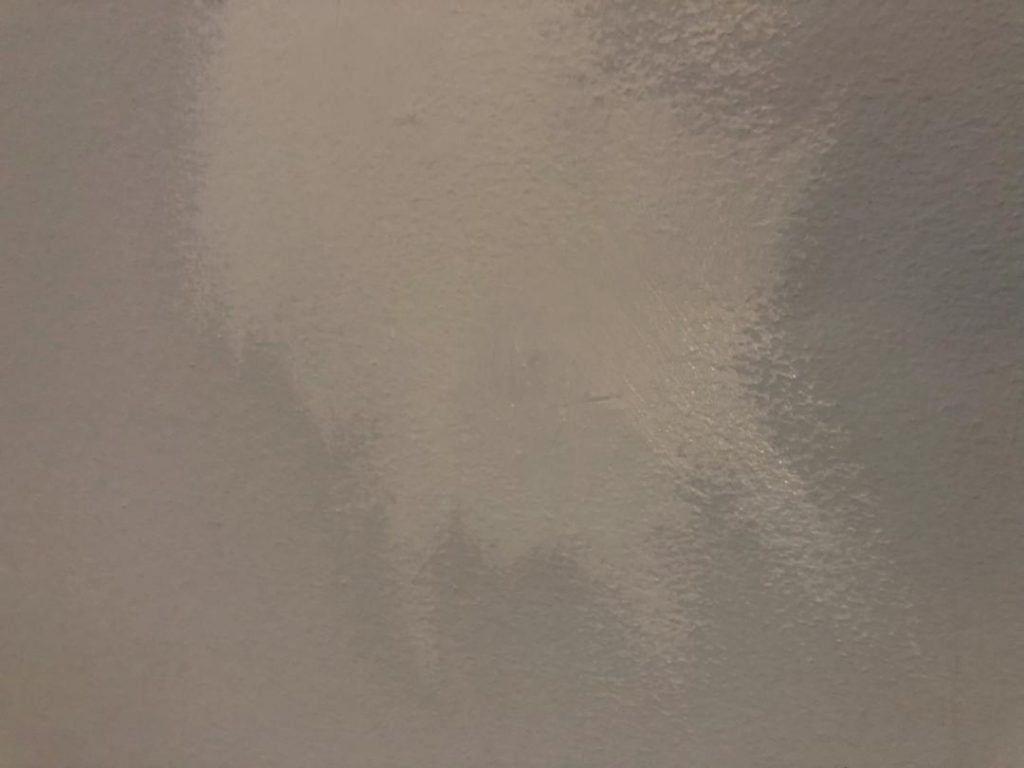
Apply a generous amount of paint to your brush and then start in the centre of the filled in area, covering the area and then brush outwards with large strokes to thin out the paint and lighten your strokes. You should land up with a “wet” area three to four times the size of the filled in area with a thicker coat of paint in the centre and a very light coat on the edges to blend in with the wall.

touched up area when wet

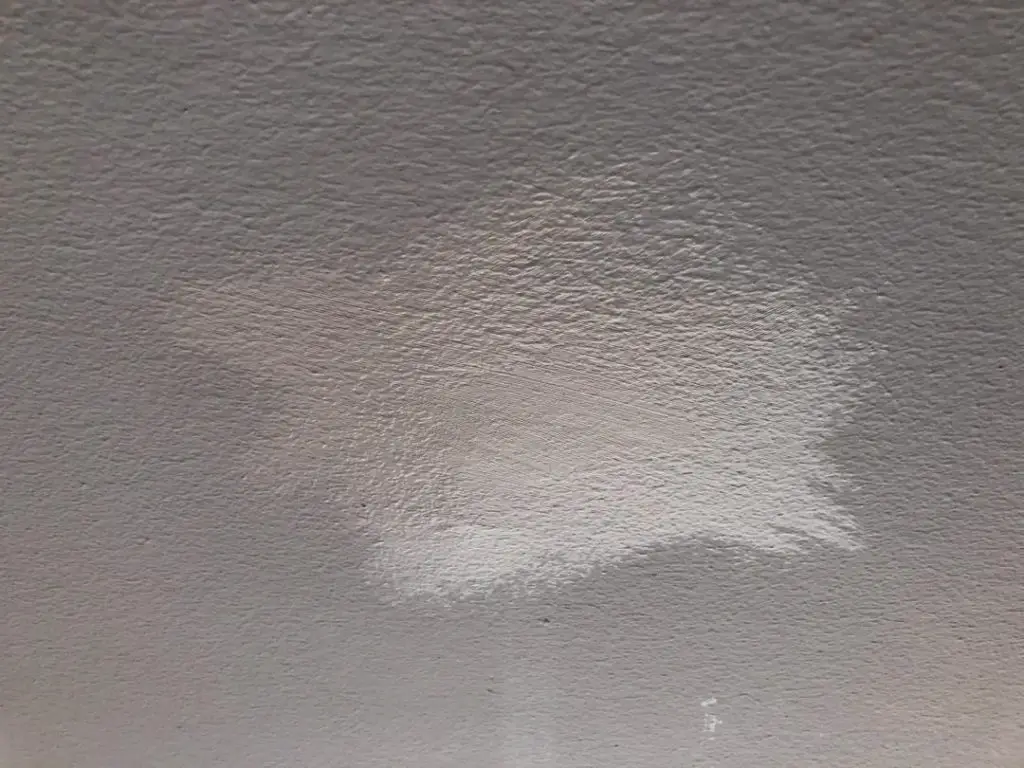
Allow the coat of paint to dry. If done properly you should only need a single coat unless you are using very dark colours. Once the paint has dried completely, you should barely be able to see that the area has been touched up.

touched up area once dry

Have you tried touching up holes in your walls? Let us know your tips and tricks or how it went in the comments section below.

Share this post:

How to Remove Screws and Nails and Touch Up A Masonry Wall Share On Pinterest

Successfully Incorporating Maximalism in a Small Home

For many years now, interior designers have been in love with minimalism and praised the effect it has. This was something that people with small homes particularly loved, as it allowed them to have modern designs without feeling like they have cluttered the space. On the other hand, minimalism is slowly becoming obsolete and professionals agree that the time of maximalism is here instead. If you’re afraid that statement colours, bold designs, and the mix of textures might be too much for your small home, guess again! We’re here to help you successfully incorporate elements of maximalism without making it look cluttered.

Make a Statement

First and foremost, you should look for a way to make a statement in your own home. The interior of your home should be a reflection of who you are and what you like, and thanks to maximalism, that’s exactly what interior design is all about in 2019. Try to pick an interesting (if strange) piece of furniture that’s going to add a touch of contemporary sophistication to your home. It can be something as simple as an antique armchair or a brightly coloured coffee table. A statement piece doesn’t have to be big in order to draw attention and make the space look more sophisticated.

Choose what to Accentuate

When you live in a small house or a tiny apartment, it’s a bit difficult to incorporate a lot of different accent and statement pieces. Why not turn one of your walls into a statement wall? Let it be the focal point of the room, a place where textures and colours will be intertwined to create a small work of art no one will be able to overlook. The same can be done with floors. You can cover them with colourful rugs and carpets, or you could even use stone pavers, a trend that’s been focused mostly on the exterior but designers have started using it indoors as well. It will make the room truly come together while still making it look natural and eye-catching. Such walls and floors will make any room look monumental, thus making us think of rustic castles and cabins in the woods.

Choose what to accentuate

It’s all About the Details

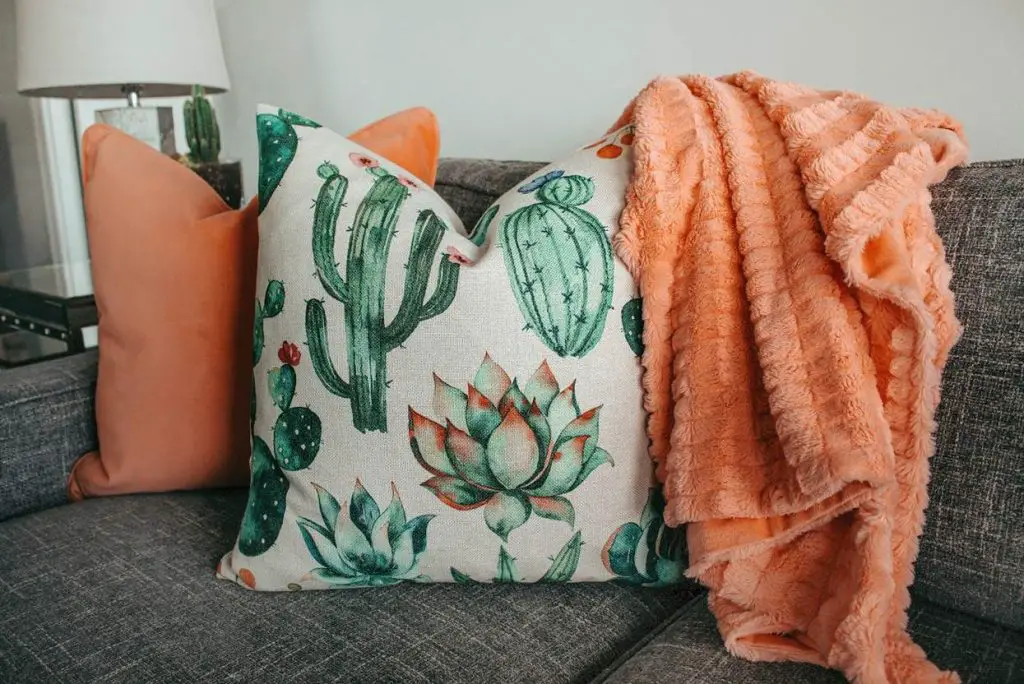
Details are what makes a home out of a house, and this year details are all about bright colours and eye-catching prints. You can use such details pretty much anywhere and everywhere – on soft throw blankets you keep on the couch, decorative bowls on the coffee or dining room table, throw rugs in front of the armchair… If your living room is very small, try to bring in a couple of big throw pillows instead of a half a dozen small ones. Such pillows can sometimes be used to make sitting on the floor more comfortable, and when it comes to the print, be as creative as you wish. Same-coloured pillows are passé, and different colours will brighten up the place considerably.

It’s all about the details

Mirrors and Lighting

Items that have always been considered the best décor option for small places are mirrors, because they can make any room appear bigger as well as brighter. When you strategically place them around your home, for example at the end of a long and narrow hallway, they can reflect the light and make the room brighter. Besides, maximalism celebrates creativity, and you can work with different shades and textures, which is convenient when you’re picking out frames for your mirrors. When you combine big mirrors with a variety of floor and table lamps, you can do wonders in a room. Shadows can affect people’s perception of space positively and you can adjust the brightness and play with different angles of light.

Mirrors and lighting

History teaches us that trends come and go in the blink of an eye, and you shouldn’t blindly follow them just because they’re popular at the moment. On the other hand, if you find a trend that you like, you shouldn’t hesitate to incorporate at least some of its elements into your home. Don’t be afraid to give maximalism a try, especially if you’re looking for a way to step away from minimalism and try something new. If you are willing to experiment a little bit and keep an open mind, you can make your small home look fabulous.

How To Make Your Yellowed Sheets White Again

Do you have white sheets at home which have slowly become more and more yellow, no matter how often you wash or bleach them? Bleach isn’t the best way to get your sheets white again, so we’re going to share our favorite tips with you to get your sheets looking crisp, fresh and new.

If you’ve got yellow stains on your shirts or clothing, have a look at this guide on removing yellow sweat stains from shirts.

Don’t Use Bleach

While bleach may seen like the go-to solution for stained or yellowed sheets, its not the best product for the job. Chlorine based bleaches react with the proteins in sweat and body oils or fluid stains and this leaves a dirty yellow stain.

Our Whitening Solution

We’ve found that the best way to get your sheets looking white again is to use a whitening laundry booster like OxiClean (non-chlorine based) or borax. Soak your bedding overnight with a mild solution, following the directions on the packaging, and then launder them as usual in the morning. This process really makes a big difference in getting your sheets looking and feeling new again.

If you’d prefer a more natural route, you can use natural cleaners such as vinegar, baking soda or lemon juice. Pre-soak your linen in warm water and add a half cup of vinegar, allowing it to soak for an hour or two. Then launder with a half cup of baking soda or lemon juice along with your regular detergent. The lemon juice will give your linen a wonderful citrus smell which takes away the lingering odour from the vinegar.

Try Bluing

As a last resort, you can try a product like Mrs. Stewarts bluing solution. This adds a slight blue tint to your wash which counteracts the yellow to leave a crisp white. This really works well, but you need to be careful with it as it can also cause staining.

Keep Your Bedding White

Making some simple lifestyle adjustments can also go a long way to keeping your linen white, try making these changes:

  • Don’t eat in bed. Eating in bed is the easiest way to get stains from spilled food or drinks which can be really difficult to get out. Rather stay away from eating in bed.
  • Wash your face before going to bed. This applies to both men and woman. Woman, wash your makeup off and men, wash off the dirt and dust from the day.
  • Separate your whites. If you want your linen to stay white, only wash it with other whites. Don’t mix colours when doing your laundry.
  • Launder regularly. You spend a lot of time in your bed and even if you shower before going to bed every evening, you should still regularly wash your bedding. Try washing your bedding every week and definitely don’t go more than two weeks between washes.

Do you have any tips and tricks for getting stains out of your linen or keeping your sheets white? Let us know in the comments section below.

Share these tips:

How To Get Your Yellowed Sheets White Again

Keep Cool and Save Money This Summer With These Awesome Home Improvements

Want to beat the sweltering summer weather? Cranking up the AC isn’t the answer, especially if you’d rather not exchange the high temperatures for massive power bills. Upgrading your home in pursuit of enhanced energy efficiency, on the other hand, is a great way to stay cool without breaking the bank.

How can home improvement make your abode more welcoming when the sun is beating down hard? Try these clever DIY hacks to redefine how you relate to rough weather.

Exterior Improvements for Cooler Interiors

Many exterior DIY improvements can help produce more moderate temperatures indoors. The best time to tackle these projects is before it gets too hot, so what are you waiting for?

Build a Green Wall

A green wall is a wall that features living vegetation. Since plants survive by being efficient sunlight absorbers, they’re great at soaking up the rays that would otherwise heat up your home. According to the American Society of Landscape Architects, green walls can have huge positive impacts on living conditions. Some lower temperatures by up to 10 degrees Celsius, or about 18 degrees Fahrenheit, and they may lower your energy bills by as much as 23 percent. They’re also great at blocking noise, sucking up pollution and improving privacy.

Even better, there are many tools for creating green walls, including permanent hangers that sit directly on existing walls and arbor-like structures that serve as trellises for vines. When building your green wall, remember to:

  • Try to plan the whole project out before you start digging and seeding,
  • Choose a structure or design that can withstand your local wind and weather,
  • Consider self-watering upright garden kits, palettes with hanging planters, self-supporting vertical gardens and other commercially available DIY options,
  • Pick native or well-adapted plants that require minimal care to keep alive, such as herbs and groundcovers, and
  • Manage drainage carefully to prevent water from accumulating around your home’s foundation.

Plant More Vegetation

Grow your own veggies! Certain vegetation can serve the same purpose as a green wall without all of the extra planning. For instance, if you live in dry regions, such as the deserts of Southern California or Arizona, you might plant shrubs like oleander, which is known for forming hardy hedges that can survive abuse and thrive in near-drought conditions.

Flex That Green Thumb

If you’re a gardener, then you can choose plants that fill your fridge and offer shade. For instance, cucumbers, squashes, melons, tomatoes and other fast growers can quickly branch out to block heat and light, keeping your home cool. This technique is particularly useful with raised beds, but if you’d rather not bother with replanting each spring, you can still do nicely with various elevated shade plants, such as primrose, lady’s mantle, spurge or fountain grass.

Go Even Bigger

Planting trees is also a smart move. Check your local garden center to find species that spread rapidly and are easy to prune, such as crepe myrtles or eucalyptuses. Although you’ll have to wait a year or two for these attractive shade-givers to get established, they’re well worth it in the long run.

Upgrade Your Building Envelope

You don’t necessarily have to replace all of your siding or roofing to beat the heat. Instead of attempting these expensive, stressful upgrades, you might get away with refinishing whichever exterior walls are the most exposed to the weather. For instance, some vendors sell heat-resistant exterior wall paint or insulating additives that you can mix into your favorite exterior colors to help reflect heat away from surfaces like wood and brick and keep them cool.

Keeping Things Nice and Cool Indoors

Don’t feel like subjecting yourself to the outdoors? Try some of these interior improvements to make your life a bit cooler.

Hang Thermal Curtains or Blackout Shades

The benefits of blackout curtains is clear…they help block infrared radiation that would usually pass through your windows and heat up the interior of your home. They’re relatively easy to install, and they come in a spectrum of colors and materials that make them ideal for any aspiring interior designer who wants to spruce up their surroundings. What’s more, these curtains are equally at home on patio doors and other notorious household hot spots.

Curtain-hanging Tips

When hanging thermal curtains, remember that some may be slightly heavier than standard window treatments are. Although the difference isn’t usually that extreme, it’s wise to check your mounting hardware. As with hanging any curtain, you should ensure that your brackets are firmly fixed to the wall beforehand.

Customize Your Shades

Installing blackout shades is another great way to upgrade your window coverings for improved heat blockage. Since they’re available in a wide range of dark, paper-like materials, they make great canvases for DIY art projects. With little more than a bit of inexpensive, non-toxic paint and a lazy weekend, you can give your kids something constructive to do — Let them personalize their shades. Pre-made stencils are a perfect choice for clean, fashionable designs.

Open Some Space with Spring Cleaning

Air circulation is massively helpful when you’re trying to avoid heat buildup. Clearing up the clutter around your house ensures that your AC or fan doesn’t have to work as hard to maintain the temperature you prefer. By letting air circulate freely, you’ll also feel more cool and comfortable and less prone to crank up the dial. Cleaning dust and debris also prevents it from getting sucked into intake vents and clogging filters, which might significantly lower your AC’s cooling efficiency.

Rearrange Your Household Electronics

It’s common for North American homes to develop “hot sides” due to the position of the sun during the summer months. The way you arrange certain electronics and appliances, like computers and clothes dryers, might make such tendencies even more extreme. If possible, reposition these items so that they take advantage of naturally cool areas in your building and don’t exhaust hot air into living spaces.

How are you planning on conquering the summer heat? Did we miss any of your favorite DIY tricks? Stay tuned for more great tips on keeping your surroundings comfortable year round.

Off-Grid Living – The True Cost Of Building A Self Sustaining Home

Over the last few years, there’s been a strong shift in thinking, with more and more households becoming aware of their environmental impact. With this shift, living off-grid is becoming more and more popular as people are looking at ways to reduce their costs of living and their environmental impact. While it may come with some challenges initially, and requires a significant change in lifestyle, the potential for long term savings may make it worth while for you.

Here’s a great info-graphic from Big Rentz which explains how some of the most common homes are built and how much it costs to take your home off-grid.

Infographic attribution – https://www.bigrentz.com/blog/off-grid-living

If you’re interested in the topic and you’d like to read more, have a look at our guide on how to take your home off-grid the smart way or if you’re just interested in saving money and making your home more eco-friendly, have a look at this info-graphic on passive housing – a smarter way of living.

The above articles also provide a useful spreadsheet to estimate your household’s power requirements and make sure that your solar or alternate power source is adequately sized for your home. There’s also a useful tool for estimating the number of batteries you’ll require and how long you can expect them to last. Remember that it’s a lot more cost effective to start off by making your home as energy efficient as possible before trying to take it off-grid.

Have you taken your home off-grid or are you investigating off-grid living? Let us know your thoughts and ideas in the comments section below, we’d love to hear from you.

Top Painting Tips For 2019

Giving your home, a room or an item of furniture a fresh coat of paint is one of the best and most affordable ways to refresh and upscale it. Here are some 2019 trends and tips to make your next painting job a breeze.

Whites Are Back In

It’s time to abandon the cooler grey tones which have dominated the home decor space for the past few years. More and more people are going back to warmer white tones and adding colour to the room with brightly coloured furniture and decor. Conversely, giving an old item of furniture a bright coat of paint may be just what your room needs to lighten it up. Have a look at these tips and tricks for painting furniture and cabinets.

White helps to reflect the light in your home which instantly brightens it up and greats the illusion of more open space.

Keep Your Brushes Wrapped Up

Whether you’re in the middle of a painting job and need to take a break for a few hours or you’re storing your clean paint brushes for a few months, this tip is a must.

wrap your brushes in plastic

Instead of cleaning off your brushes every time you take a break, simply wrap them up in plastic wrap, foil or a sandwich bag. This will prevent the paint from drying out and let you take a break and get back to work much quicker and more easily.

This tip also works well for long term storage of your brushes. Keeping them wrapped up keeps the bristles together and in good condition. Preventing dirt, dust and fibres from contaminating the bristles.

Ceilings No Longer Need To Be White

More and more people are dressing up their ceilings with a coat of coloured paint instead of the traditional white.

A dark coloured ceiling creates a more cozy and intimate feel, which really helps if you have double volume rooms or really high ceilings. This work particularly well in rooms used for relaxation such as bedrooms, the living room or a library.

Light colours offer a more vibrant and spacious feel, brightening up the mood of a room. These are more suited for “busy” spaces such as in the kitchen or play area. The best tip when working with light colours is that the less the contrast between the colour of your walls and your ceilings, the more spacious the room will feel.

colour your ceilings

Don’t Buy Cheap Brushes

In the competitive world of home products and DIY, suppliers are always looking at ways to reduce costs and create a perception of value for money. Don’t get caught out buying cheap brushes and rollers to apply your expensive paint. Buying more expensive brushes will give you a better surface finish, better coverage, leading to less money spent on paint and will save you time and frustrating in not having to pick bristles out of your fresh coat of paint or having a roller seize up halfway through a wall. Cheap brushes and rollers usually land up costing you more in the long run.

Box Your Paint

A new trend in the painting industry is to “box your paint”. For those who have never heard the term before, you get a good estimate on your paint quantity required, buy it all at once and then mix the individual containers together into one large container to ensure that you get a uniform texture and colour regardless of the batches and production dates of the paint.

If you’ve ever purchased the same paint colour in different batches then you’ll know the frustration in seeing the paint dry to reveal an obvious line of colour difference. Boxing your paint aims to alleviate this problem.

mixing paint

If you enjoyed this article, you may be interested in decorating your home on a tight budget.

Have you got any tip or tricks which you’ve learned while painting and you’d like to share? Leave a comment below, we’d love to hear from you.

How to Transform Your Fixer-Upper with New Flooring

When you’ve decided to renovate a fixer-upper, one of the easiest ways to transform the space is by installing new flooring. Whether the home currently has old carpet, cracked tile floors, or outdated vinyl flooring, you can give the space a dramatic makeover by installing beautiful new floors. New flooring will not only revive the space but can also create a fresh new look that enhances the style, theme, and ambiance of the home. Here are some tips and ideas for renovating your fixer-upper with new flooring:

Invest in Longevity and Durability

If you plan on keeping the home for many years and don’t anticipate doing any major renovations after this one, consider investing in the flooring that is least likely to get scratched, start buckling, or require costly repairs, such as:

  • Bamboo — Bamboo flooring is a very durable type of flooring material and comes in a variety of shades and plank widths. You can create a classic hardwood flooring look with brown and tan shades or something more modern and trendy with antique gray or dark red shades. You’ll need a professional installer to make sure the bamboo planks are installed perfectly, but the investment can be worth it in the long run.
  • Natural Stone — Stone tile flooring is another option when you’re considering flooring materials that will withstand the test of time. Granite is the hardest of all natural stones and is very scratch-resistant. Slate and marble are some other popular options for flooring, especially in areas where you want to create a more dramatic look. You can find stone tile in a variety of finishes and colors to create the ideal ambiance for your living space.
  • HardwoodHardwood floors are fairly easy to maintain but will require using a special hardwood floor cleaner. They will last for decades and can be sanded down or polished when it’s time for a refresh. However, hardwood floors will show signs of wear and can get damaged when exposed to moisture. They may warp in extremely hot and cold environments, so, if you live in a humid climate, hardwood floors may not last as long as you would like. For these homeowners,tile flooring can be an attractive alternative to hardwood.
  • Laminate — If you’re on a tight budget but want the look of wood, laminate flooring may be your best option. Laminate flooring is less expensive than real wood and is also cheaper to install. Today’s laminate flooring manufacturers use advanced technologies and techniques to achieve lifelike finishes that replicate the grain patterns and even texture of hardwood flooring. You can choose from distressed styles, high gloss finishes, and even hand-scraped textures when you want to transform your space. Laminate floors are stain and scratch-resistant, so you can maintain the floors for years to come.
  • Vinyl Plank — Vinyl plank flooring is another versatile option for virtually any space around the home. It’s designed to be stain and scratch-resistant like other types of flooring and is also inexpensive. You can find vinyl planks in several thicknesses, widths, colors, and designs to transform your living space.

Leave Room in the Budget for Installation

Click Laminate Flooring

Renovating a fixer-upper means you’ve probably set aside a budget for all your materials, contractors, and any DIY projects. When it comes to installing new flooring, you really need to consider whether you’re confident enough in your DIY skills to handle the project or if you should hire a professional. While you will save money by doing it yourself, you also run the risk of making costly mistakes and spending more time than you planned on the project.

Easier DIY Flooring Options

Vinyl flooring is one of the few types of flooring you can install on your own and is typically installed with an adhesive on top of the underlayment. Engineered wood planks are another popular option for DIY projects. Unlike solid wood, engineered planks are made with thin sheets of wood veneer and can also “float” on top of an underlayment for an easy installation.

Laminate flooring is another floating floor option. Since it’s made of plastic, it’s relatively easy to work with and installation only takes a few hours . Since it’s also one of the more affordable options out there, it’s a popular choice for homeowners working on larger areas or fixer-upper projects.

Consider Your Decor, Style & Theme

Choosing A Type Of Flooring

You have many options to choose from when it comes to flooring, and it’s important to consider how you’ll be styling the space and what type of furniture will be sitting on the floors before making your final decision.

For example, do you want to invest in luxury vinyl or bamboo floors in heavy-use areas like the family room and hallways when most of the floor will be covered by a rug, runner, or furniture? Is it wise to cut costs with laminate flooring in the living room or master bedroom when you plan on spending a fair amount of time in that room or want to impress your guests?

Taking some time to prepare a decorating plan for your fixer-upper—from the theme and color palettes to the furniture and artwork—can help you make the right decision on flooring. The last thing you want to worry about is the color of the floors clashing with the wallpaper and decor, or how you paid a premium for bamboo and hardwood flooring in a room that’s almost entirely covered with a rug.

Mapping out the details of your interior decorating and design plans before you install your new floors can set you up for a successful home makeover. You can speed up this process by working with an interior designer or decorator. These design professionals will not only help you pick out the right colors and styles of furniture and decor, but can also make recommendations on what type of flooring will complement the theme and ambiance you’re trying to create.

Get Ready for Your Home Makeover

Transforming your fixer-upper with new floors can be a fun and exciting renovation project. Whether you decide to install the new flooring yourself or hire professional installers, you’ll need some time to consider all your options and styles. Use these tips as a guide to help you make the most informed decisions about your flooring project, and start looking forward to your home makeover in a few short weeks.

7 DIY Tips to Clean and Maintain Your Lawn

A beautiful healthy lawn is more than just looks. A well-maintained lawn has many benefits including improved soil, reduced temperature, air cleansing, and Carbon dioxide reduction. However, to maintain and clean a lawn is not always an easy task so below are the seven DIY tips to help you better clean and maintain your lawn.

Also be sure to check out how to upgrade your garden with these 5 easy hacks.

1. Clean out weeds and leaves

Did you know that fallen leaves and weeds in your lawn allow pests to settle in? Moreover, weeds compete with flowers for moisture and nutrients. It is easy to stop weeds from growing in your lawn by using a pre-emergent herbicide. This will help to prevent and reduce the presence of crabgrass and other weedy plants from growing. 

Not a fan of using chemicals in your yard? No problem. You can also remove weeds naturally rather easily if you do it after a rain. The soil is softer and the weeds will pull out without as much effort. 

A good tip for after cleaning out falling autumn leaves is to let them sit for a year behind shrubs. After a year, you can then use them for flower beds because they become humus-rich leaf mold.

2. Clean out gutters 

Gutters are known for becoming clogged with leaves and other debris and this problem may lead to sagging gutters, foundation problems, or even worse, a flooded basement. 

If you have gutter covers, remove them, then flush the gutters with a water hose to remove any collected leaves. Also, don’t forget to clear out the down spouts too. 

7 DIY Tips to Clean and Maintain Your Lawn

3. Trim branches 

Overgrown and rogue tree branches take away the beauty of the tree. Damaged, diseased and odd growing branches can also kill your shrubs and trees if they are left unattended. 

You should inspect the trees and shrubs in your lawn and cut down branches that have died or seem out of place.

After trimming, always use a rake to remove debris and dead leaves. Dead leaves and debris can be dangerous since they invite bacteria and mould to grow which results in infection on shrubs and trees. 

4. Mow grass appropriately

A properly maintained lawn is denser and has the ability to resist weeds. To ensure it stays protected, always use a mower with sharp blades to achieve a clean cut. Dull blades will damage the lawn and make the surface uneven. 

Adjust the height of mower so that it can trim the grass to about 2 ½ inches. Selecting this height is beneficial for grass growth as it will not only leave your lawn looking plush but also better prevent weed growth and pests. 

Another good tip is to always change your mowing pattern by mowing at a 45 or 90-degree angle from the last time you mowed. This will result in upright grass growth and reduced soil compaction.

A cordless mower is the best choice for you as it cuts the grass evenly and easy to control. It is also less expensive to maintain over time and costs less to operate than a gas-powered mower. If you are wondering which lawn mower is suitable for your home then read this guide on the best cordless lawn mowers. It has everything you need to make a good choice.

5. Protect the mower deck

A deck is a covering for grass cutting blade at the base of your lawn mower. You need to ensure proper precautionary measure to protect the deck. Clean your lawn mower deck twice during mowing period will reduce the incidence of grass clippings sticking to the lawn mower’s underside.

It will boost mower performance as well as reduce the emergence of lawn diseases. Use water, soap, and a brush to clean lawn mower from dirt and grass clipping. A unique tip here is that you can spread vegetable oil on the deck after cleaning it to prevent any future grass clippings from sticking to it.

6. Water and feed grass 

The two most important things that your lawn will need are water and nutrients. Early morning is the best time to water, because the sun is not as harsh and won’t dry it out as fast. When you water the lawn in the night it will result in prolonged moisture too. 

Simply wetting the grass is not watering though. You need to fill the lawn with enough water so that moisture reaches a few inches down into the soil. Nitrogen is the most important nutrient lawns like to consume. Feed your lawn with a mixture of slow and fast releasing fertilizers so that grass grows quickly. 

Fall is the best time to apply fertilizers because the grass will utilize fertilizer to grow healthy roots and reserve some nutrients for a healthy start in spring. 

7. Apply grass seeds to bare spots

Naturally, a patchy lawn is hated by every lawn enthusiast. Determine and remove the problem which is causing dead turfs such as fungi, bacteria bugs or other pests. You can use a sharp shovel to cut the area around the bare spot. Remove the dead turf and fill the area with clean soil. 

Cast seeds on the area and spread compost on it. Dampen the area with a good bit of water and then cover it with mulch or hay to protect it from the sun and birds. Continue to water the seeds in early morning and evening until they germinate.

If you enjoy home grown veggies, we’ll show you how to grow your own veggie seedlings from scratch.

How To Replace The Home Button On An iPhone 6

Has your home button on your old iPhone 6 stopped working? Did you know that you can repair this problem at home for less than $10? This is a really easy repair to carry out yourself and you should be able to do it in 10-15 minutes. Get your old iPhone 6 working again to use yourself or to sell for some extra cash.

The guide below will take you through the process of replacing your home button assembly step by step. Some suggested purchase links for replacement parts and tools are provided below.

While this repair restores the home button functionality, the touch ID sensor is paired to your iPhone’s logic board so you will lose the touch ID functionality. At this stage only Apple can replace the home button and retain the touch ID functionality.

If you’ve got any other problems with your old iPhone or you’ve got a different model, have a look at these other iPhone repair guides.

What You’ll Need To Replace Your iPhone 6 Home Button Assembly

  • Your Damaged iPhone 6
  • Home Button Assembly Black – Buy Here
  • Home Button Assembly Gold/White – Buy Here
  • Home Button Assembly With Tools Gold/White – Buy Here
  • Home Button Assembly Silver/White – Buy Here
  • Premium Tool Kit Only – Buy Here
  • Cheap Tool Kit Only – Buy Here

How To Replace Your iPhone 6 Home Button Assembly

Find yourself a nice flat and well lit area to work on. You’ll need an area to lay down the screws you have removed. I like to keep a small sheet of paper nearby and lay the screws I’ve removed down on the paper and mark off where they were removed from. There are a number of different sized screws in your iPhone and it’s important that you put them back in the correct places.

The two most important parts of this repair are to keep your screws really well organised so that you know exactly which one came out of where and to be careful when working with the ribbon cables, especially when opening up your phone, they are extremely fragile.

If you enjoyed this guide, have a look at these other iPhone repairs you can do yourself. Most iPhone repairs can be done at home for a few dollars, so don’t replace your iPhone until you’ve had a look at whether you can repair it at home first.

Good luck with your repairs and let me know how it went in the comments section below.

3D Printed GoPro Mount For DJI Osmo Pocket

If you’ve ever owned a GoPro and you’ve recently got yourself the new DJI Osmo Pocket then you’ll also likely be looking for ways to mount it and hold it to capture those great moments from a variety of angles. While one of the downfalls of the Osmo Pocket is its lack of a tripod mount thread or any other mounting arrangement, there is still a way to use it with your favorite GoPro mounts. With a 3D printer, you can easily print your own bracket to interface with all of your existing GoPro mounts.

If you don’t have a 3D printer or you don’t feel like making your own bracket, you can buy a similar bracket on Amazon – buy here.

DJI Osmo Pocket GoPro Adapter

What You’ll Need To Make A Osmo Pocket GoPro Mount

  • 3D Printer & Filament (ABS or PLA for strength)
  • Soft Foam, Felt or Material To Line The Adapter
  • Superglue
  • Craft Knife
  • Your GoPro Mount & Screw

How To Make An Osmo Pocket GoPro Mount Adapter

The bottom section of the Osmo Pocket is free from buttons or ports and so it makes the perfect area to for a band to wrap around and hold the Osmo Pocket, you just need a band and two flat pegs to interface with the GoPro mount.

I started out by finding some foam to line the inside of the 3D printed bracket with so that the Osmo Pocket doesn’t get scratched or damaged when “clamped” into the bracket. The foam I found was a few millimeters thick and easily compressible so I only needed to add around 1mm of clearance between the bracket and the Osmo Pocket to fill with the foam strips.

Measuring The Osmo Pocket

I then measured up the bottom width and thickness of the Osmo Pocket and put this into the CAD model to shape the bottom bracket and the GoPro mount interface.

This is what I came up with:

Osmo Pocket GoPro Adapter Model

You can download the 3D print model here.

I 3D printed the bracket in solid PLA with no infill.

Osmo Pocket GoPro Adapter 3D Print

Once the bracket was printed, I filed the rough edges, cleaned up the holes and trial fitted it to the GoPro mount. Once I was happy with the fit, I could line the inside of the bracket with foam strips.

3D Printing The GoPro Adapter
The Finished Adapter

The height of the bracket is 15mm, so I cut strips of 15mm from the foam section I had. I trial fitted them and trimmed them to the correct length and then used superglue to stick them to the inside of the bracket. I used the back edge of the craft knife to press the foam snugly into the corners.

Cutting Foam Strips
Glue The Foam Strips On

Once the glue has dried, the GoPro adapter is ready to be used.

Completed GoPro Adapter

Slide the bracket onto the bottom of your Osmo Pocket, squeeze the two flat edges into the GoPro mount to clamp the Osmo Pocket and attach it with the screw. You should now be able to connect your Osmo Pocket to any of your GoPro accessories and mounts.

Have you tried a bracket like this or something similar? Let us know in the comments section below. We’d love to hear your tips, tricks and ideas.