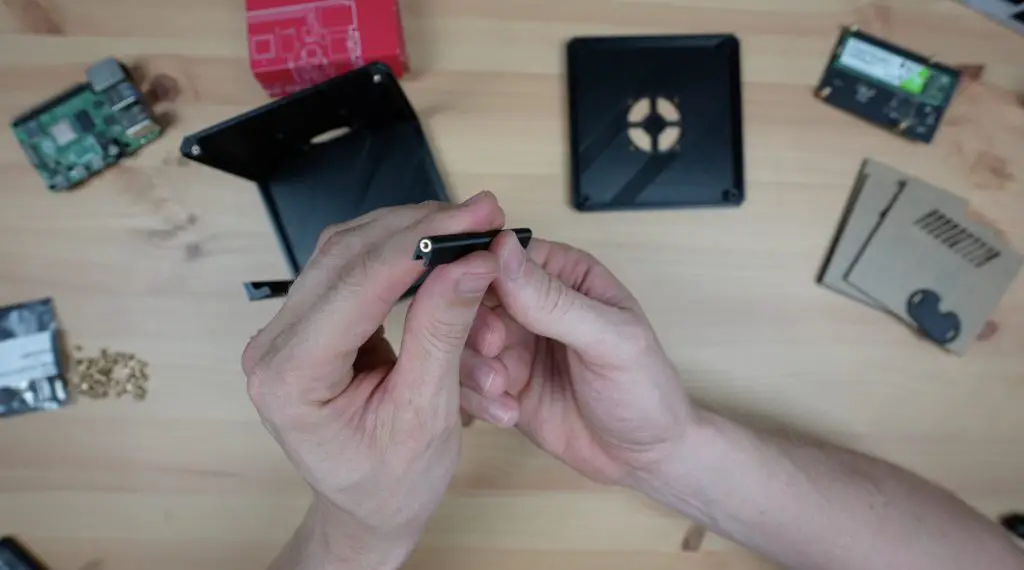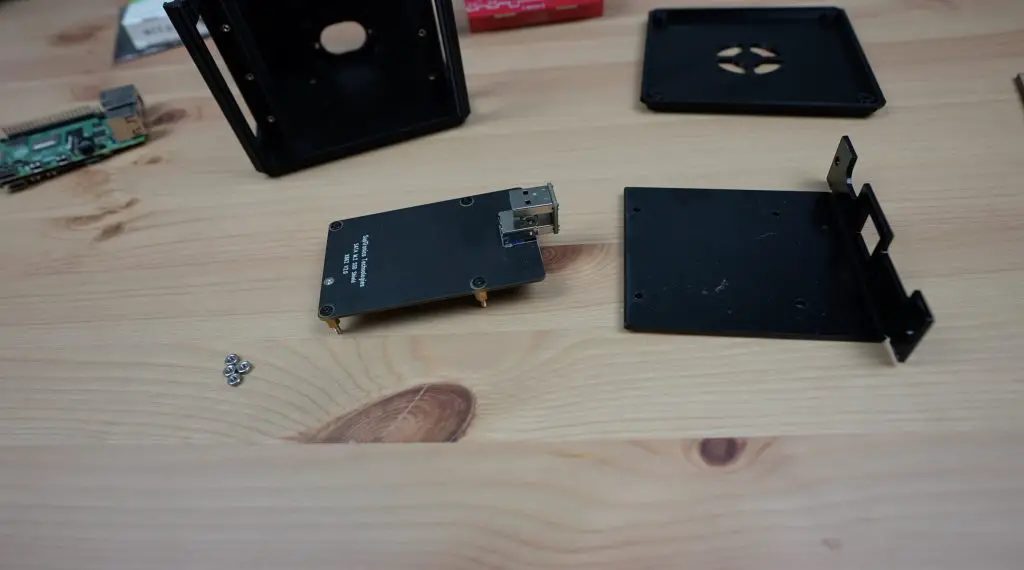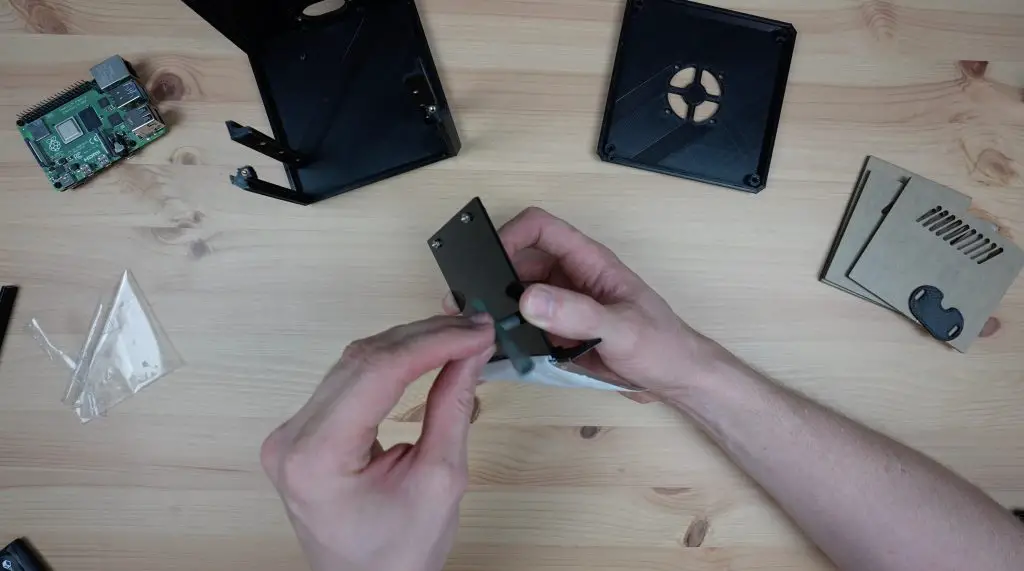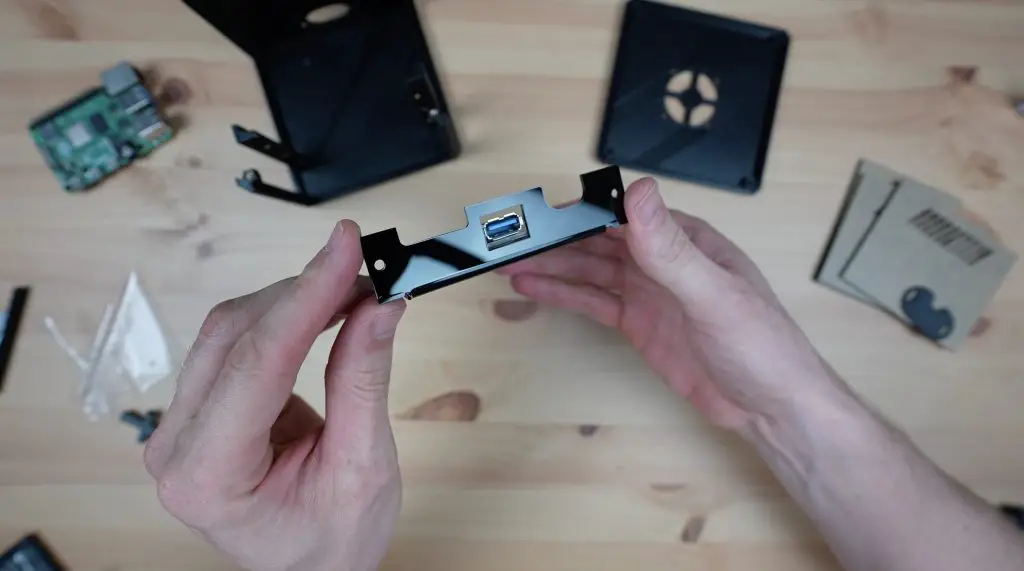

Home Blog Page 9

My Raspberry Pi Case Now Has An M.2 SSD, and It’s Way Faster!

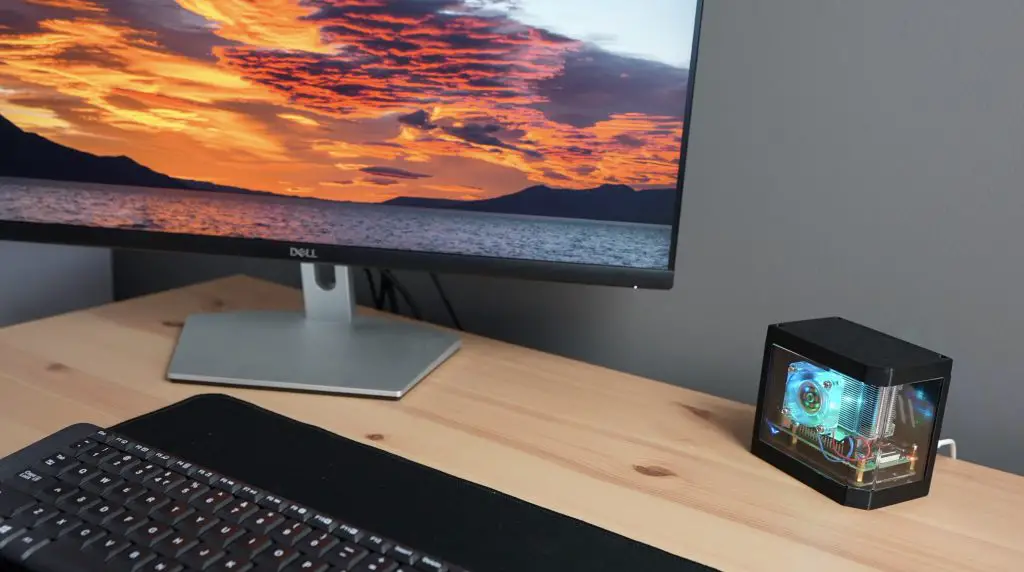
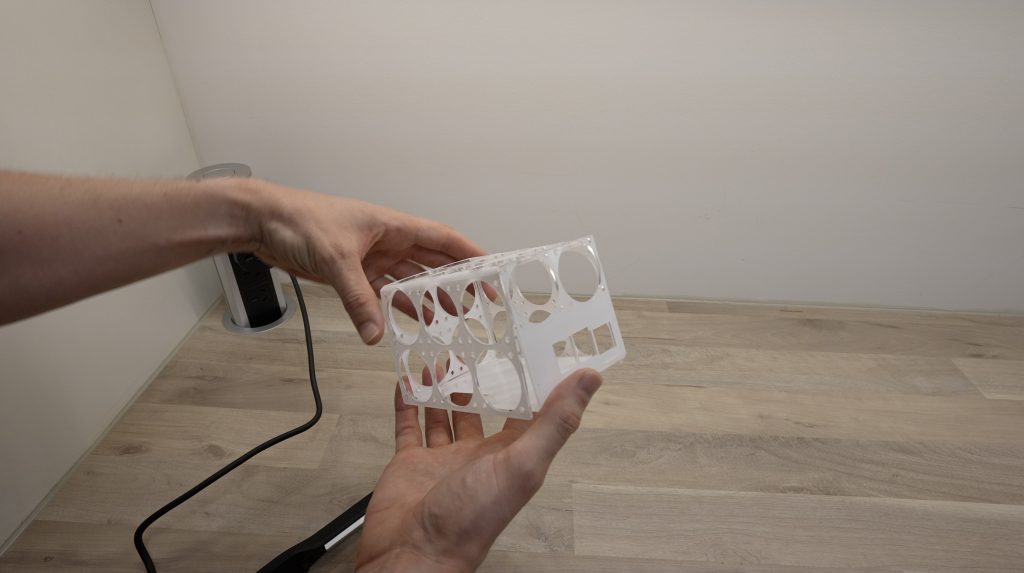
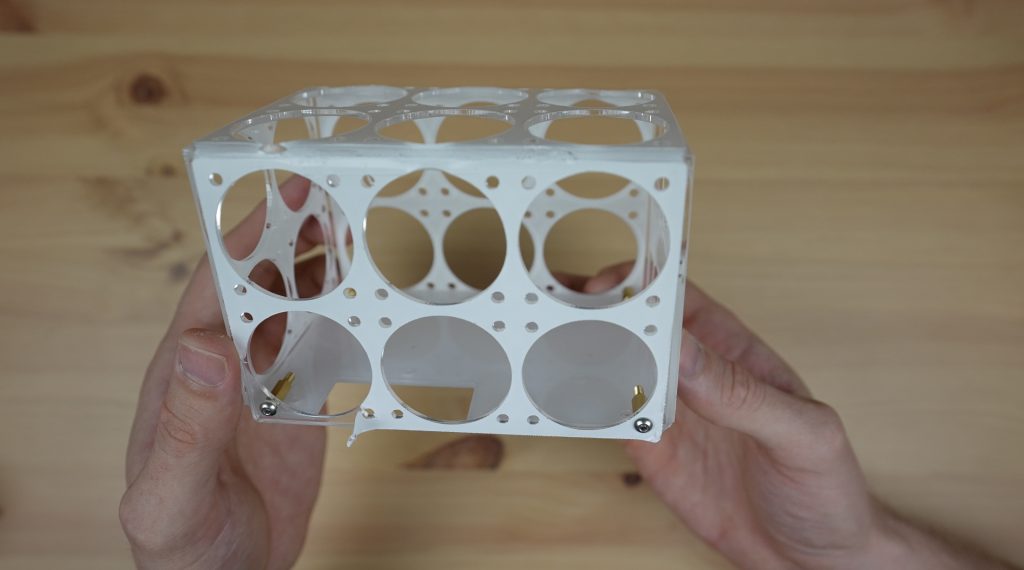
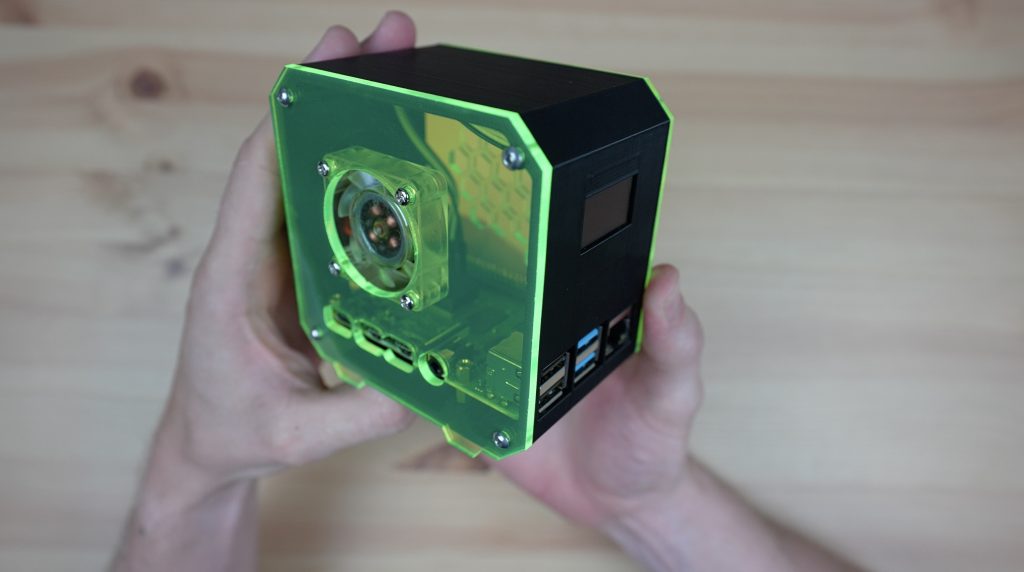
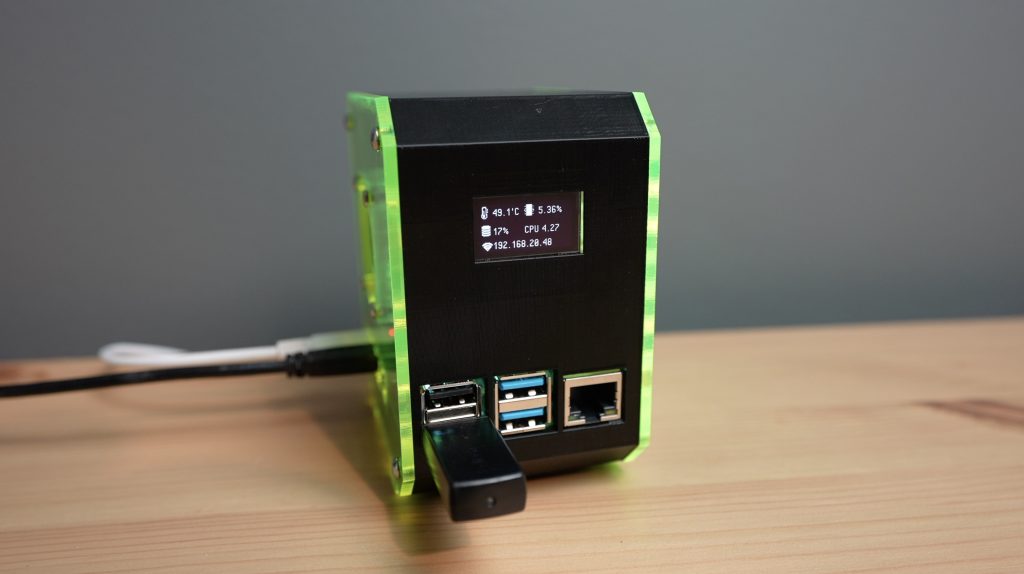
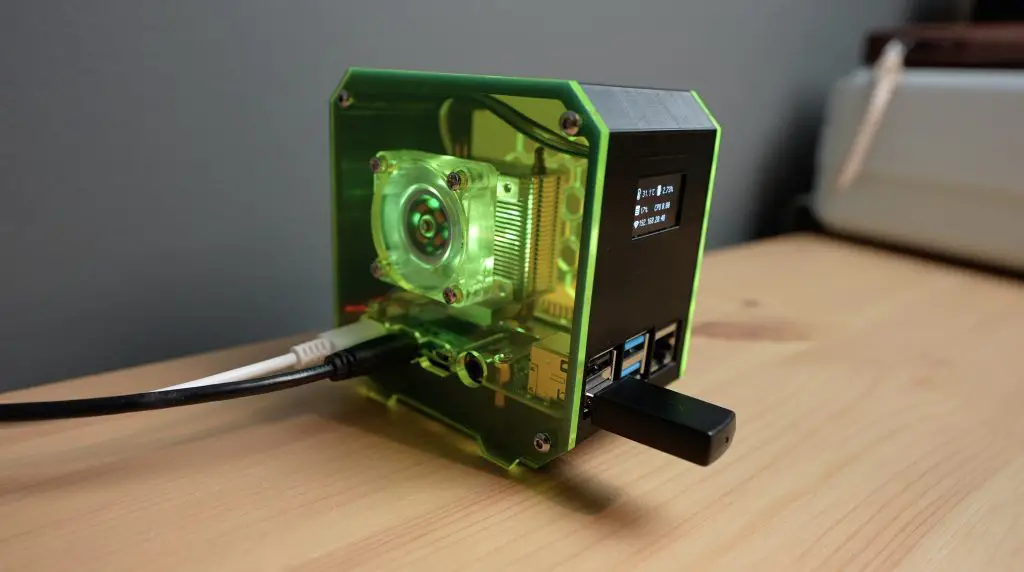
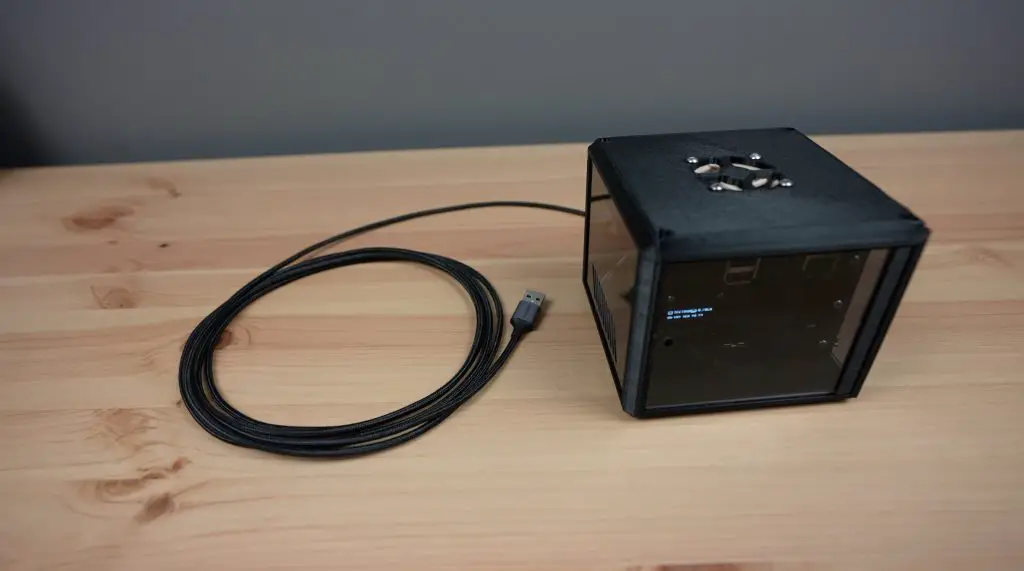
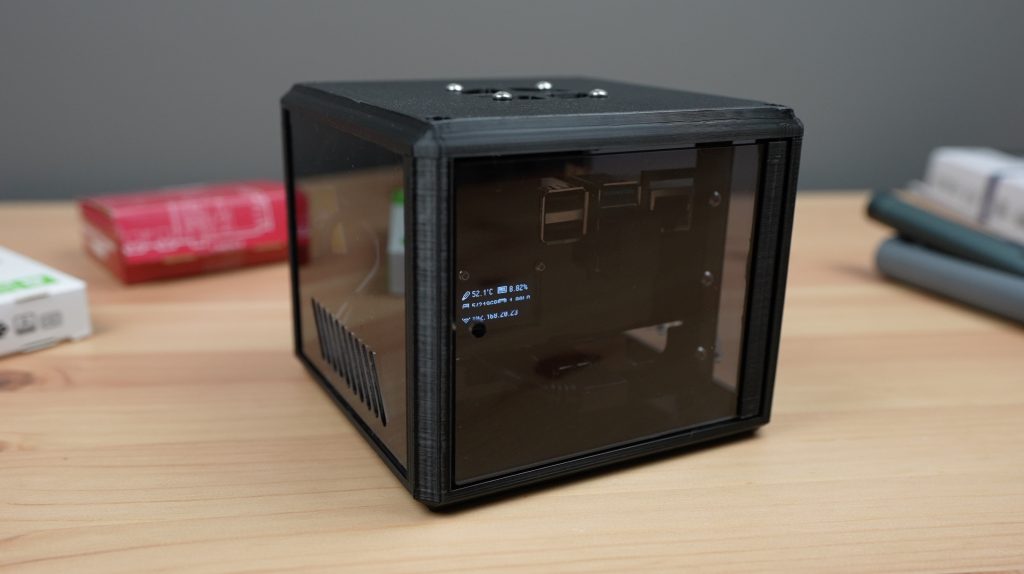
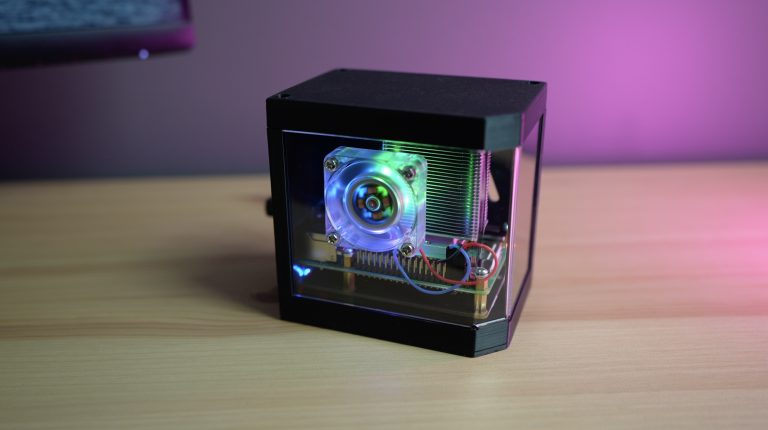
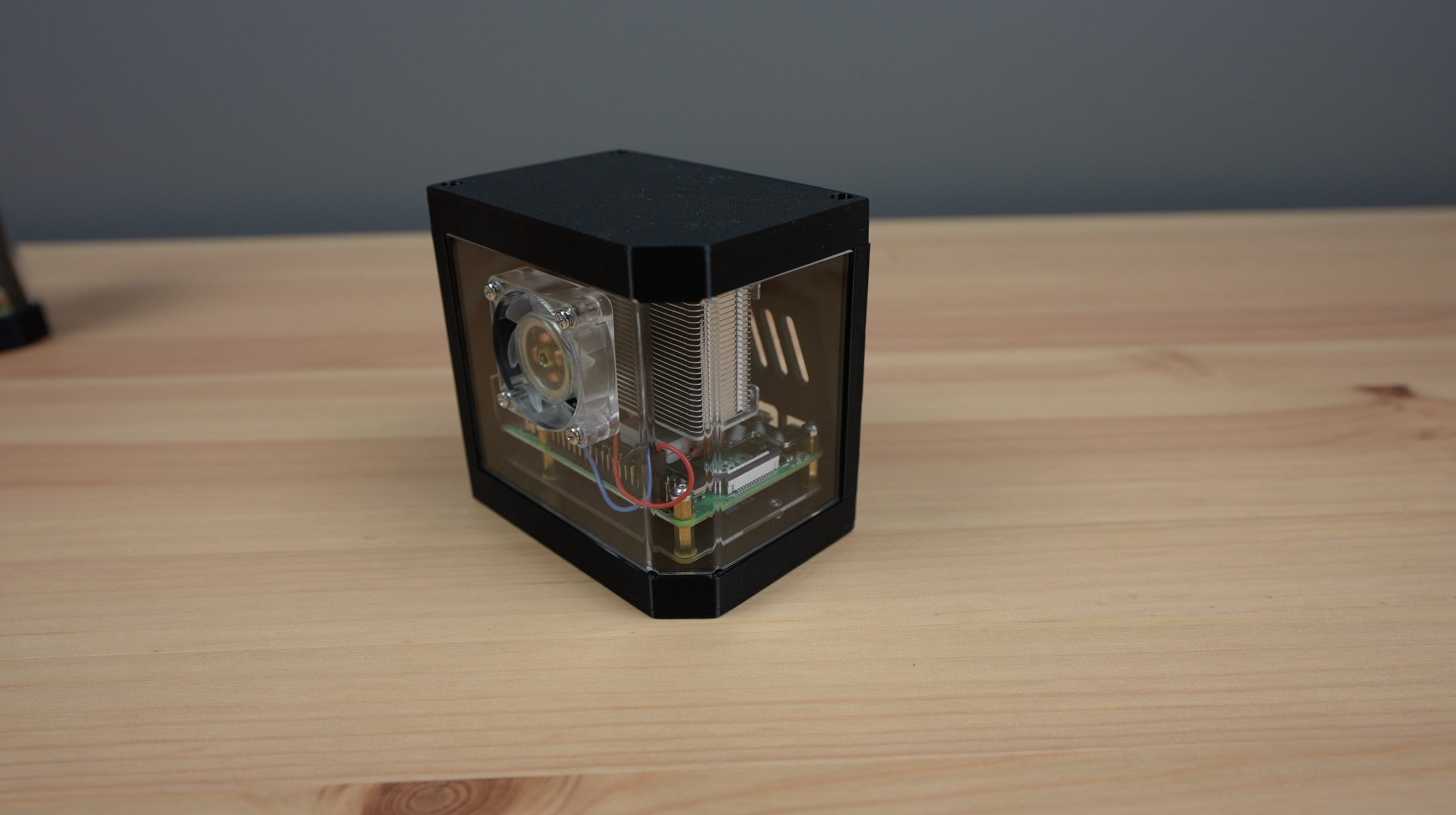
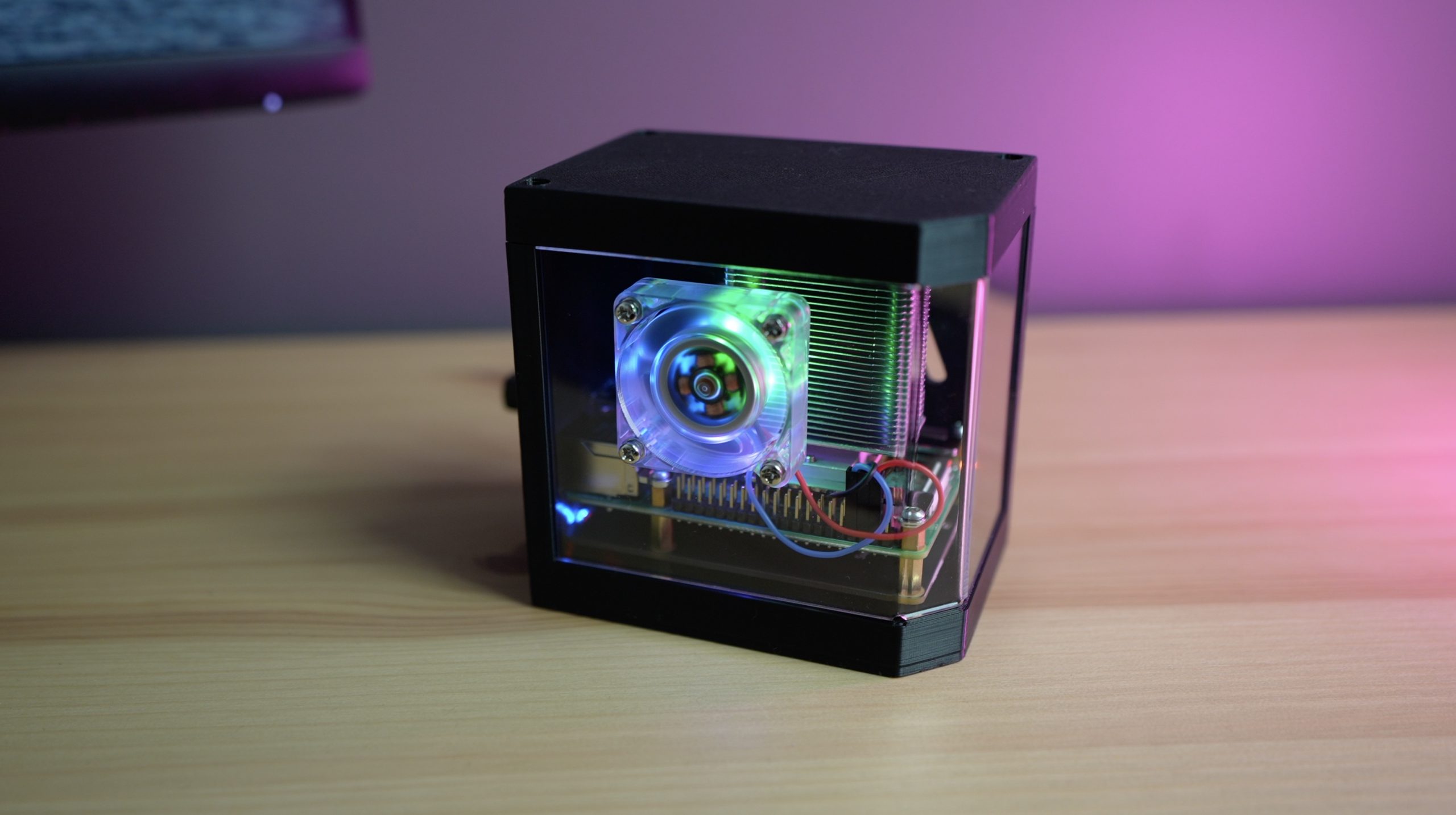
I’ve been using one of my Raspberry Pis in my case with a wrap-around acrylic panel for the past few months, but one of the things that has been missing is an SSD. I don’t mind using a microSD card for tinkering with the Pi and for switching operating systems but when I start using it a bit more regularly with the same OS, then I prefer to use a faster and more reliable storage medium.

Previous Wrap Around SSD Case

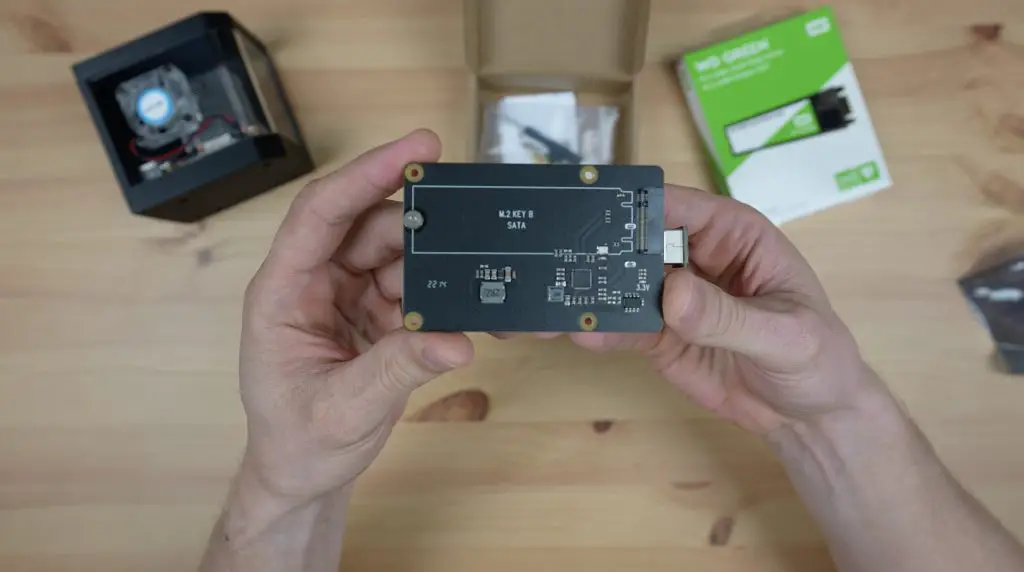
I used an mSATA drive in my last case and that has been serving me well, but this time I thought I’d try out an M.2 solution. The shield I’m going to be using is an M.2 NGFF shield from Geekworm that supports an M.2 B Key SATA SSD with a 22×80 form factor.

M.2 B Key NGFF Shield

I chose this board because it seems like one of the most widely available SSD shields, and it is reasonably priced, selling for around $30 depending on where you buy it from.

A number of people in the comments on my last SSD build asked why I didn’t use a faster NVME drive. That’s because there really won’t be any speed benefit. The bottleneck in adding an SSD to a Raspberry Pi is with the Pi’s USB 3.0 ports, which only support a maximum speed of up to 600MB/s. This aligns pretty well with what you can expect from a SATA or mSATA SSD but is way under an NVME drive’s speed, which can typically be over 3,000MB/s. While the price of NVME drives has been steadily decreasing, until they’re the same price or cheaper than SATA SSDs, there really isn’t any point in using them on a Pi.

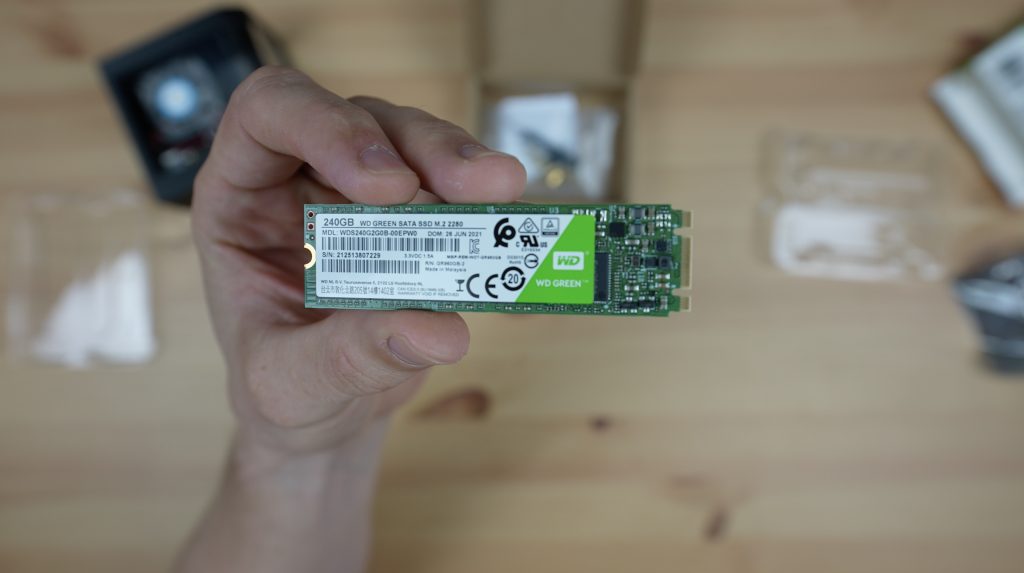
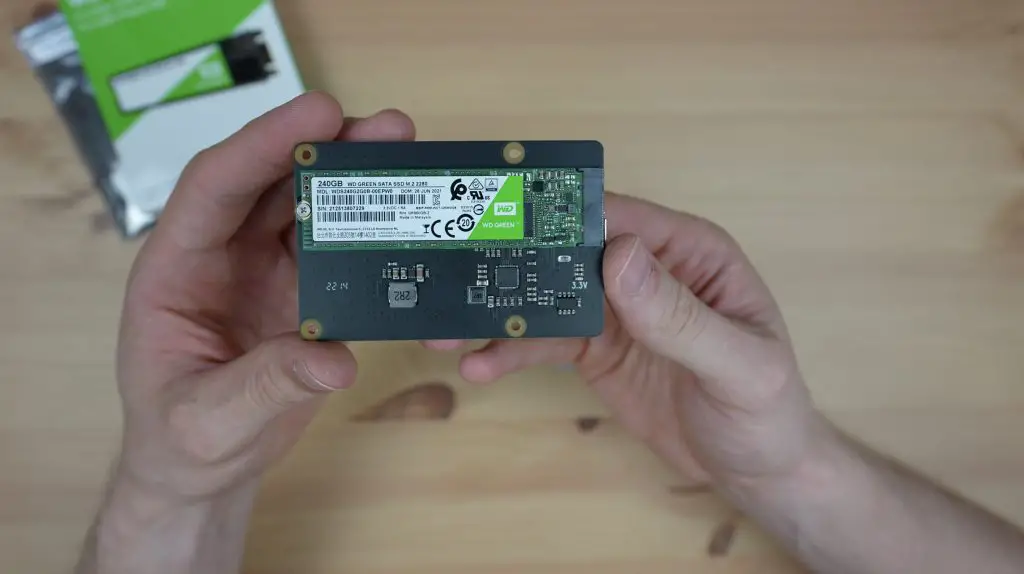
I’m using a 240GB SSD, which is way more than I really need for my Pi, but was only a few dollars more than a 120GB one.

240GB M.2 B Key Drive

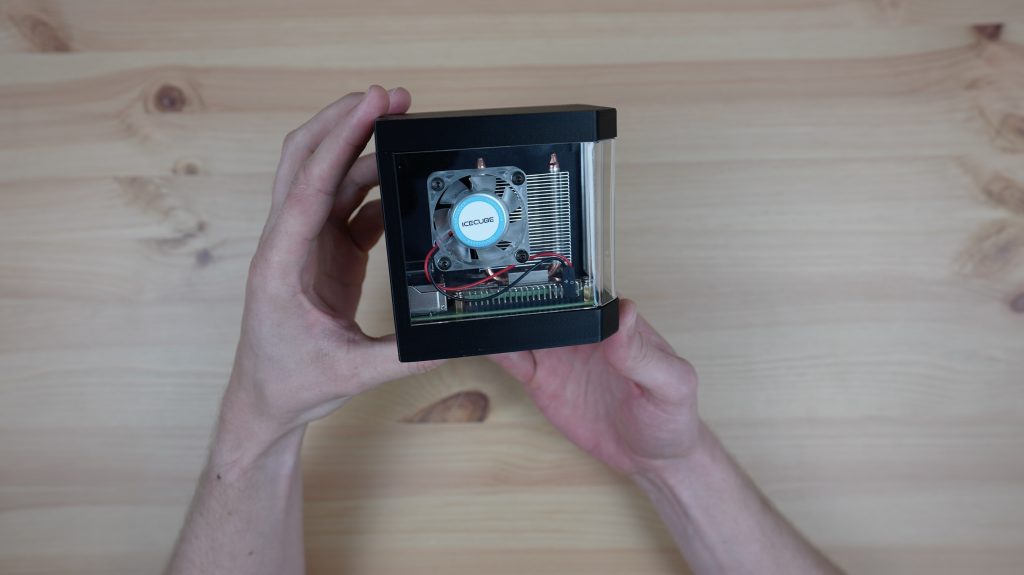
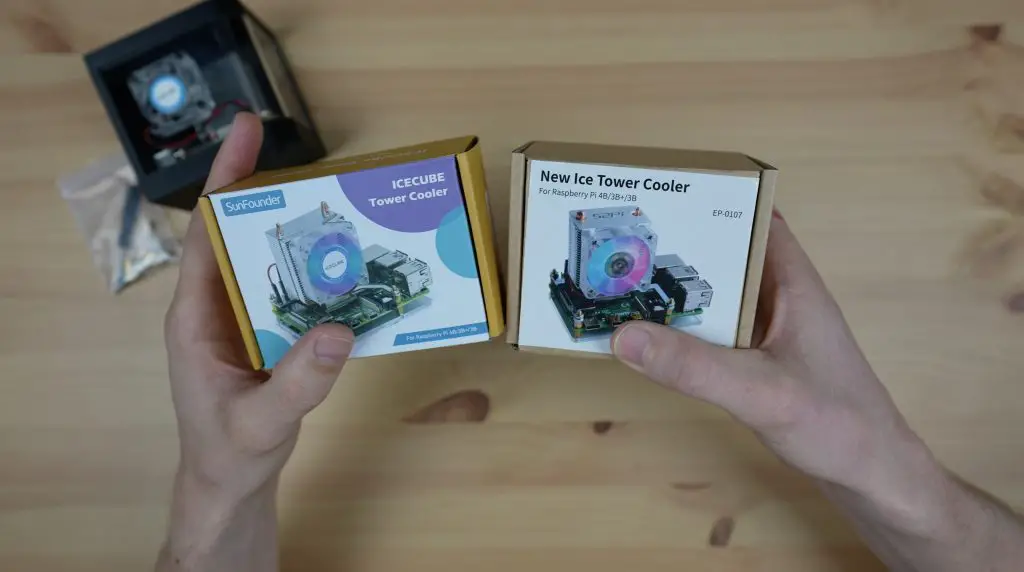
To cool my Pi, I’m going to be using an Ice Tower. I used an Ice Cube cooler on my previous build and I actually prefer this cooler as it provides cooling to the USB and Ethernet controller chips, and it feels like it’s better quality. I only have one of them at the moment though and this is still installed in my previous case, so I’m going to use an Ice Tower for this particular build.

Ice Cube Cooler and Ice Tower Cooler

Here’s my video of the build, read on for the written guide:

What You Need To Build Your Own M.2 SSD Pi Case

Tools & Equipment Used

  • Creality Ender-3 S1 Pro – Buy Here
  • Gweike Cloud Laser – Buy Here
    • Use my discount code MK200 on checkout to get $200 off
  • Electric Screwdriver – Buy Here
  • Acrylic Bender – Buy Here

Some of the above parts are affiliate links. By purchasing products through the above links, you’ll be supporting this channel, at no additional cost to you.

Making The M.2 SSD Raspberry Pi Case Components

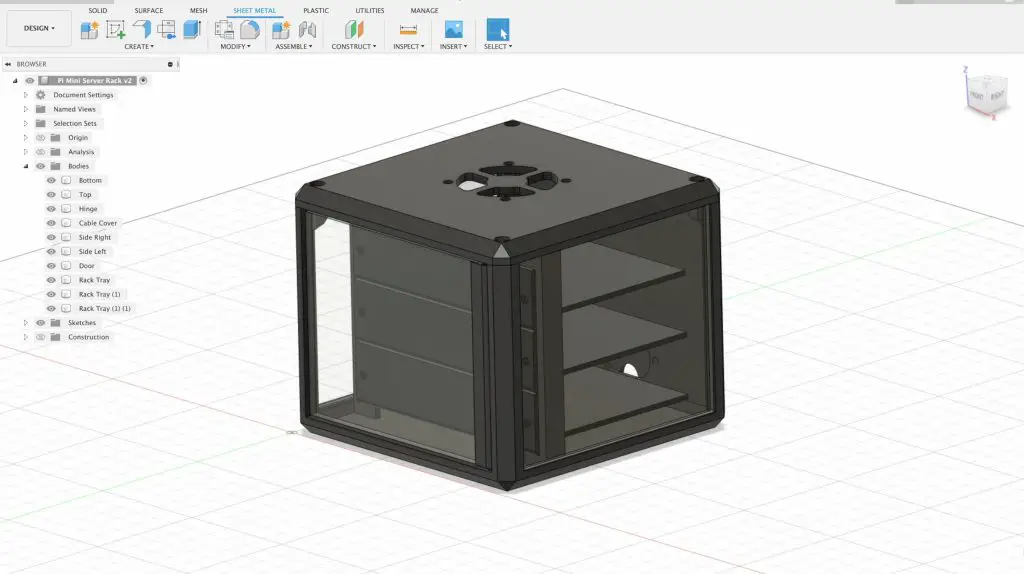
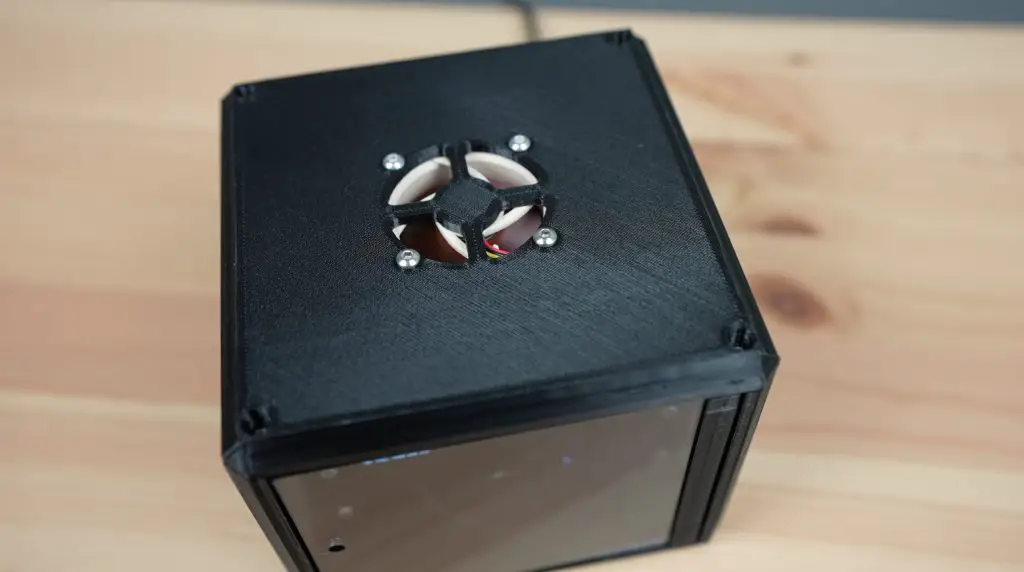
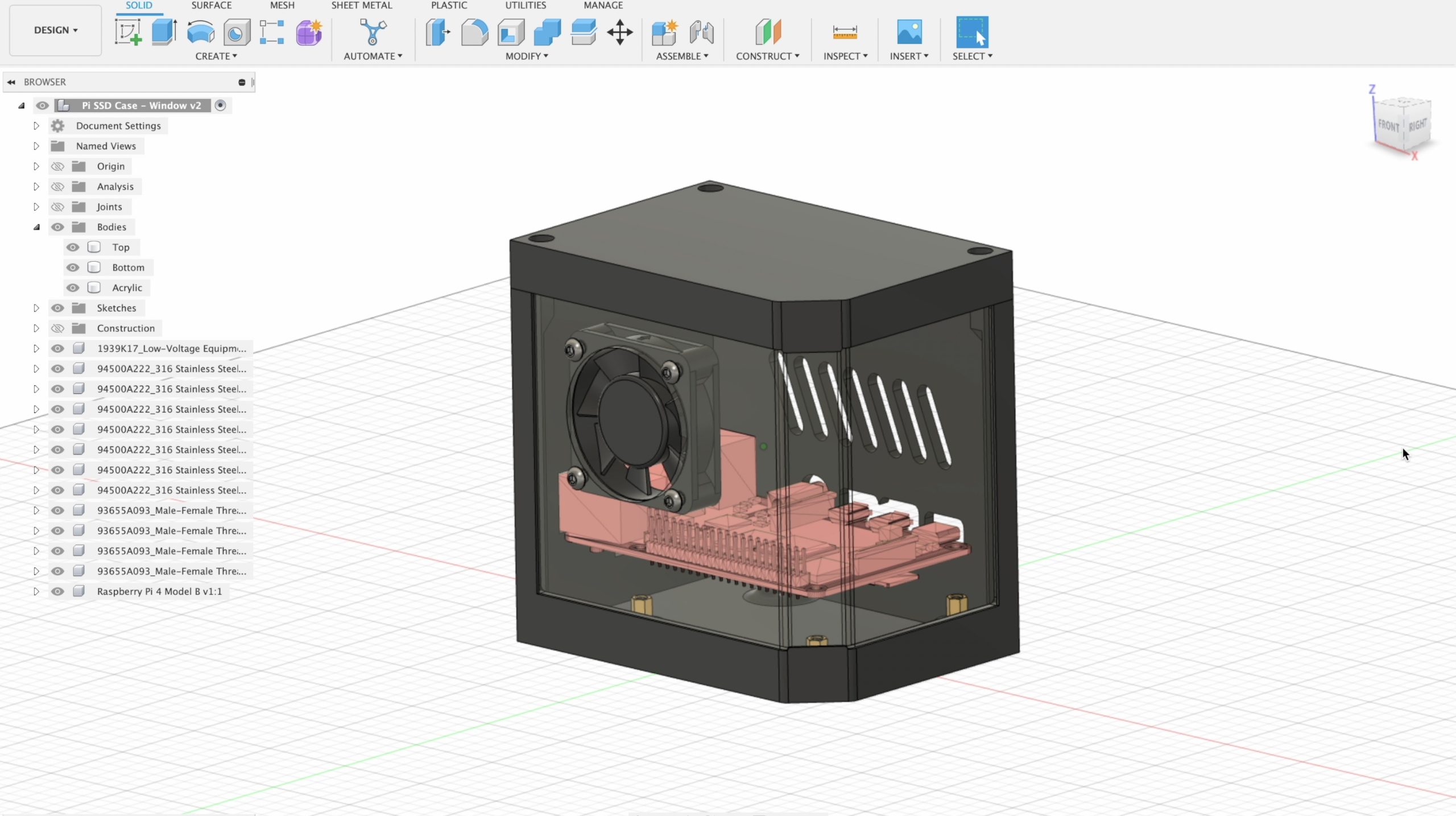
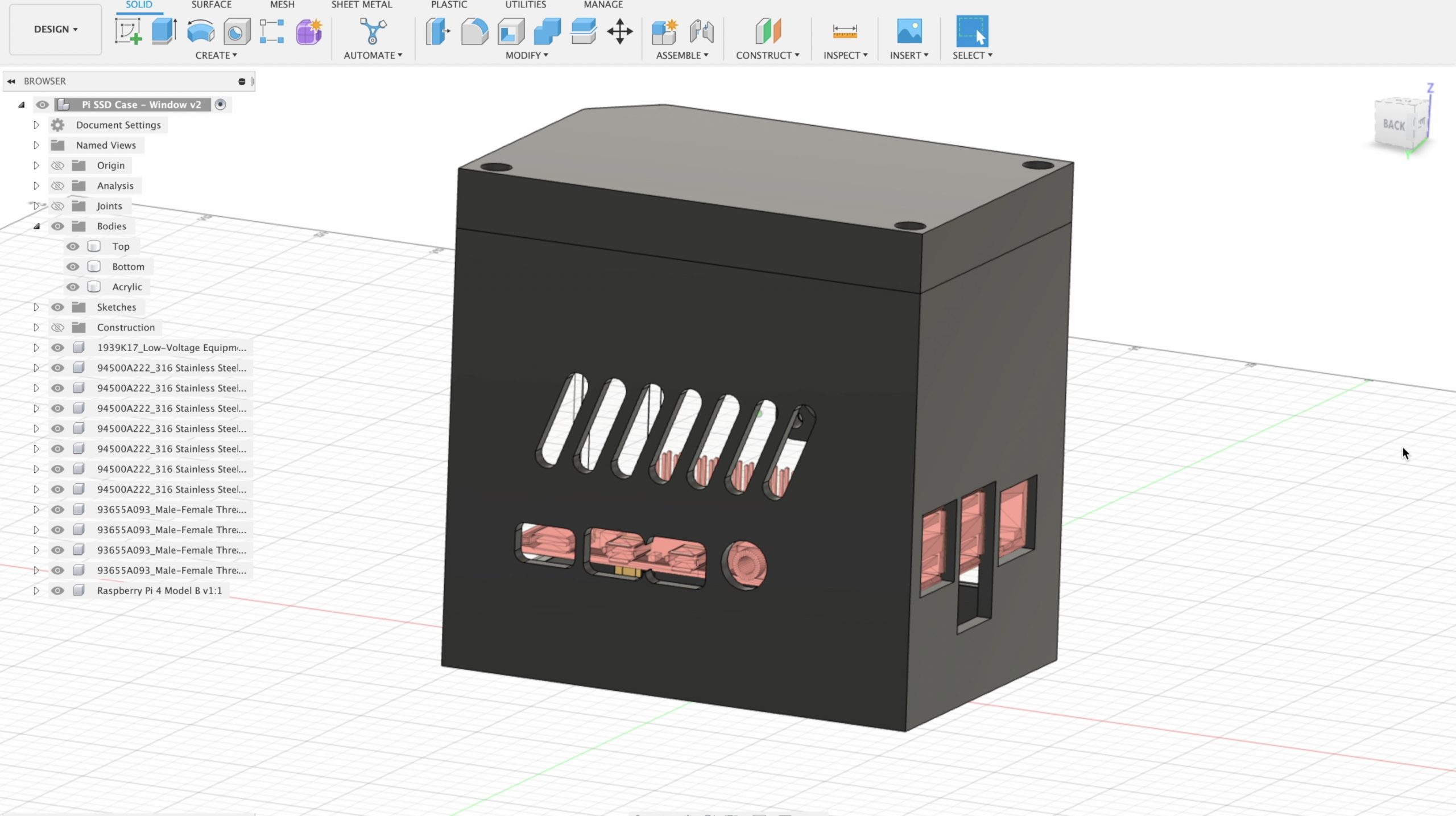
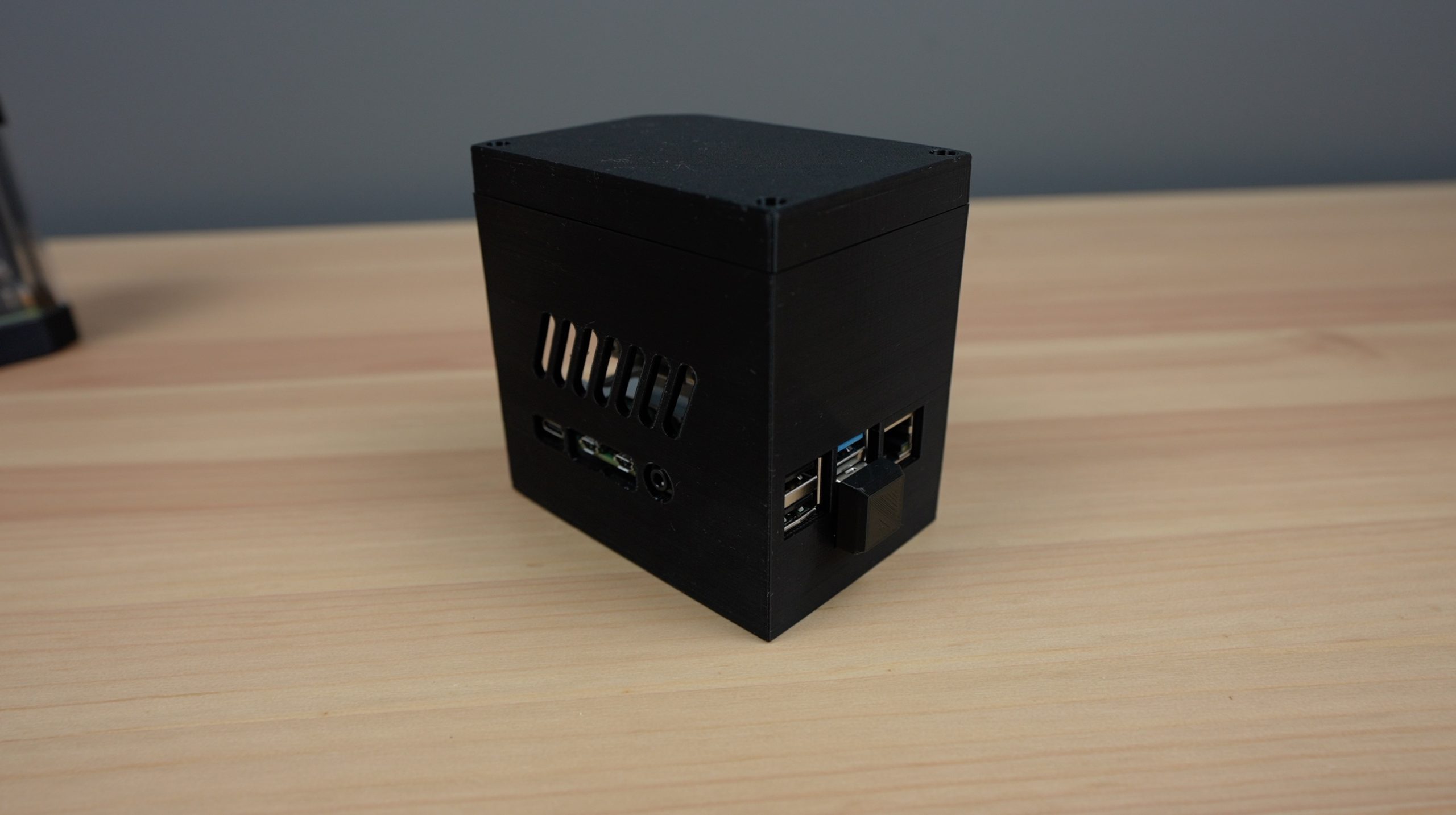
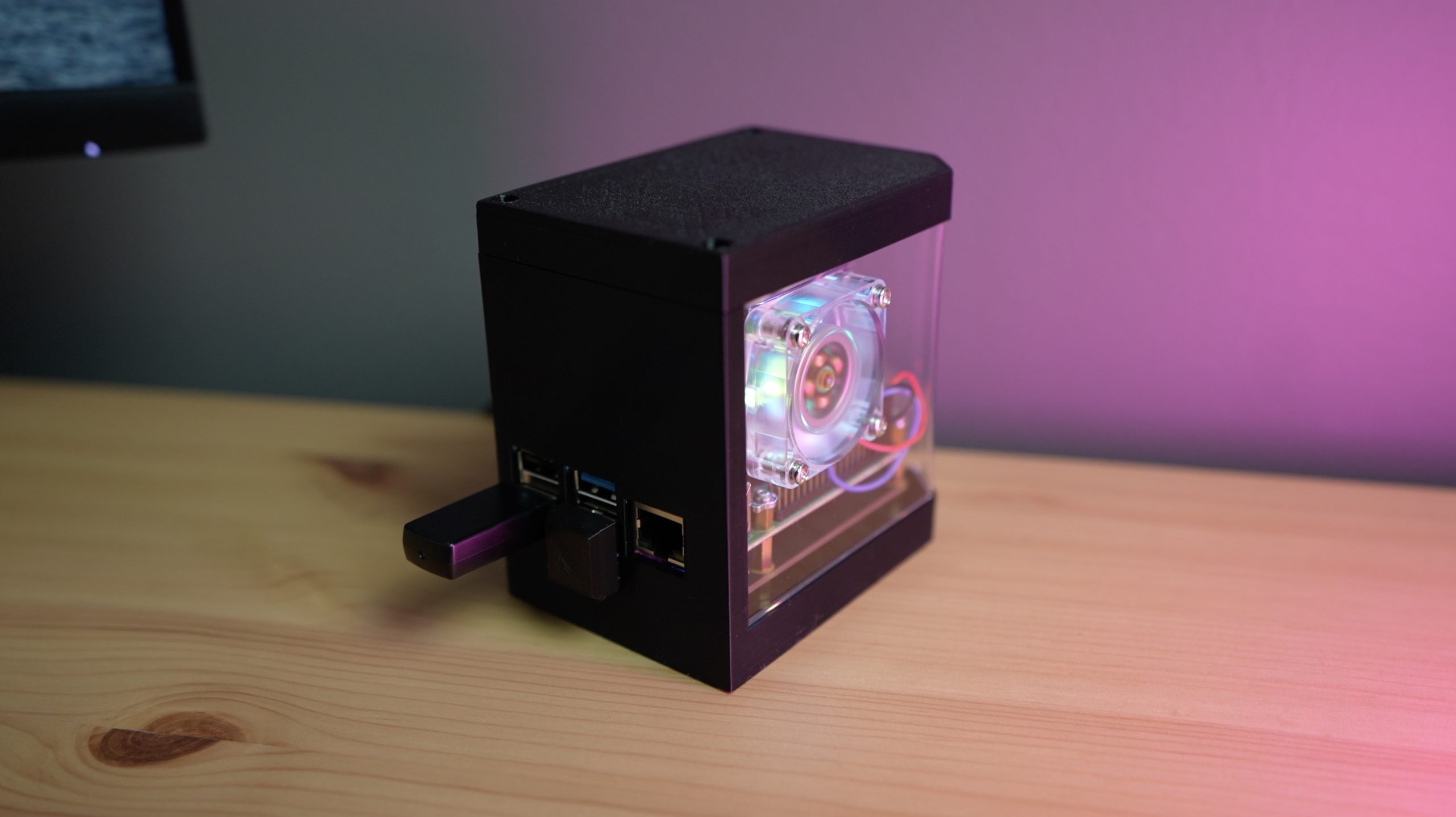
To start off, we need to make some modifications to the existing case to fit the SSD underneath the Raspberry Pi. To do this, I raised the Raspberry Pi’s cutouts on the case and moved the ventilation cutouts higher as well. I also made some small changes to the standoff positions, enlarged the centre USB port cutout for the USB jumper and moved the fan up a little to clear Pi.

Download the 3D model files to print and cut your own case.

There still seems to be enough headroom above the Raspberry Pi for the Ice Tower, so let’s get it printed and see if it fits.

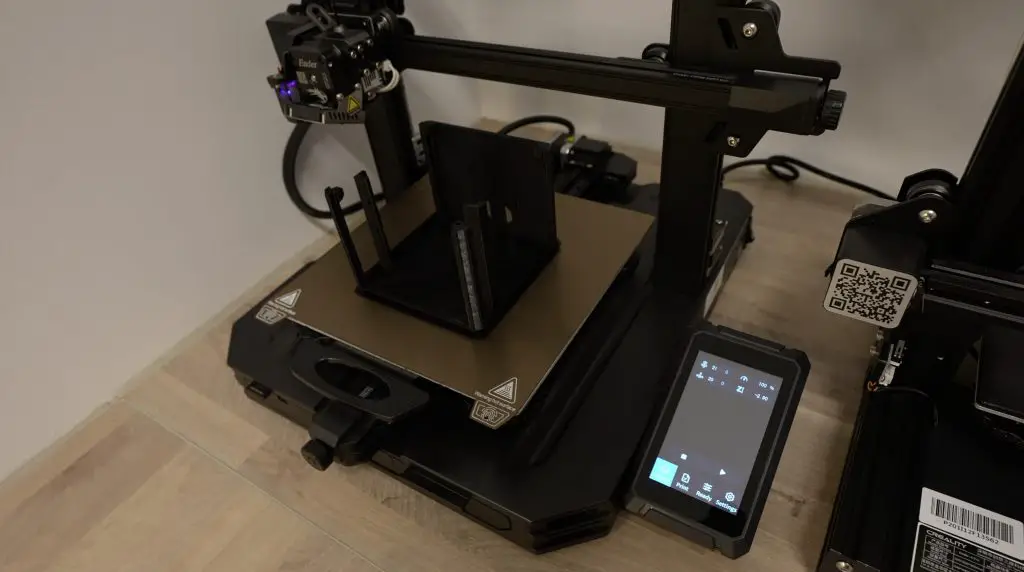
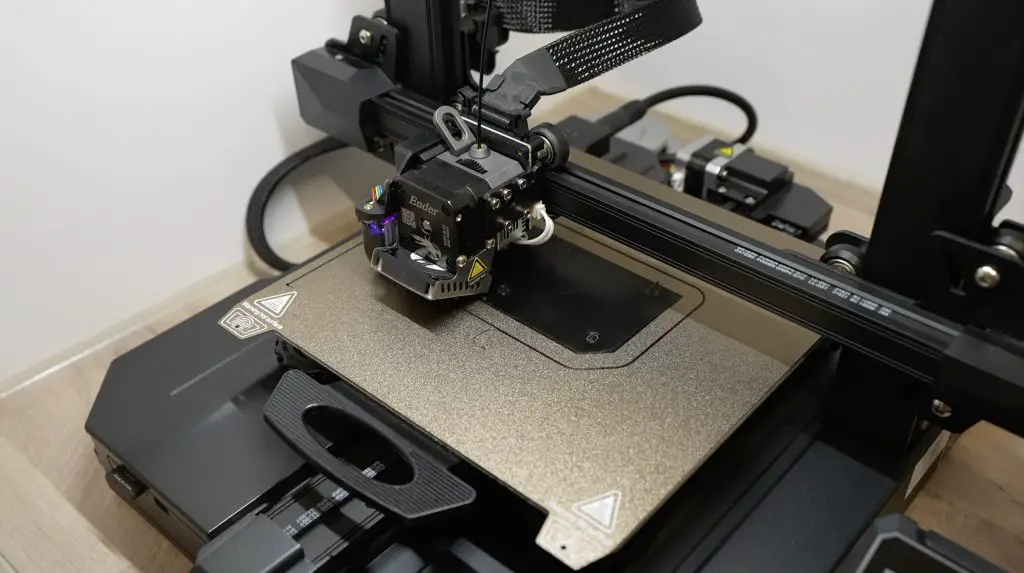
I printed the case components out on my Creality Ender 3 S1 Pro using black PLA filament with a 0.2mm layer height and 20% infill.

3D Printing Pi Case On Ender 3 S1 Pro

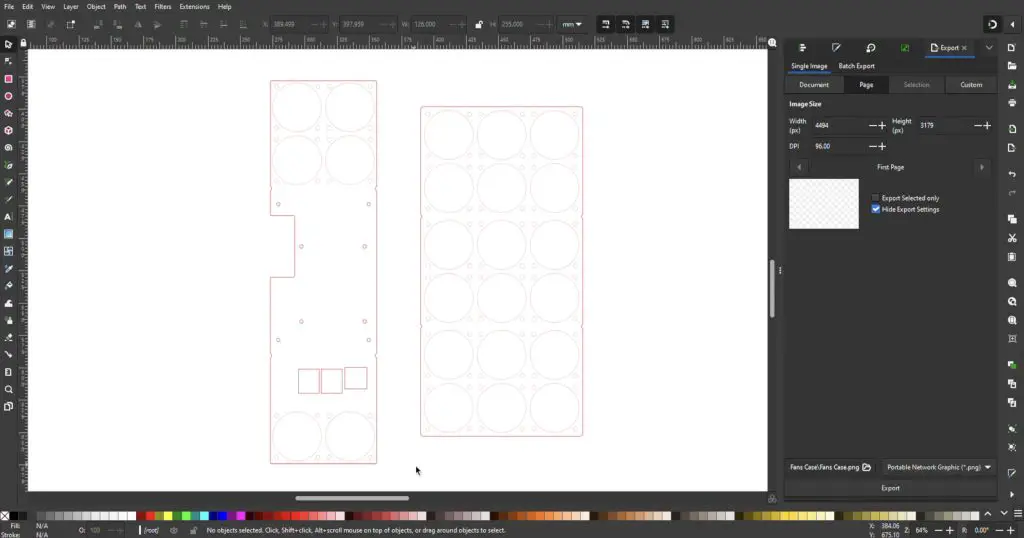
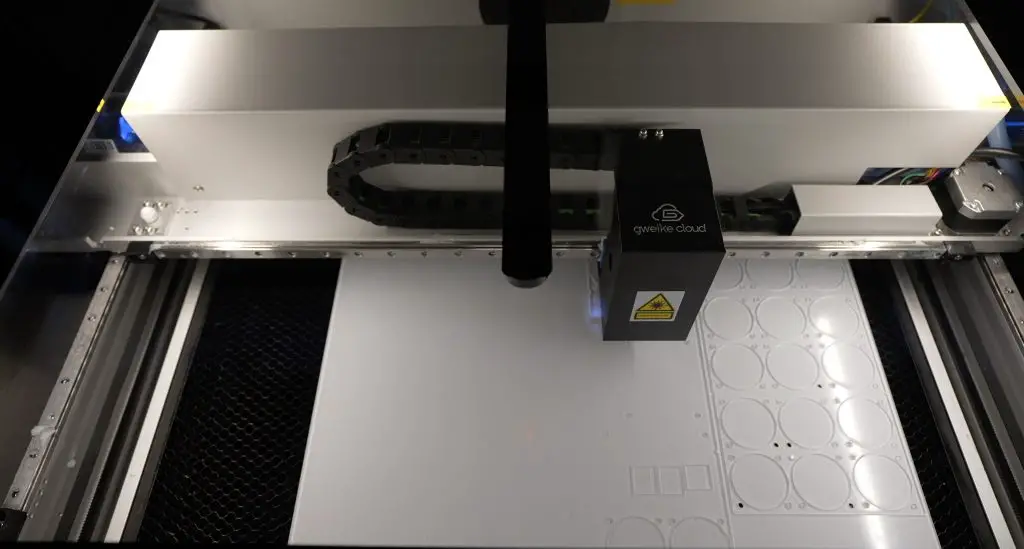
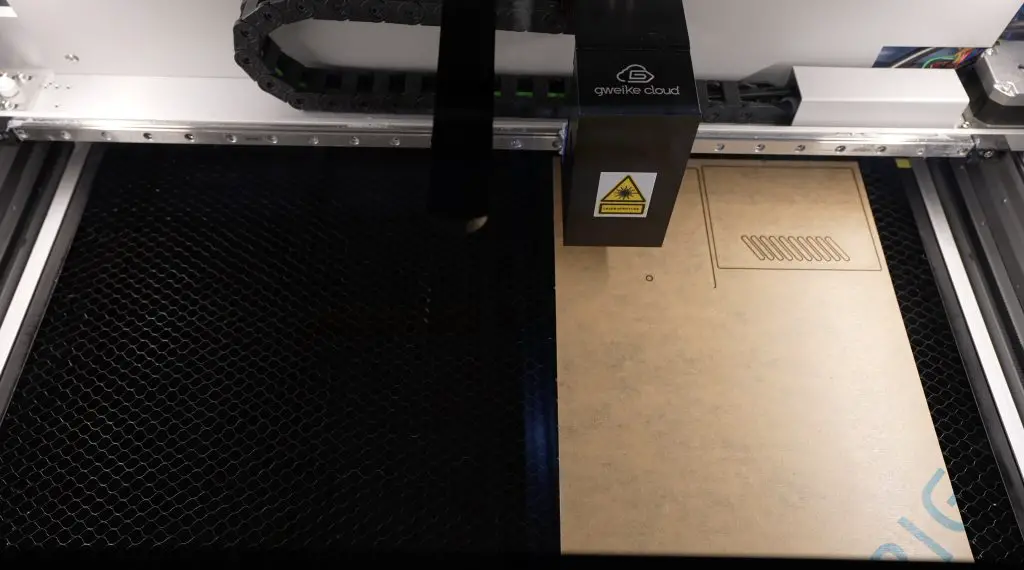
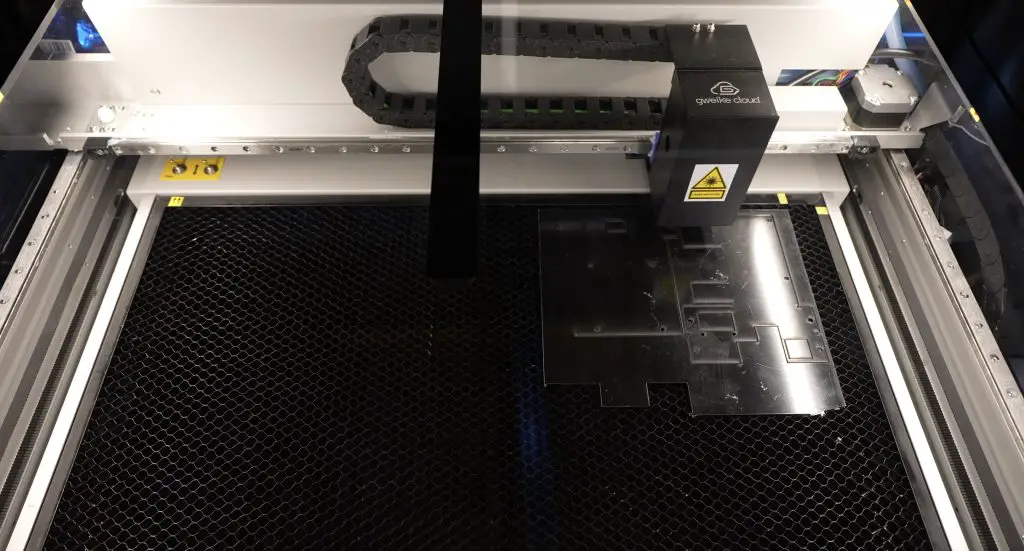
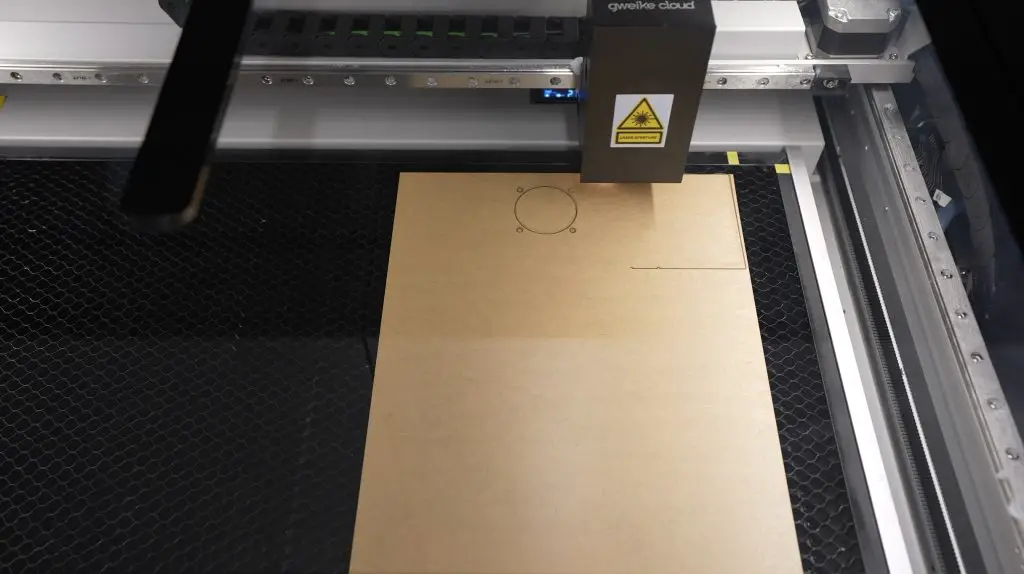
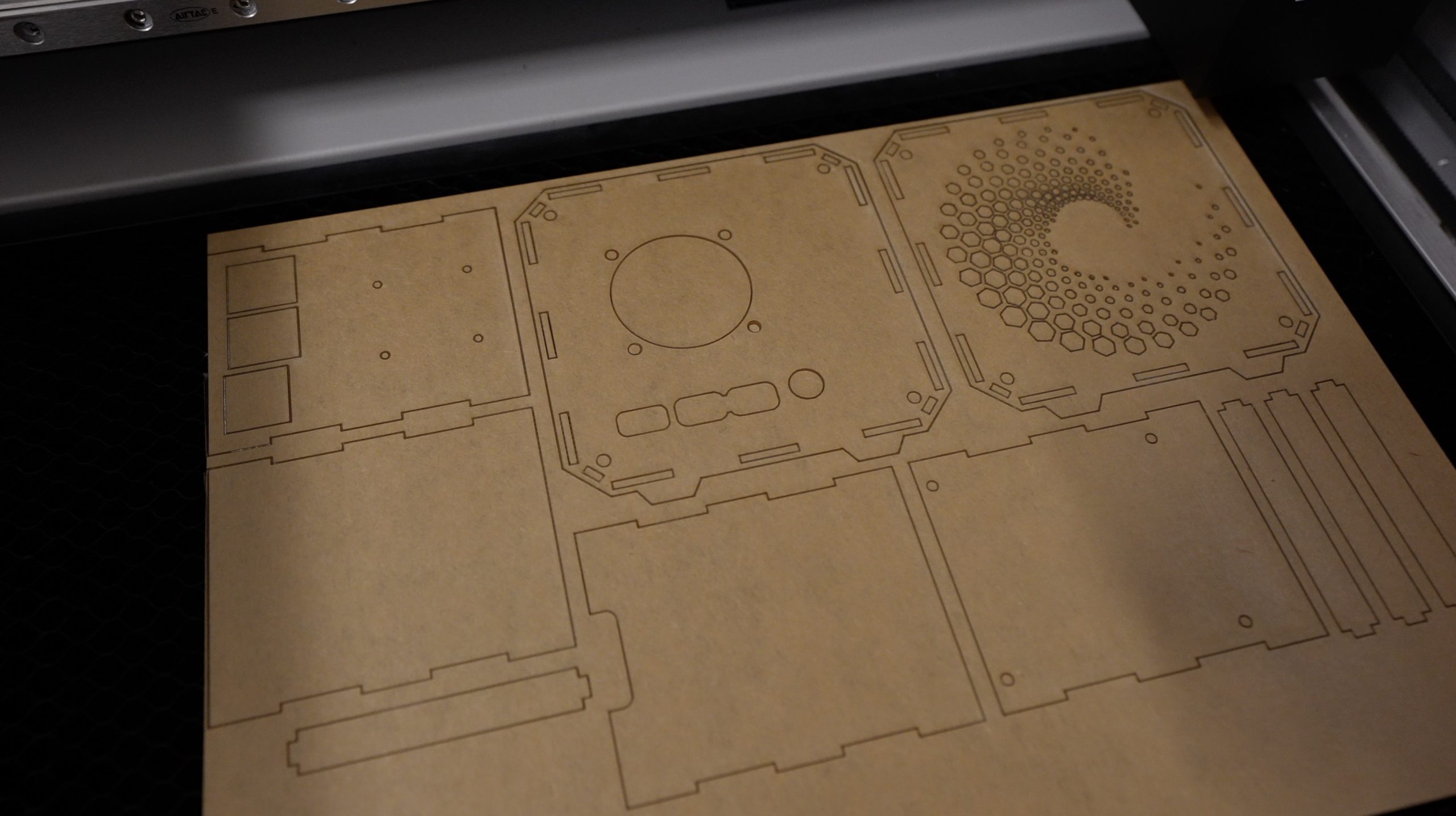
While the case is printing, let’s make up the acrylic side panel. This is just laser cut from a piece of 2mm clear acrylic.

Laser Cutting Side Panel On Gweike Cloud Laser

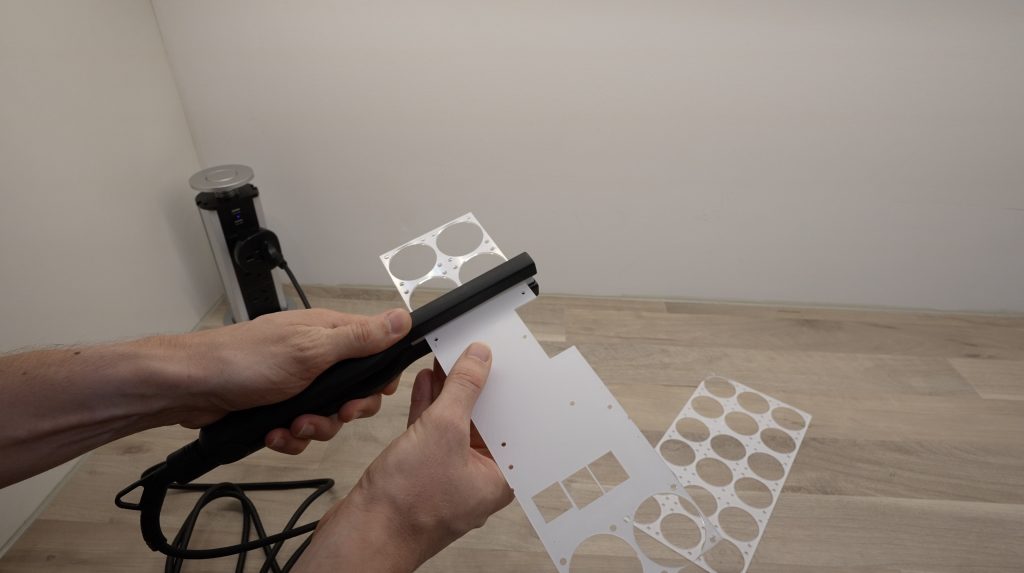
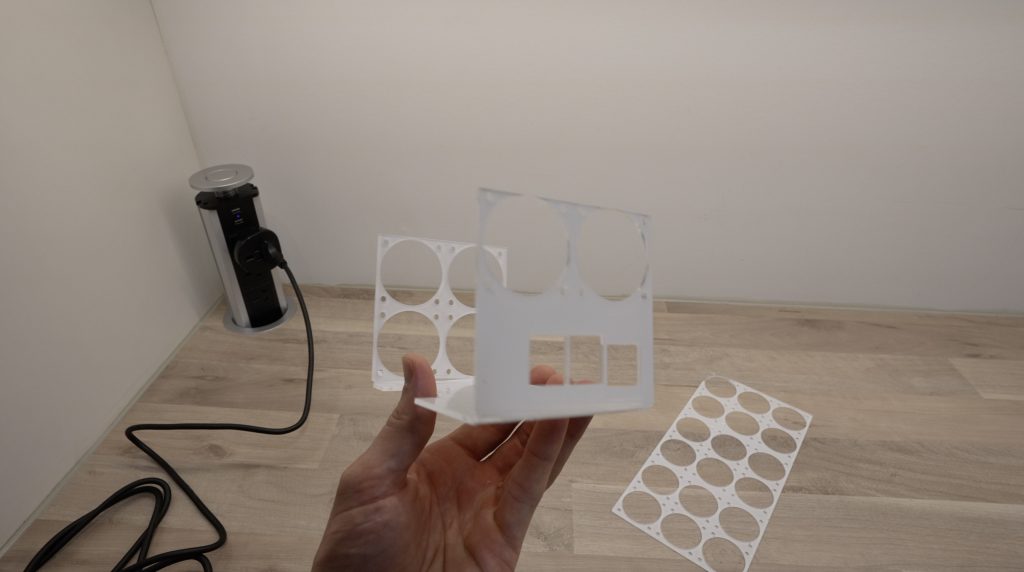
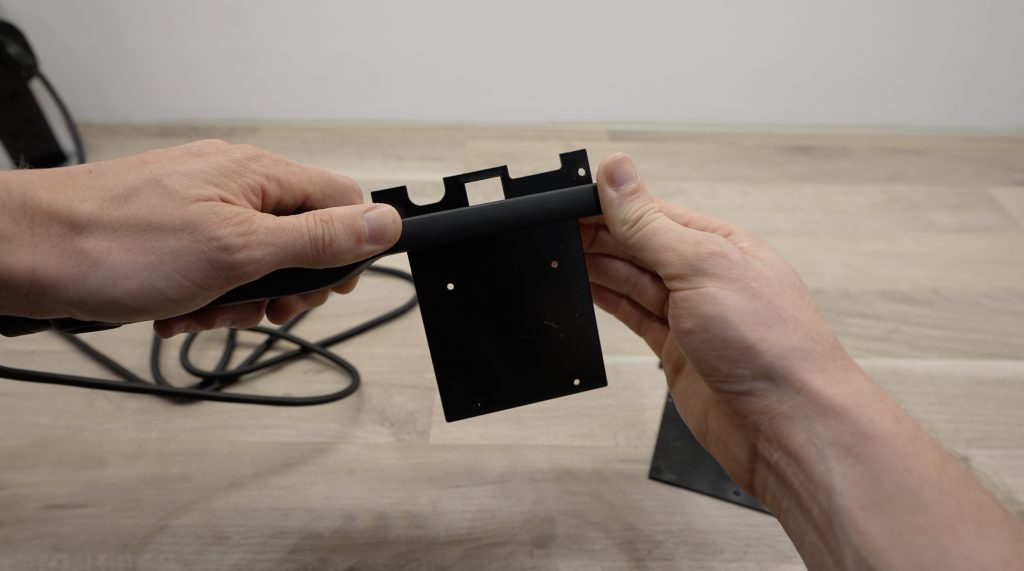
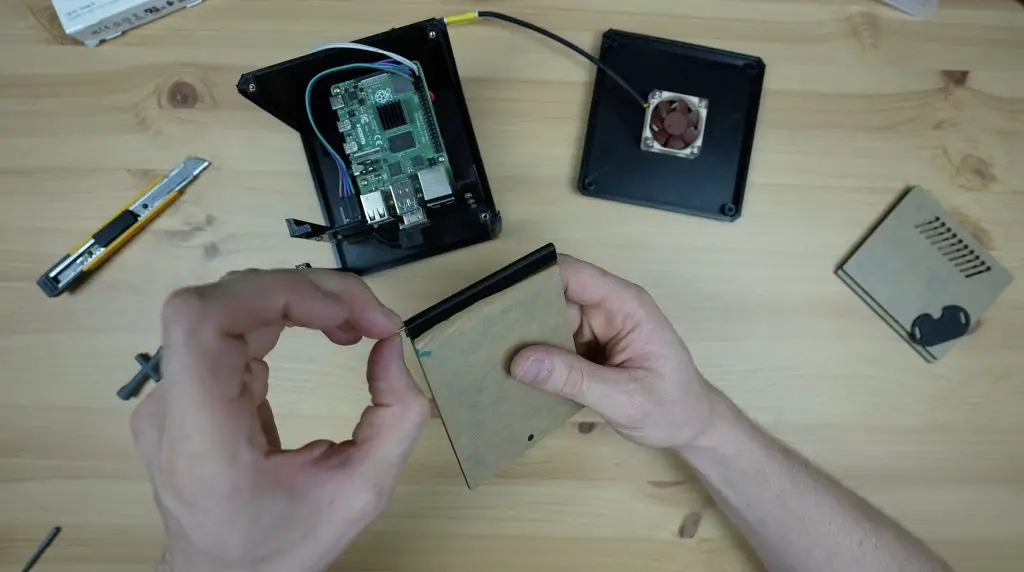
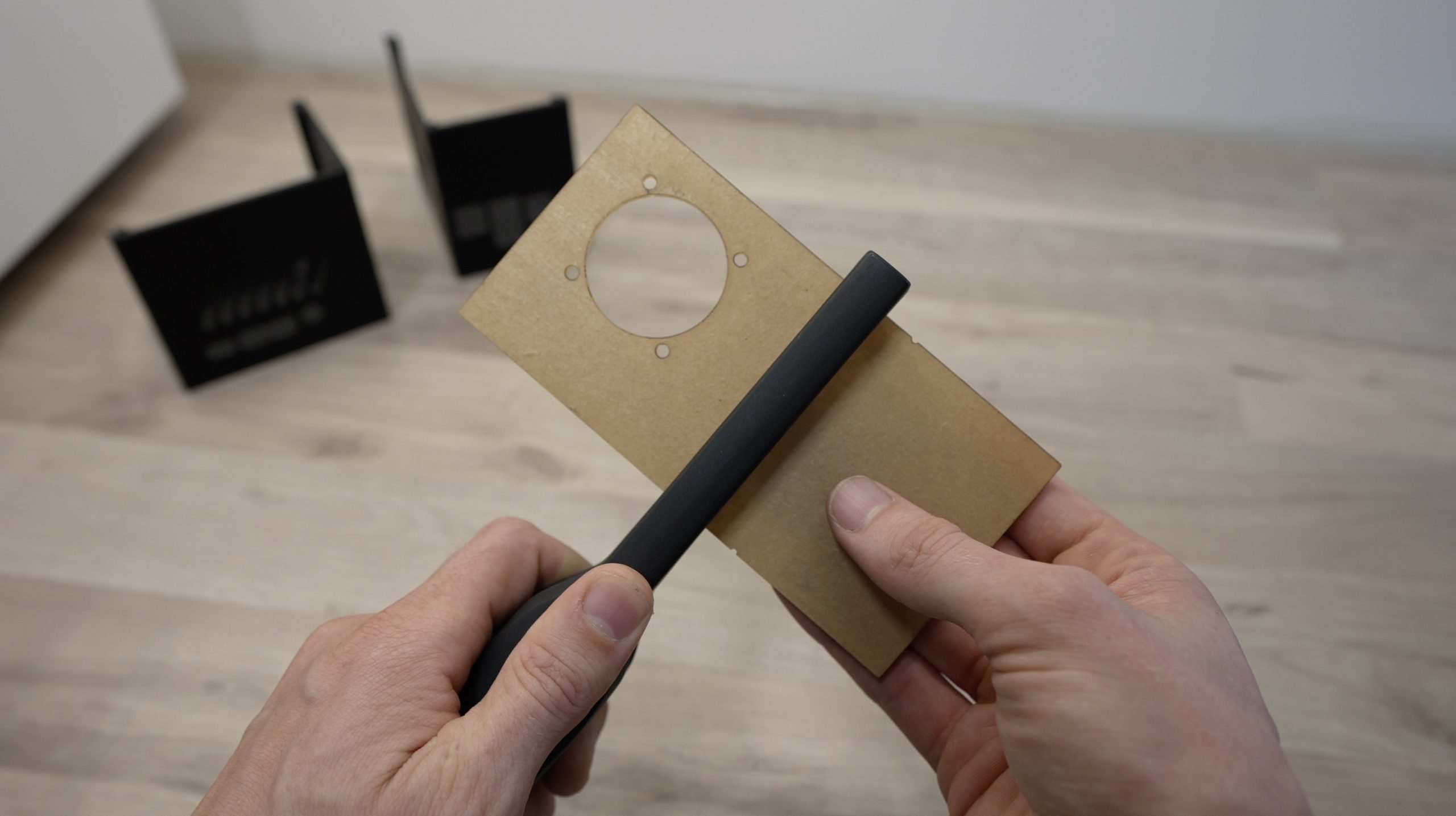
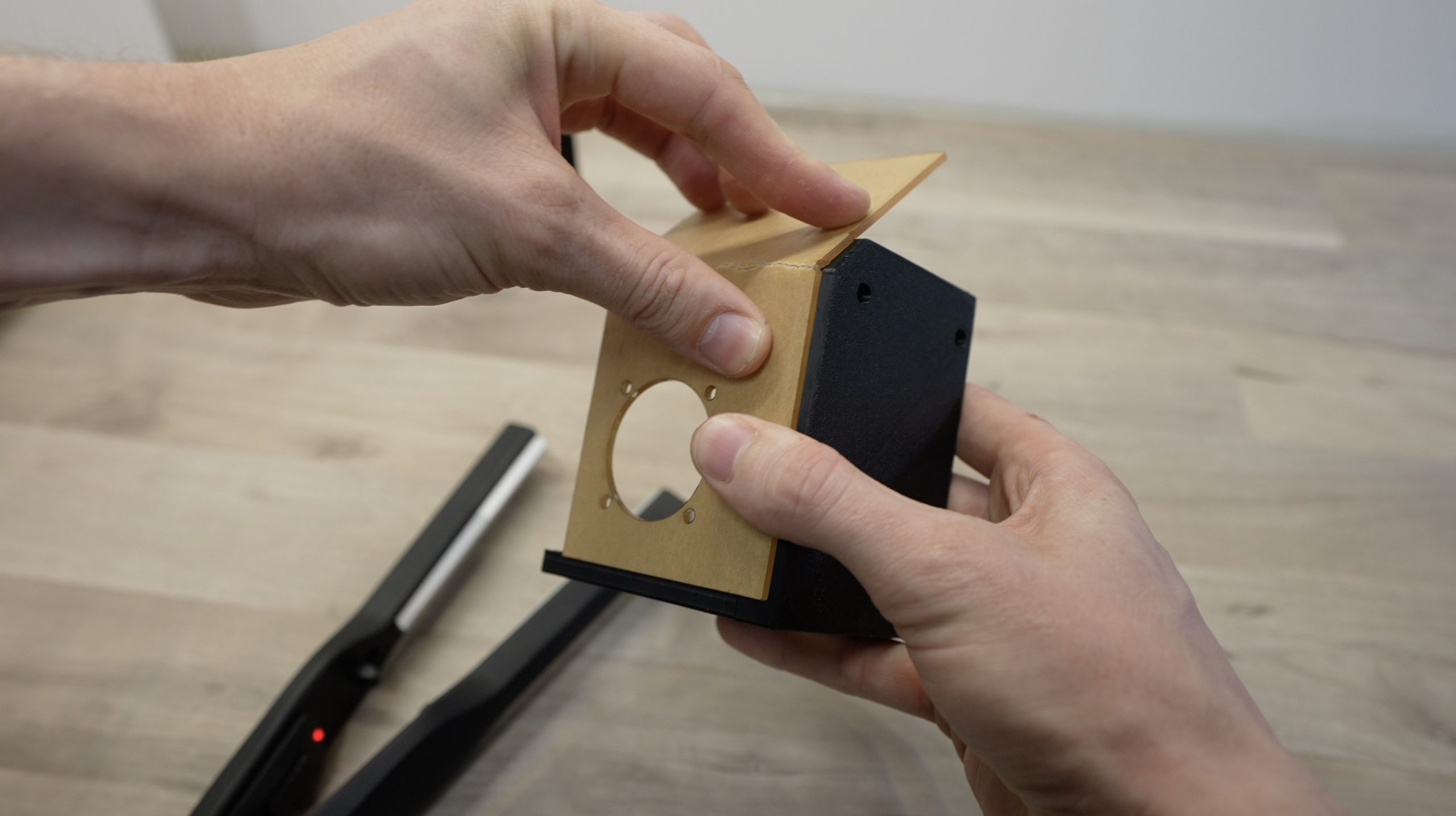
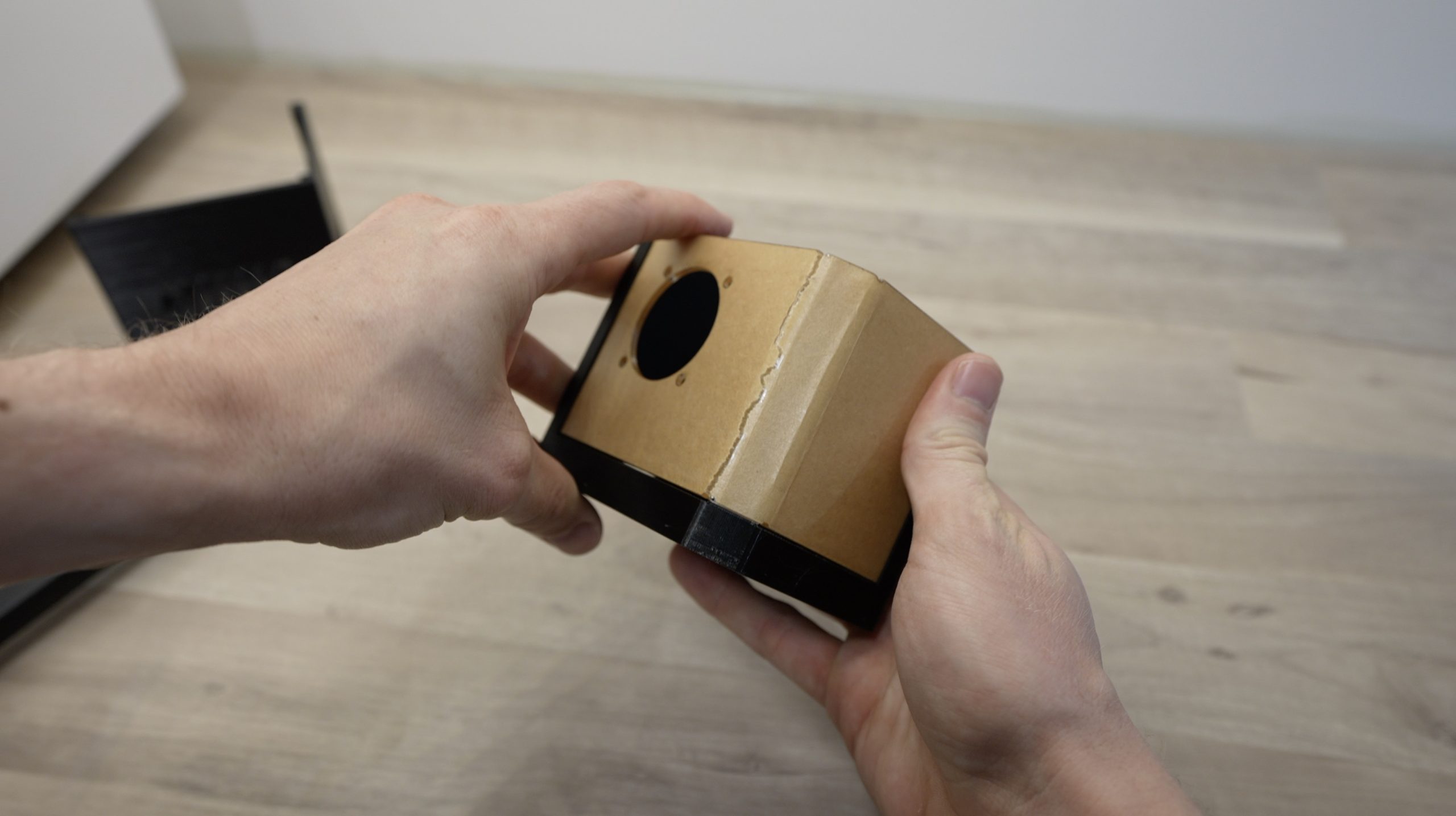
To bend the acrylic panel, I’m going to use an acrylic bending tool that heats up a line between the two notches I’ve cut into the side panel. Once the acrylic has been heated, we can just use the side profile of the case to bend it.

With the side panel and 3D printed case components completed, we can now move on to installing our Raspberry Pi and SSD.

If you don’t have a 3D printer or laser cutter, you can also buy a case kit from my Etsy store.

3D Printed Lid On Case

Installing The Raspberry Pi & M.2 SSD Shield

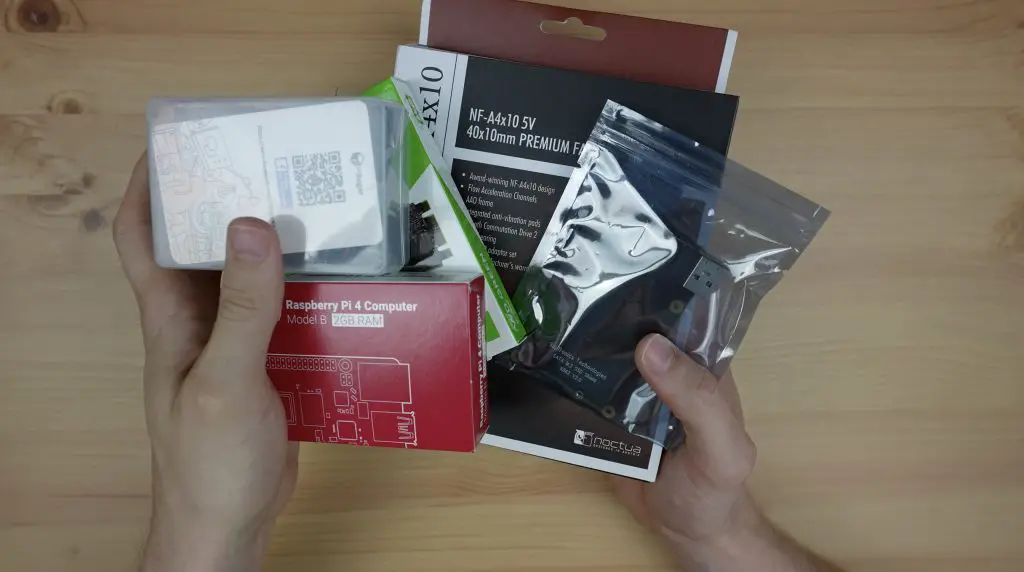
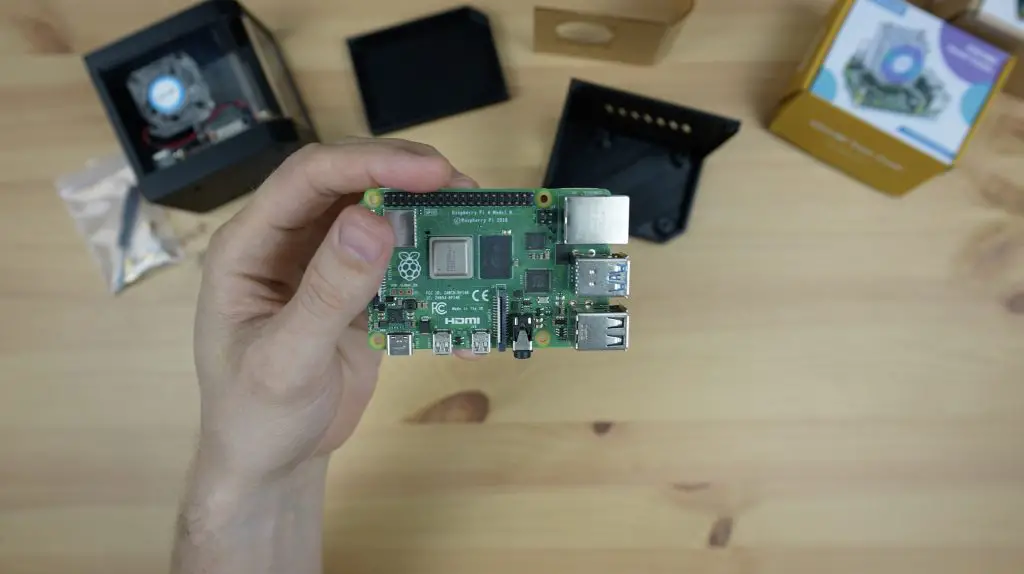
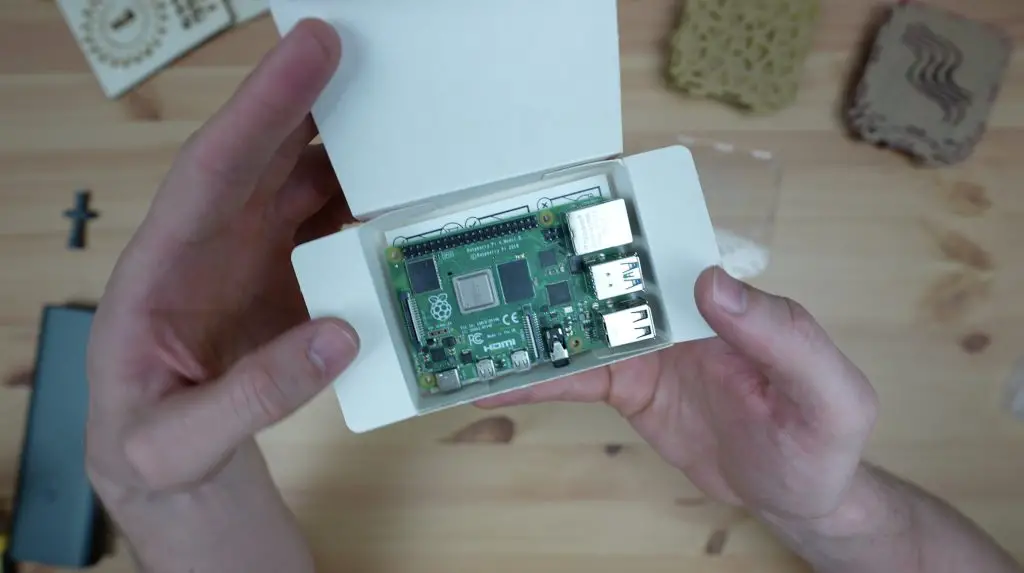
For this build, I’m going to be using a 2GB Raspberry Pi 4B

Raspberry Pi 4B 2GB

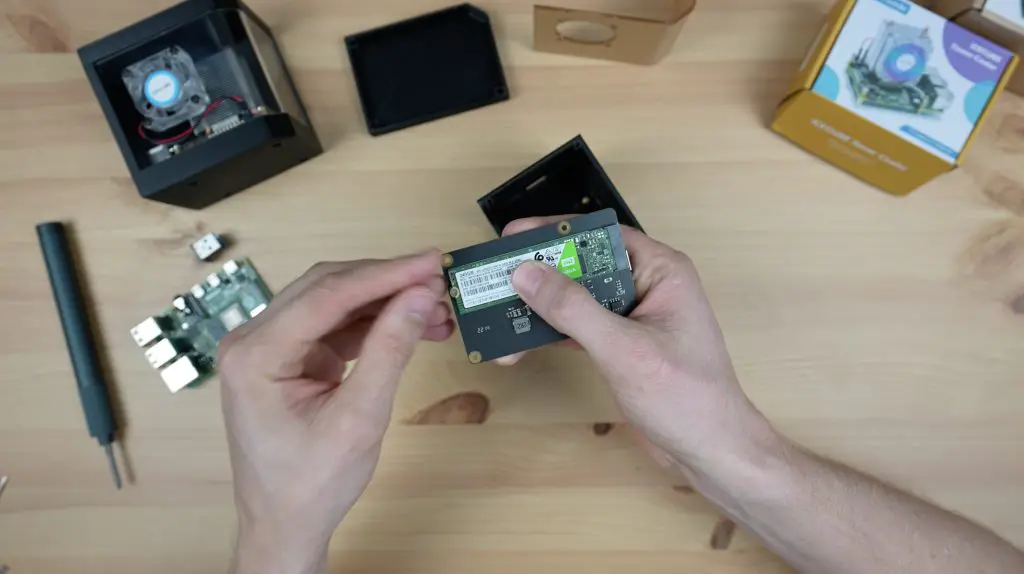
Before we start installing the components in the case, let’s install our SSD on the M.2 SSD shield. This just plugs into the socket and is held in place using a single small screw supplied with the shield.

Installing M.2 Drive Onto NGFF Shield

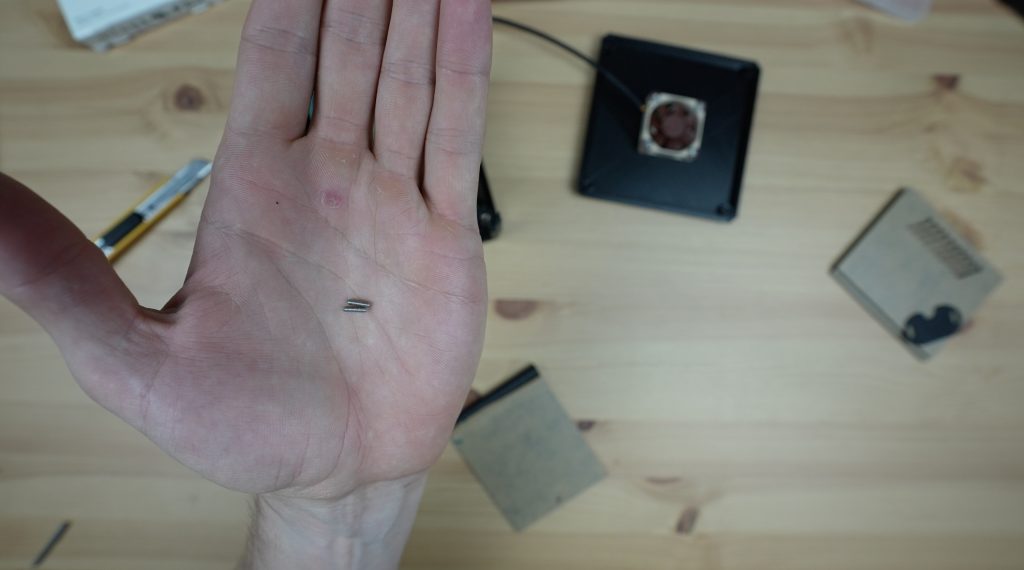
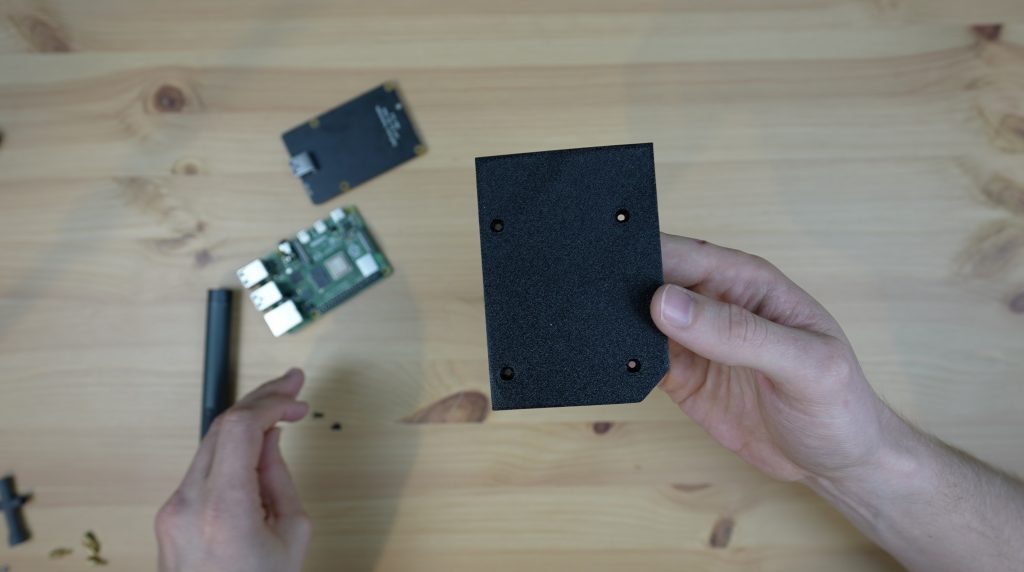
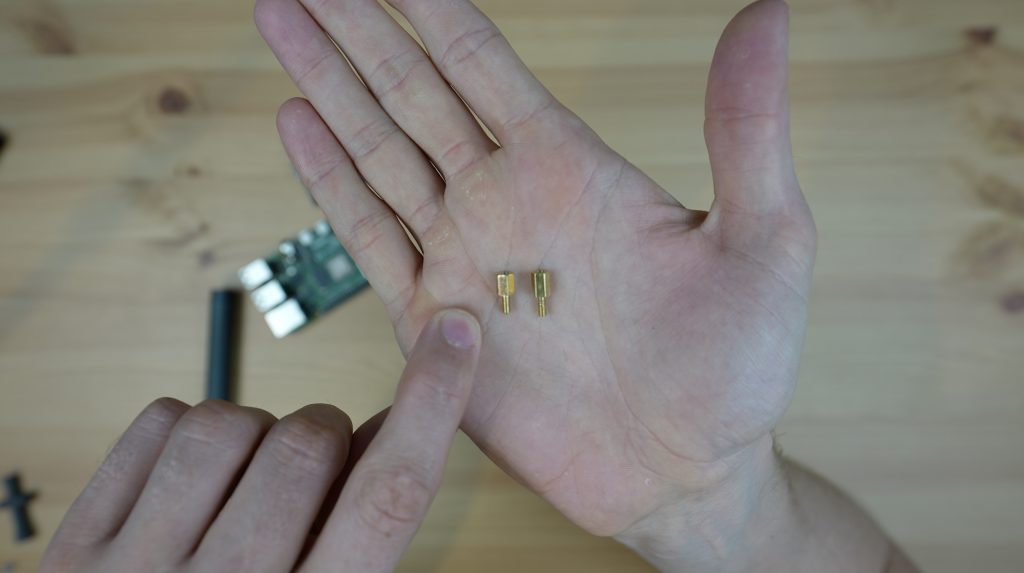
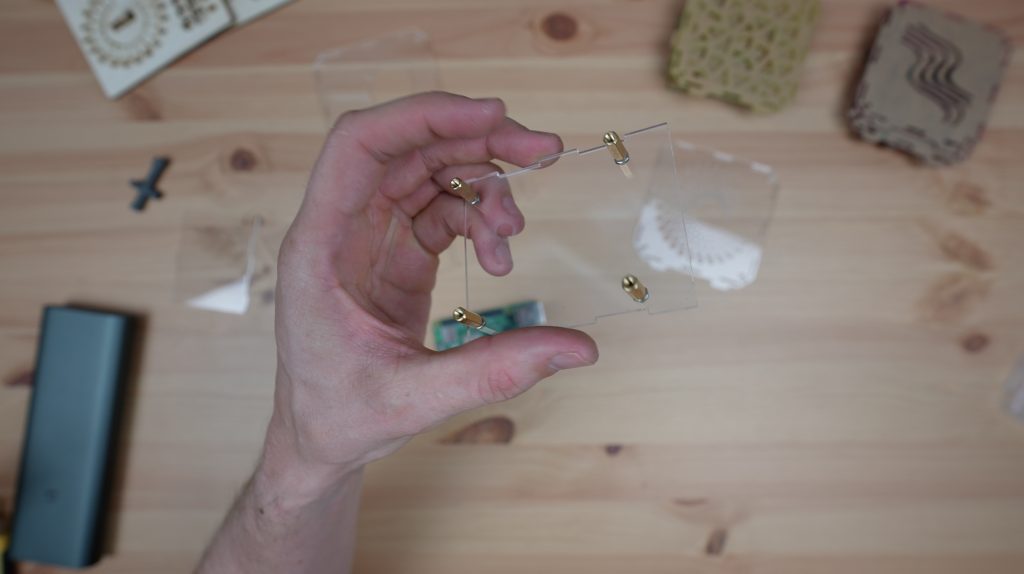
Next, I’m going to secure the M2.5 x 6mm brass standoffs to the bottom of the case using the M2.5 screws that come with the SSD shield.

M2.5 Screws Through Bottom Of Case

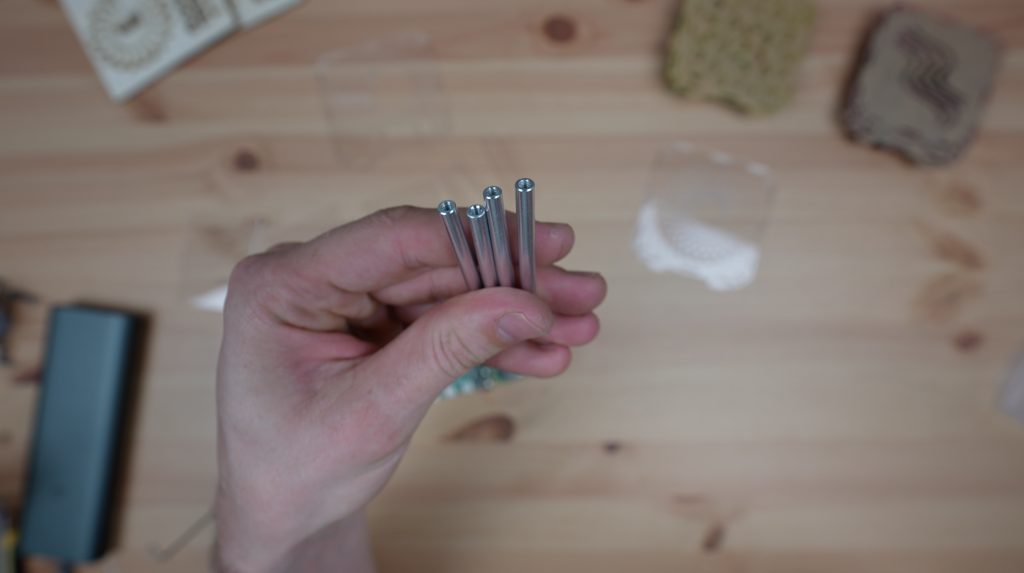
If you’re trying this build for your Raspberry Pi, make sure that you use a set of 6mm standoffs for these, the ones included with the M.2 SSD shield are slightly longer and will then cause your Pi’s ports to not be aligned with the cutouts in the case.

Standoff Lengths For Installation Into Case

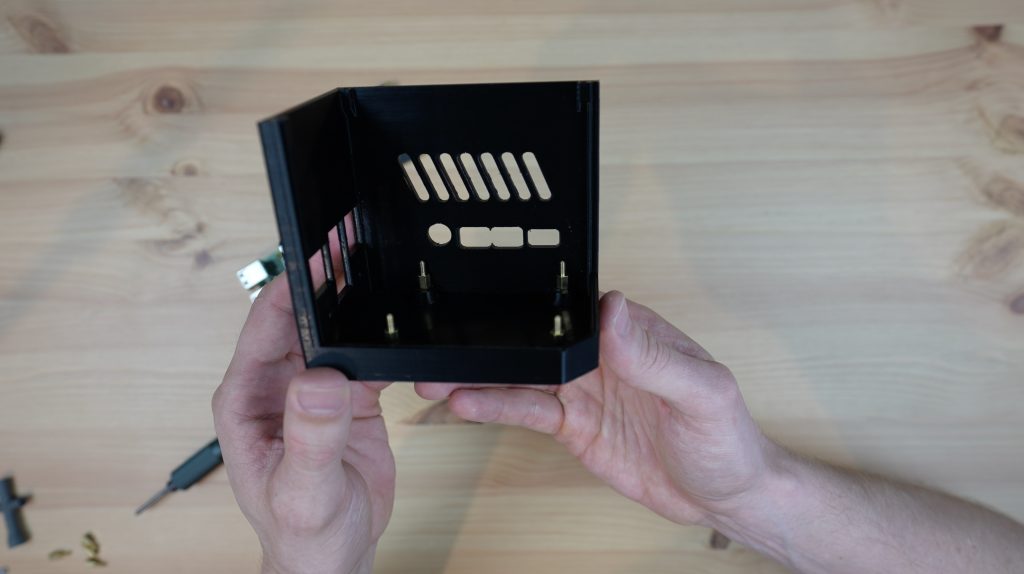
The screws go into the female side of the standoffs through the base of the case so that you’ve got the male sides of the standoffs facing upwards for your M.2 SSD shield to fit onto.

M2.5 Brass Standoffs Installed In Case

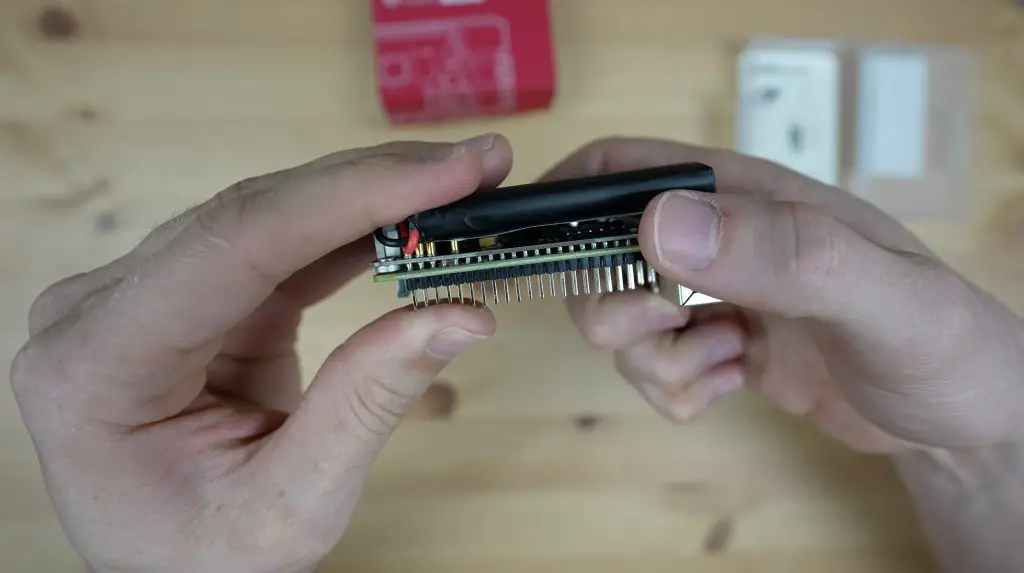
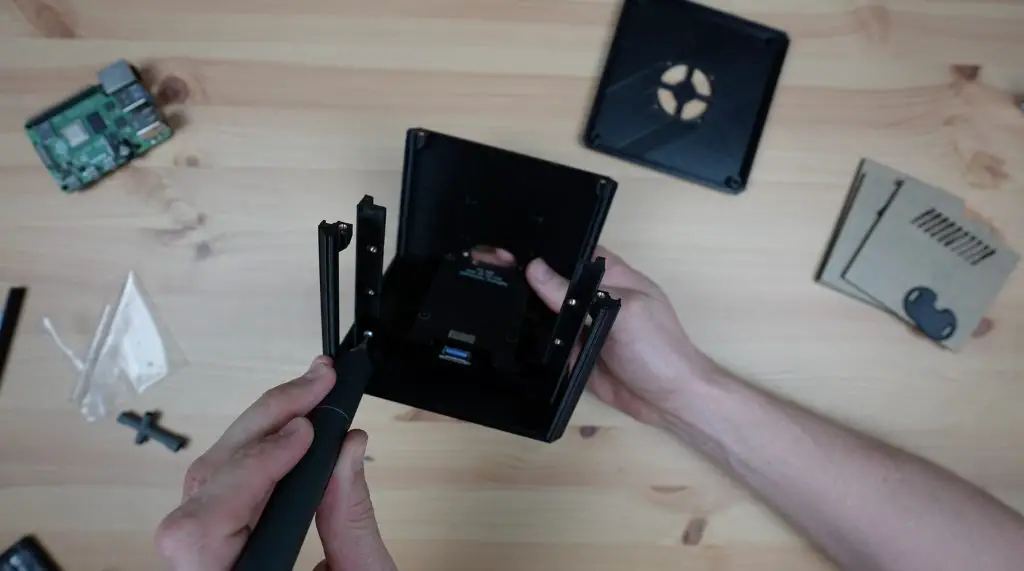
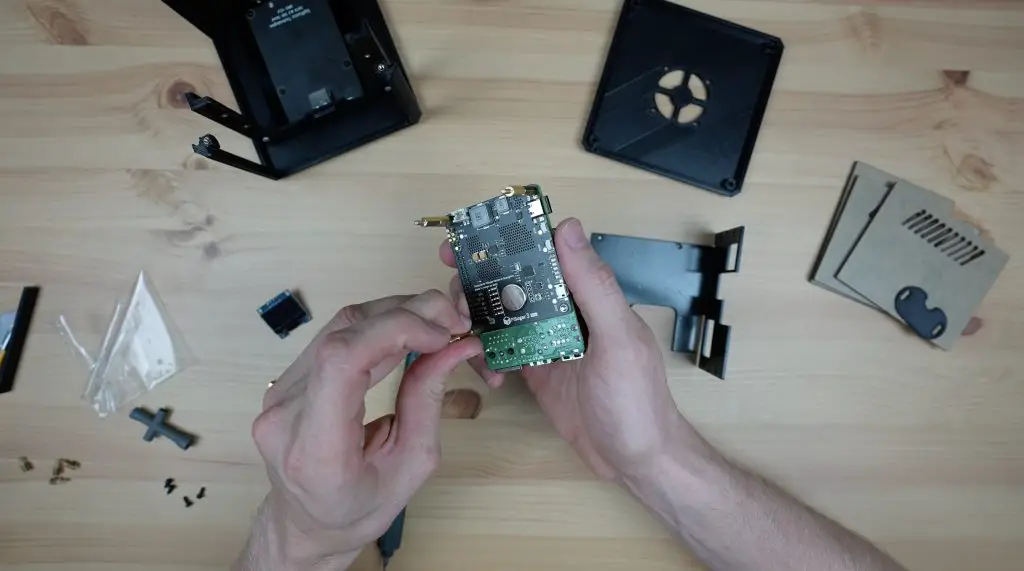
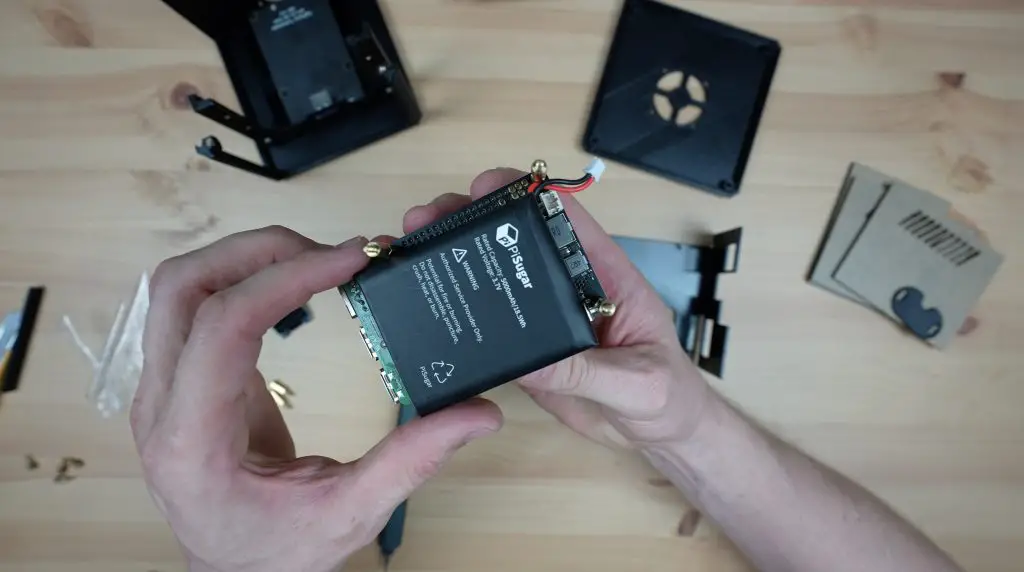
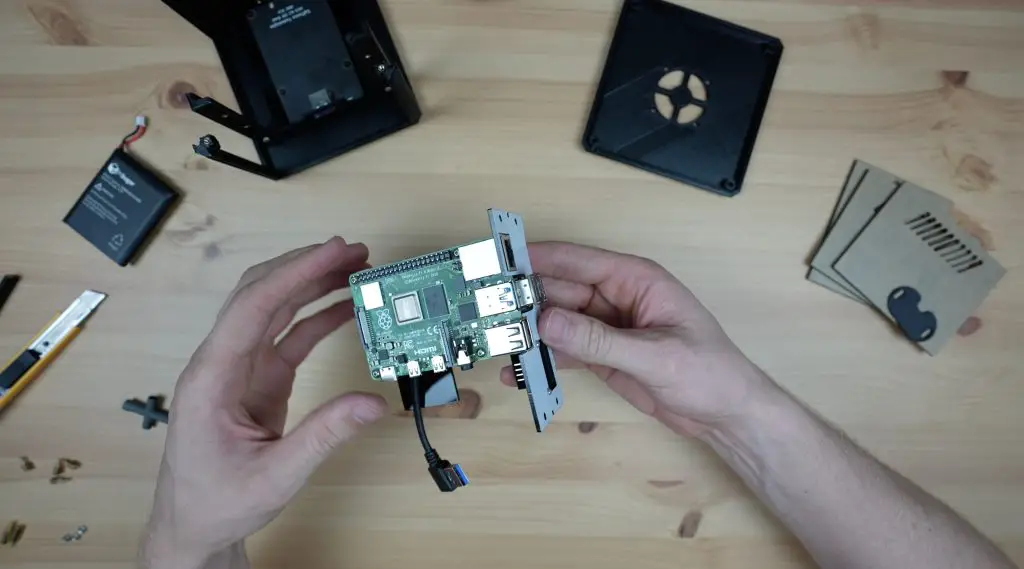
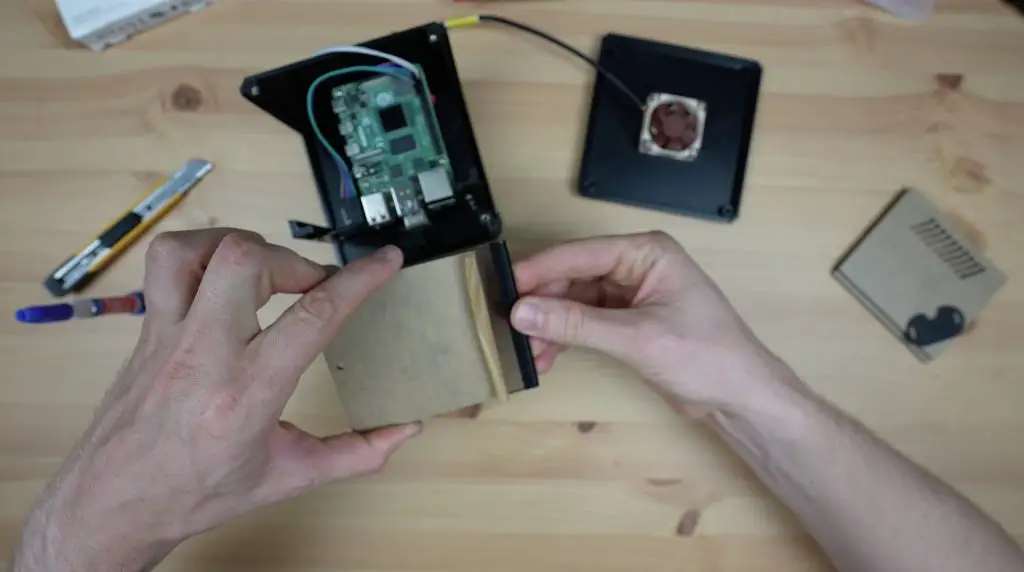
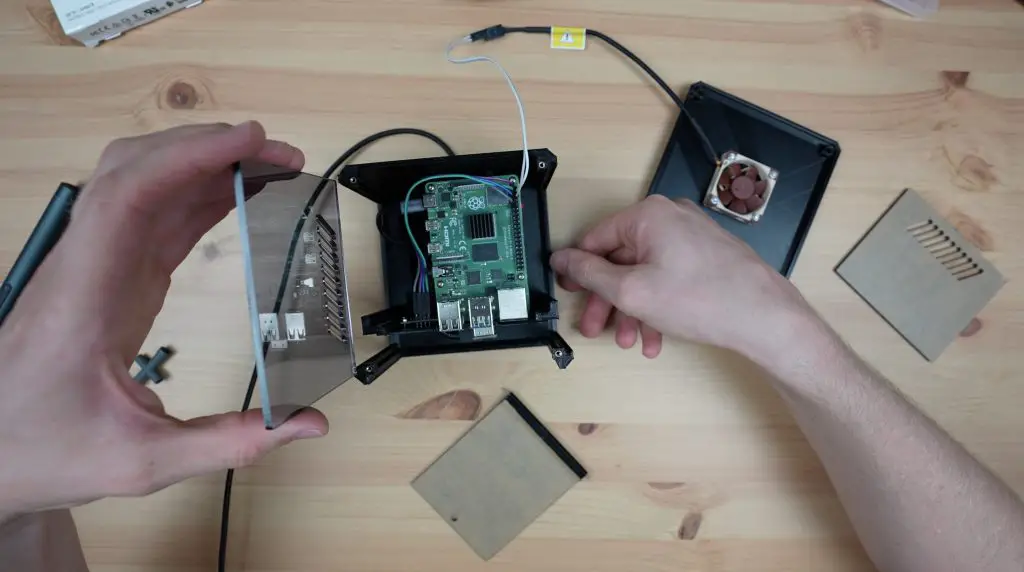
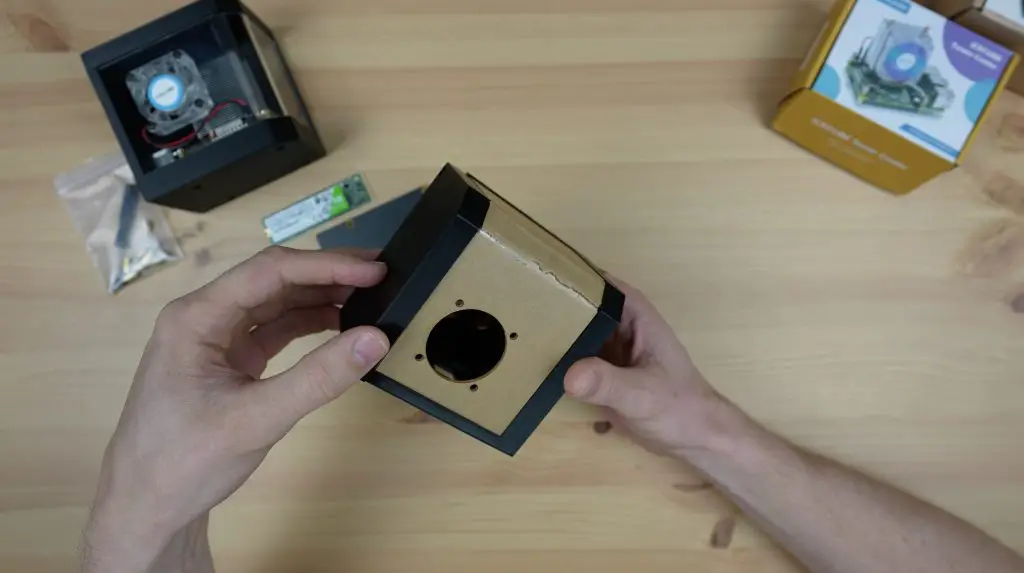
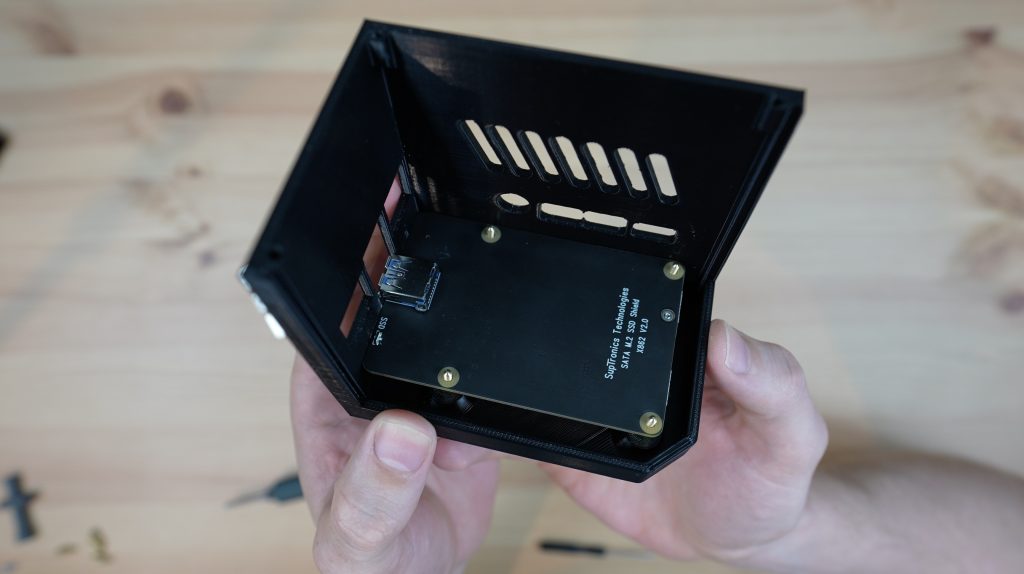
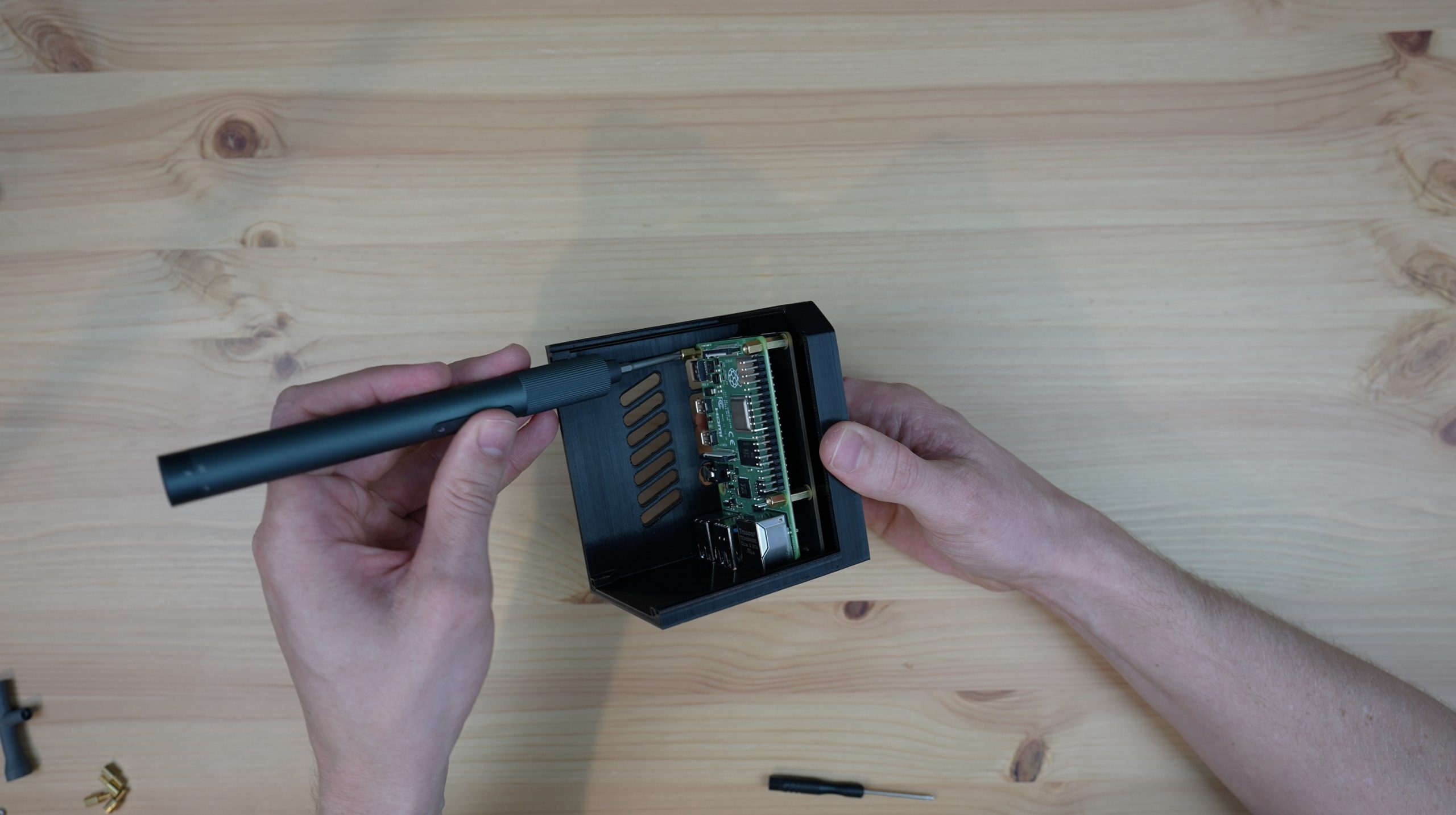
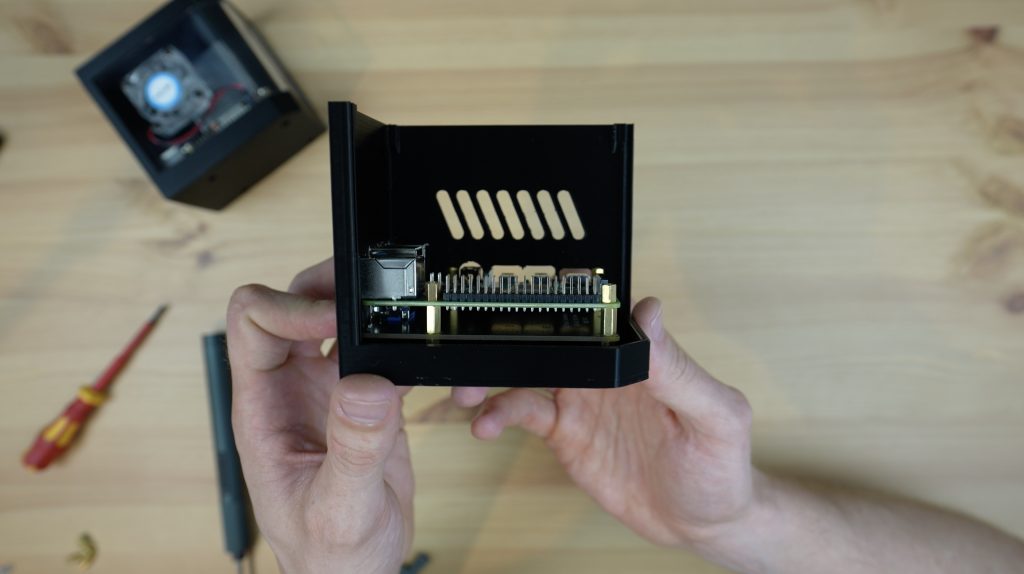
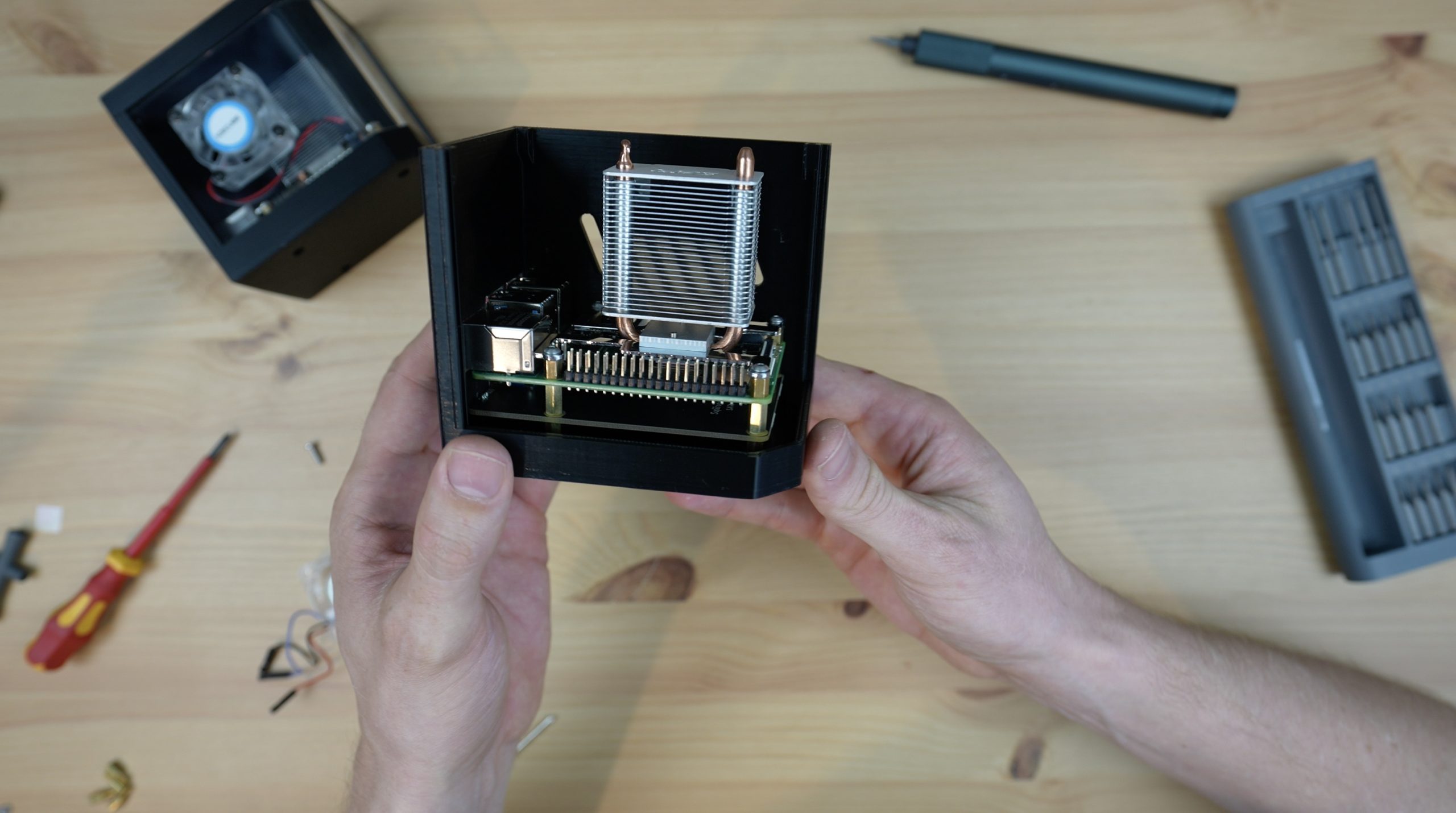
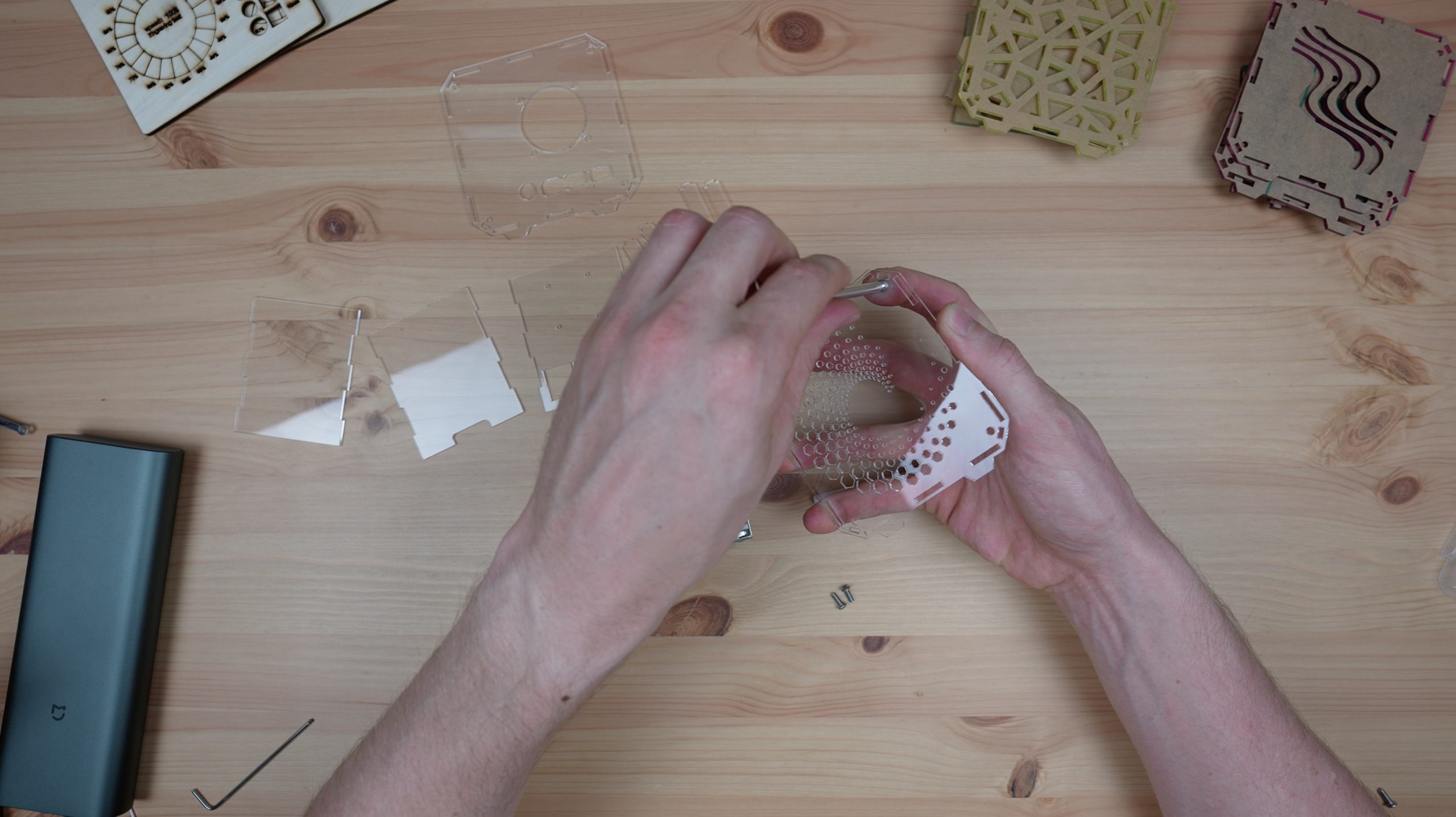
We can then put the M.2 SSD shield in place on the standoffs on then hold it in position using the longer brass standoffs that came with the shield. The shield is installed with the drive facing down towards the bottom of the case.

M.2 NGFF Shield Installed Into Case

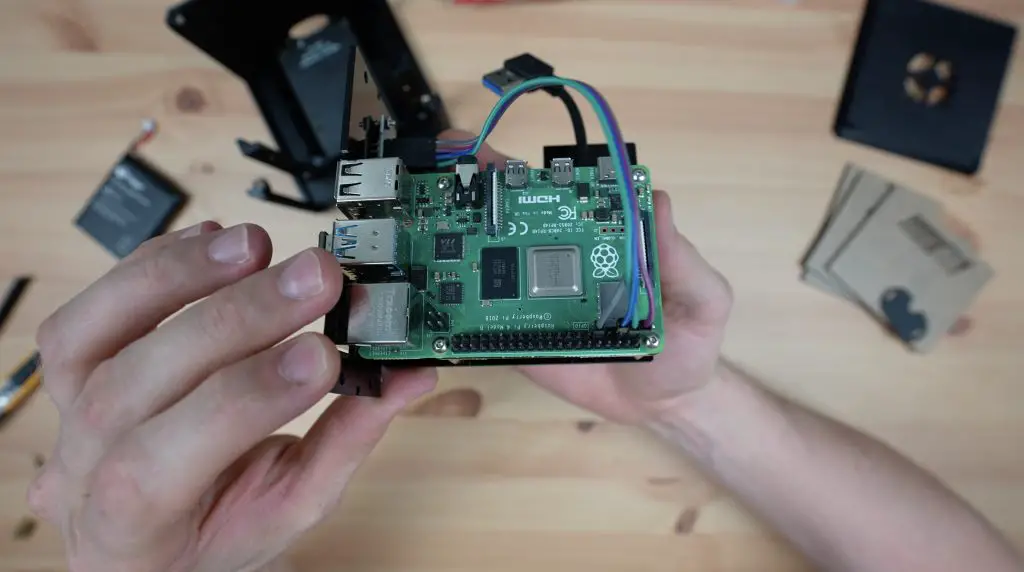
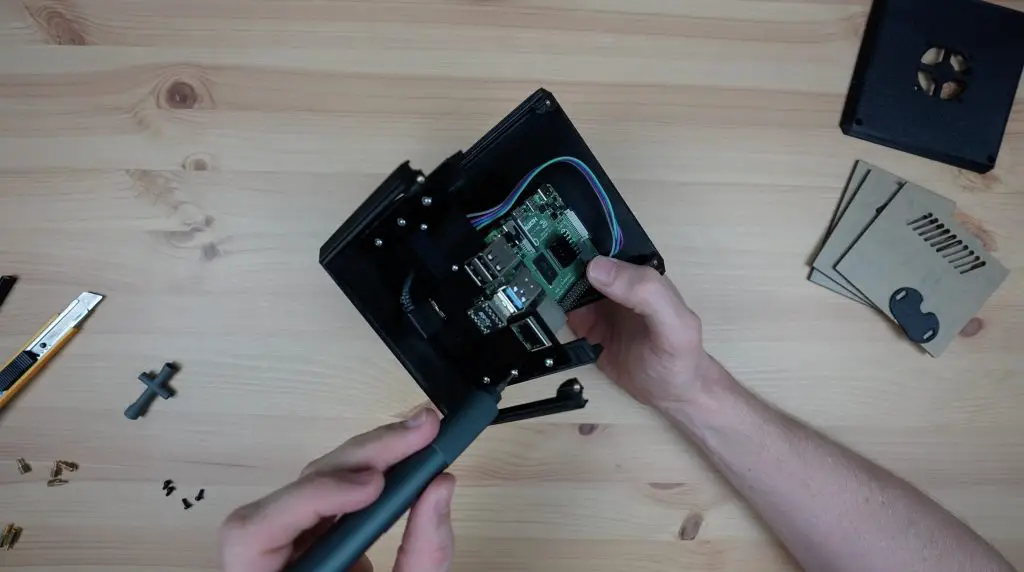
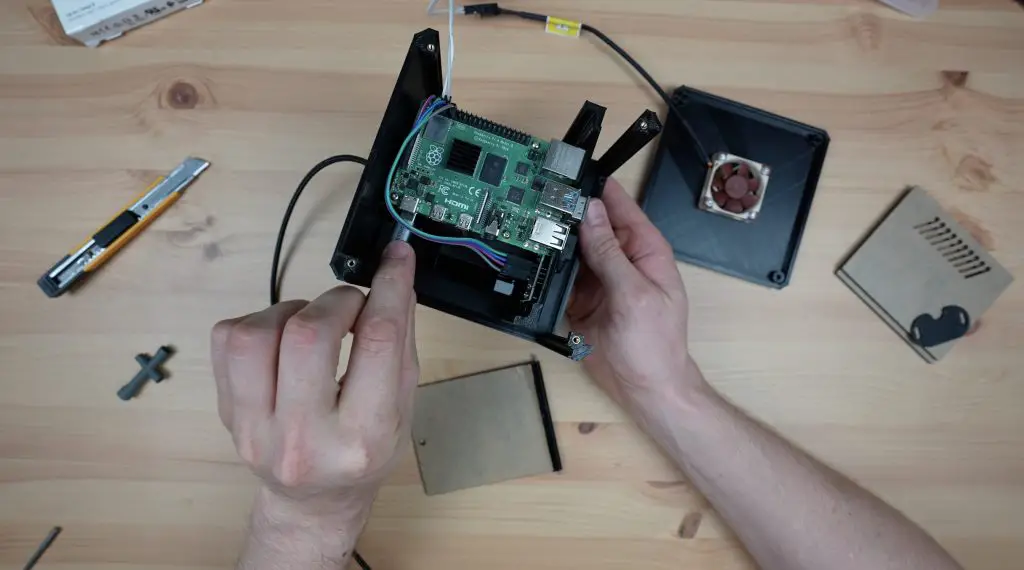
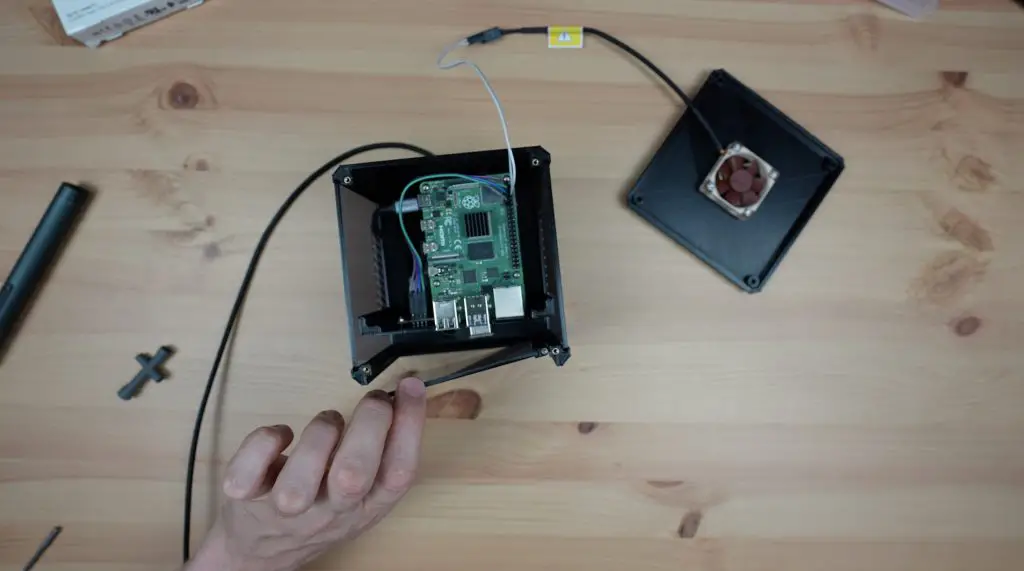
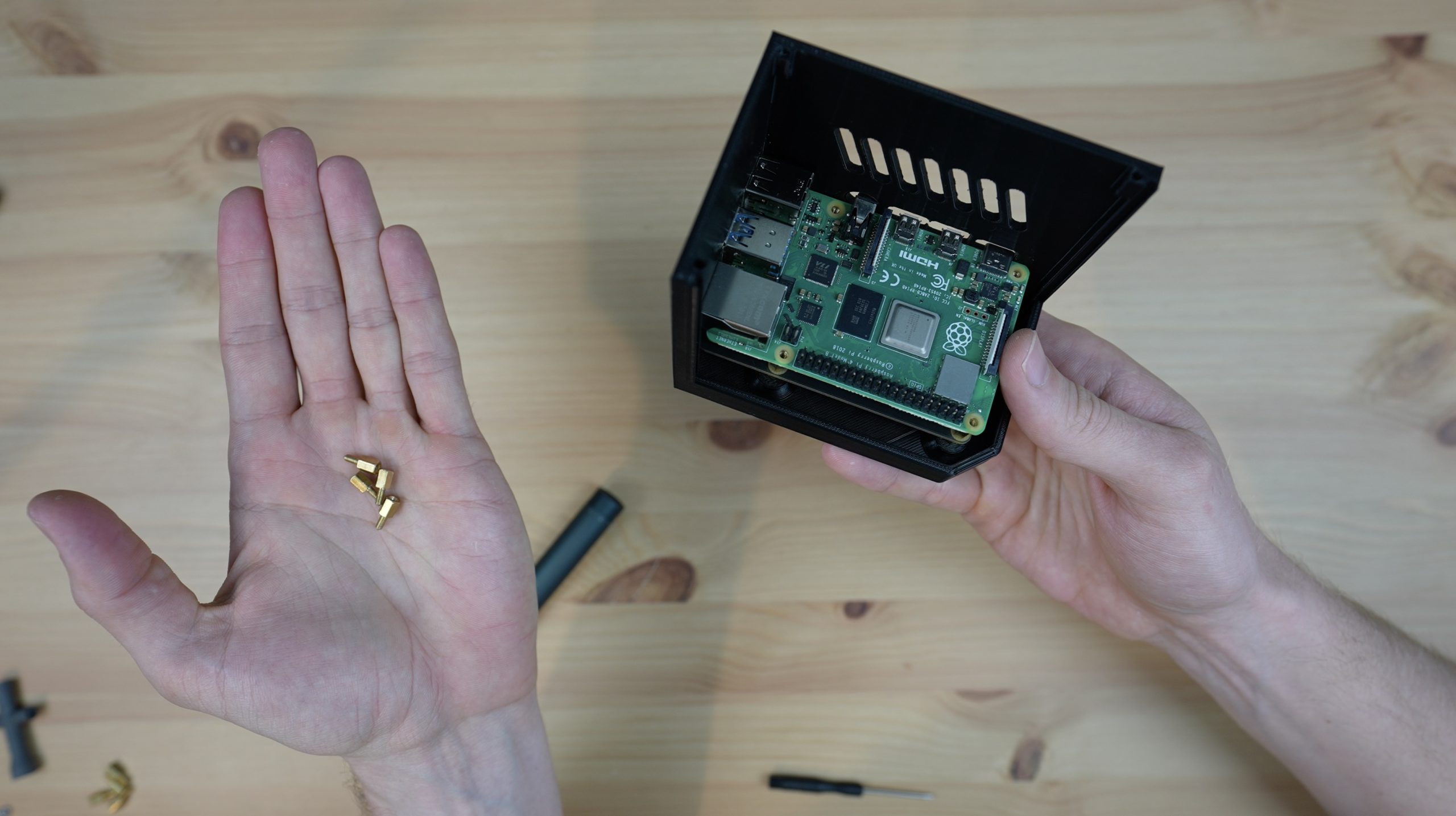
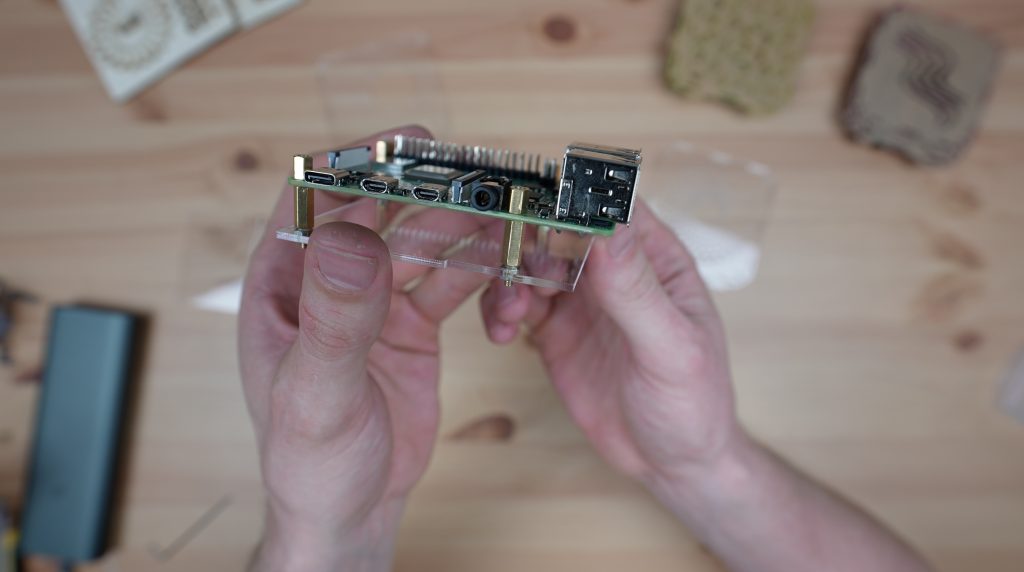
We can then hold the Raspberry Pi in place with the standoffs from the Ice Tower or Ice Cube kit.

It looks like our ports are all positioned correctly within the cutouts. So let’s get the Ice Tower cooler installed.

Pi Installed Into Case

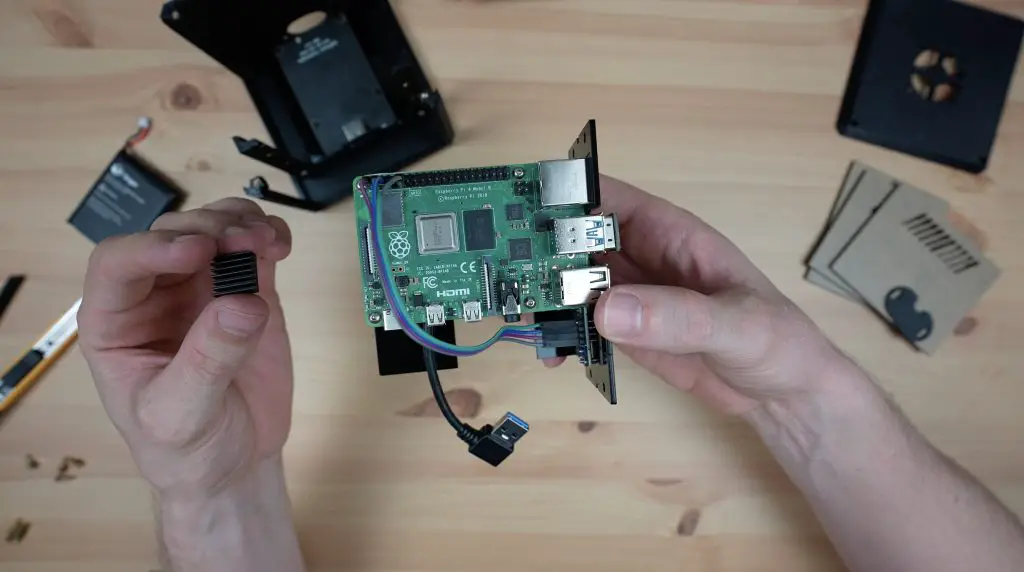
If you’re using an Ice Tower cooler, stick the cooling pad onto the CPU. If you’re using an Ice Cube cooler, it’s easier to stick the pads onto the bottom of the cooler first so that they line up with the components on the Pi.

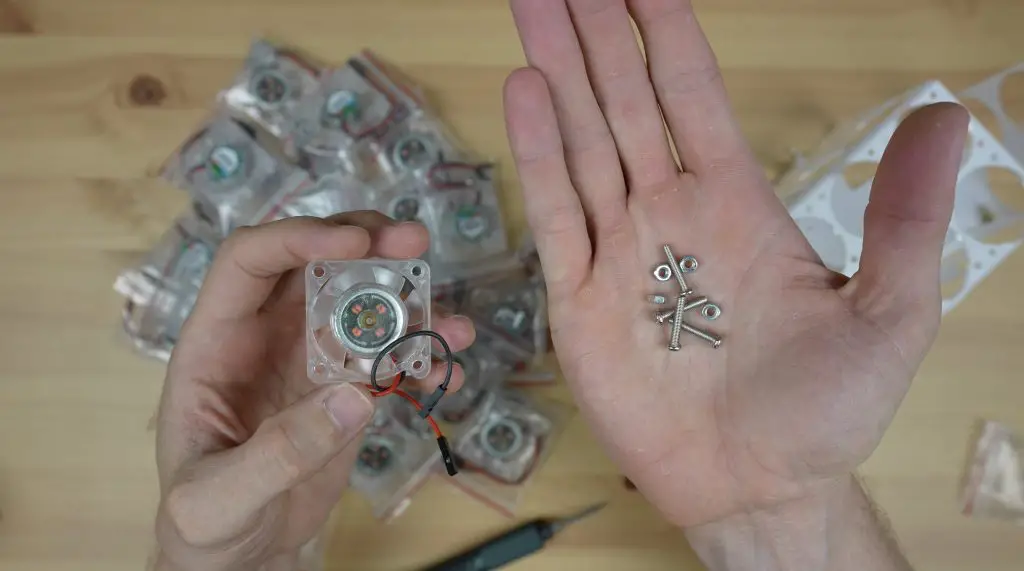
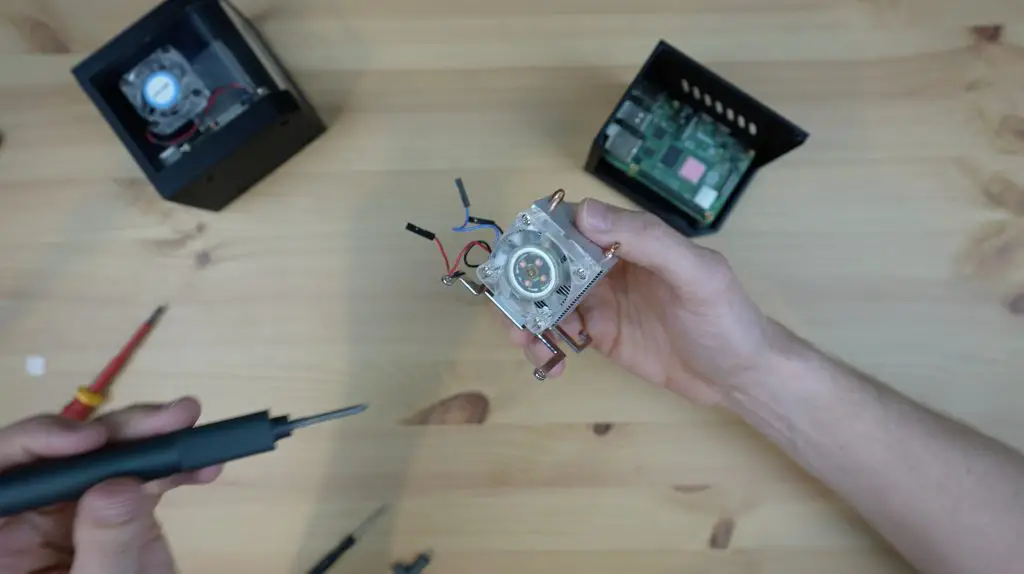
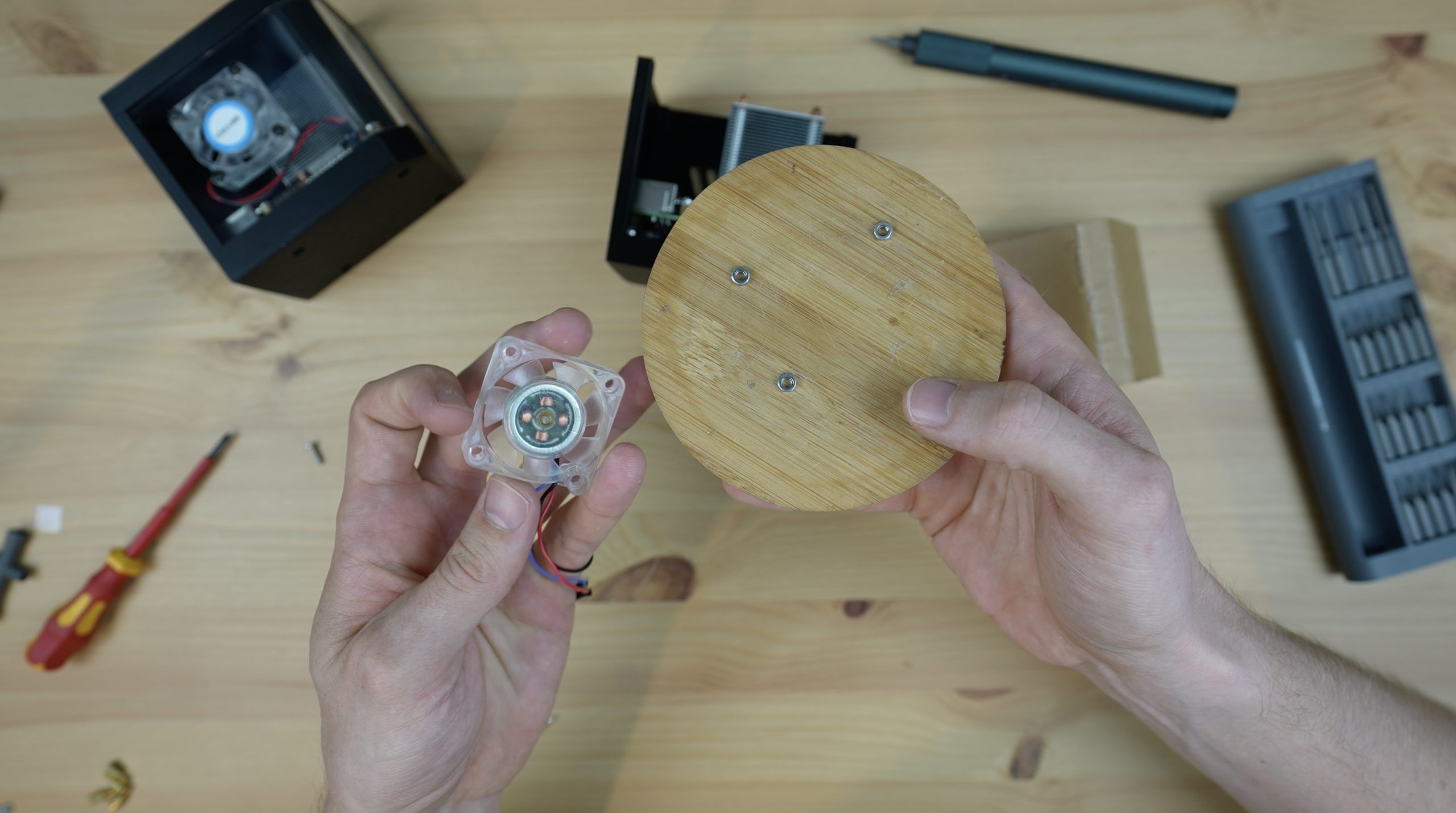
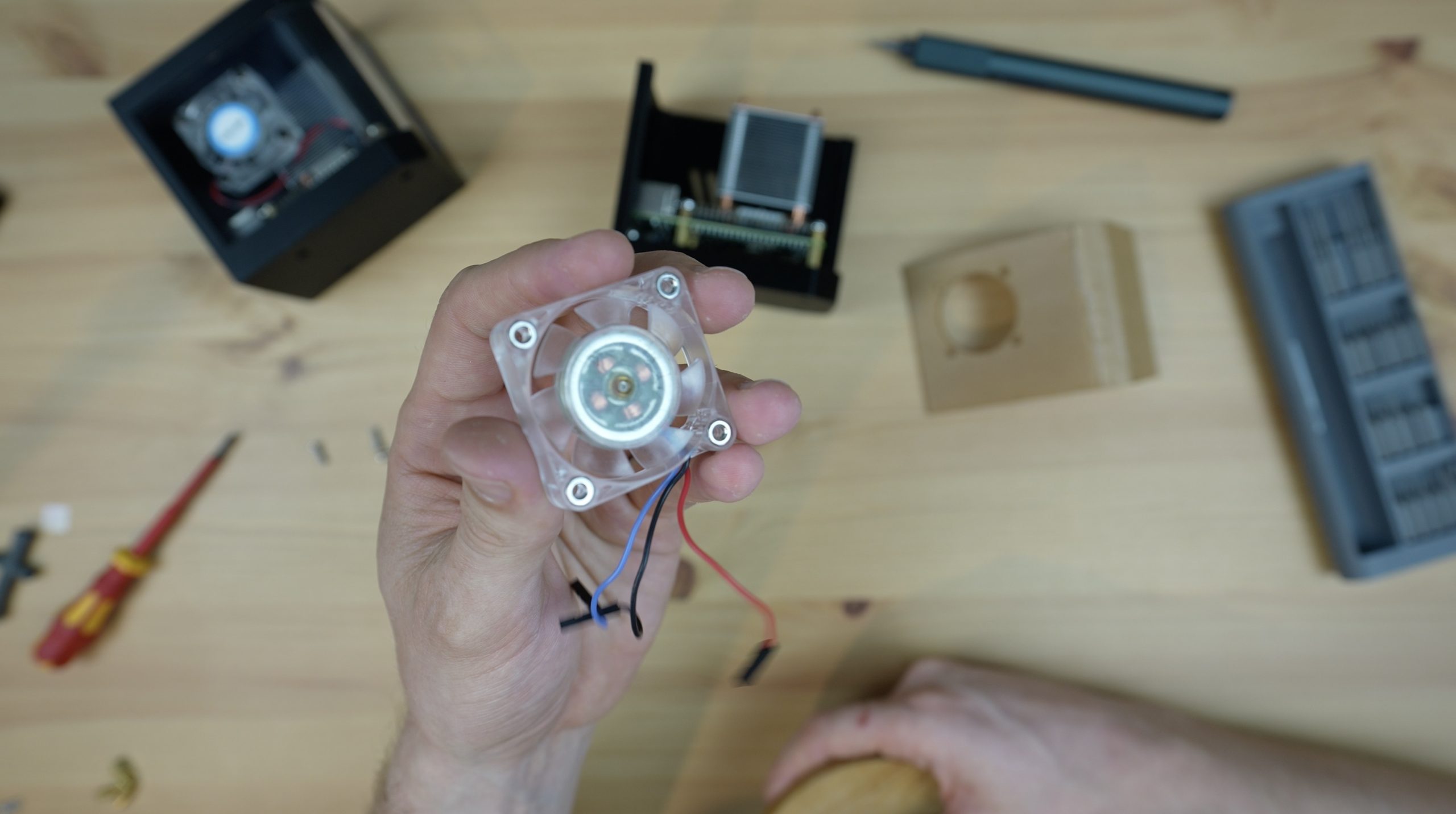
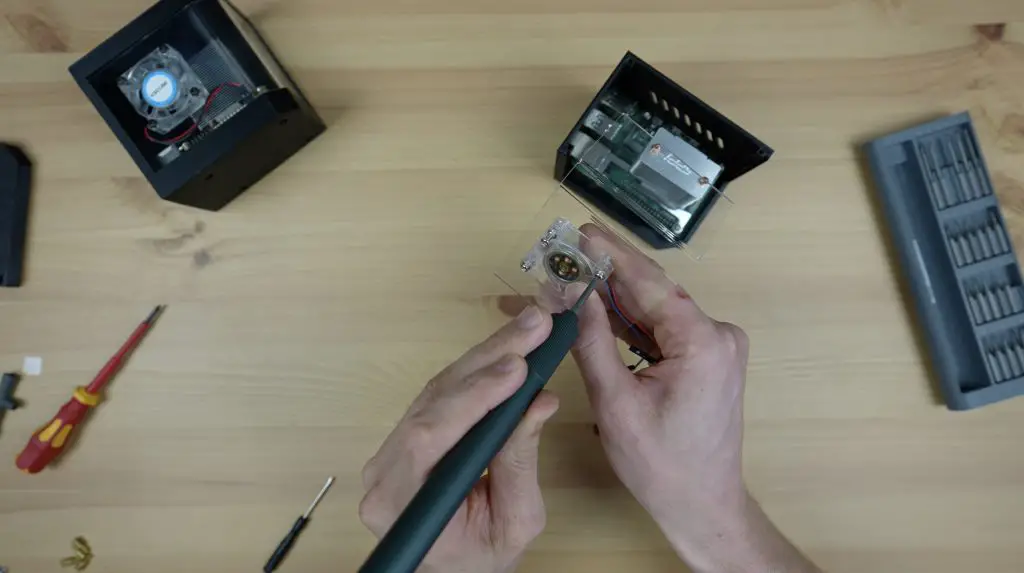
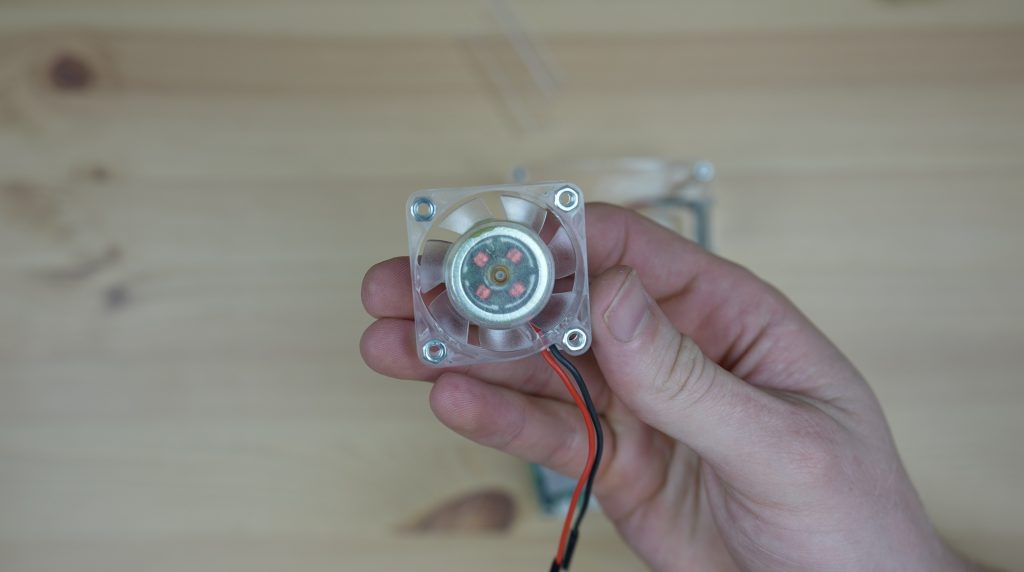
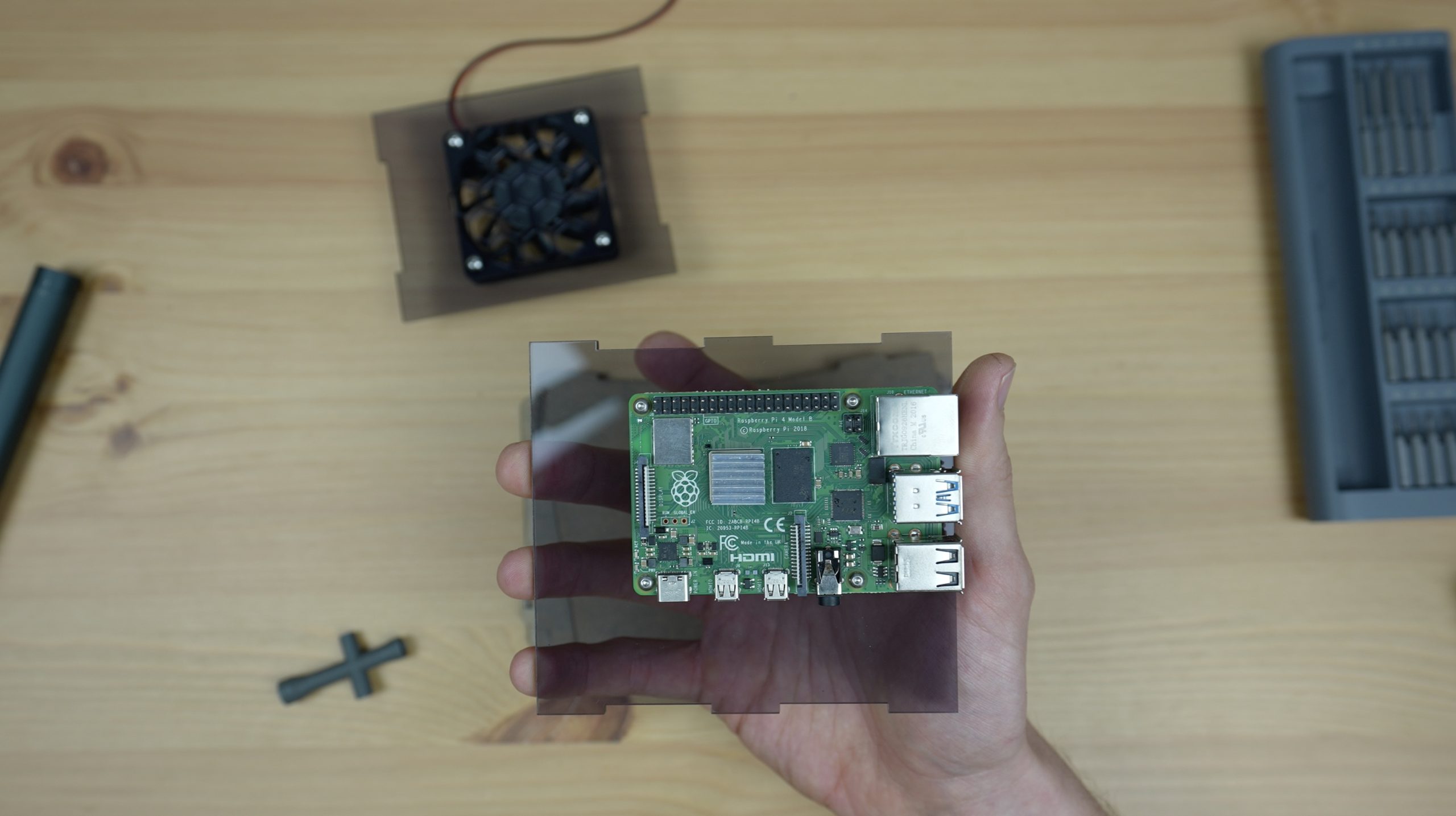
I’ve already installed the legs on the bottom of my cooler, so now I’m going to remove the fan from the cooler to mount onto the acrylic side panel.

Removing Fan From Ice Tower Cooler

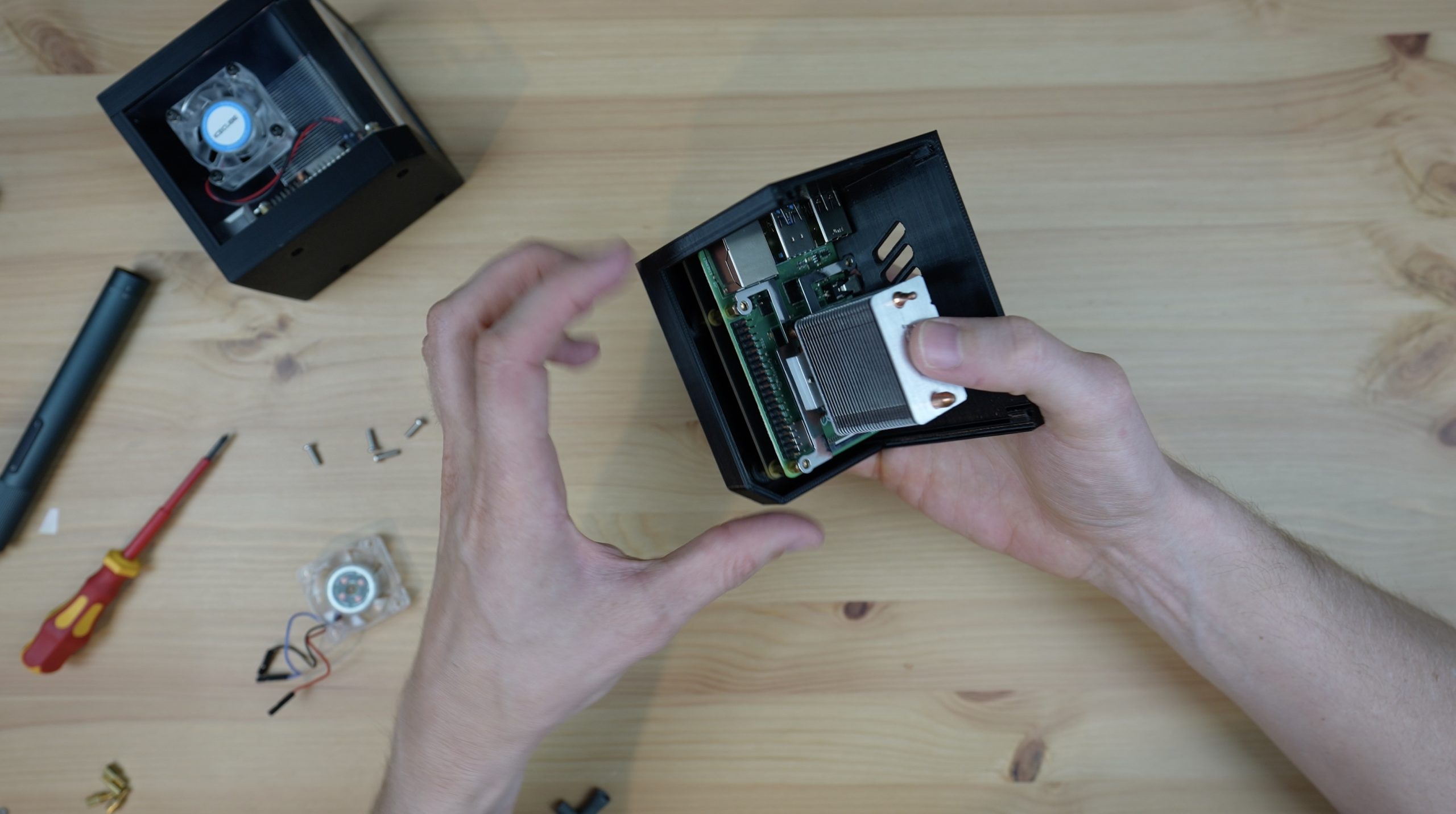
We can then install the Ice Tower and secure it with the M2.5 screws that were supplied with it.

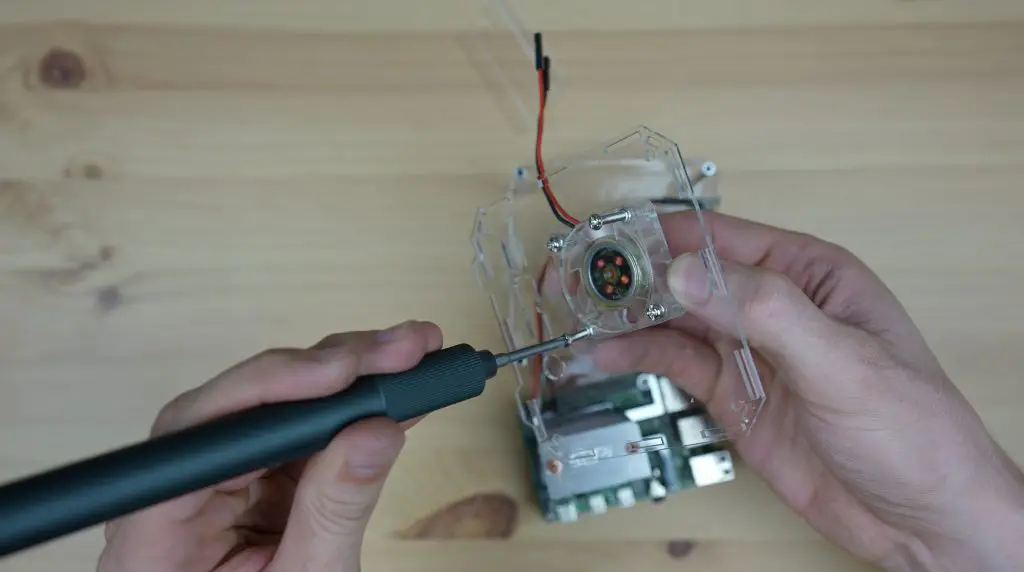
Installing The Fan On The Acrylic Side Panel

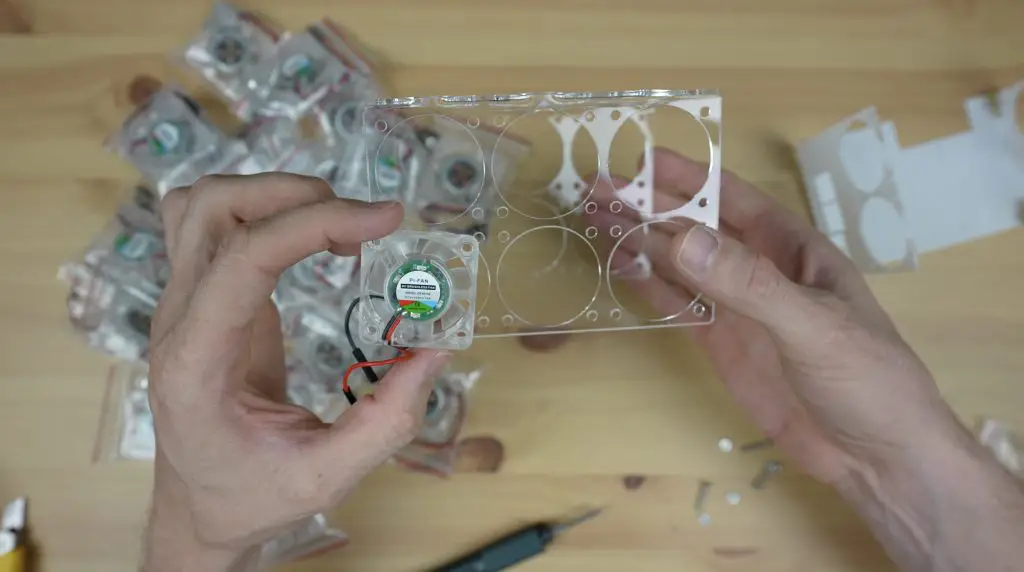
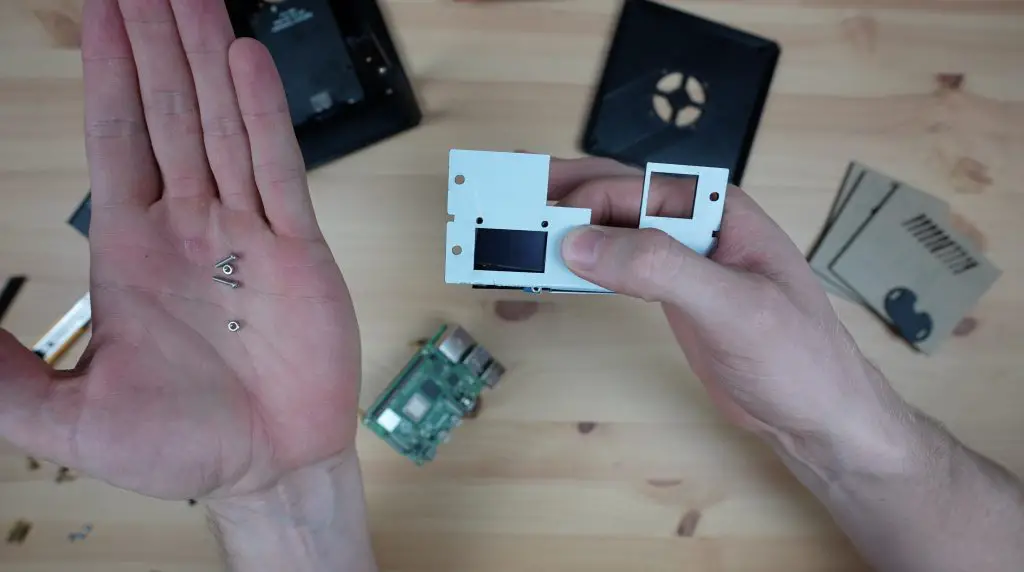
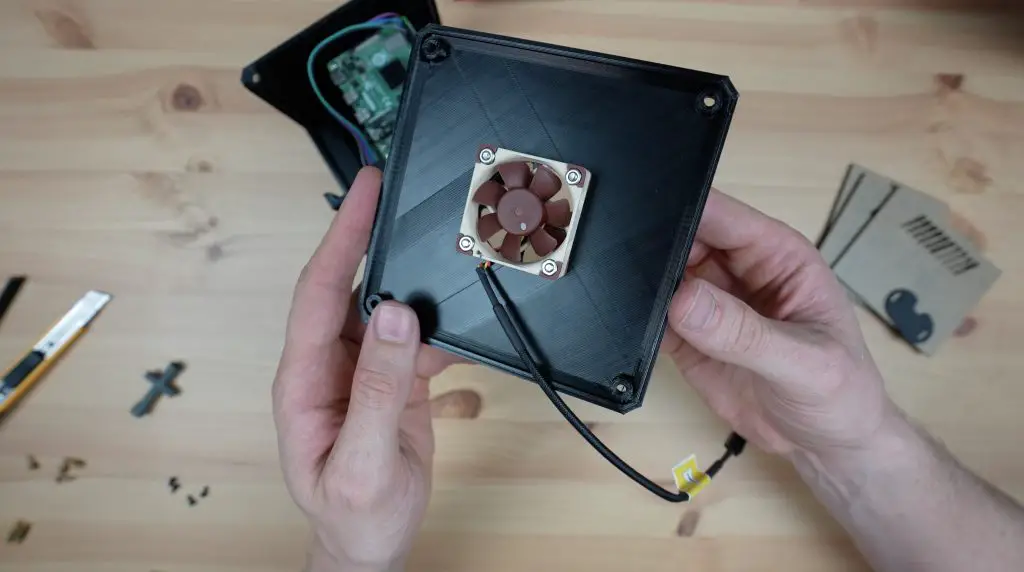
To hold the fan onto the acrylic side panel, we need to press some M3 nuts into the pockets on the front of it. This is easiest to do by laying the nuts down on a flat surface and then pressing the fan down over them.

We can then hold the fan in place with some M3 screws through the acrylic side panel, I’m just using the screws that were holding the fan in place on the Ice Tower.

If you’d prefer, you can swap out the M3 screws for slightly longer ones and then just use the nuts on the back of the fan as it would typically be installed. Make sure they’re only a little longer than the fan and nut so that they don’t clash with the cooler once installed.

Installing Fan Onto Side Panel

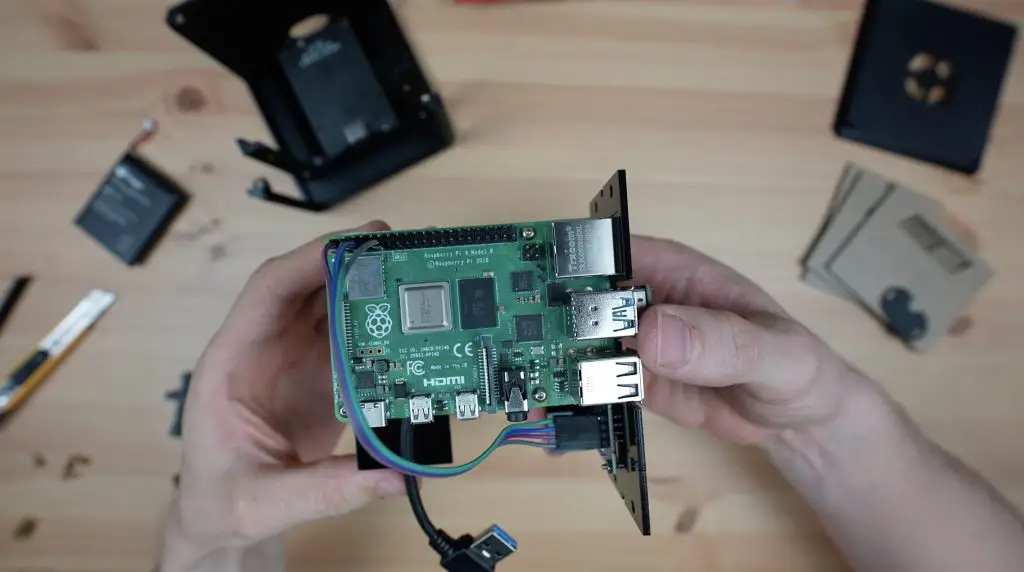
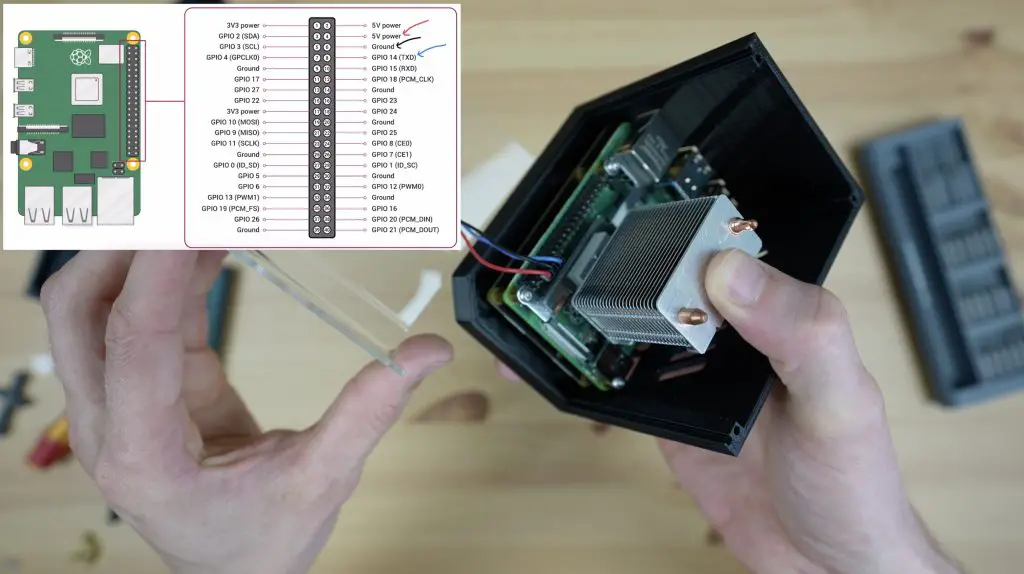
Now let’s plug the fan into 5V and GND, if you’re using a PWM fan like the one I’m using then you can either leave the PWM pin disconnected or plug it into a GPIO pin to control the fan. I’m going to plug it into GPIO pin 14, which is the one next to the ground pin so that I can turn it on only when I need it.

Plugging Fan Into Raspberry Pi Pins

I don’t like using these fans with a PWM speed control script because they’re actually noisier when slowed down, for a silent fan you’re better off using a good quality Noctua fan.

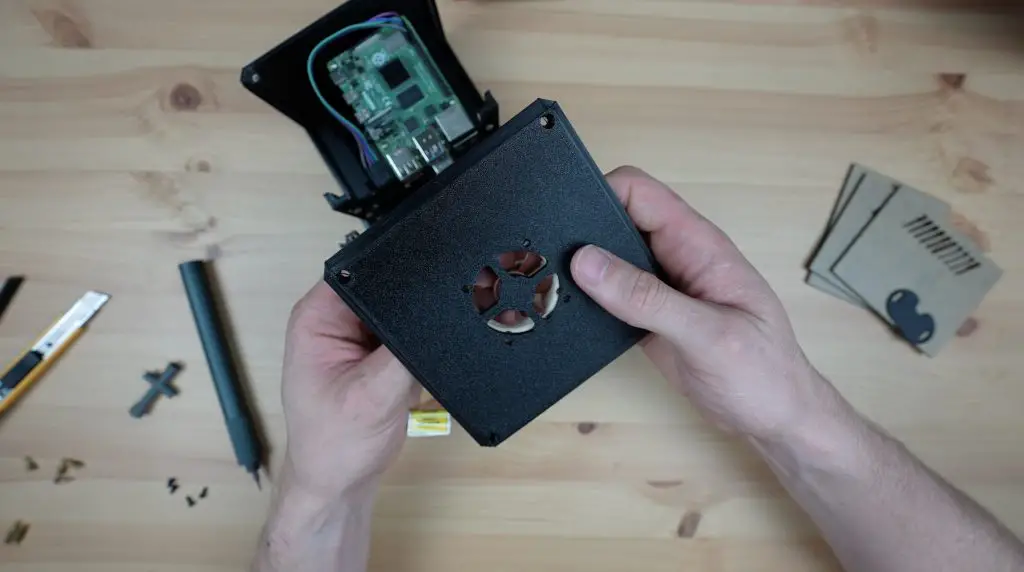
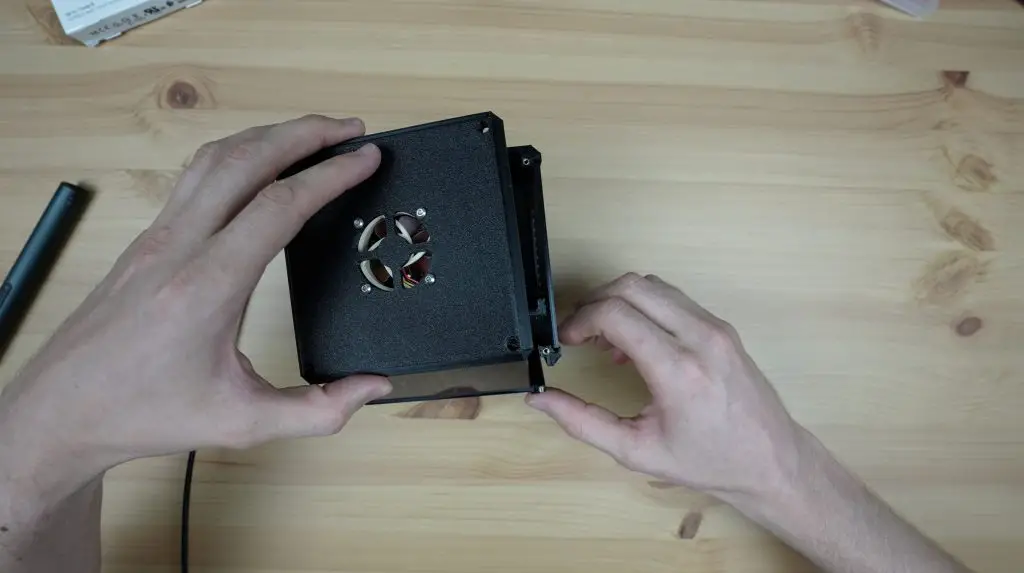
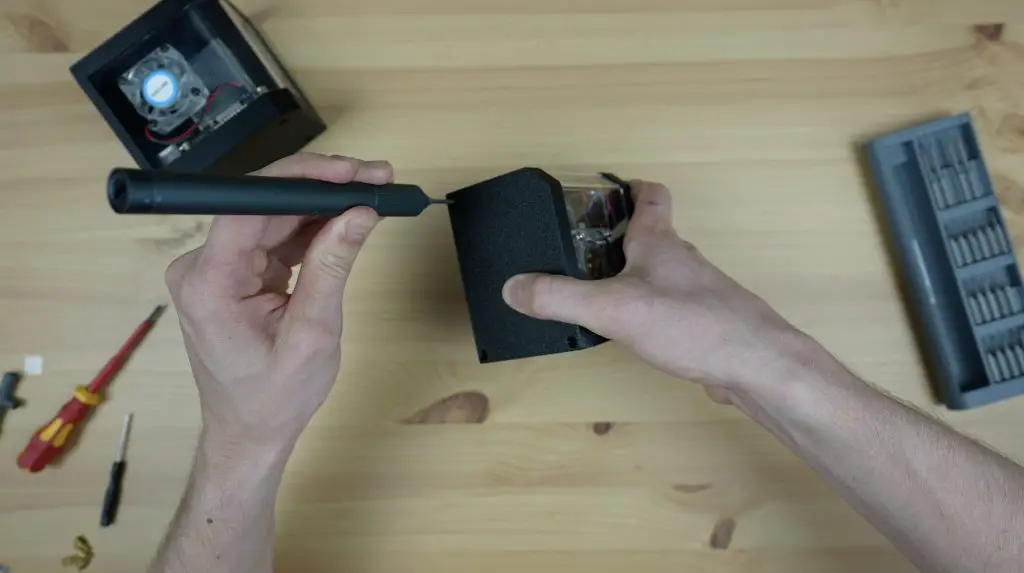
The top cover is held in place with three M3x8mm screws. Hold off on doing this just yet if you haven’t prepared your SSD as you might want to use the microSD card slot to do so.

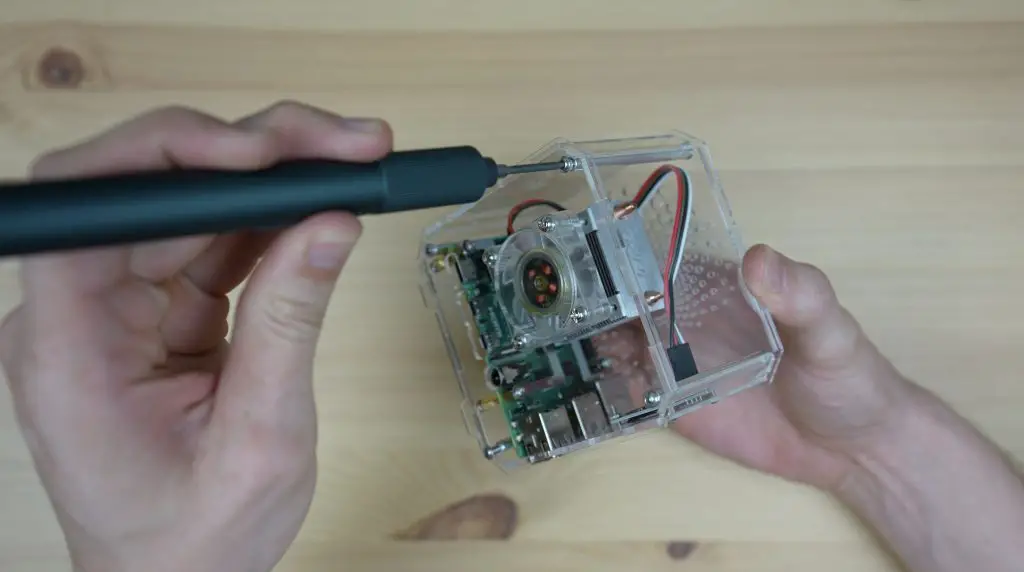
Installing Case Lid Using M3x8mm Screws

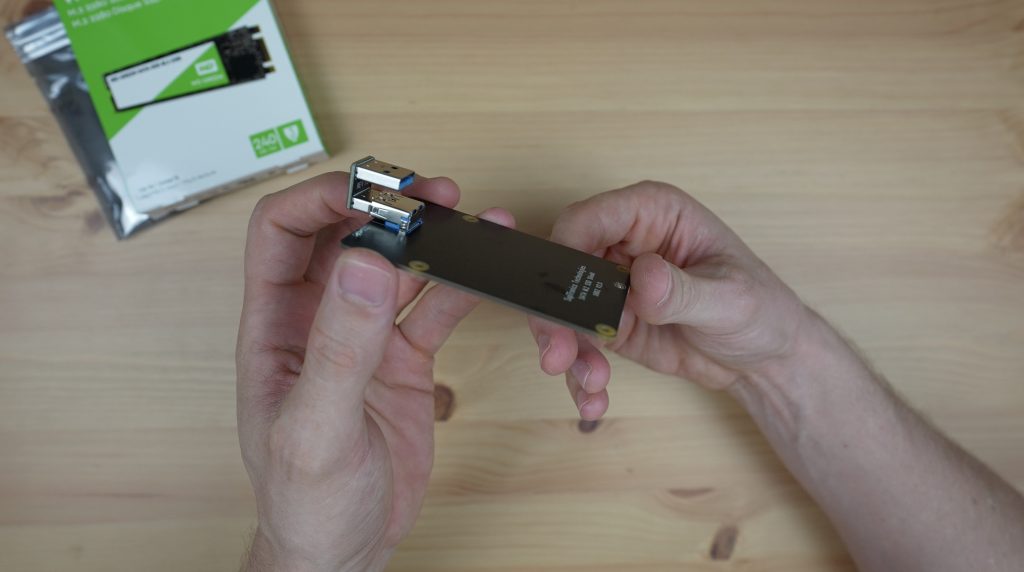
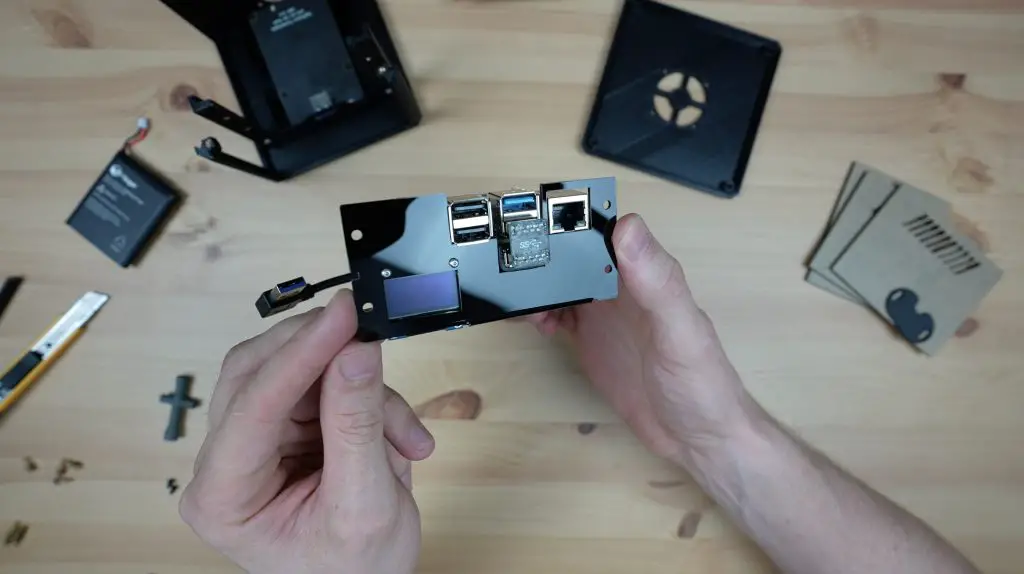
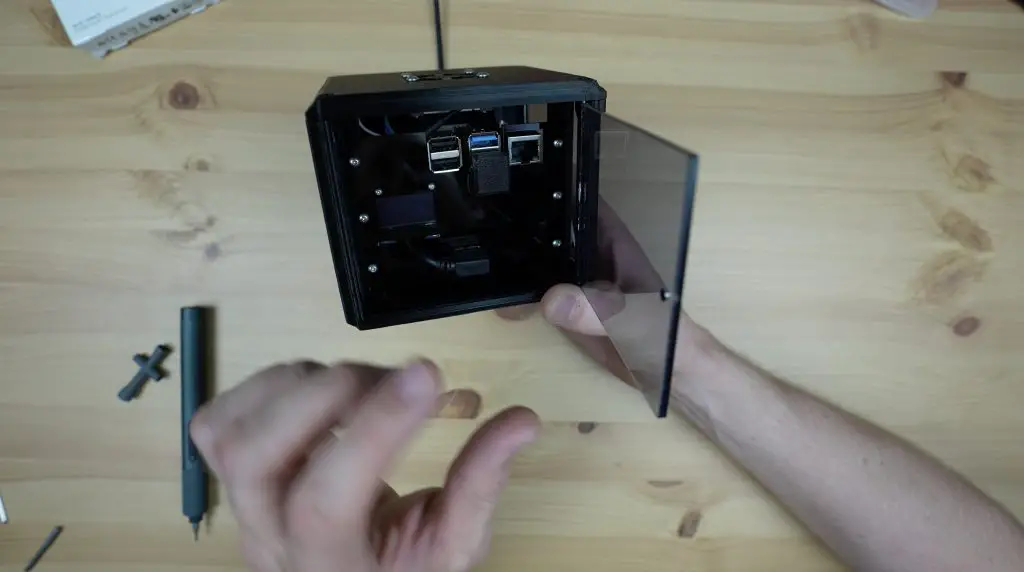
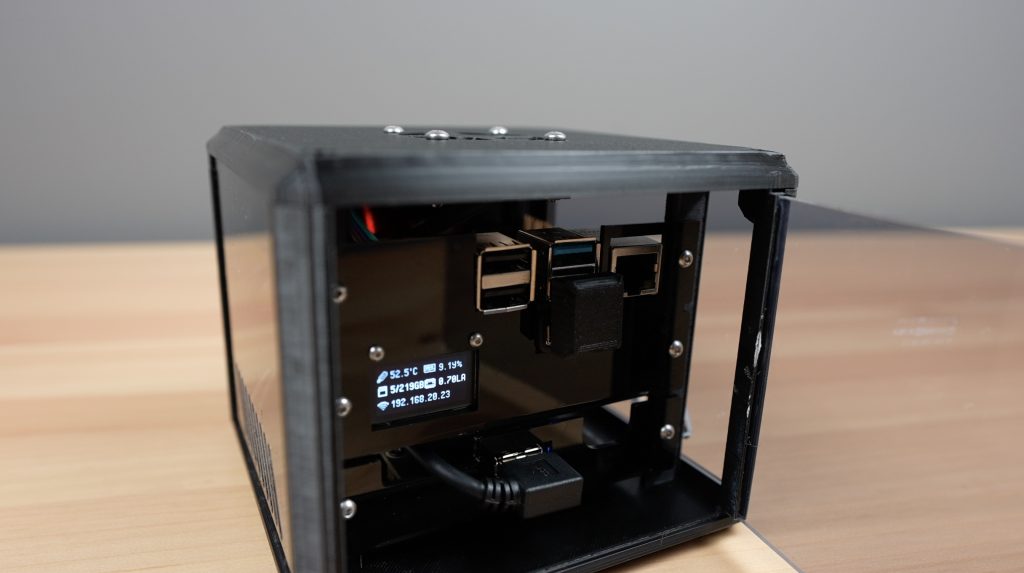
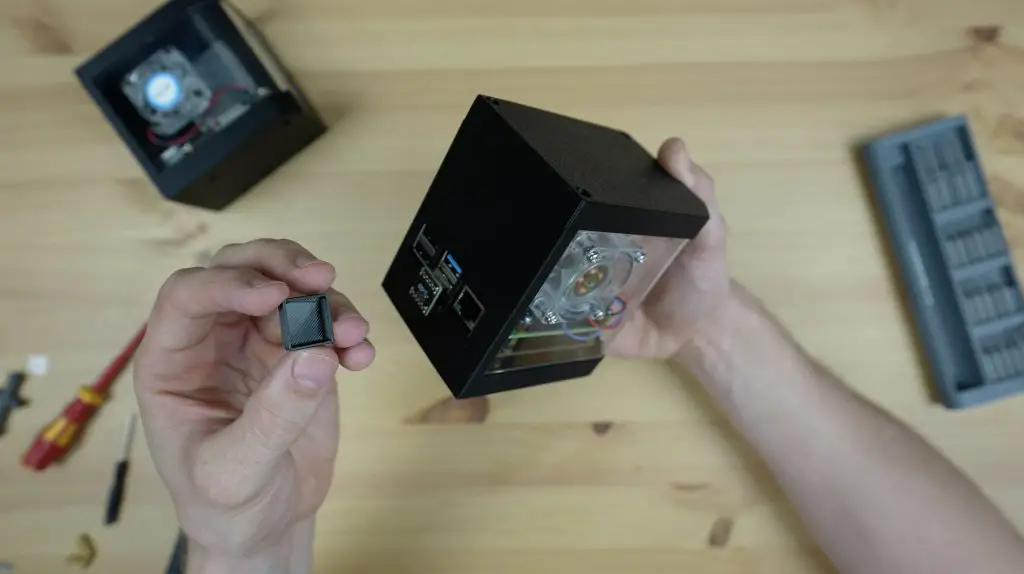
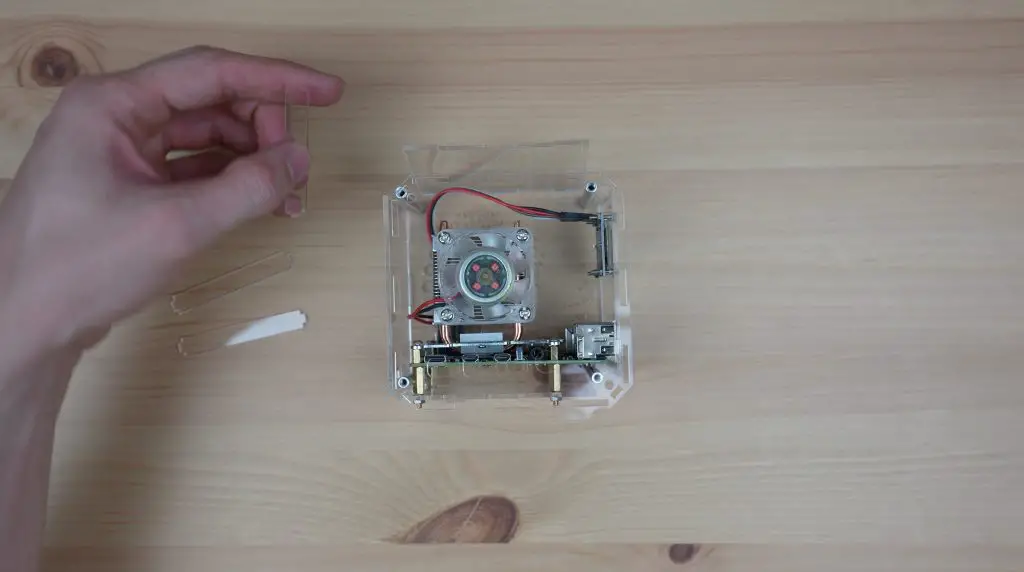
To finish it off, we just need to plug in our USB jumper and put the 3D-printed cover over it.

Plugging In Jumper and Jumper Cover

Loading The Operating System Onto Your SSD

Before closing it up, if you haven’t already flashed your operating system image onto your SSD, there are two easy ways to do this;

The first is to use a USB A to A cable to plug the shield into your computer and then use Raspberry Pi imager to flash the operating system image directly onto the SSD like you would with a microSD card.

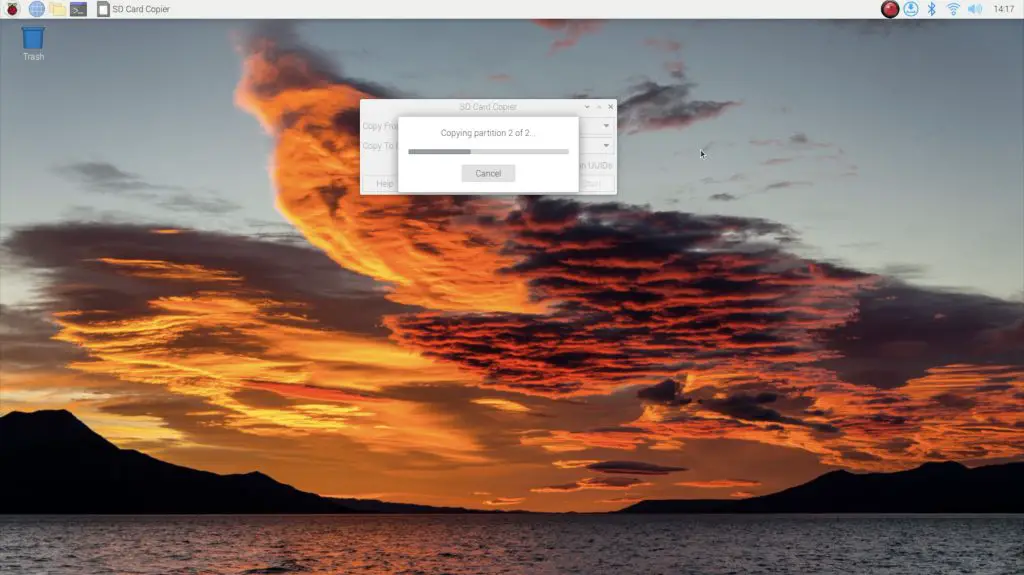
The second, if you already have your Pi running on a microSD card, is to boot it up with the microSD card plugged in, then use the SD card copier utility to copy the microSD card to your SSD, then remove the microSD card.

Copying MicroSD Card To SSD

If you need help with this, I’ve got a separate guide on booting your Raspberry Pi up from an SSD.

Testing The M.2 SSD On Our Raspberry Pi

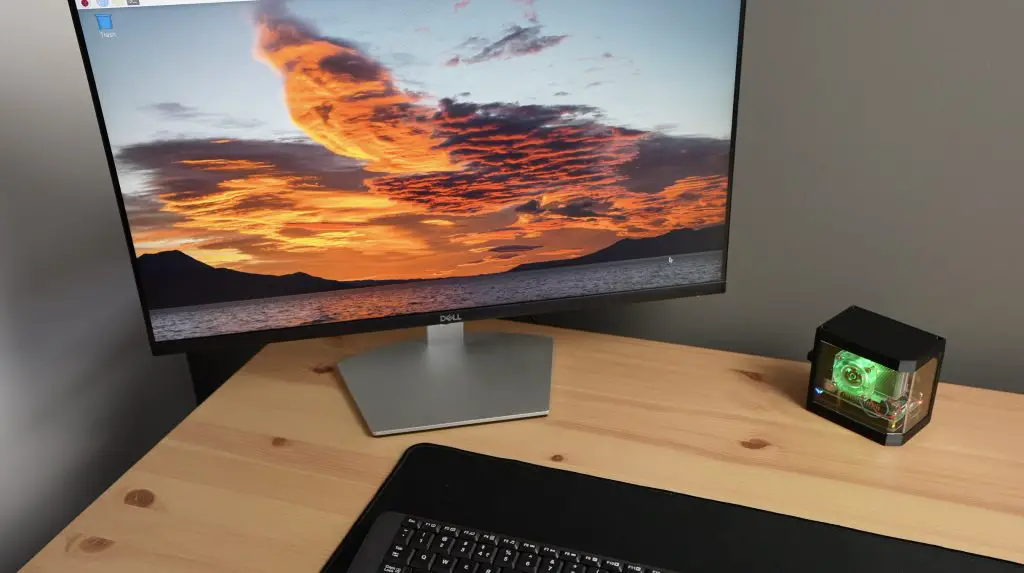
Now that we’ve copied the microSD card to our M.2 SSD, let’s boot it up and see how our SSD performs.

Raspberry Pi Running On M.2 SSD

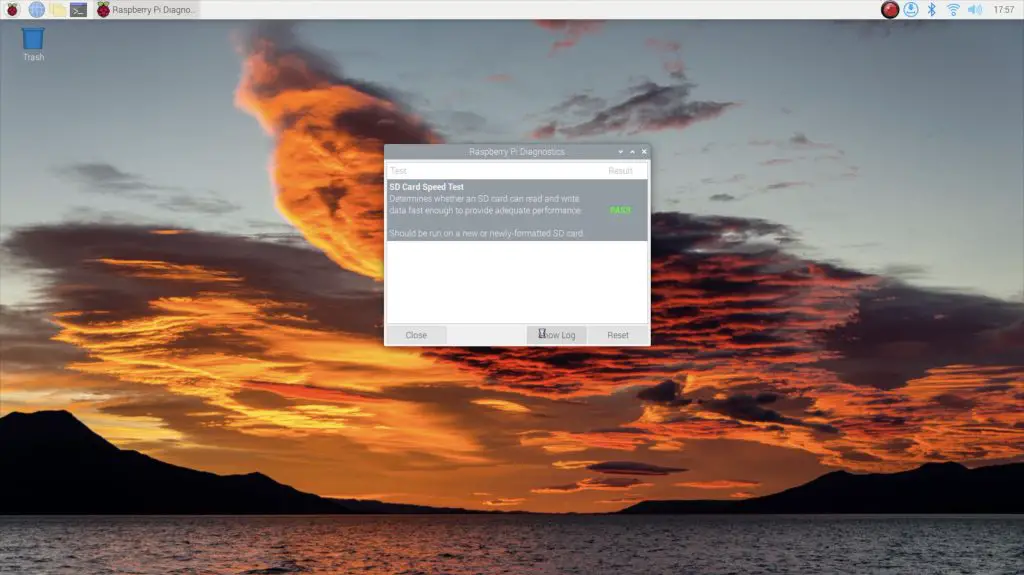
You’ll likely already notice a dramatically reduced boot time, but we’re also going to run the built-in SD card speed test, which will test the speed of the SSD if the Pi is booted from it.

Raspberry Pi M.2 SSD Speed Test

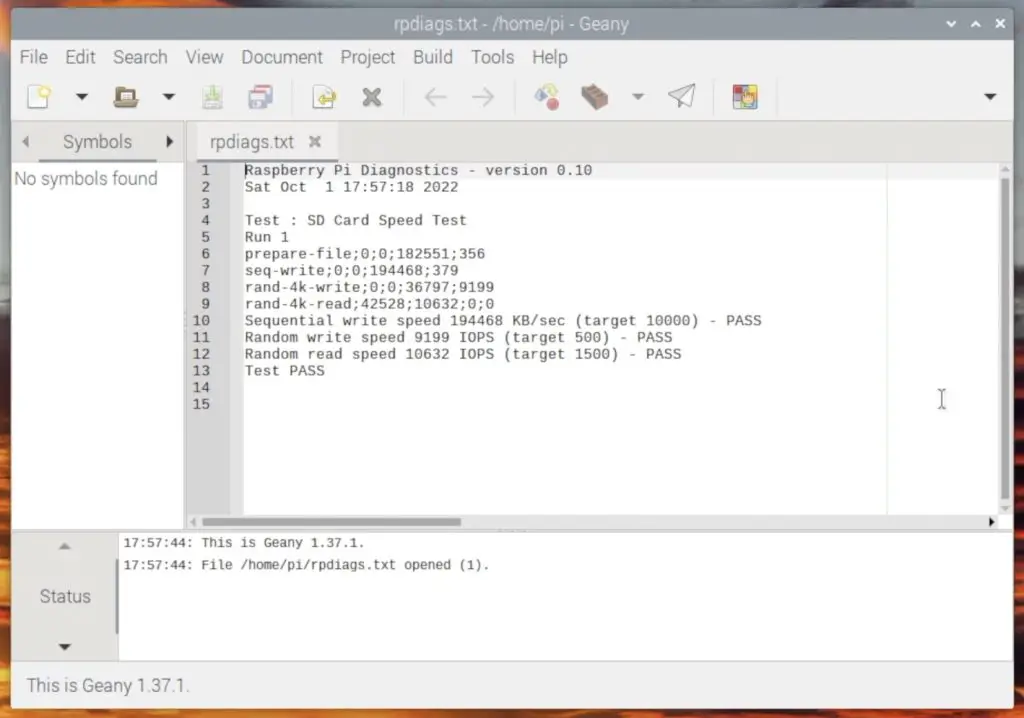
If we open up the results, we get a sequential write speed of just under 200MB per second, which is a substantial increase over the 10MB/s required as a pass for the test.

M.2 SSD Speed Test Results

We also get a random write speed of 9199 IOPS – IOPS stands for Input/Output Operations Per Second, which is also way over the target of 500 and a random write speed of 10632 IOPS.

So those are really good results and they’re much better than what you’d get from even a good quality microSD card. Our Raspberry Pi now boots up faster than it did from the microSD card and will be a lot more reliable going forward.

Let me know what you think of this modification to my case in the comments section below and also let me know if there is anything else you’d like to see me do with the case design.

New ArduCam Time of Flight (ToF) Camera – Your Pi Can Now See In 3D

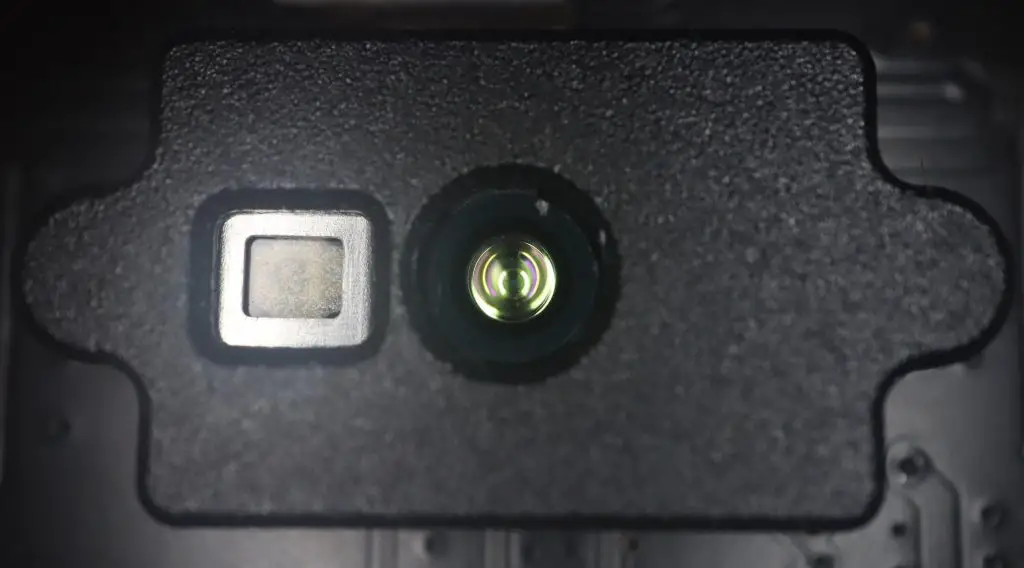
Today we’re going to be taking a look at the new ArduCam Time of Flight (ToF) Camera. This is a new camera by ArdCam that gives your Raspberry Pi 3D vision by adding an IR laser illuminator alongside the camera lens.

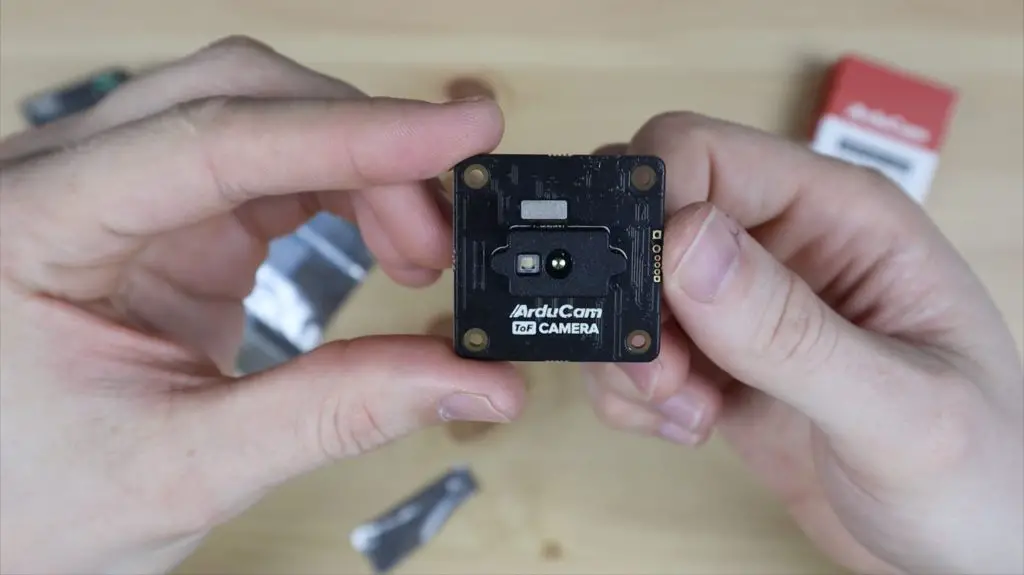
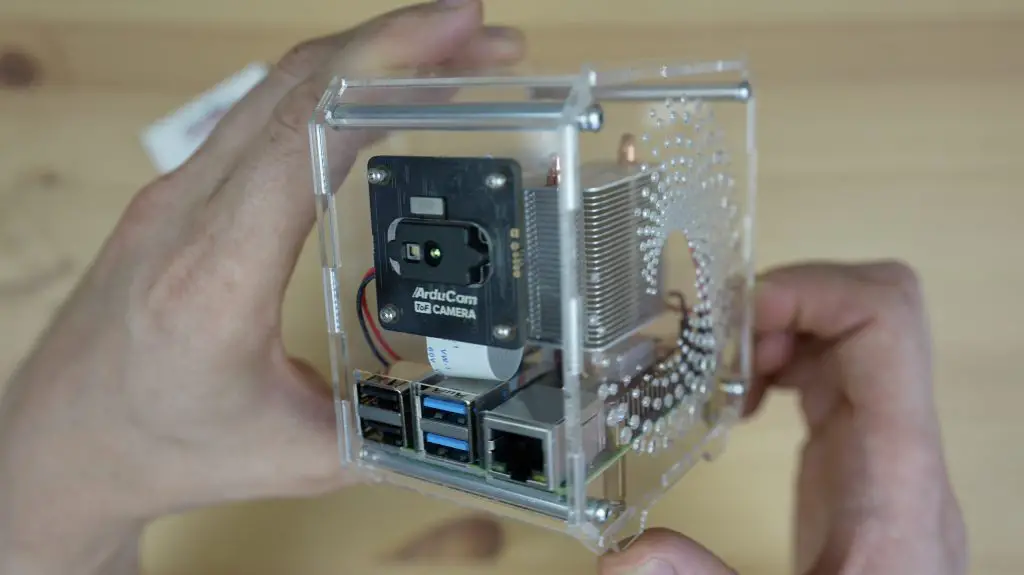
Arducam ToF Camera Close Up

The ArduCAm ToF camera emits modulated infrared light and then measures the time it takes for the light to return to the camera lens to calculate the distance to the objects in frame – hence the name Time of Flight or ToF for short.

Here’s my review and unboxing video, read on for the written review:

Where To Buy An ArduCam ToF Camera

The ArduCam ToF Camera is a new offering that is currently almost finished funding through their Kickstarter campaign.

The Kickstarter price is listed at $29.99 and will likely retail for around $50 once the campaign ends.

Other Components Used For This Review

Equipment Used

  • Gweike Cloud laser – Buy Here
  • Use my discount code MK200 on checkout to get $200 off
  • USB C Screwdriver Set – Buy Here

Some of the above parts are affiliate links. By purchasing products through the above links, you’ll be supporting this channel, at no additional cost to you.

Unboxing And Setup Of The ToF Camera

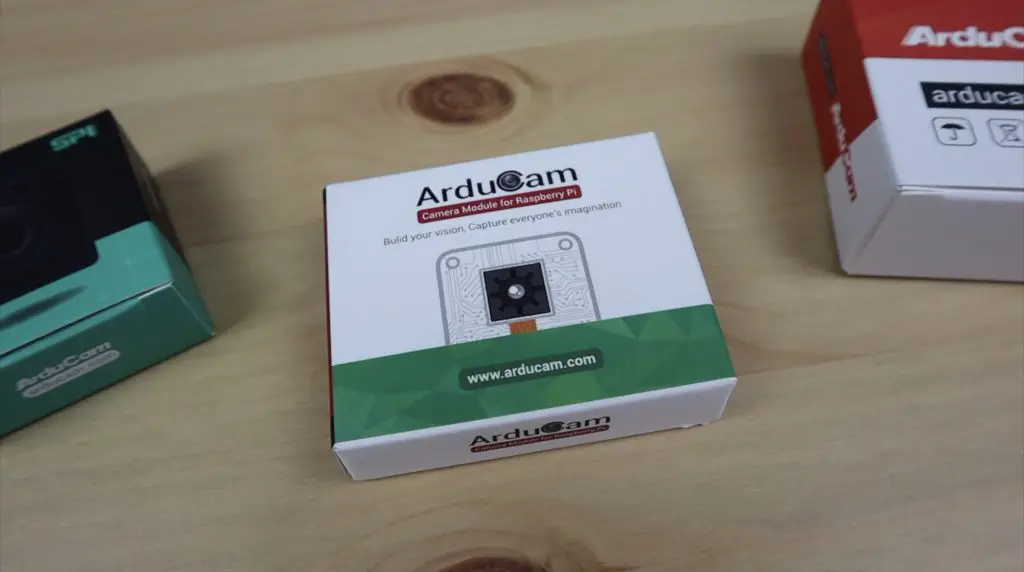
The ArduCam ToF Camera comes in a small branded box a little larger and a little flatter than their ArduCam Hawk-eye camera. It’s fairly generic, with no mention that this is their ToF camera apart from a stick-on label on the back.

Arducam ToF Camera Box

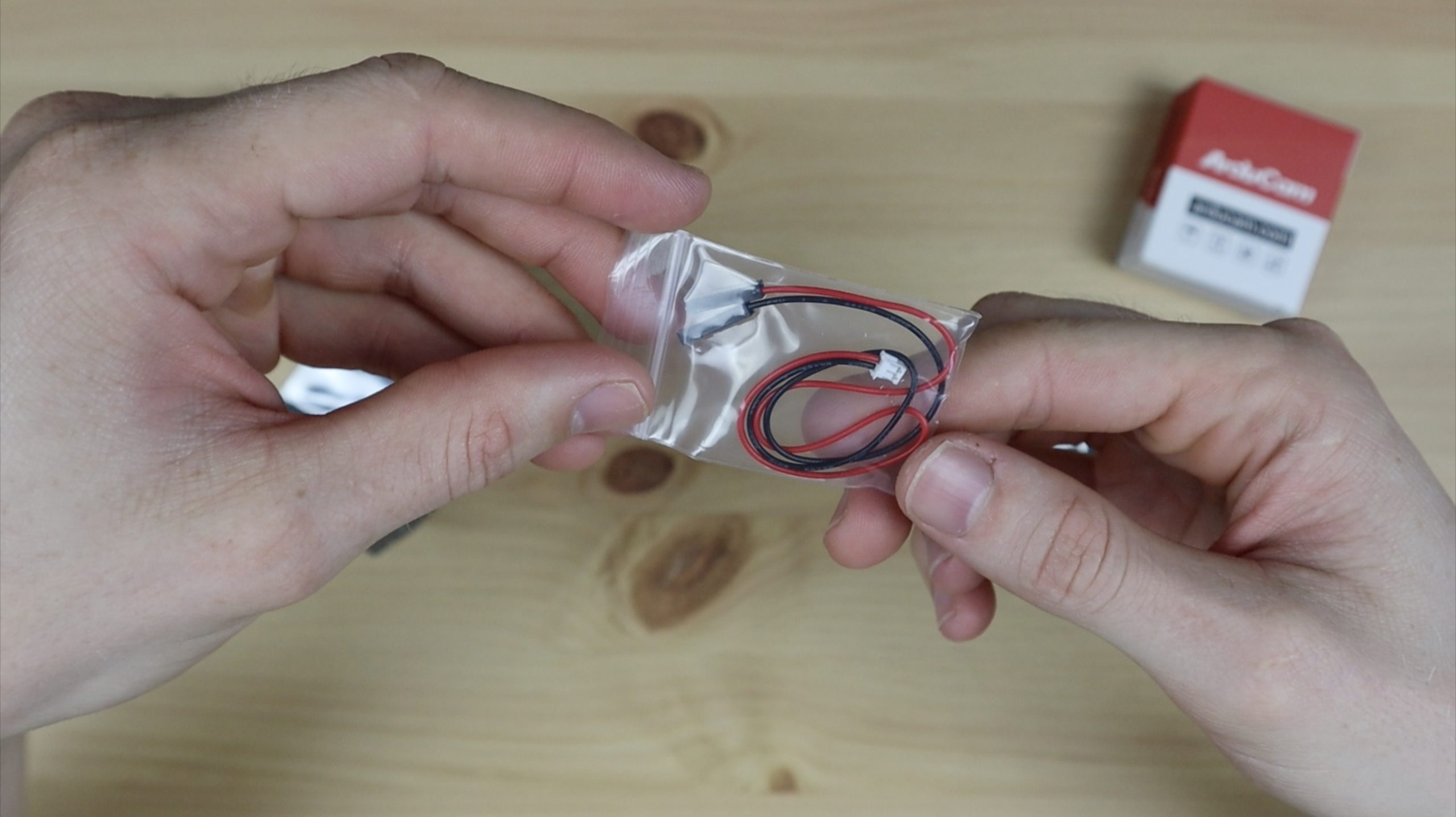
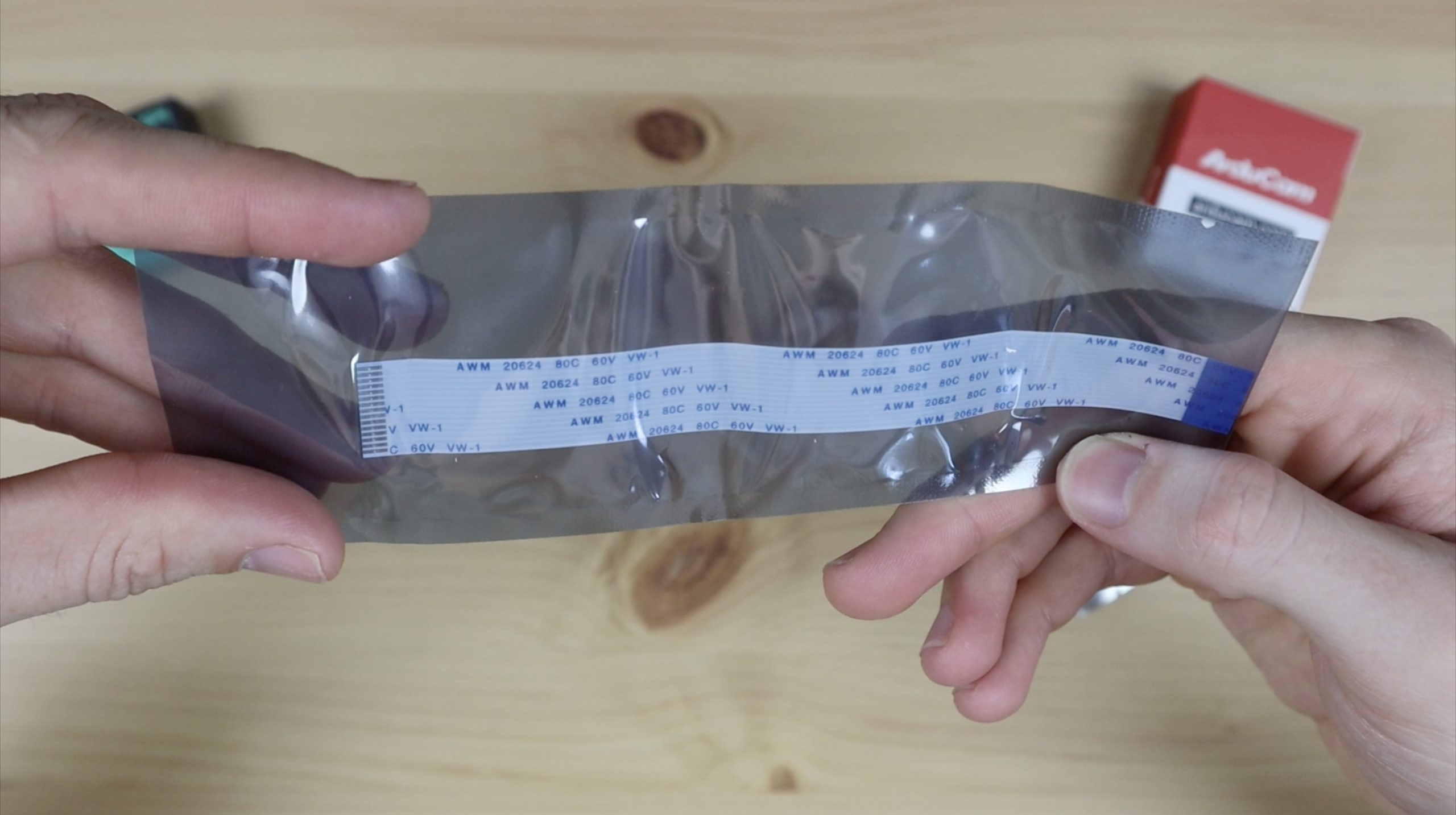
Included with the camera module is a power cable to supply 5V to the camera from your Pi’s GPIO pins and then a CSI ribbon cable to plug the camera into your Raspberry Pi’s CSI port. The additional 5V power input is an unusual inclusion but is required to supply power to the onboard processor.

The camera sensor can do an impressive 30 frames per second with depth tracking on a Raspberry Pi, at an image resolution of 240 x 180 pixels. It can measure the distance of objects that are within 2m in near mode and within 4m in far mode.

ArduCam ToF Camera Module

As for accuracy, they claim that it’s accurate to within 2cm in far mode and 4cm in near mode, so you’re not going to be doing any fine measurements with it, but it’s perfect for tasks requiring basic depth of field understanding.

It’ll also work on older Raspberry Pi models like the Pi 3, with a reduced frame rate of around 10 fps and on a Pi Zero 2W at 15fps.

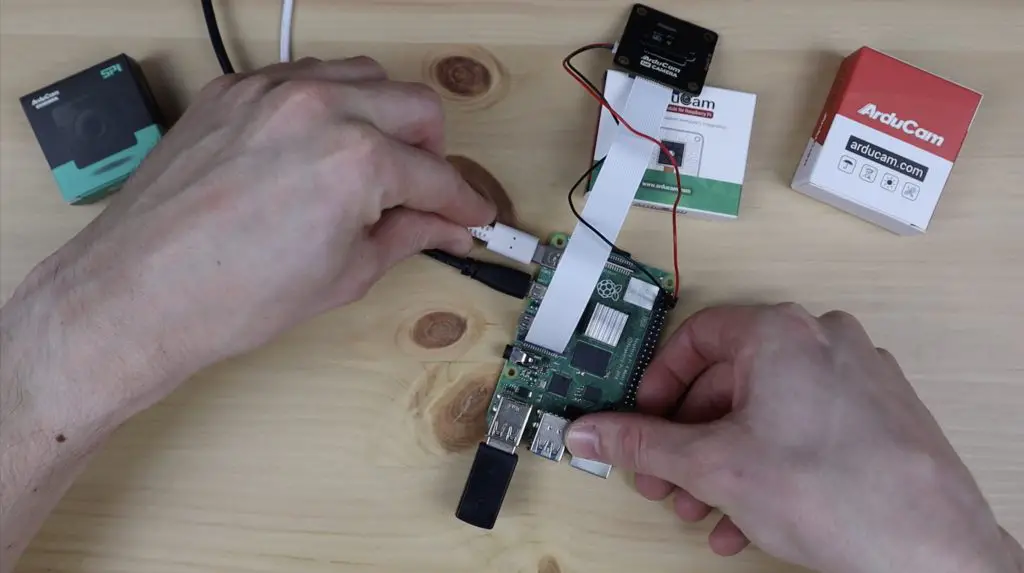
To use the camera, we’re going to plug it into our Raspberry Pi’s CSI port, that’s the long thin port labelled camera between the audio and HDMI ports.

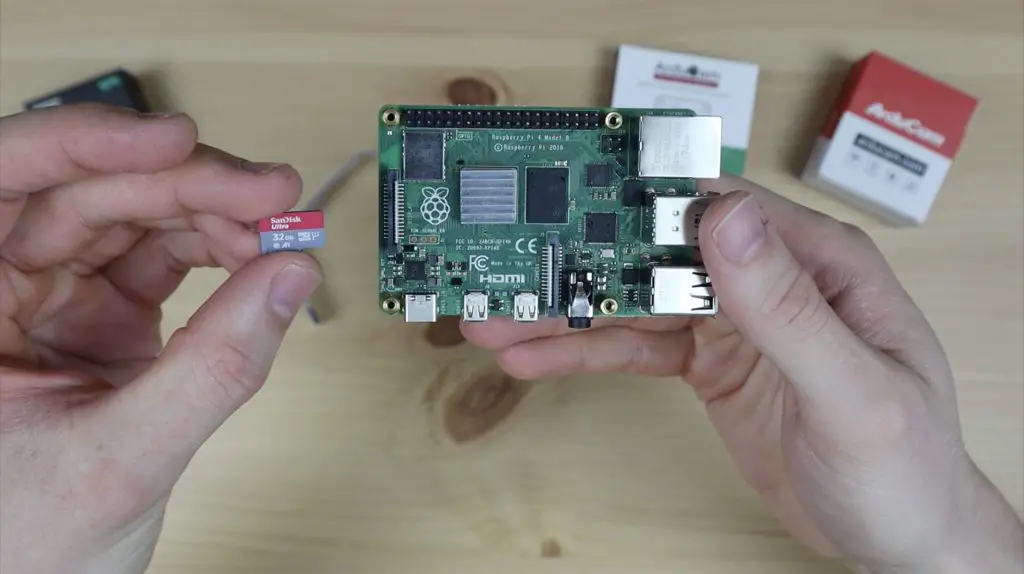
I’ve also flashed a fresh install of Raspberry Pi OS onto a 32 microSD card to test it.

SanDisk MicroSD Card Plugging Into Raspberry Pi

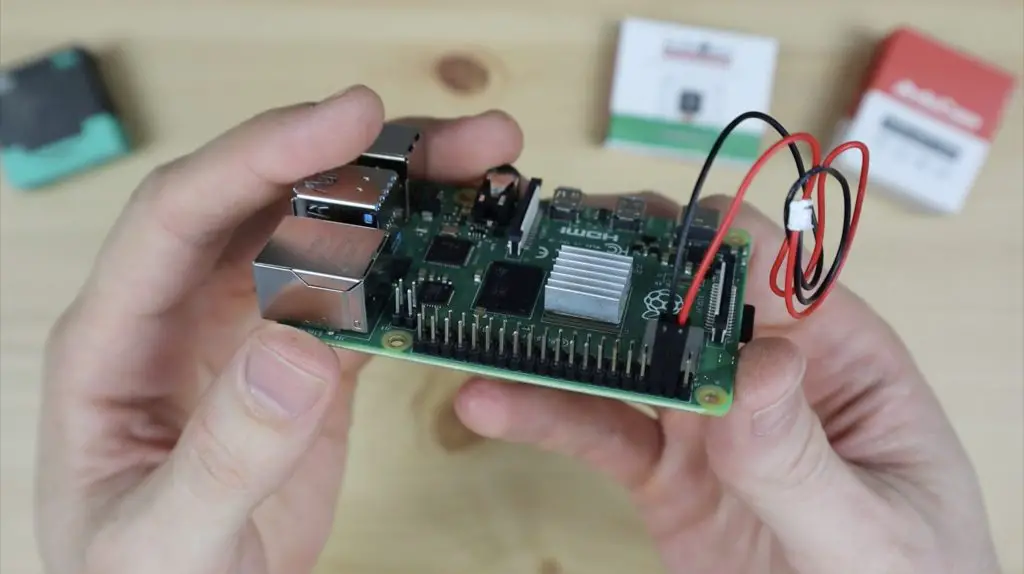
The power cable needs to be connected to any of your Pi’s 5V and GND pins, I’m using the two on the outside near the end.

ArduCam Power Cable Being Plugged Into Raspberry Pi

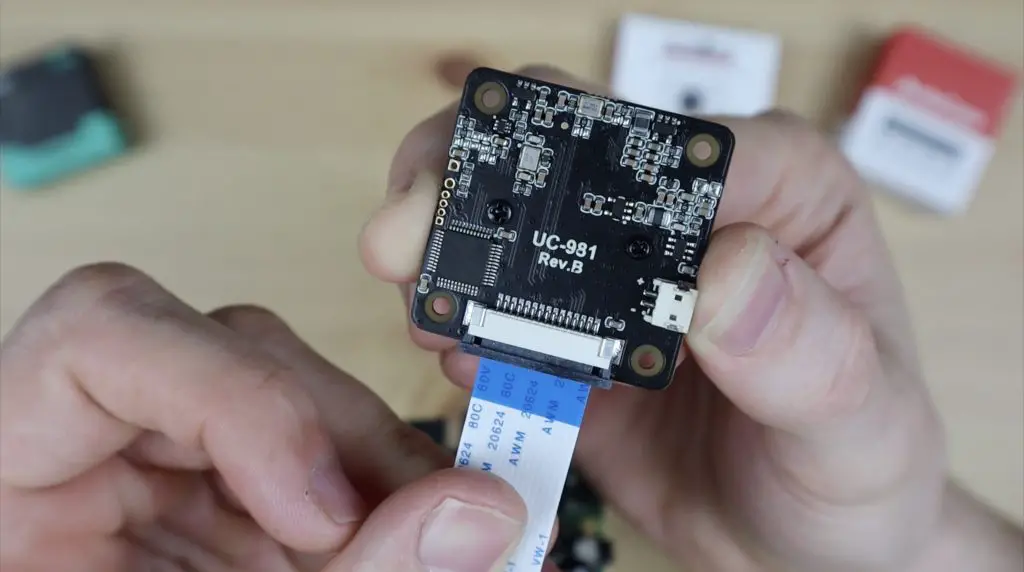
Then the ribbon cable is plugged in with the blue tab on the black side of the connector, and the same on the camera module.

Plugging Ribbon Cable Into ArduCam ToF Camera

That’s all we need to test it, so let’s boot it up and install the software.

Plugging Cables Into Raspberry Pi 4B

Testing The Camera Using The ArduCam Example

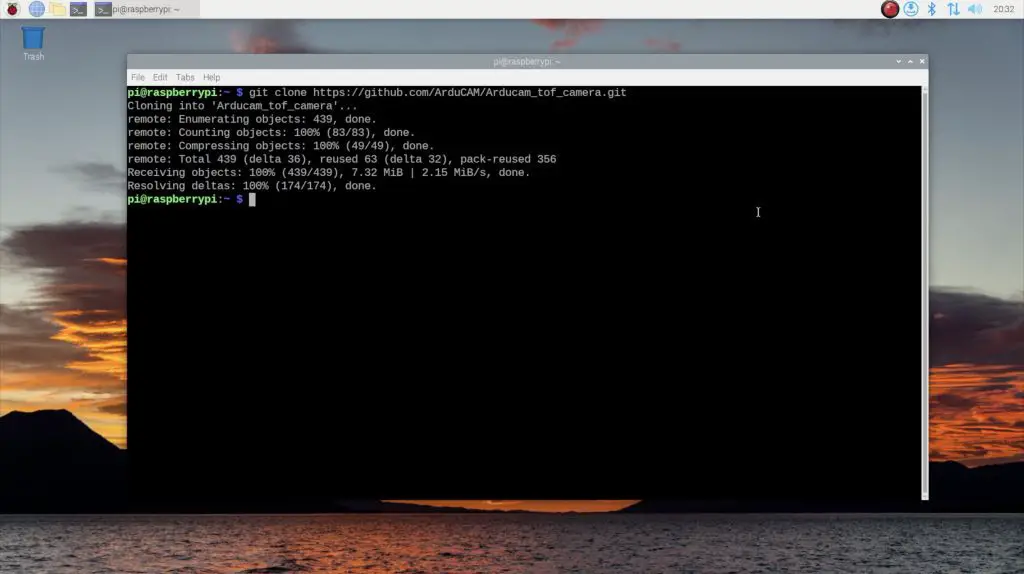
Arducam have made the software installation a pretty straightforward process, you just need to clone their GitHub repository and then run a simple script to install the drivers and dependencies.

Installing ArduCam ToF Libraries and Dependencies

Clone the GitHub repository:

git clone https://github.com/ArduCAM/Arducam_tof_camera.git

Navigate into the cloned directory:

cd Arducam_tof_camera

Run the script to install the drivers and dependencies:

./Install_dependencies.sh

When prompted to reboot, enter y

After the reboot, compile and run the example script by entering:

./compile.sh

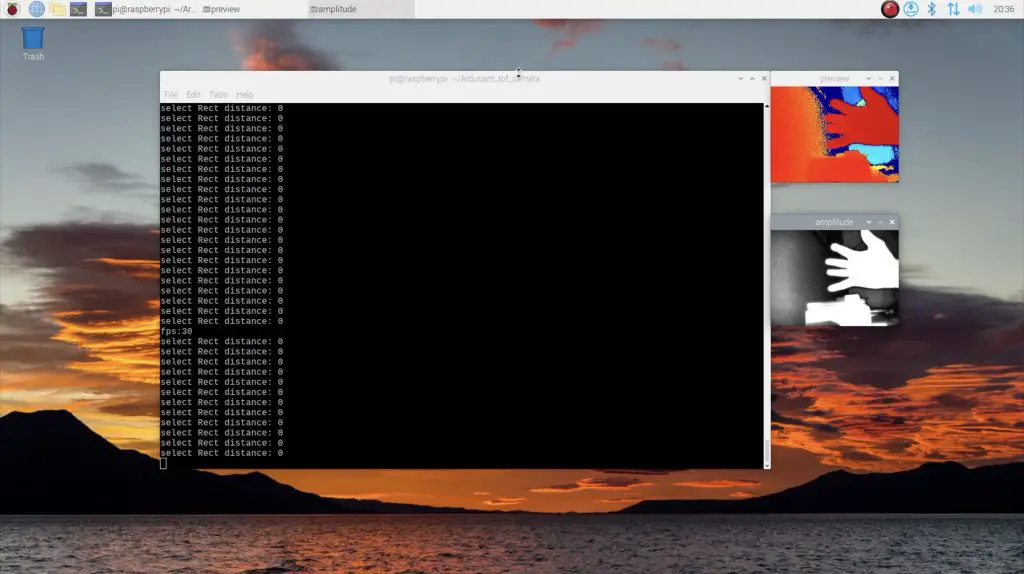
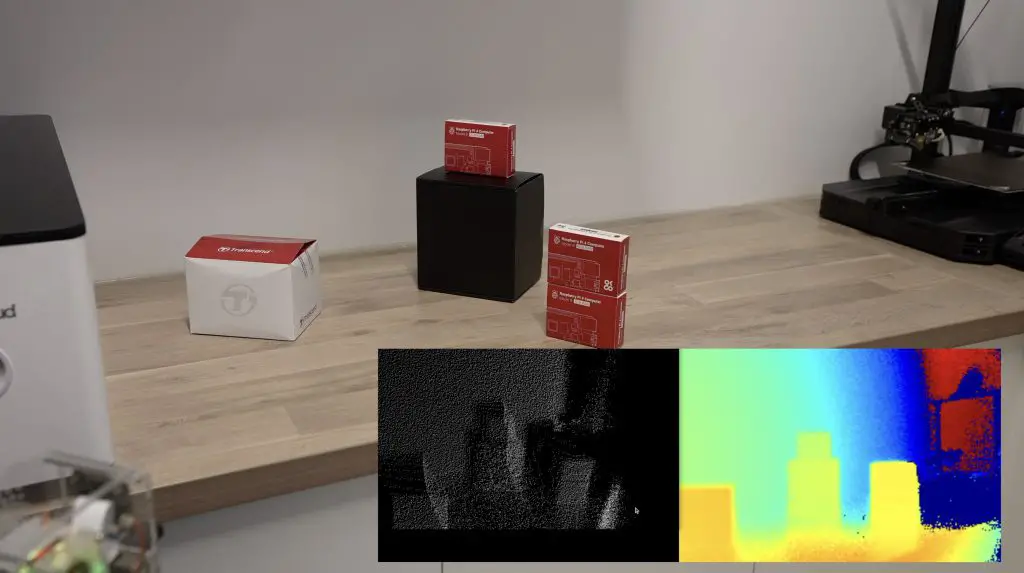
In the first example, two windows will pop up, the bottom black and white image is a raw representation of the infrared light being received by the camera and the top image is the processed data in the form of a heat map, where closer objects within in the image show up red and further away objects blue.

Arducam ToF Camera Distance Example

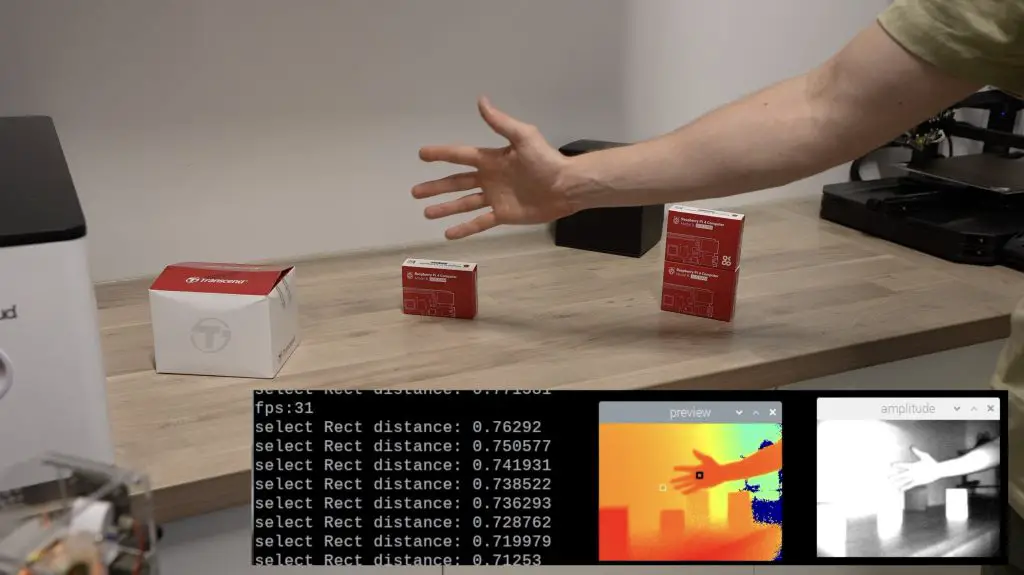
The terminal window tells you the calculated distance to an object you’ve selected in the heat map window and the frames per second currently being processed. It’s showing up as zero in my terminal because I haven’t selected a point in the heat map to take measurements from.

Installing The ArduCam ToF Camera Into My Desktop Case

Now that I’ve got the camera working on my desk, I’m going to take it to my workshop and test it on some objects with a bit of depth to them, but first I’m going to install the camera into my desktop case so that it’s easier to stand it up on a flat surface.

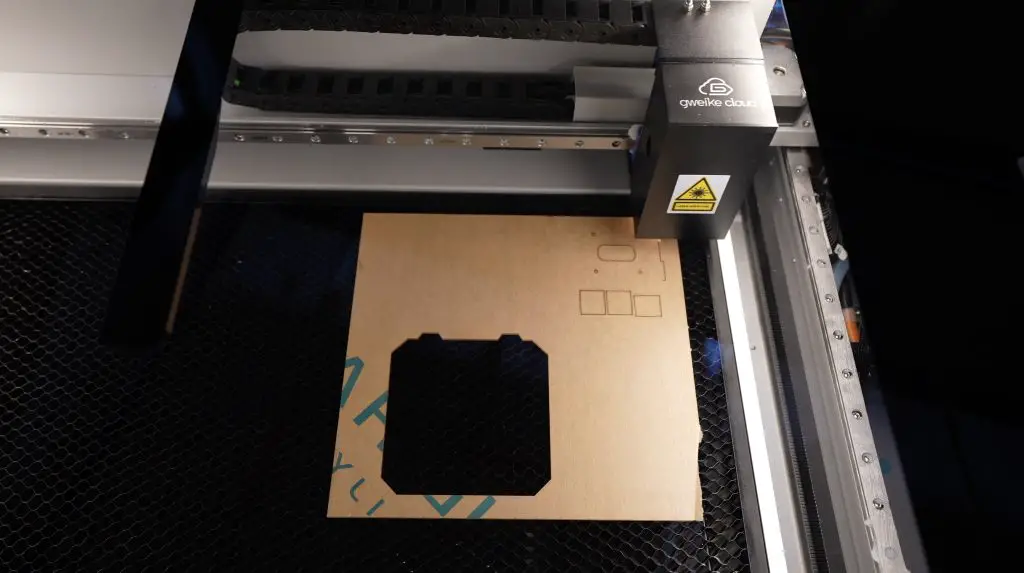
To do that, I just laser-cut a new front panel for the clear Pi case I recently made.

Laser Cutting Camera Front Panel

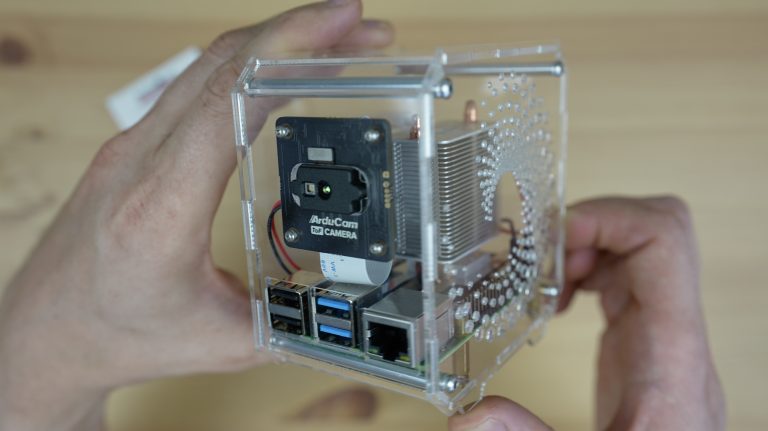
This swaps out the OLED stats display for the Arducam ToF camera and I can now just stand it on a desk or tabletop pointing at what I’d like to measure.

ArduCam ToF Camera Installed In Case

Tests On More Objects In My Workshop

To start with, I’m using their built-in example to create a heat map of these boxes on my workbench. You’ll notice a small black square near the centre of the heat map and if I put my hand infant of this square, the distance measurement shows the distance to my hand.

Measuring Distance To Objects On Desk

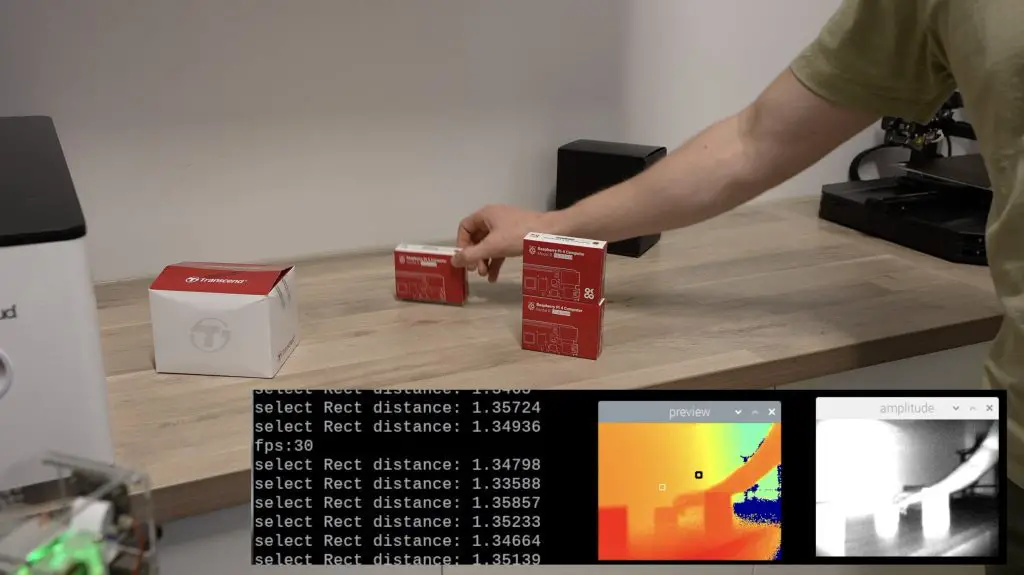
We can also move the boxes around and then their colour on the heat map will change.

Measuring Distance To Boxes On Desk

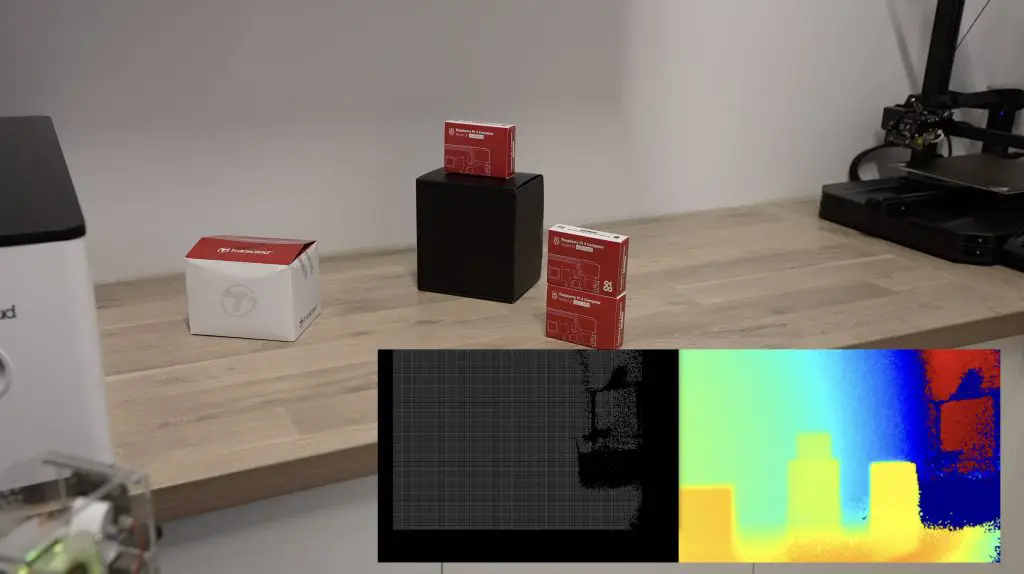
You can also use the Arducam ToF camera to generate a point cloud. This is a set of data points in space that represent a 3D shape or object. Creating point clouds usually requires some sort of 3D scanning device or a camera with a dual-lens system to capture depth. Pairing the Arducam ToF camera with a Raspberry Pi is a great way to create a relatively inexpensive 3D scanner that is capturing actual depth data rather than trying to estimate it based on the relative position of objects within images.

Boxes Stacked In Heatmap Image

Front on it doesn’t look like much, but if we rotate the cloud in 3D space then you can see the shape of the object.

3D Point Cloud Of Boxes In Image

Currently the camera has only seen one angle for these objects, so there is just empty space behind the surfaces that are facing the camera. But if we rotate these objects or rotate the camera around the objects then we can build up a better 3D image of the object, and this is basically how a 3D scanner works. So you could use this camera to build a 3D scanner with a bit of processing.

Normally, an infrared camera has trouble outdoors due to the amount of naturally occurring infrared light from the sun. But ArduCam have given this camera a laser that operates at a wavelength of 940 nanometers which is able to suppress the interference from ambient light outdoors well enough to still offer fairly good results, especially if you’re looking at large objects without complex geometry, like big boxes or human figures.

Outside Use Of Arducam ToF Camera

The camera acts as a standard V4L2 or Video4Linux2 device, so you can use it with a range of vision libraries like OpenCV and Tensorflow without having to do a lot of additional coding.

You can also use the Arducam Time of Flight camera with other distributions as they have development kits for C, C++ and Python.

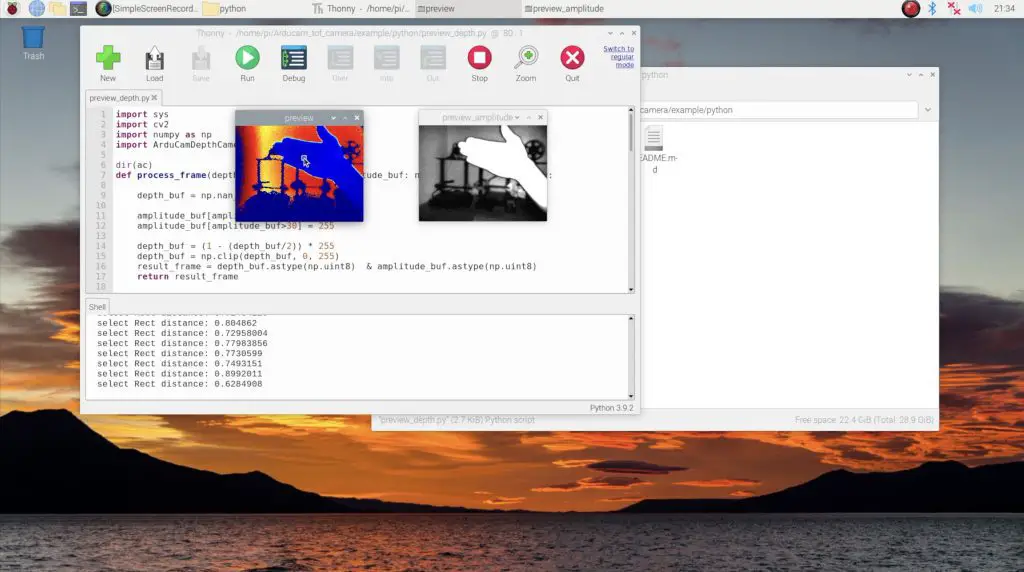
Hand Distance Measurement Using Python Example

They even have examples that you can install and run on an NVIDA Jetson Nano.

Final Thoughts On The ArduCam ToF Camera

The ArduCam ToF camera is going to be a great addition to your Pi if you’re working on a project that requires a basic level of depth of field understanding, primarily on large objects or the surrounding environment. This could be monitoring for certain shapes or size objects, or building an obstacle-avoiding robot. It’s probably not going to be useful for fine or very accurate distance measurements, and it’s resolution isn’t high enough to be useful for small objects.

The point cloud generation features and standard V4L2 also mean that you could easily use this camera for course 3D modelling or to generate 3D style maps onboard your robots. This sort of functionality would give your robots a much better understanding of their environment than they would be able to obtain from a standard video feed – even with much more processing power.

I think it would be a nice addition to have a good quality standard camera feed coming from the same module, although there are probably some hardware limitations preventing this at the moment.

Let me know what you think of the ArduCam ToF camera in the comments section below and let me know if you have any project ideas that you’d like to see me try with it.

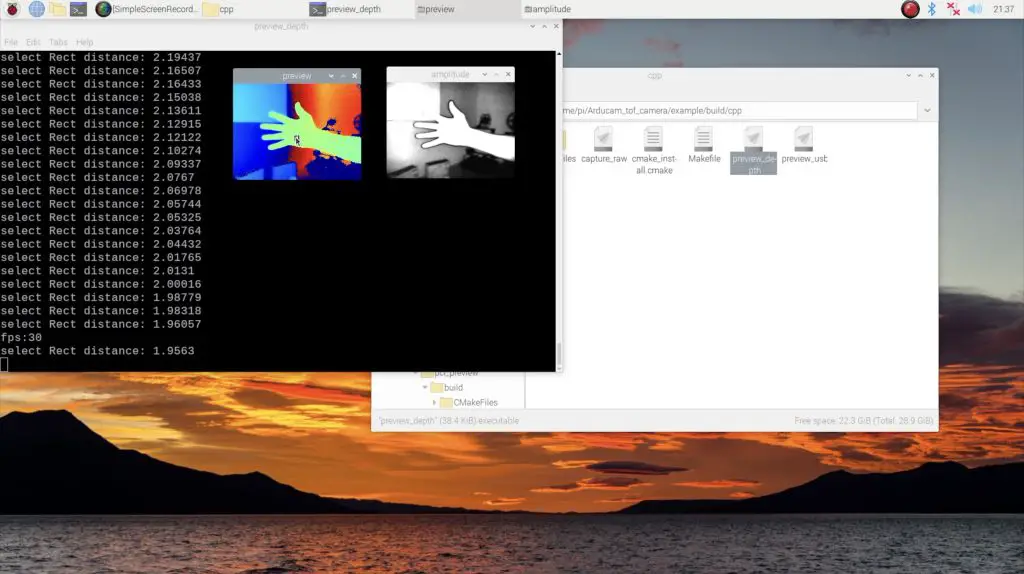
Hand Distance Measurement Using C++ Example

Taking My Workshop Offgrid Using EcoFlow Power Kits

2

EcoFlow are a popular name amongst campers and adventurers for their portable power stations and solar generators. These allow you to store power in a portable unit to take with you to charge devices, run small appliances and provide lighting.

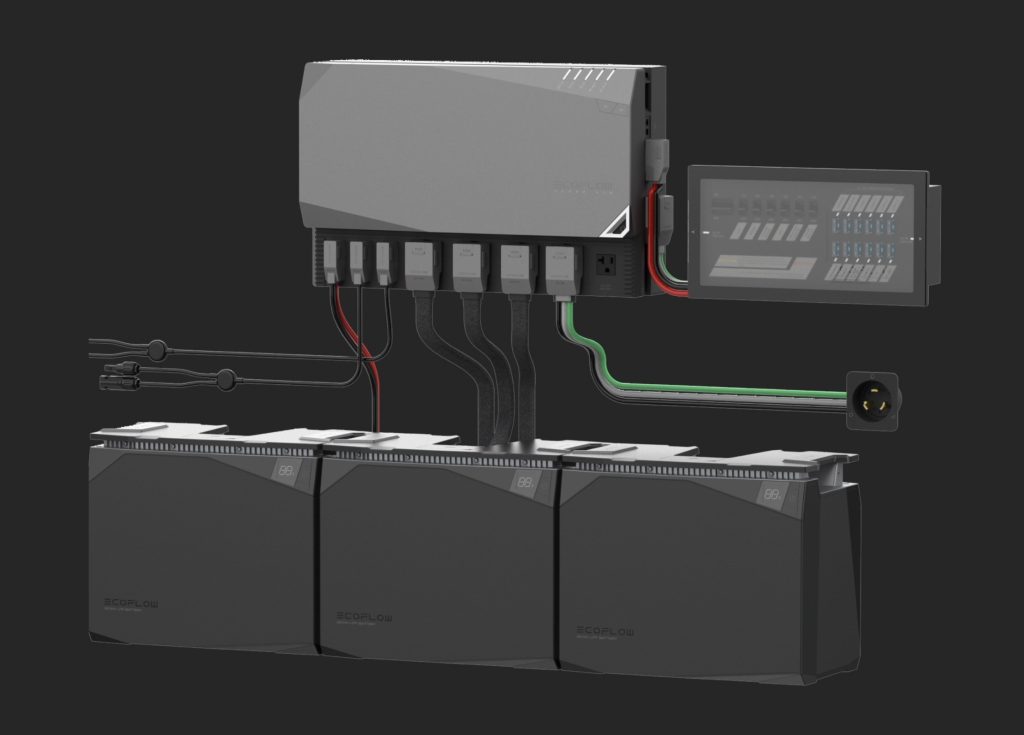
They’re now taking it a step further with their launch of EcoFlow Power Kits. This is a modular system designed specifically for RVs, camper vans and trailers and small off-grid installations. The idea being that the system eliminates the complexity of traditional setups, being plug and play, compact and efficient, and allowing modern monitoring and control.

EcoFlow Power Kits General Layout

EcoFlow have sent me their 2kWh kit to set up in my workshop to show you how it works.

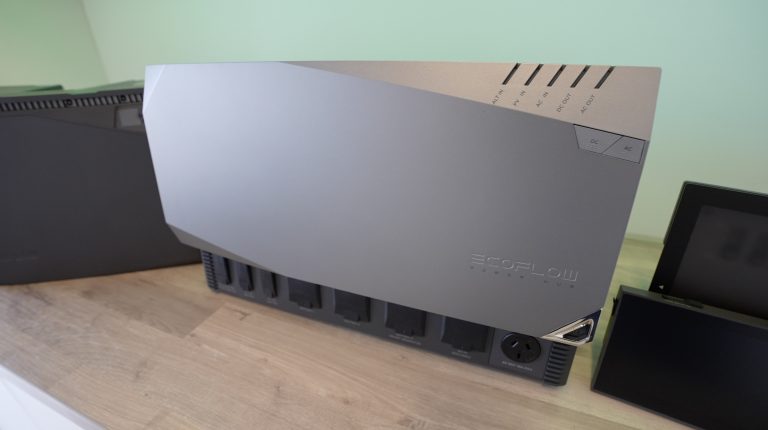
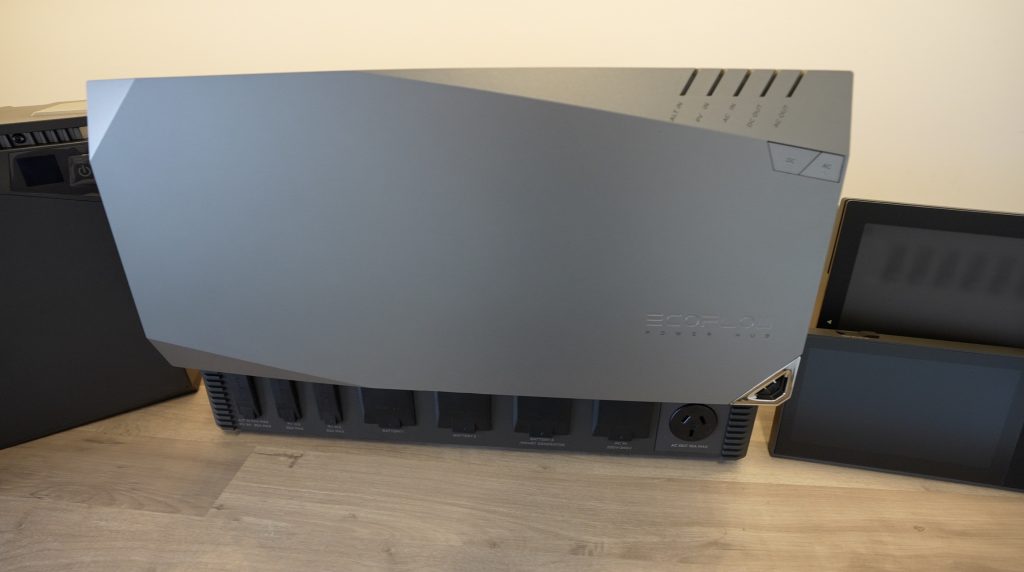
EcoFlow Power Kits Power Hub

Here’s my video of the unboxing of the EcoFlow Power Kits package and installing it into my workshop to take it off-grid:

Where To Buy EcoFlow Power Kits?

EcoFlow products are stocked through a number of local distribution partners, but the easiest way to buy from them or to find a local stockist is through their web store:

  • EcoFlow Power Kits 2kWh System – Buy Here
  • EcoFlow’s Amazon Store – Visit
  • EcoFlow Website – Visit

What Are EcoFlow Power Kits?

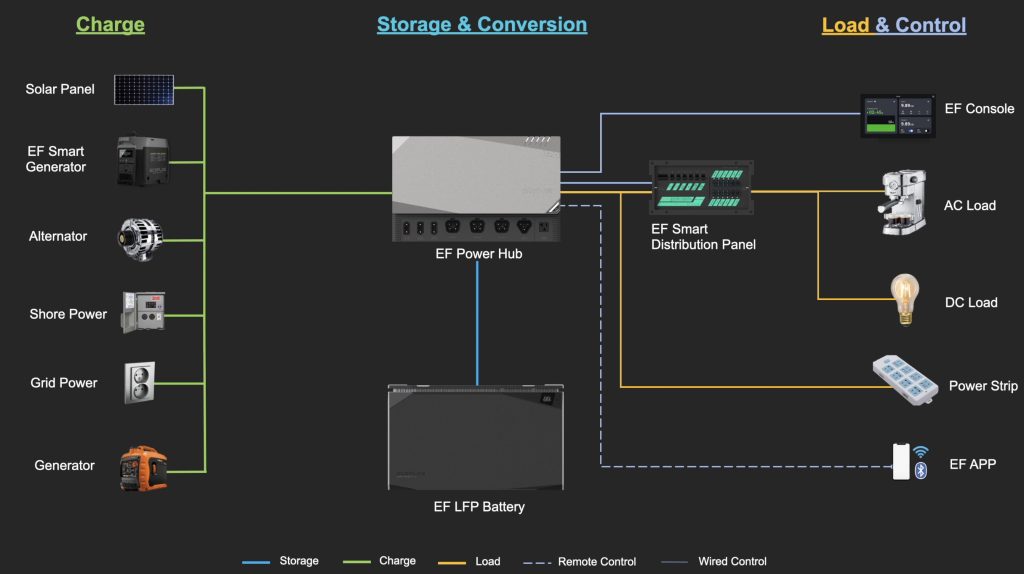
EcoFlow Power Kits is essentially an all-in-one package for powering your off-grid home, camper van, mobile home or trailer. It allows you to take a variety of input sources to charge one or more batteries and then use this power in AC or DC form to power your devices and appliances.

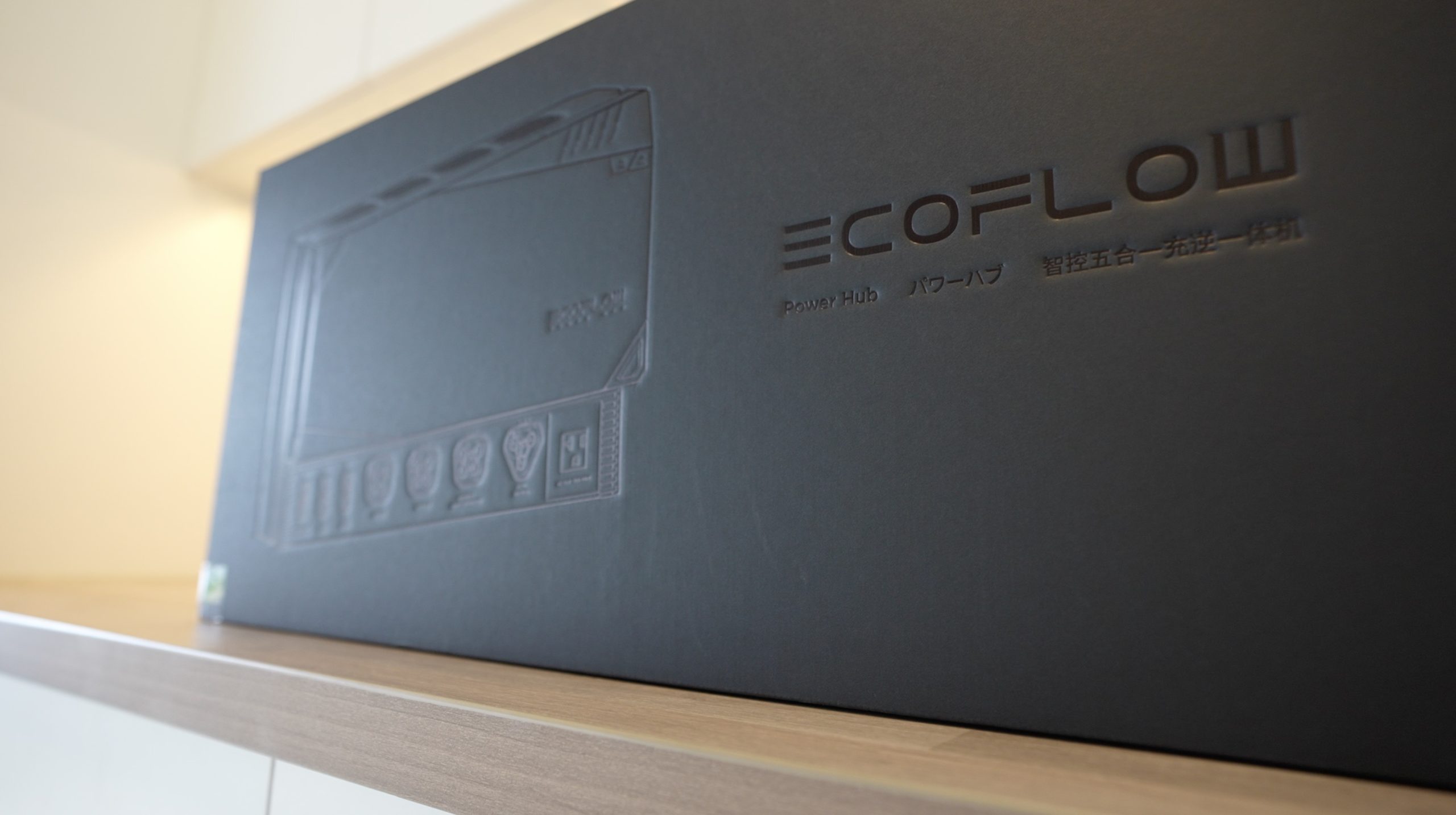
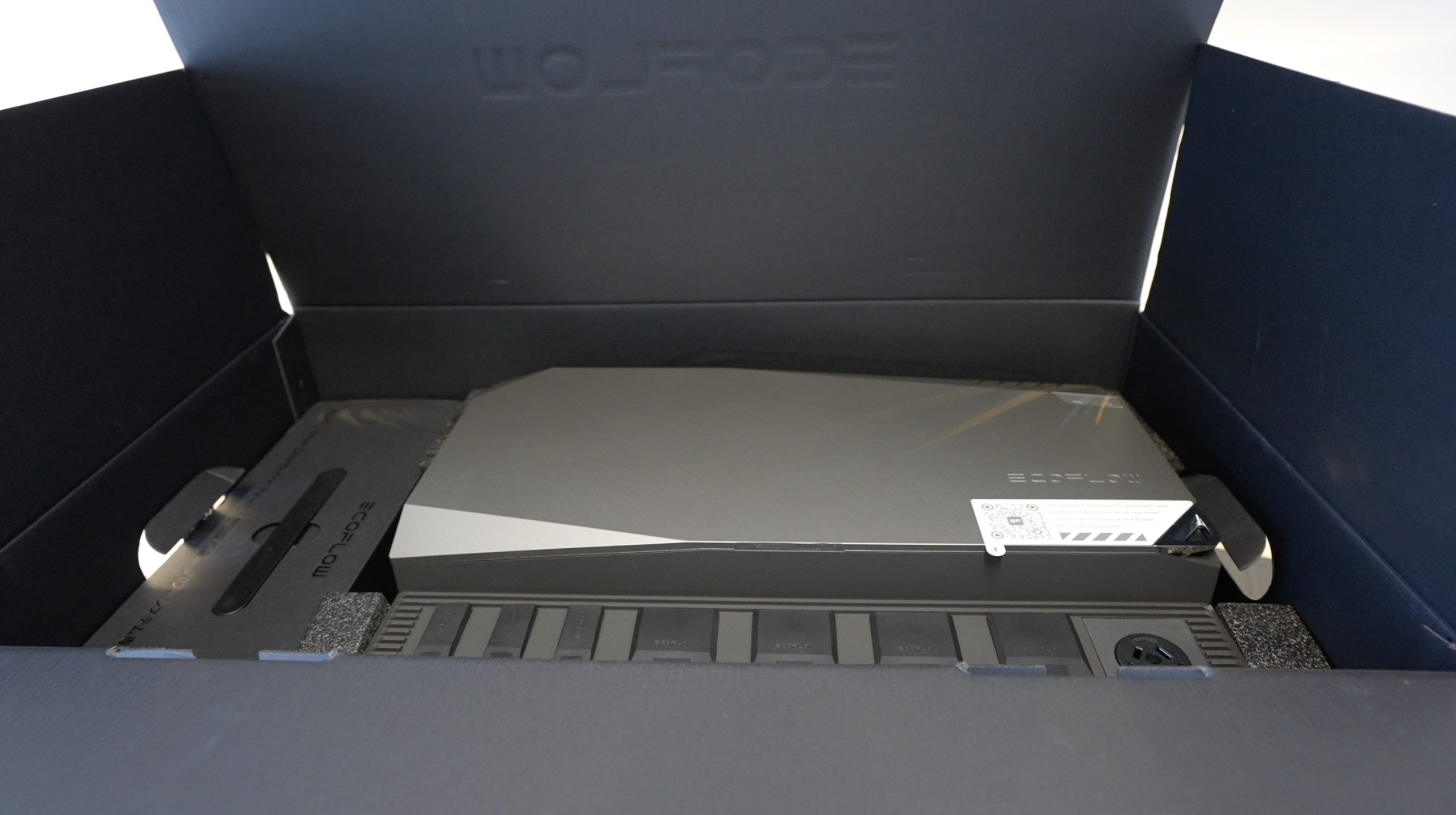
The core system consists of the EcoFlow Power Hub, a Smart Distribution Panel and a Control Panel. These arrive in this awesome matt black packaging, protected with foam inserts.

I really like the sleek and modern design they’ve gone with and they’ve used high-quality materials as well. This feels like a premium product that’s built to last.

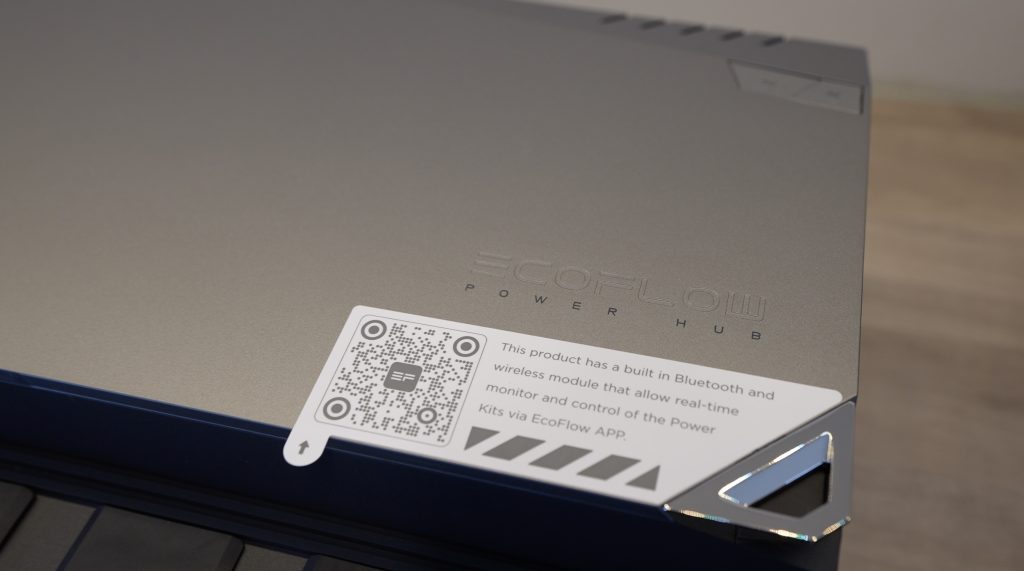
EcoFlow Power Kits Power Hub Logo

You can then add up to 3 of these 2kWh or 5kWh batteries to power the system. What makes this system great is the ability to easily add or remove battery capacity to your setup, so you can start small and expand as you need to. The batteries are also stackable, you can stack up to three of the same size batteries on top of each other when you scale up your capacity.

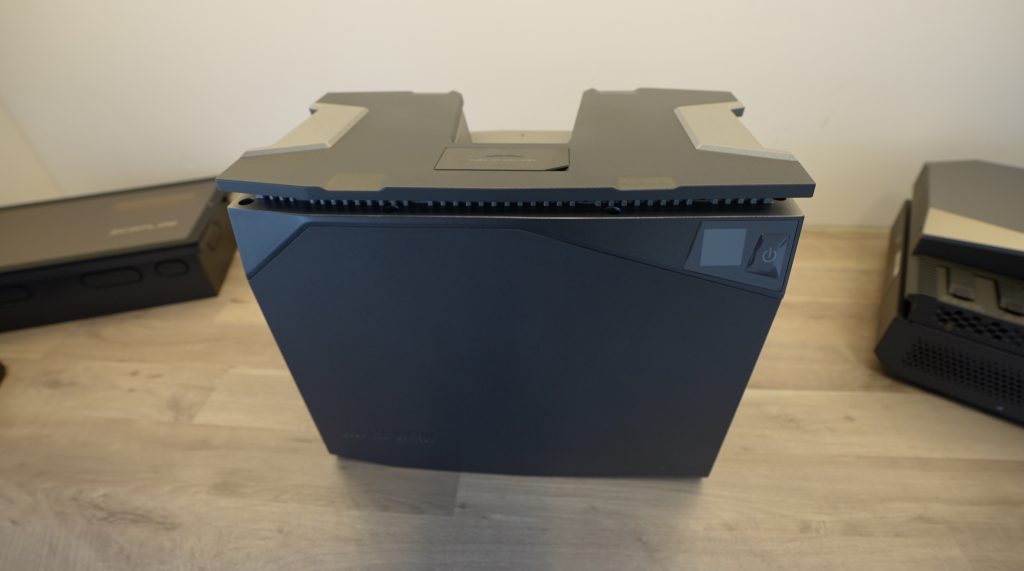
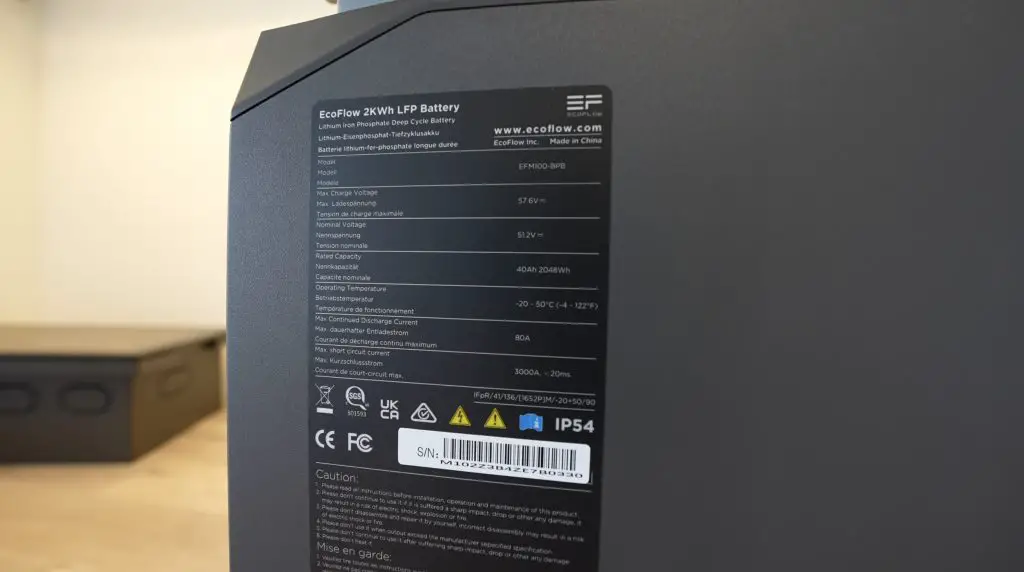
EcoFlow 2kWh Battery

A Closer Look At The Main Components

EcoFlow Power Hub

The power hub is the main storage and generation controller. This includes a pure sine wave inverter which can produce up to 3,600W of mains power and can handle a surge of up to 7200W.

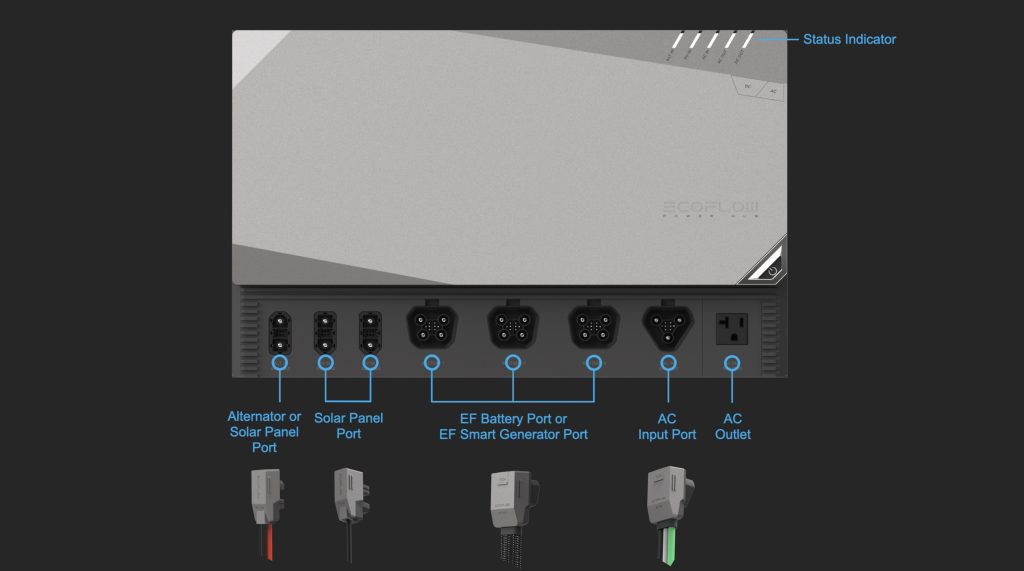
It has a range of ports along the bottom and side, into which their pre-made cables plug into, making this an easy-to-install, plug-and-play solution. It can also do up to 1000W supply of DC power at either 12V or 24V.

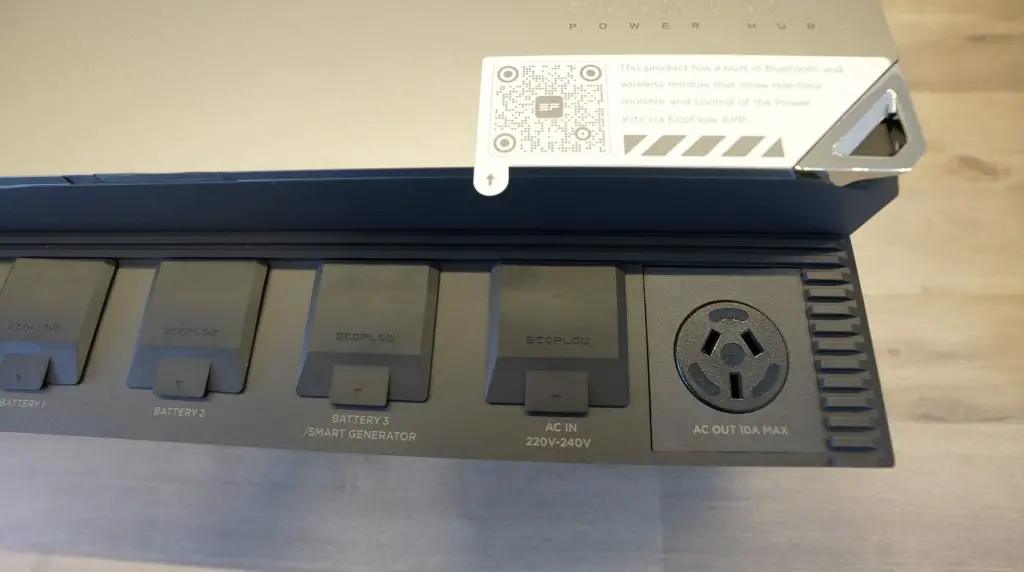
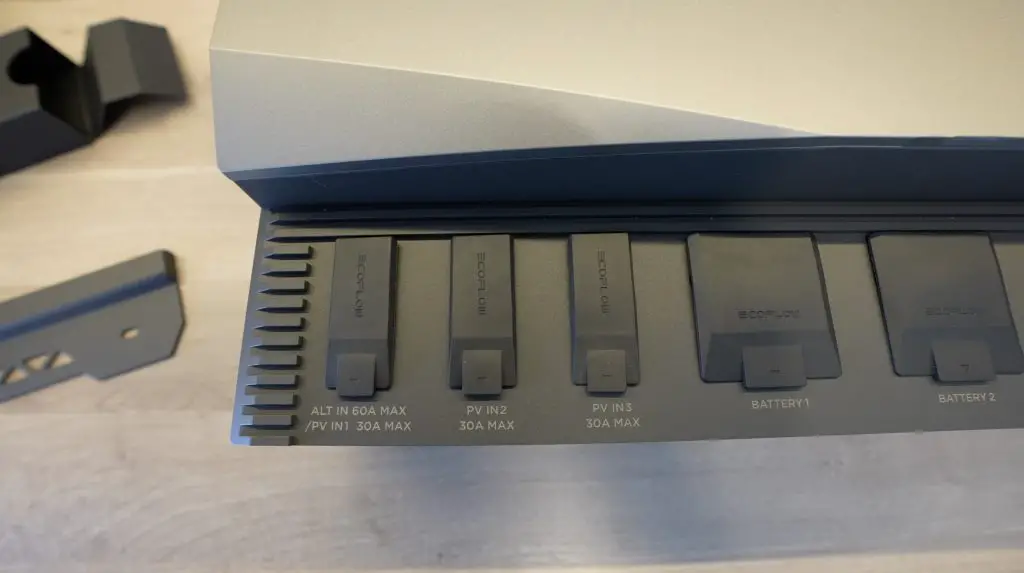
EcoFlow Power Hub Inputs

To charge the batteries or supply power to the system, it’s got a 3000W AC charger.

Power Hub AC Charger Input

The DC input for the alternator can take a 1600W alternator or PV input and the other two solar inputs can each also do 1600W, all with MPPT charge controllers. So you can have up to 4800W of charging capacity on the DC input.

Power Hub DC PV and Alternator Inputs

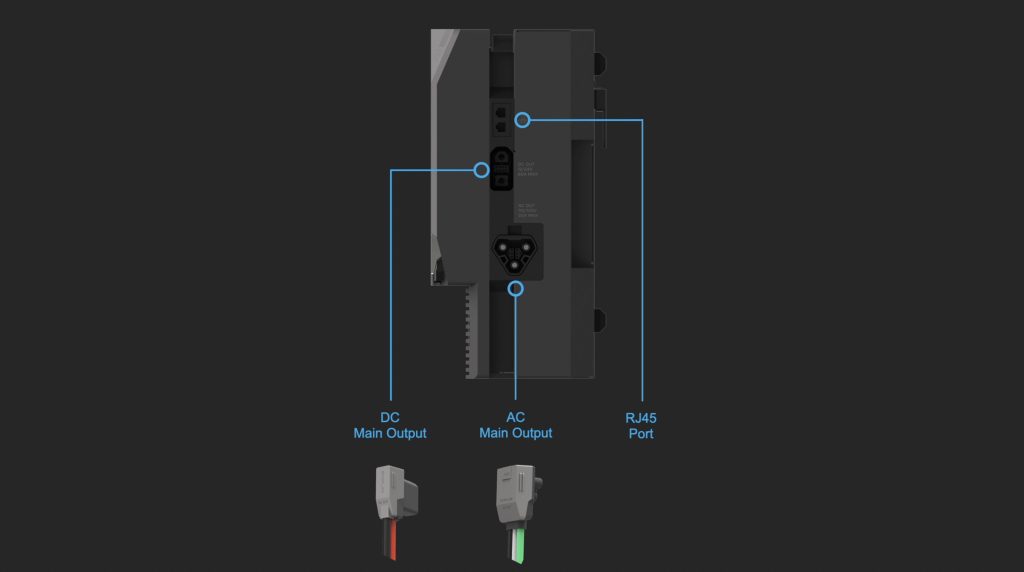
Power is then provided to your devices and appliances through the two ports on the side of the power hub.

EcoFlow Power Hub Port Outputs

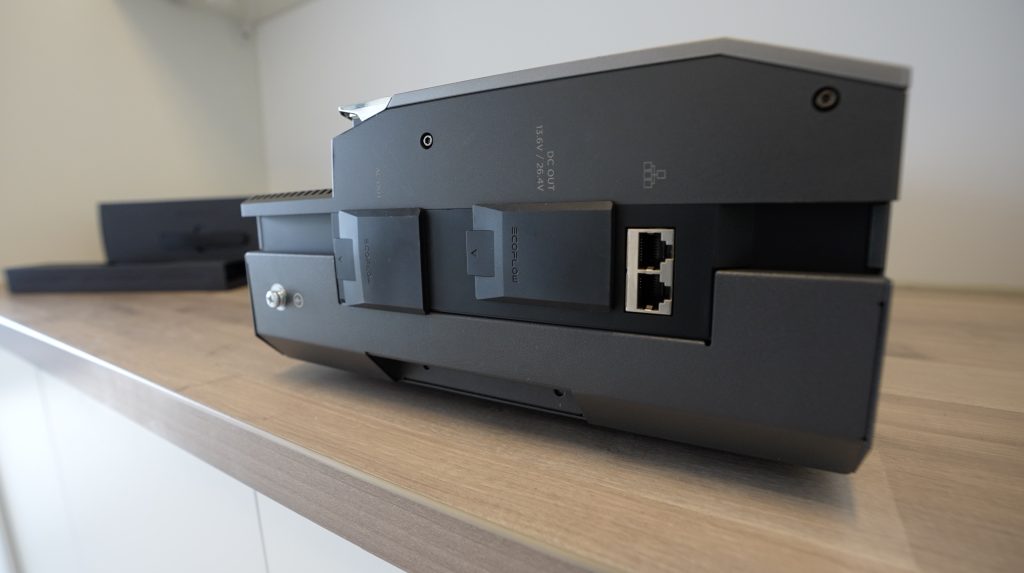
On this side, we’ve got two RJ45 ports for CAN communication as well as the AC and DC outputs that supply power to the smart distribution panel.

EcoFlow Power Hub Outputs

So through the available inputs, you’ve got options to charge the system through solar, through one of their smart generators, through an alternator, an AC power source or through a generator.

EcoFlow Power Kits Configuration Options

EcoFlow LFP Battery

The Power Hub manages the flow of power to and from the system, but we still need a way to store it. This is done by connecting up to three batteries, or two batteries and one of their smart generators.

EcoFlow LFP Battery

The batteries are Lithium Iron Phosphate batteries and both models run at 51.2V. The 2kWh ones have a capacity of 40Ah and the 5kWh ones have a capacity of 100Ah.

2kWh Battery Specifications

They’re rated for 3000 cycles with a discharge depth of 80%, so they should be good for around 8 years when used daily. They’ve got an integrated battery management system with auto heating for use in cold environments, a built-in fuse and other safety protection features.

EcoFlow Smart Distribution Panel

We’ve got the two main AC and DC outputs on the side of the power hub, but EcoFlow have made it easier to use these outputs by running them through their smart distribution panel.

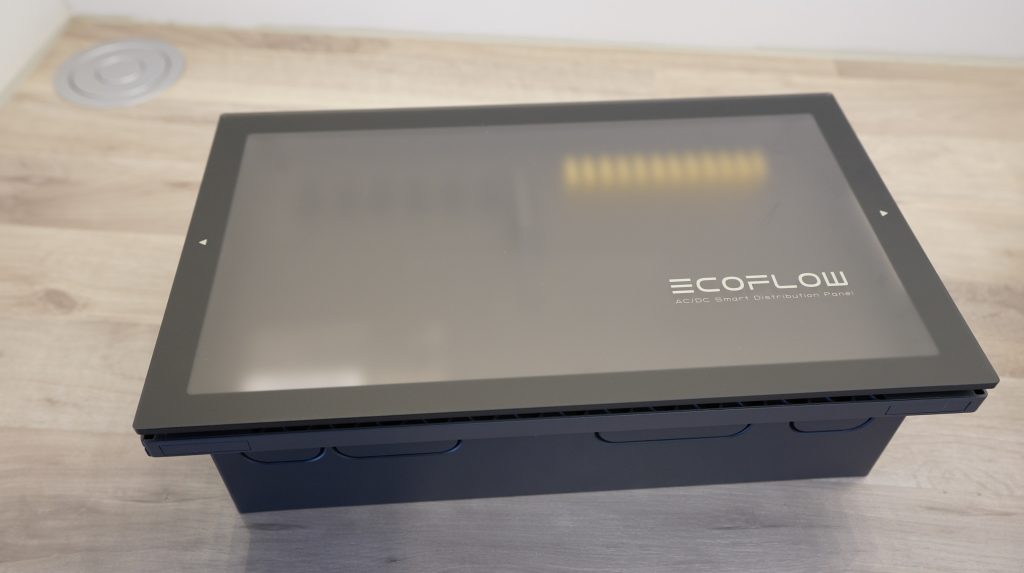
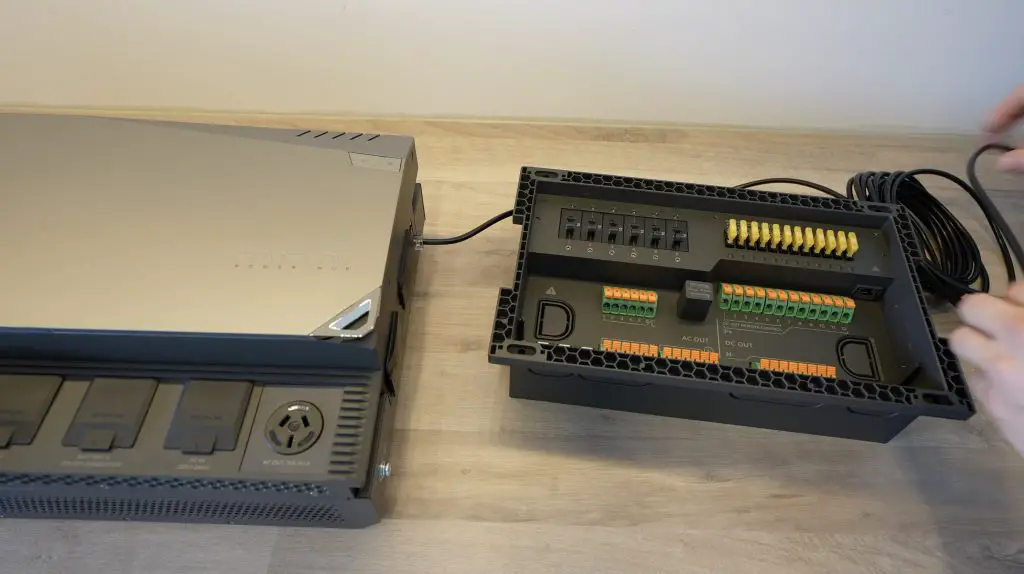
Power Kits Smart Distribution Board

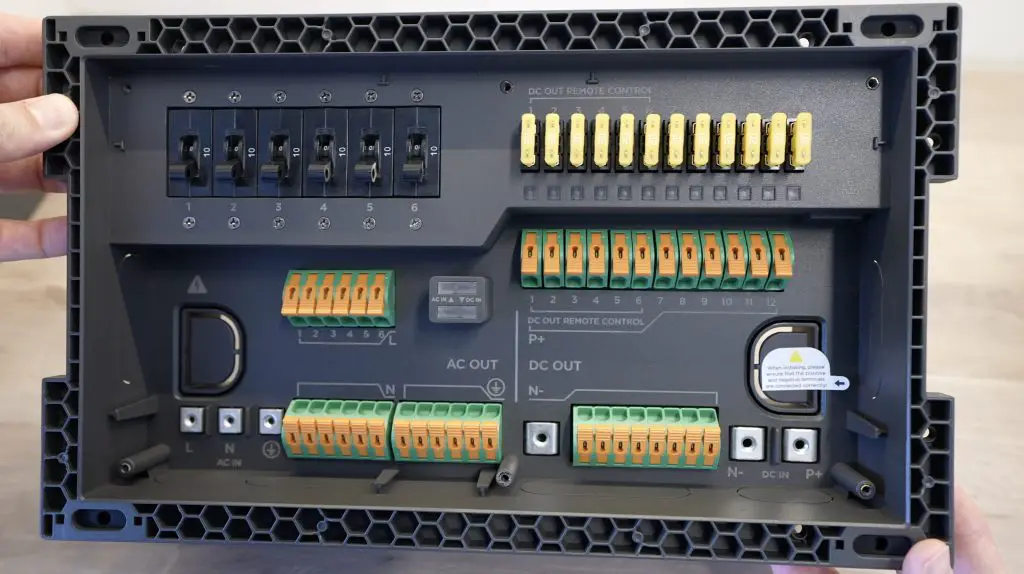
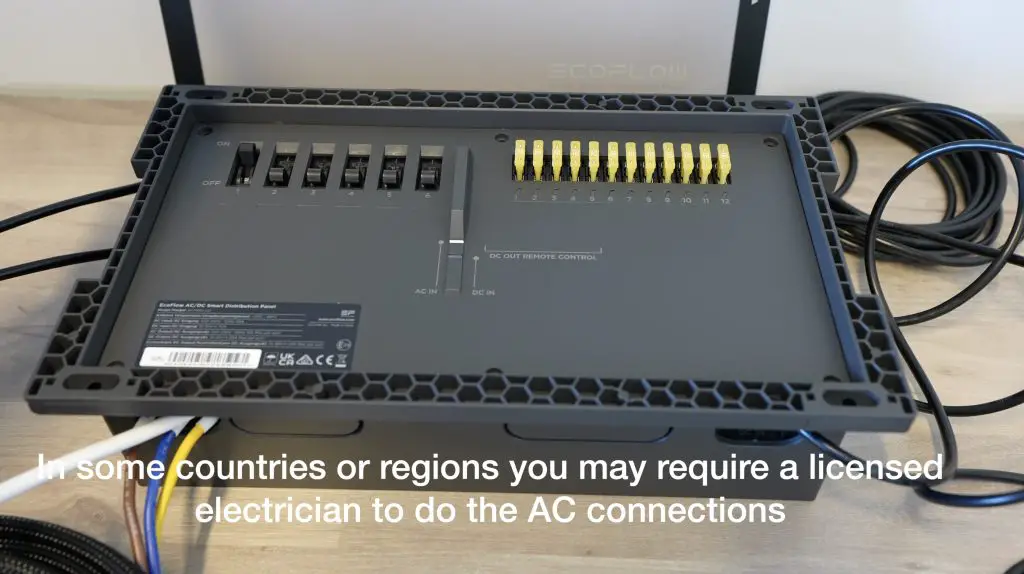
The Smart distribution panel is designed to replace your existing van or trailer’s distribution board. This board provides 6 20A protected AC mains outputs and 12 fused DC outputs, which are controllable by the Power Kit Console or through the App, and they give you full power monitoring capabilities as well.

Smart Distribution Board Internals

Important Note: In some countries or regions a qualified electrician is required to do any electrical work/connections on 110VAC or 220VAC supplies. Please make sure that you check your local regulations beforehand.

EcoFlow Console

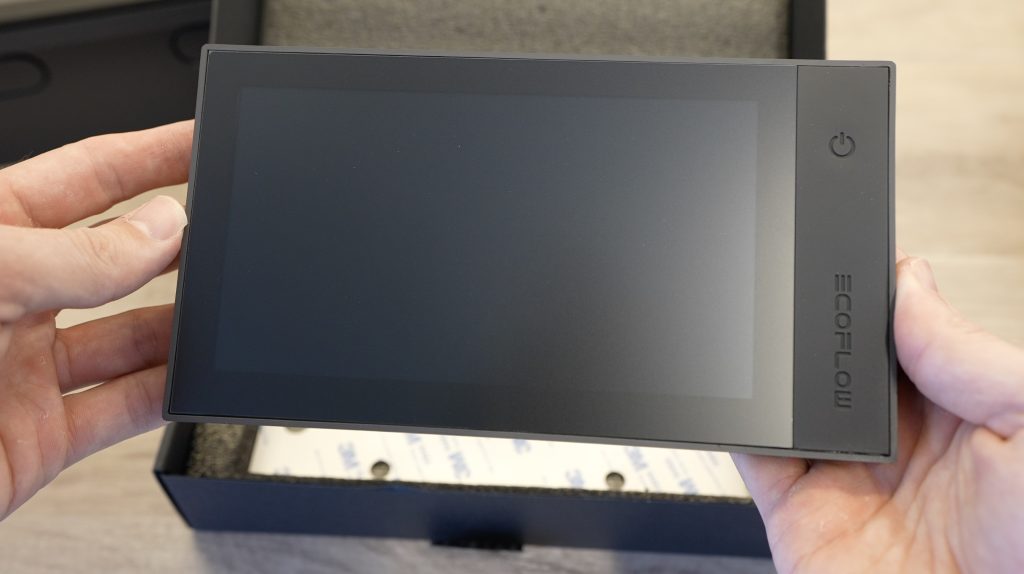
The console is a 7-inch IPS touch display with an RJ45 CAN communication interface. This is the primary means to interact with the system if you’re not using the mobile App.

EcoFlow Power Kits Console

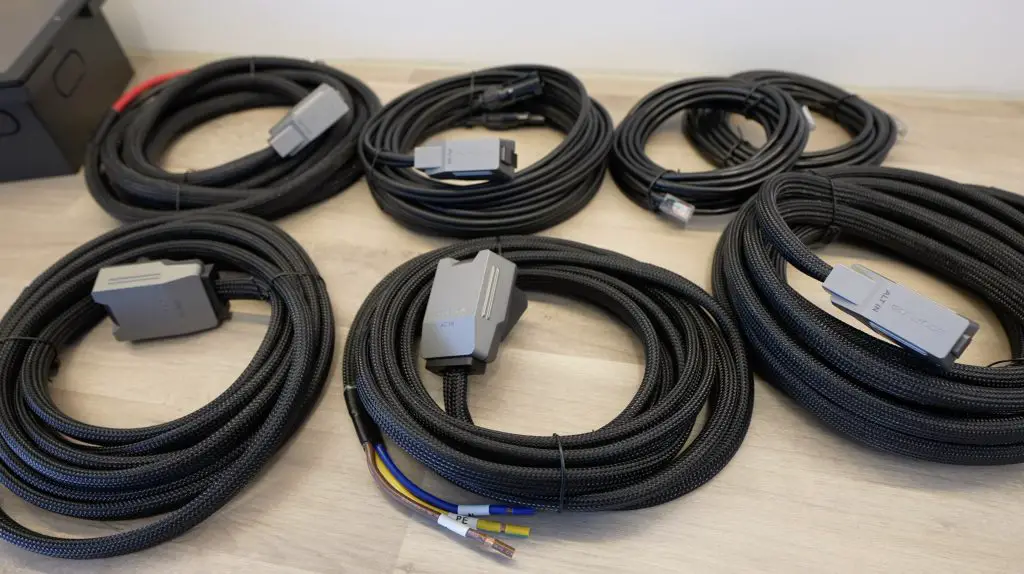
Preterminated Cables

The cables are included with the kit as well and are pre-terminated to quickly hook up to the distribution board, alternator or solar panels.

EcoFlow Power Kits Cables

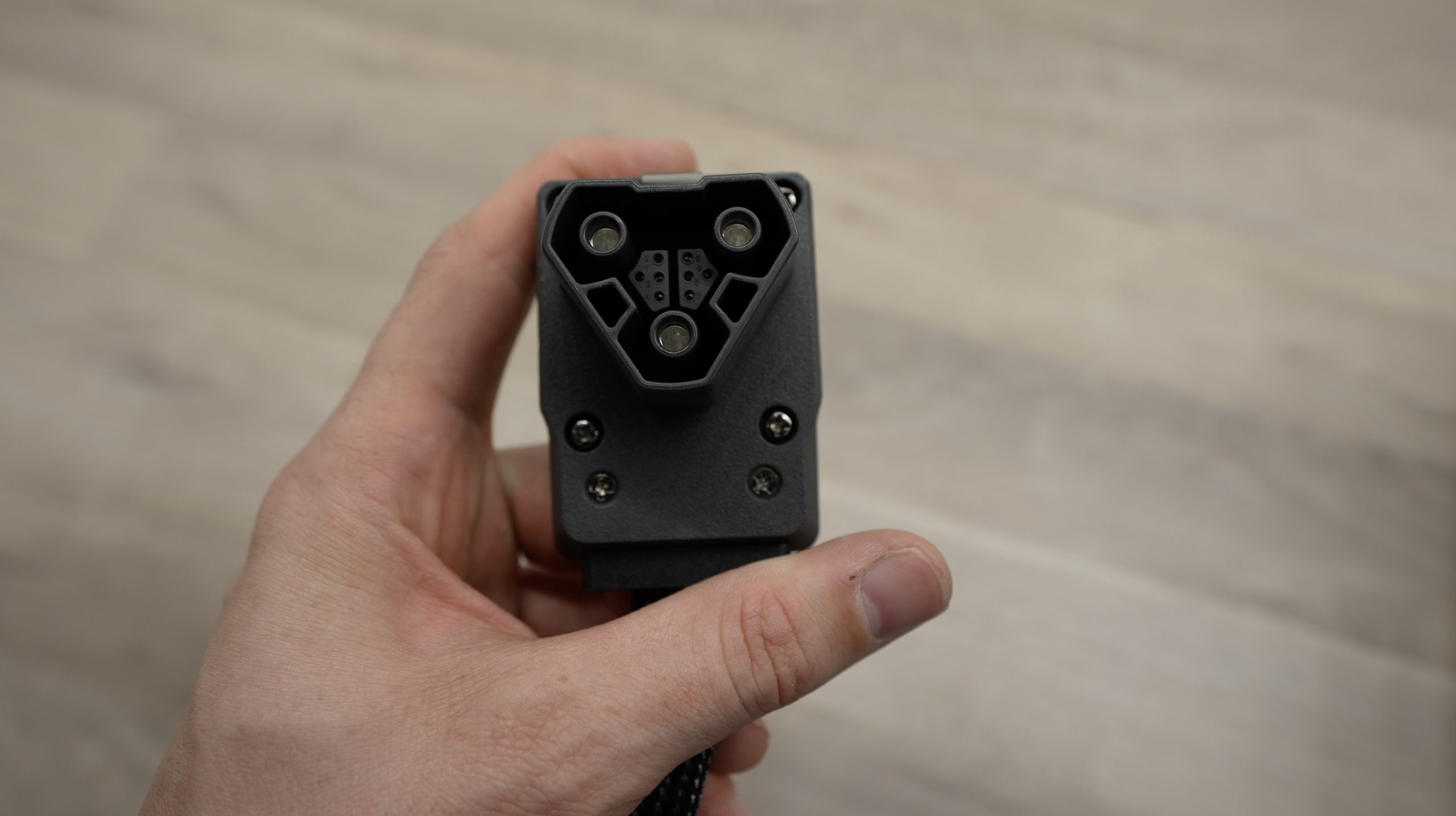
Each cable has a clearly labelled plug on the end and the plugs are different so you won’t be able to plug them into the wrong ports, so you’re protected against damaging your equipment.

Testing The Power Kits System On My Workbench

Connecting The System Components Together

Before I install the system in my workshop, I’m going to hook up some of the main components on my workbench so it’s easier to see how it all connects together and works.

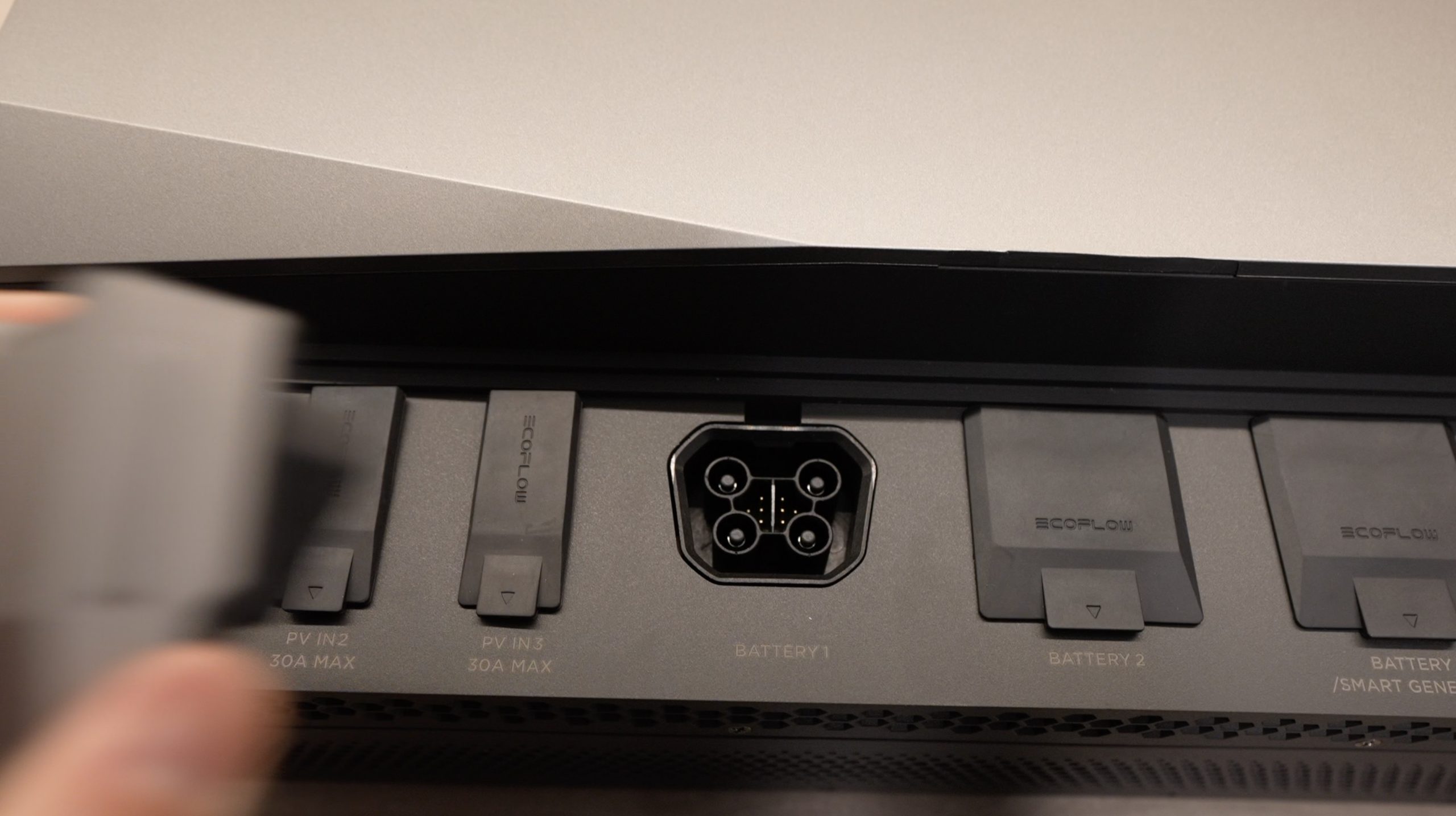
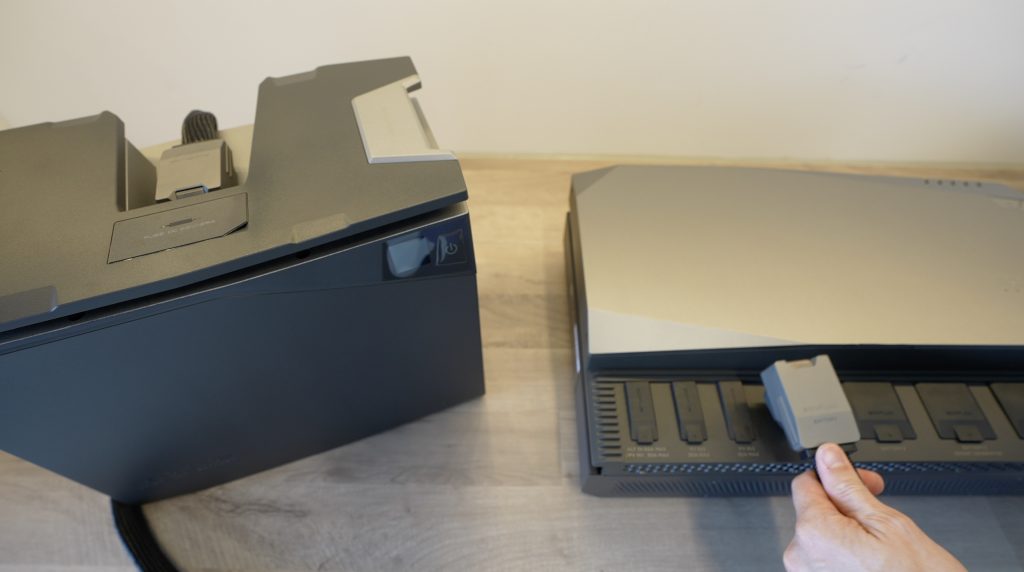
Connecting the components up is really simple you just remove the covers from the ports you want to use and plug them in.

First, let’s hook up the battery to battery port 1.

Plugging Battery Into Power Hub

We can then connect the CAN interface to the smart distribution board to control the circuits and get power consumption data back.

Connecting Up CAN Communication

Then connect the console with another RJ45 CAN cable. The console is where we’ll be able to control the system and see energy usage information.

With those hooked up, we should be able to turn the system on.

Turning The System On For The First Time

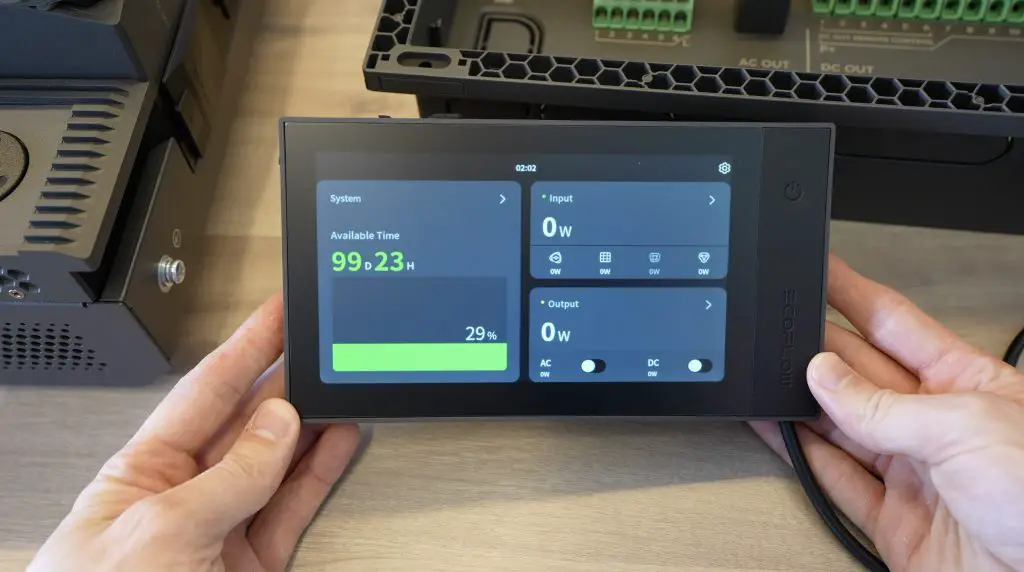
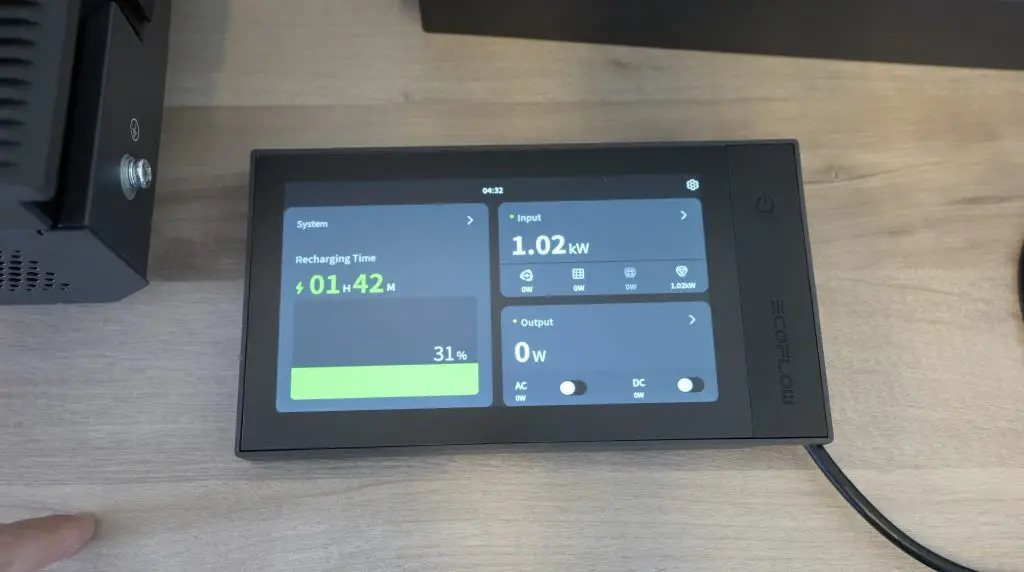
From the console, you get information on the battery capacity remaining as well as the expected run time at the current power consumption until the batteries are empty. You can also turn loads and inputs on or off and access the system’s settings. I’m going to connect it to my WiFi network so that I’ll have access to the system remotely through the EcoFlow app as well.

Console Powered Up

The battery is only at 29%, so I can plug the AC input into one of my mains outlets to charge.

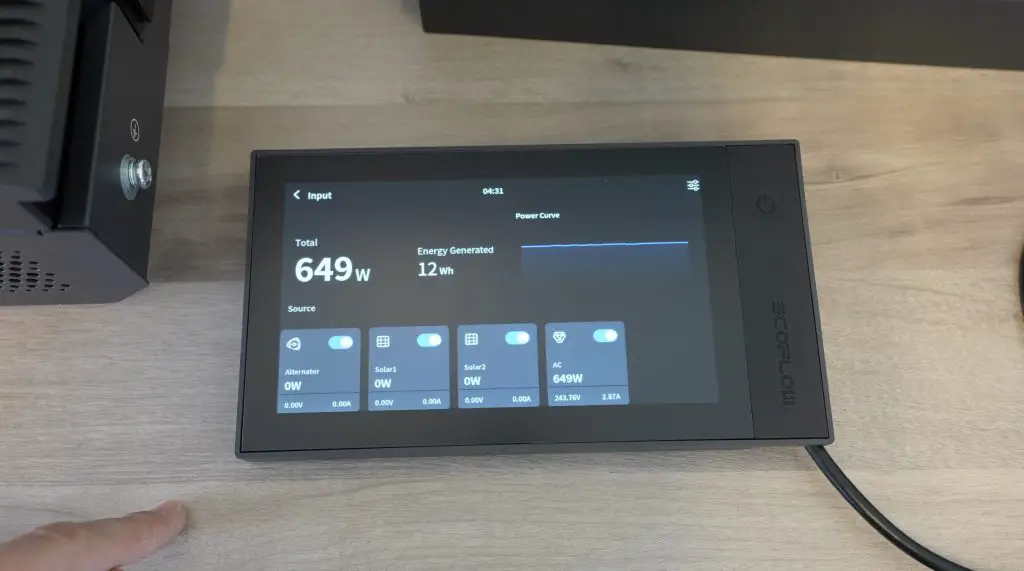
AC Charger Charging Battery

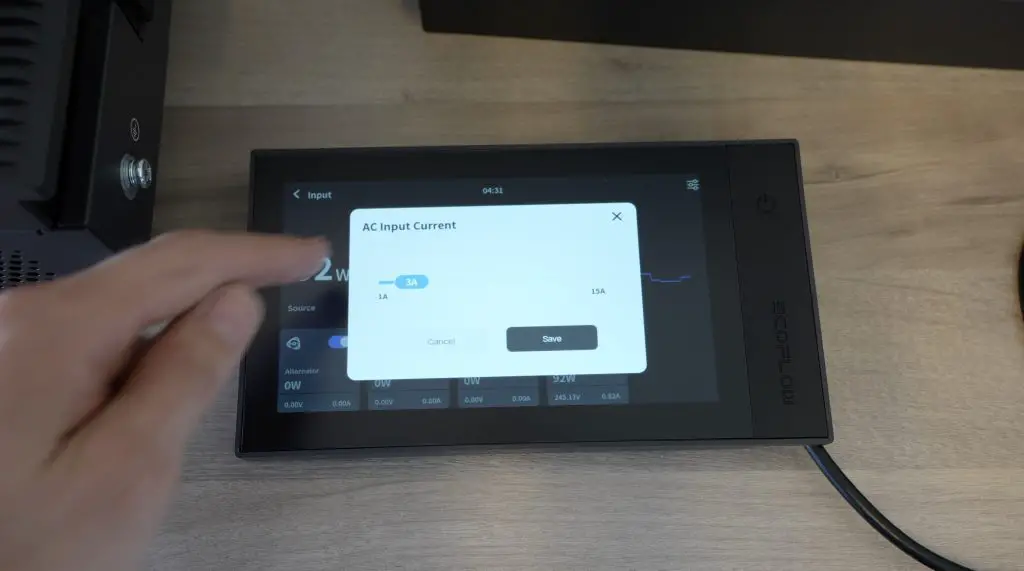
They’ve also got some really clever features here. The built-in charger can charge at 3000W, but if you’re at a small campsite or RV park then your site probably won’t have the capacity to supply this much power, so you can limit the charger’s power draw as well. You can also easily adjust it up or down to suit new sites.

AC Charger Current Limiting

Now we can see that the Home Screen has switched to tell us how many hours it’s going to take to fully charge the battery.

AC Charger Time To Charger

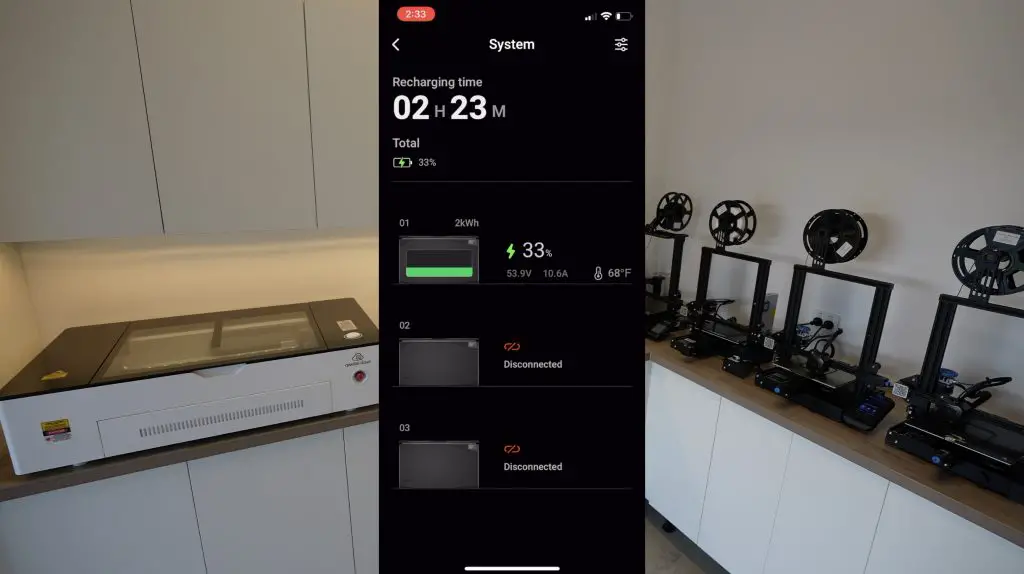
If you’ve got multiple batteries connected, you can also get more detailed information on each of the individual batteries.

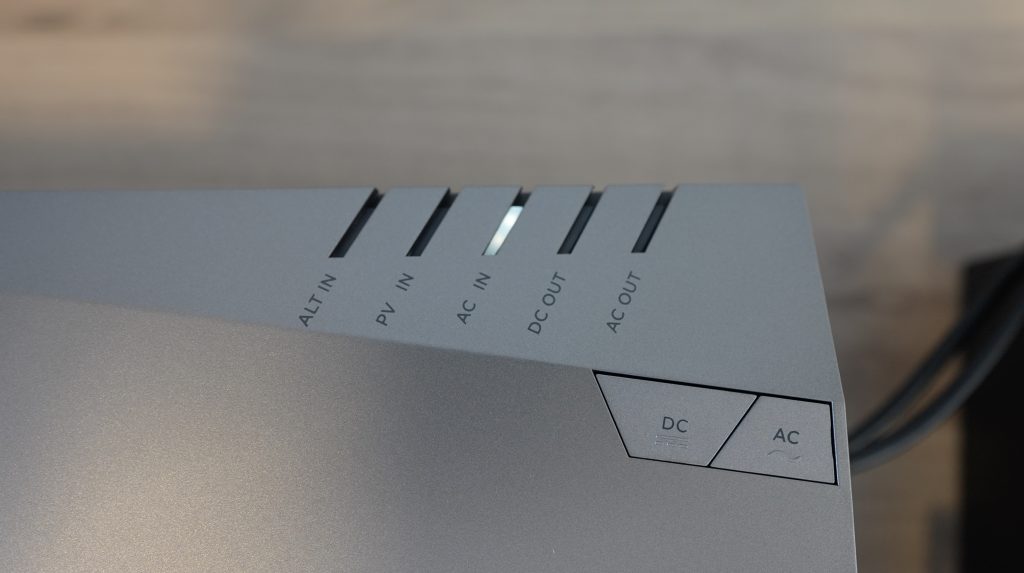
The power hub has some status indicators along the top to tell you which inputs and outputs are currently active and you can use the buttons below the indicators to turn the AC and DC outputs on or off.

Indicators Show Active Inputs & Outputs

The battery’s indicator shows its charge capacity and has a little indicator in the corner when charging as well.

Battery Capacity Remaining

Trying A 3D Printer As A Load On The System

As a first test, I’ve connected one of my 3D printers to the smart distribution panel. This should provide a relatively light load of around 250-350W.

Smart Distribution Board Connected Up

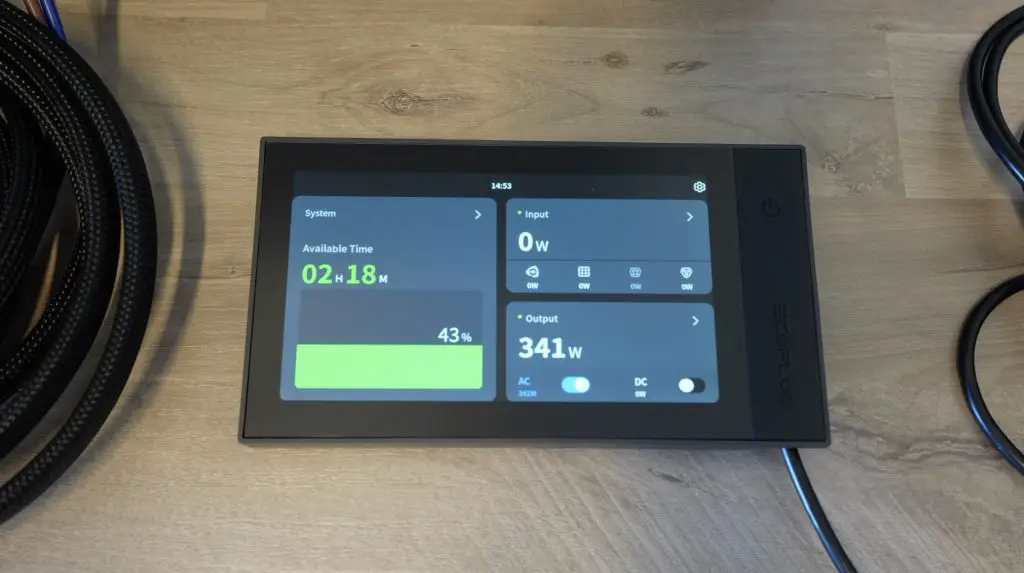
We can see its power consumption start showing up if we set it to preheat and if we turn off the AC input, the system is then running solely off of the battery. So now the panel is indicating that it’ll be able to run for a little over 2 hours at this output.

AC Output Running On Batteries

The 3D printer only draws this much power when heating up, once it is running then it uses around 100 to 120W continuously. So the 2kWh battery should be able to power it for around 13-14 hours using 80% of its capacity.

If we switch the printer off again then the load drops back down to almost zero.

The system can also easily replace 12V or 24V systems that you might already have installed as it’s got a built-in DC-DC step-down converter. I’m going to try powering one of my printers directly since they all run at 24V anyway. This should actually be more efficient because we’re using direct DC power from the battery rather than converting it to AC and then the power supply on the printer is converting it back to DC.

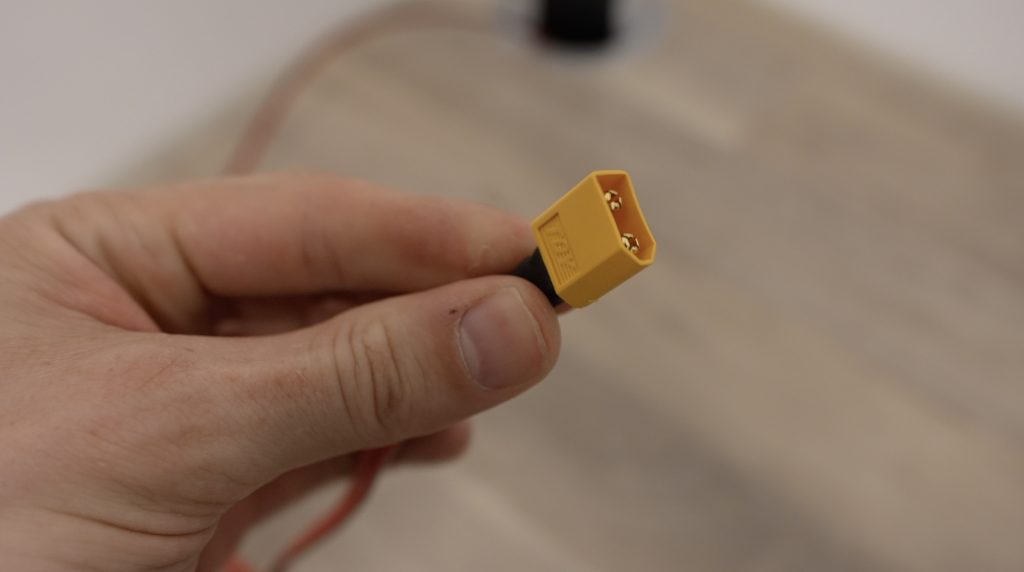
To do that, I soldered an XT60 connector onto the end of a power lead that is fed from one of the Smart Distribution Board outputs. My older Ender 3 Pro still uses one of these connectors between the power supply and control board, so it’s easy to bypass.

Adding Connectors To Run My 3D Printer on 24V Supply

Taking My Workshop Offgrid Using EcoFlow Power Kits

So now that you’ve seen how the system works on my work bench, I’m going to get it installed in my workshop and really load it up.

My Workshop Going Offgrid

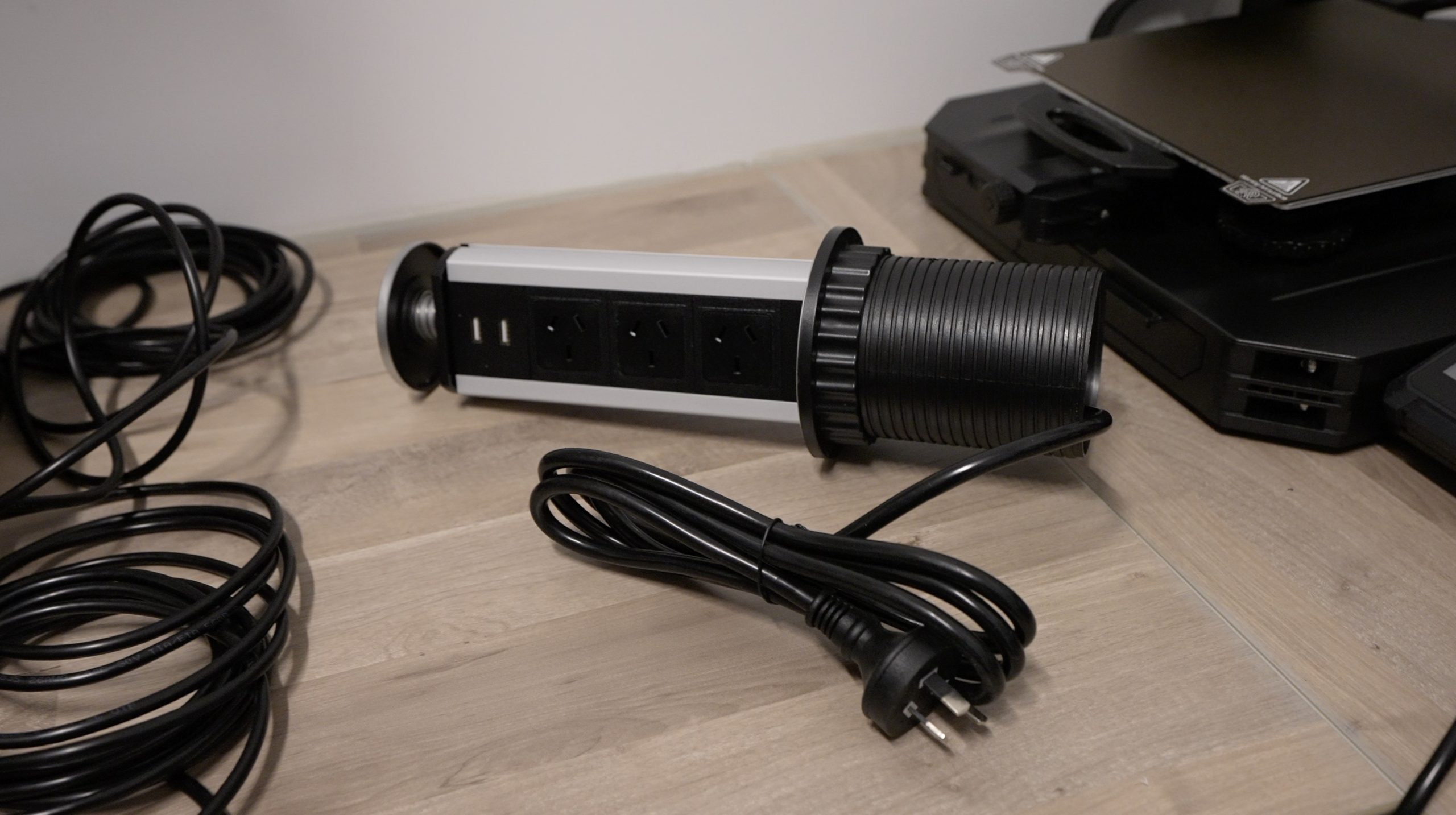
I’ve bought two of these benchtop plug points which I’m going to install on either side of my workbench. One in my work area, which will also be used for the laser cutter and one on the 3D printer side which will run my 3D printers.

I’m also going to connect my workshop lights to another 24V DC output.

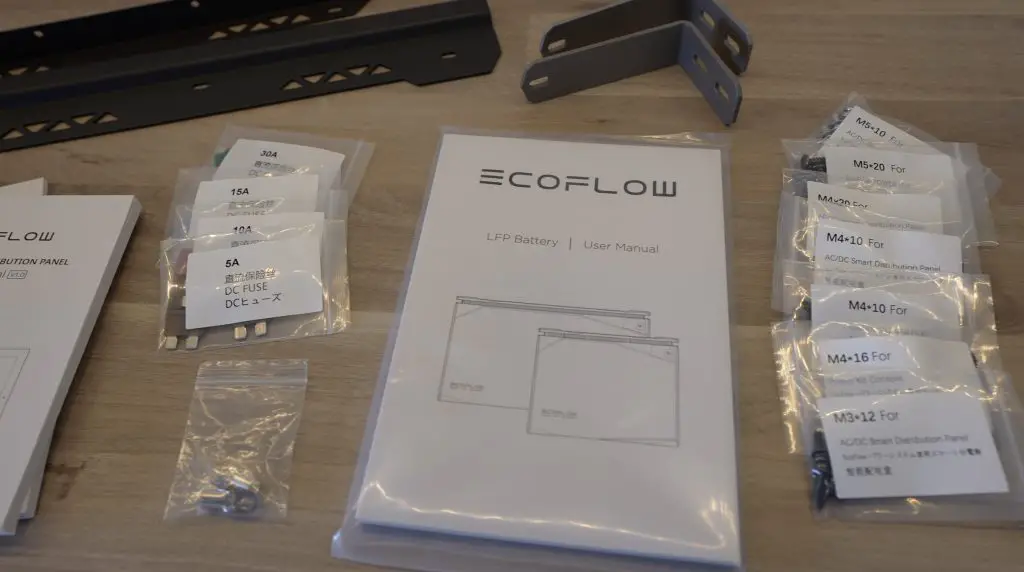
To install the equipment, EcoFlow have again made things really simple, each part of the system comes with a manual and its own set of mounting hardware including brackets and screws. They also give you a few different fuses for the DC circuits.

EcoFlow Power Kits Manuals

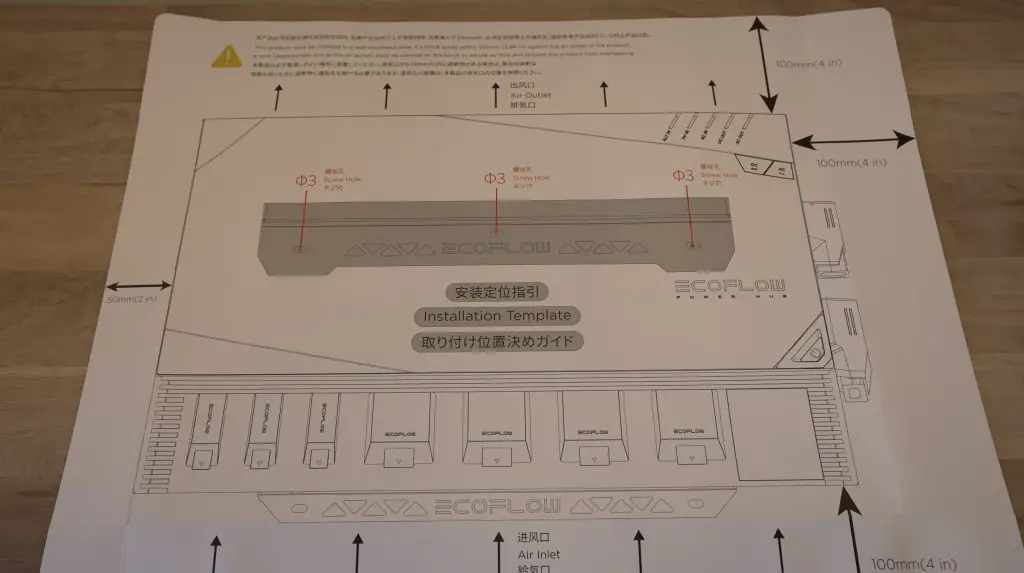
Each device to be mounted also includes a mounting template to make sure that you get the holes in the right places and that you allow enough room around the power hub for cooling and cabling.

EcoFlow Power Kits Mounting Templates

I’ve got solar panels on my home which provide excess power during the day, so I’m going to set the system up to charge during the day and I can then use the stored battery power overnight for lighting and to run my printers. I could also add a dedicated solar panel to this system in my workshop, but since I’ve already got panels installed and the power available, I may as well use it.

Configuring The Power Kits System Using The EcoFlow App

With the system installed, I’m now going to configure it using the EcoFlow app.

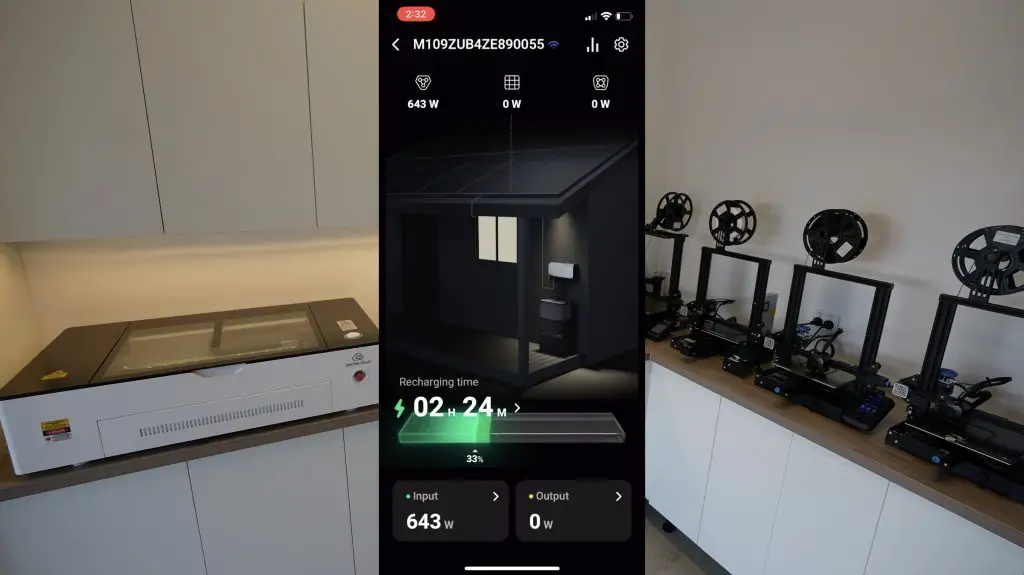
The app gives you a similar set of controls to the console, with the added benefit of being able to control the system remotely. So you can turn power inputs on or off and you can control all of your loads. You can also see what supplies are connected and the charge state of the batteries.

Starting Up The EcoFlow App

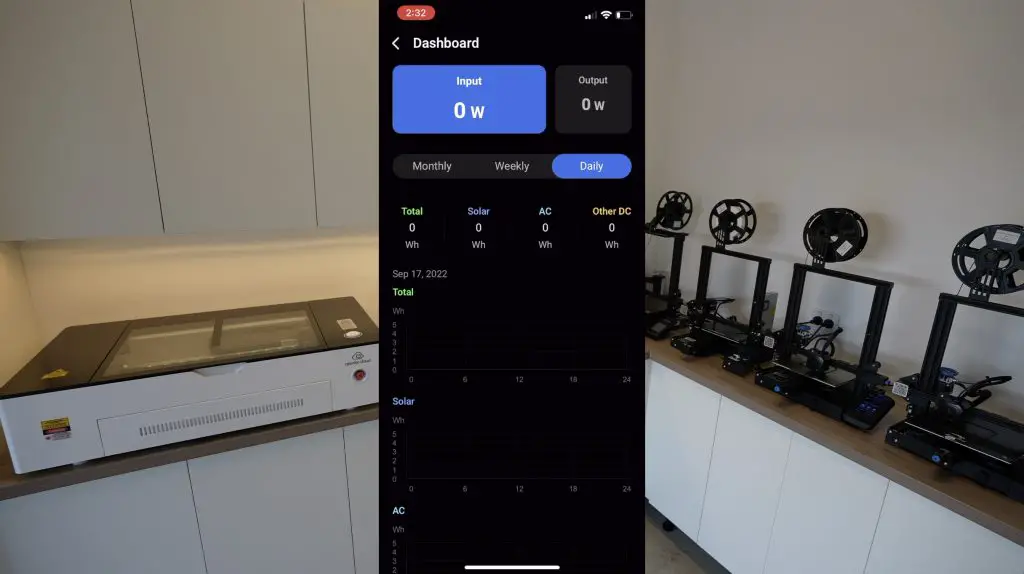
It also gives you more detailed information on your daily, weekly and monthly energy inputs and consumption.

EcoFlow App Enegry Monitoring

You can get more detailed information on each of the connected batteries and see the remaining time to fully charged or the remaining run time when using the battery’s capacity.

EcoFlow App Battery Monitoring

They’ve really put a lot of effort into this app, even the graphic of the home on the main screen is animated. You’ll notice things like the batteries change to show your configuration and the inputs glowing when active.

Testing The Power Kits System Under A Heavy Load

With the system now set up in my workshop, I can now really load it up. I’m going to do this by switching on a 3D printer on the 24V DC supply, two on the AC supply and a heater on another AC supply.

I turned these on in sequence and kept the AC mains charger switched on to keep the battery charged.

EcoFlow Power Kits Loaded

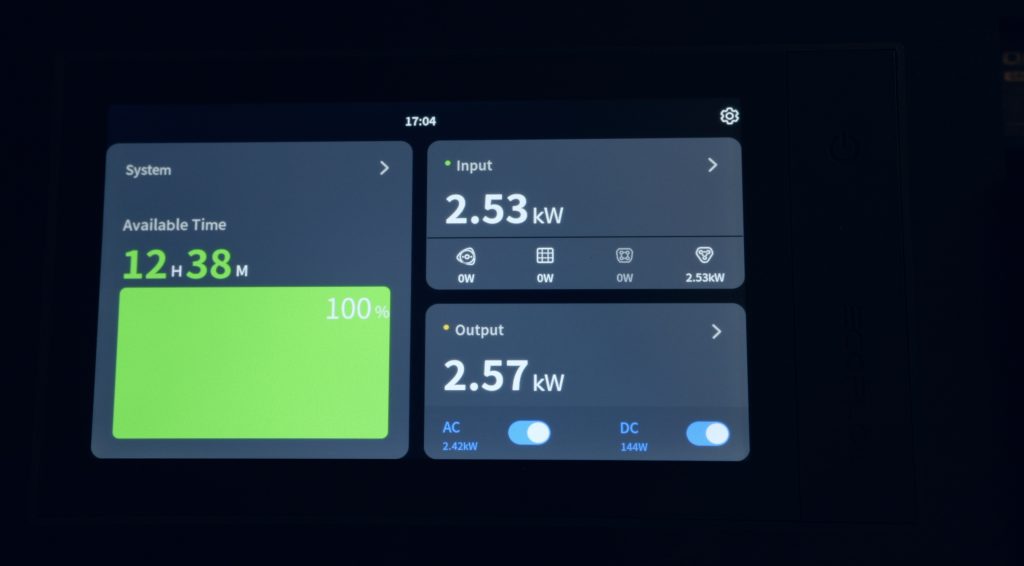
The system was drawing slightly less from the AC supply than what it is supplying, I assume because the battery is full, so it doesn’t want to overcharge. The system ran without any issues producing 2.5kW through a mix of AC and DC loads.

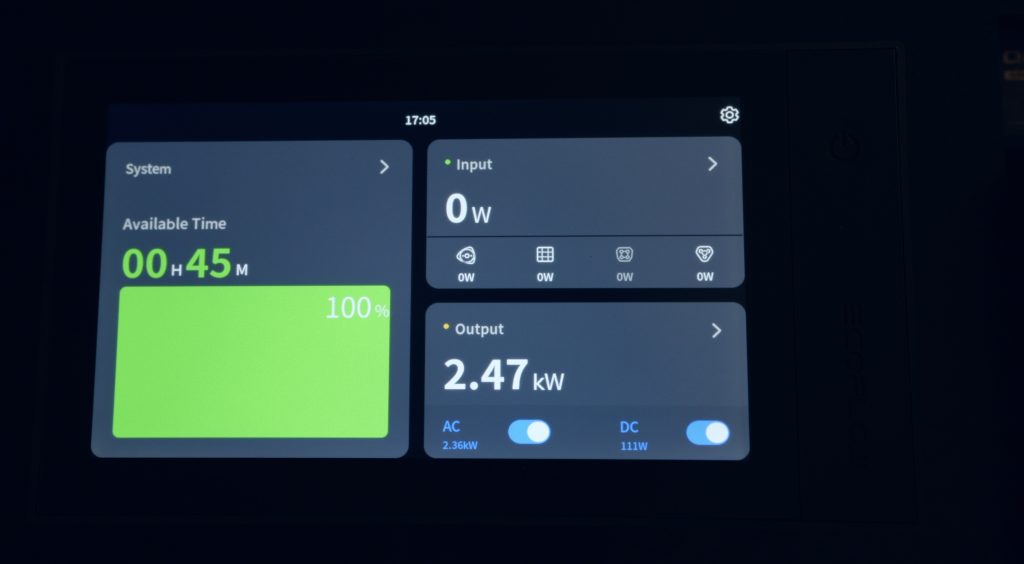
Now let’s see if we can turn off the AC supply and run entirely from the battery. This is going to be quite a significant load on this single 2kWh battery – it’ll be drawing around 50A just to keep up with this load.

Power Kits Running 2.5kW From Battery

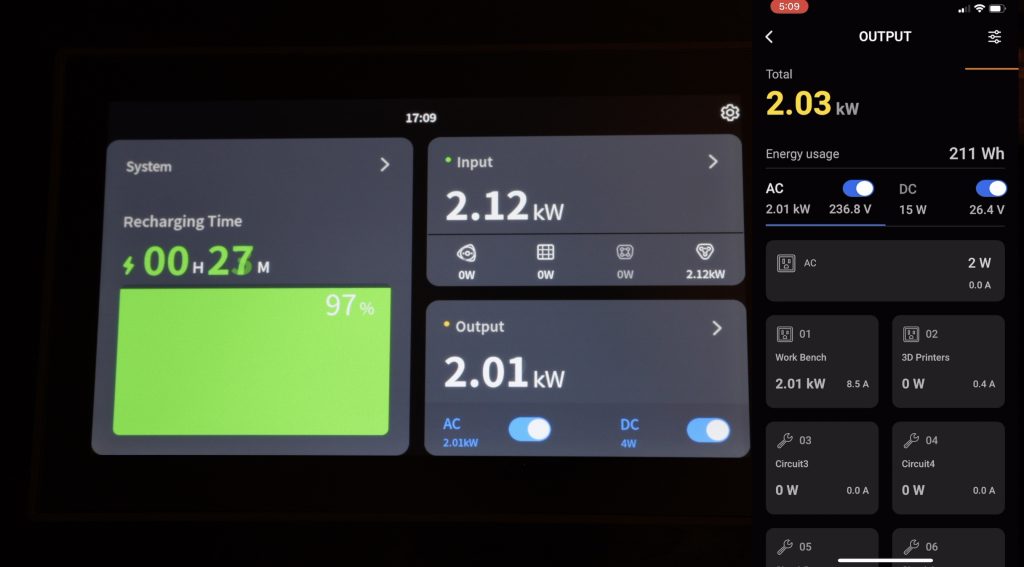
The system and the battery run without any issues with that load as well, which was quite impressive. I then also allowed the system to recharge at maximum power.

Power Kits Recharging Battery

Final Thoughts On The EcoFlow Power Kits

EcoFlow have made some smart decisions in the design of the system. All of the DC voltages have been kept below 60V, so they’re safe to handle. They’ve also gone with a 48V battery voltage instead of the usual 12V or 24V so that the cabling is carrying a lower current for the same power output. This means less heat is generated and the system is more efficient.

The other great thing about the modular design is that you aren’t locked in to a particular size system, it’s really easy to expand or reduce capacity and even add or remove charging options as you grow into your van, RV or off-grid home installation.

I’m really excited to see how my workshop does on this system. It allows me to keep a much closer eye on my power consumption and it also helps me use the excess solar power that I generate during the day to run my printers, tools and laser cutter at night.

Let me know what you think of the Ecoflow power kits in the comments section below, and let me know if you’ve got any questions about it or if you’d like to see me try something out on it.

Be sure to check out EcoFlow’s web store if you’re interested in getting your own EcoFlow Power Kits system for your off-grid installation, camper van, RV or trailer.

Acrylic Pi Cases, Gweike Cloud Review – Can It Compete With The Glowforge?

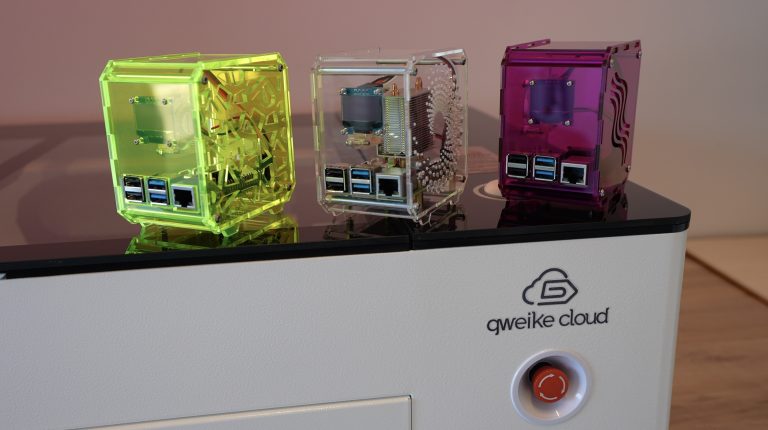
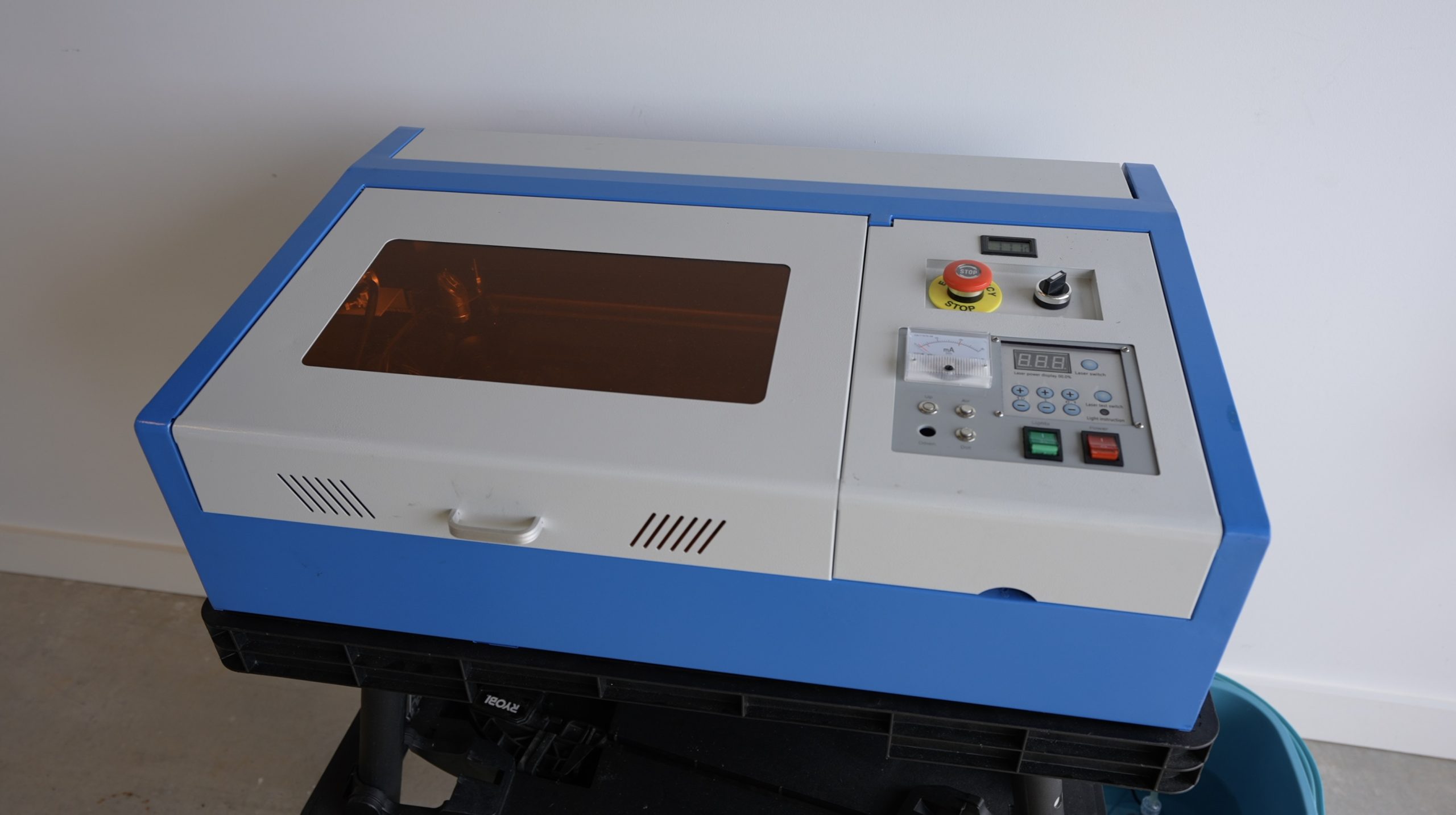
If you’ve seen some of my other projects, I often use my K40 laser cutter to cut and engrave acrylic and plywood sheets to make up components. I love how quickly I can make them up and having clear or semi-transparent panels on 3D printed enclosures really enhances the overall appeal. I bought my laser a couple of years ago as a tool that I thought I might use on occasion and it’s turned out to be my go-to favourite workshop tool.

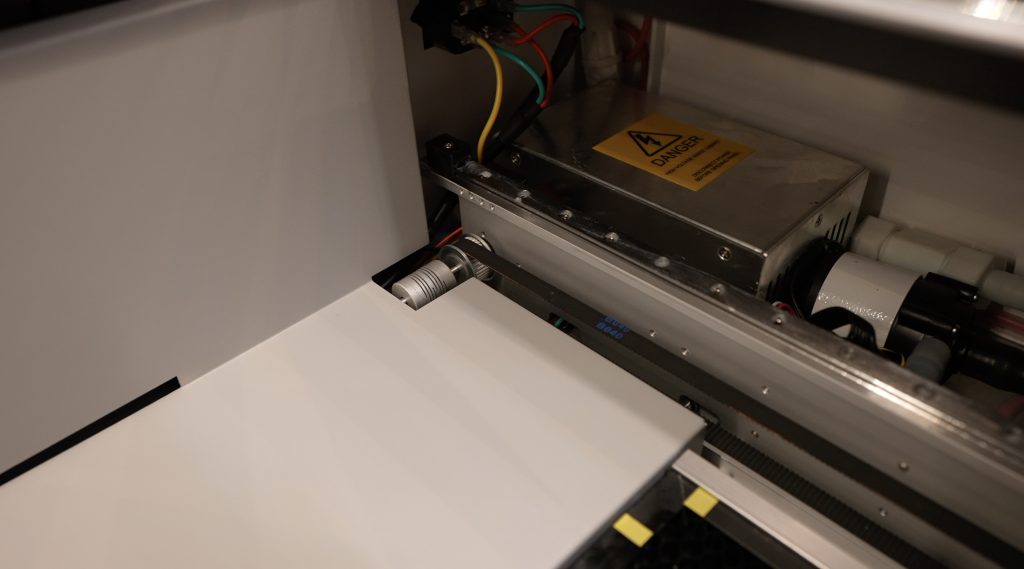
It has its limitations though, the bed area is really small, the laser head is at a fixed height, making using different materials difficult, and the ventilation and water cooling systems look like an afterthought.

But then I got this….

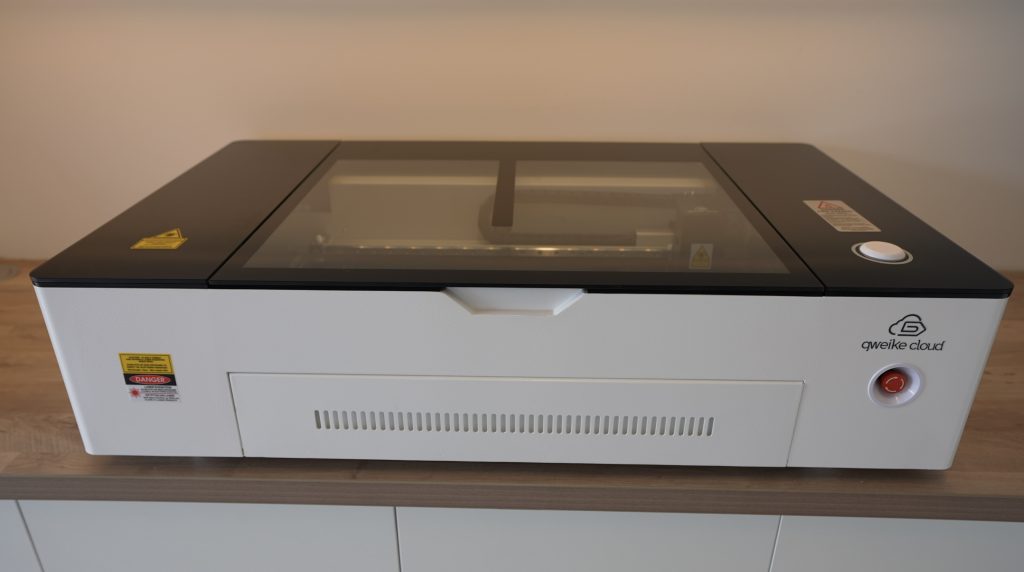
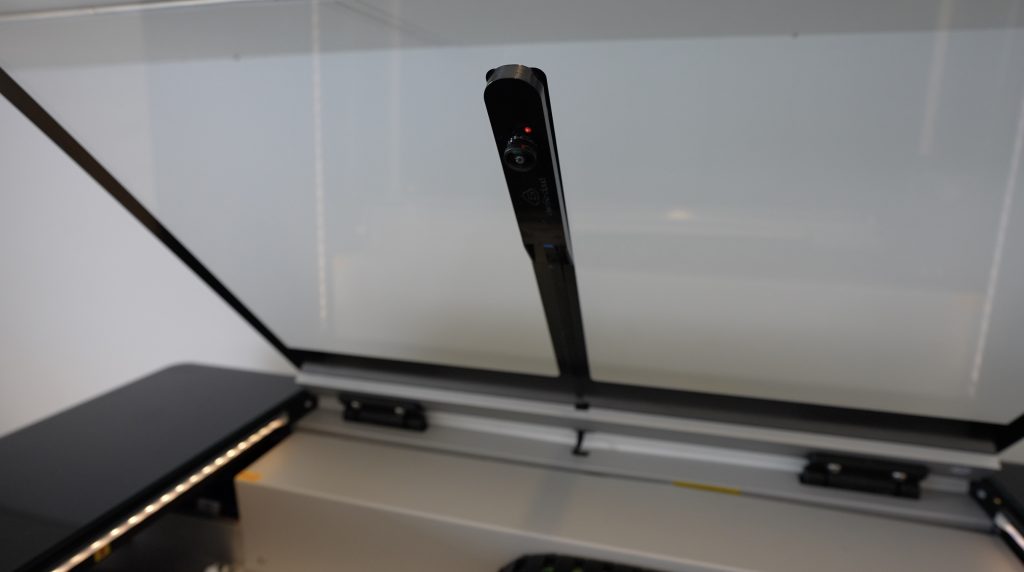
Gweike Cloud Home Laser Cutter & Engraver

This is the new Gweike Cloud home laser cutter and engraver and, if you can’t already tell, it’s intended to compete with the Glow Forge.

Gweike Cloud CO2 Home Laser Cutter

So today we’re going to take a look at some of its features and see how it performs by making up some Raspberry Pi cases from acrylic sheets.

Here’s my video of the Gweike Cloud being unboxed and used to make up the Pi cases, read on for the write-up:

Where To Buy The Gweike Cloud

  • Gweike Cloud Laser Cutter – Buy Here
  • Gweike Cloud Pro Laser Cutter With Rotary Attachment – Buy Here

Get $200 off the Gweike Cloud Laser by entering MK200 on checkout

What You Need To Make Your Own Pi Case

First Look At The Gweike Cloud Laser Cutter

I’ll start out by saying that I’ve looked at getting a Glow Forge a couple of times, but they’ve got some really significant downsides – at least in my opinion. For starters, they aren’t available here in Australia, so I’d have to use a third party to import one. Then the most significant drawback for me is that the Glowforge has to be connected to the internet and you have to use their own online software. You can’t use the laser with any other software packages and you can’t use it offline. So you’re fully locked into their system. The last is the price, the basic unit costs around $4000 and you’re in for nearly $8500 for the pro version which has a passthrough slot, better cooling to run continuously and an air filtration system. So you really have to get a lot out of a machine to make the price tag worth it.

So when Gweike told me about their new Cloud machines, this really caught my attention.

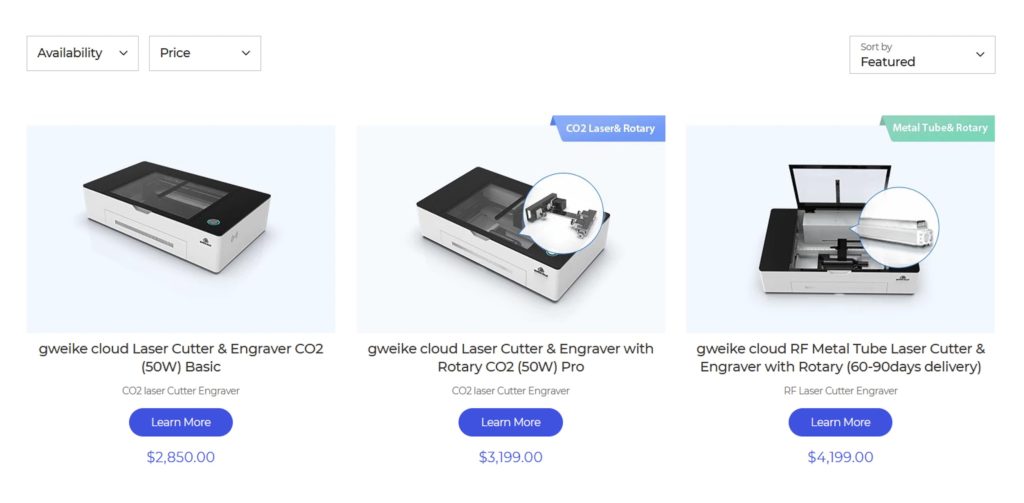
Gweike Cloud Pricing

The Gweike Cloud currently sells for $2850 for the base unit, $3199 for the pro unit that includes the rotary attachment and $4199 for the RF version that has an upgraded RF metal tube laser for increased speed, better laser precision and a significantly longer laser tube life.

The Gweike Cloud is a new offering by the company, but they’re not new to the industry. Gweike are a big name in industrial laser machines and they’ve been around for 18 years now, so they know what they’re doing and they know how to build machines that are tough enough to survive in industrial environments.

Unboxing & Setup

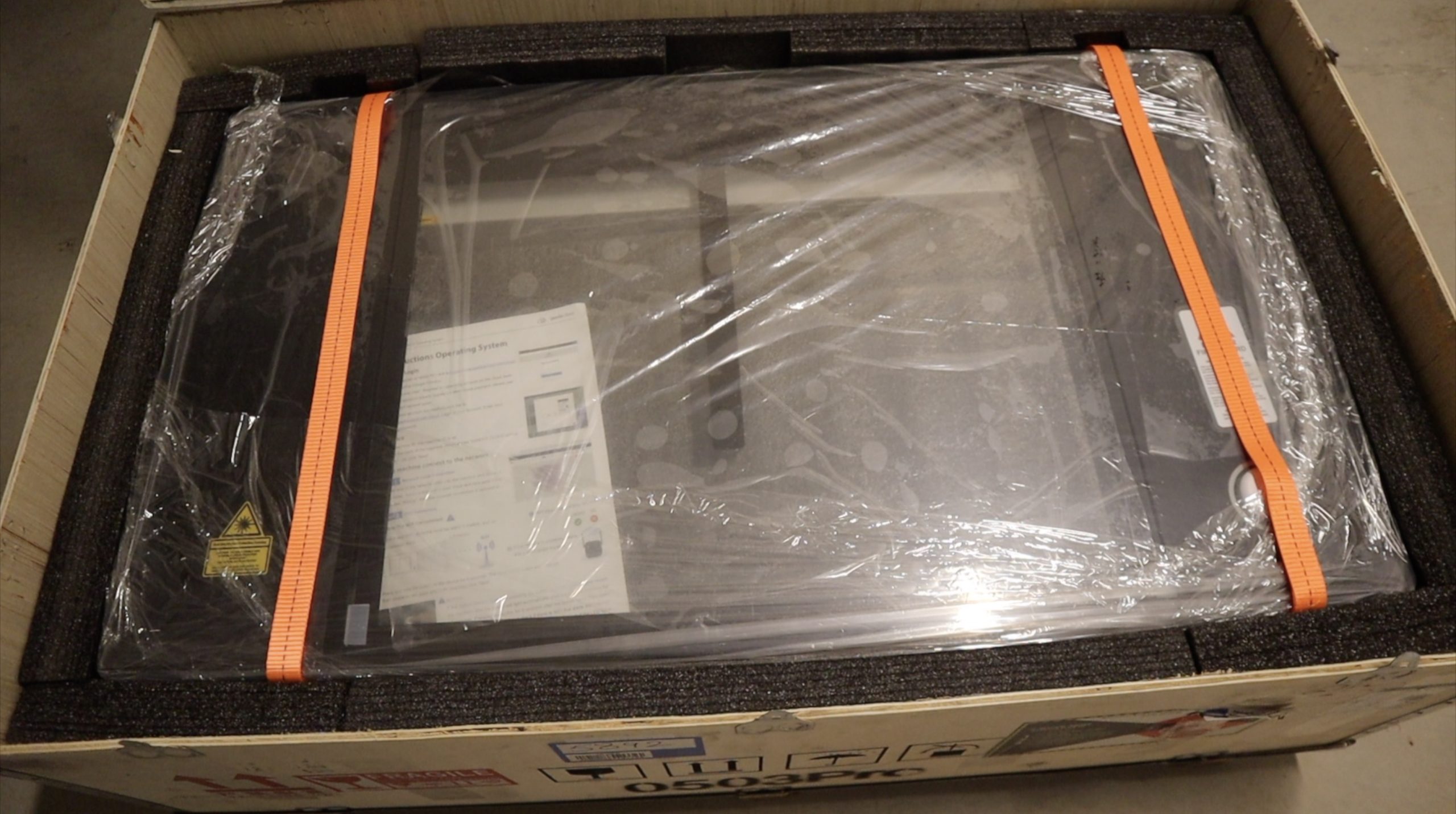
The machine arrives really well packaged in a large wooden crate, with evidence that it has been well tested. There is an individual quality check card and they include the samples from the test run aligning the laser.

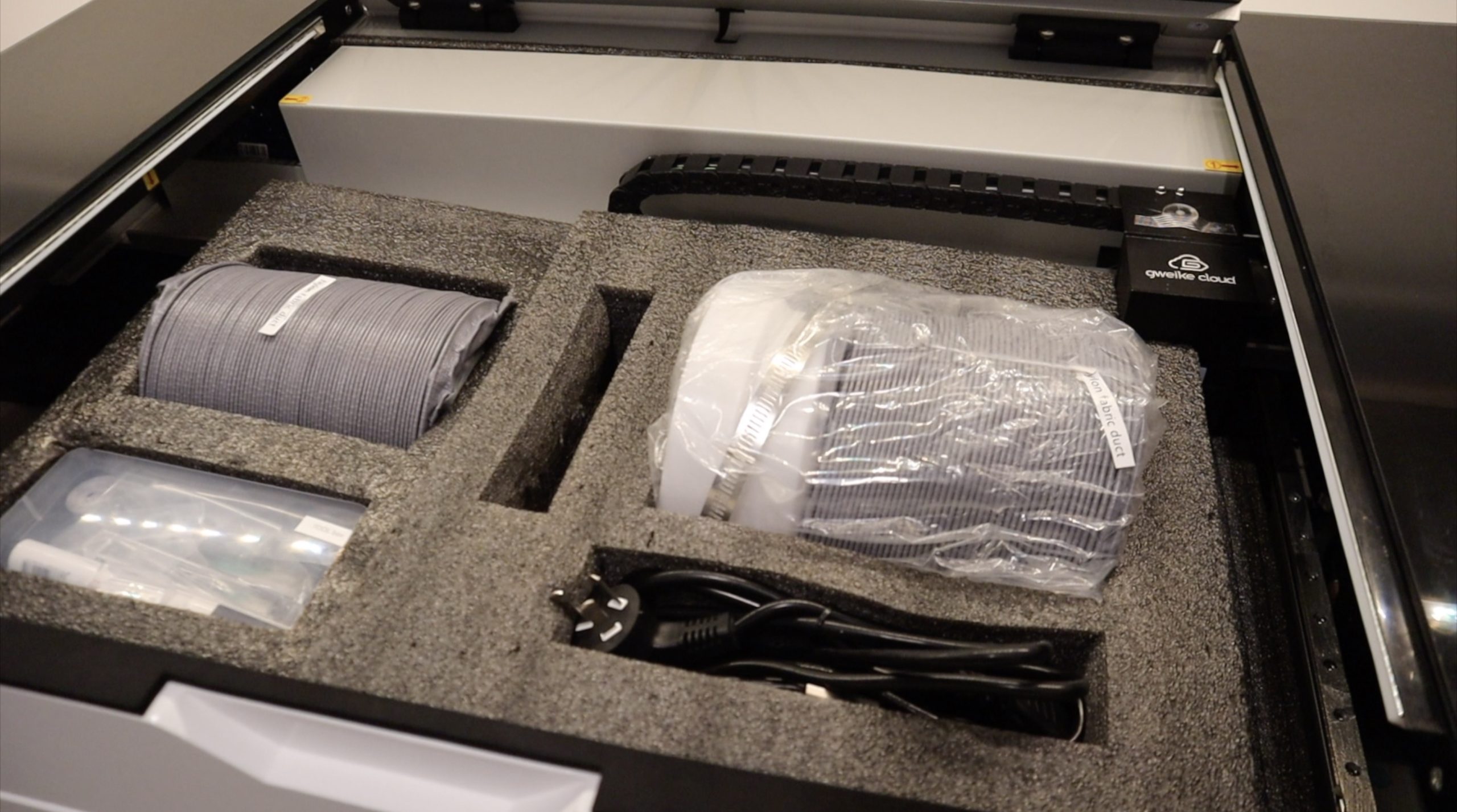
Set up is a breeze, you don’t really need to assemble anything, it all comes pre-assembled. You mainly need to remove packaging and restraints that they’ve put into place to prevent damage during shipping.

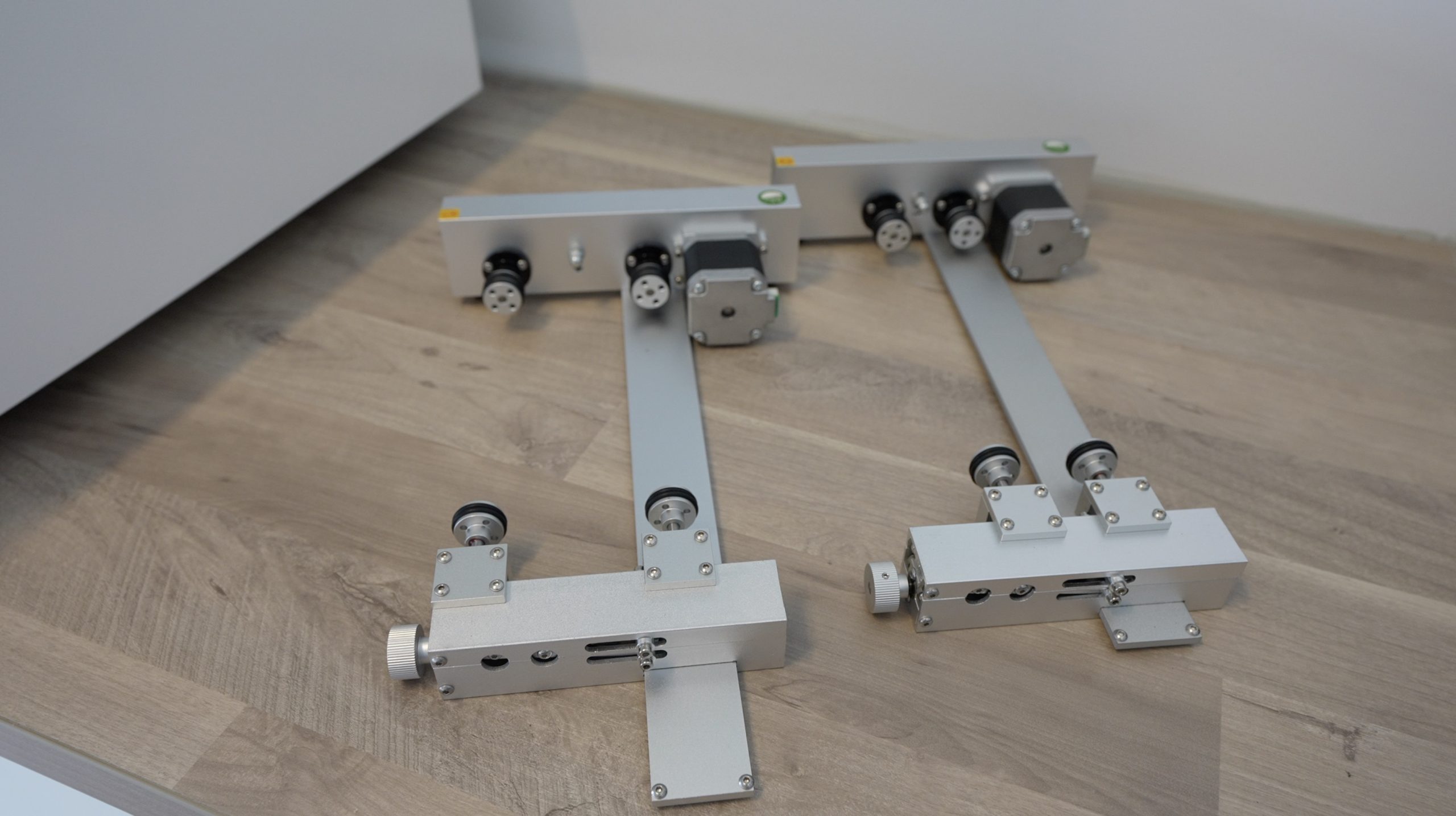
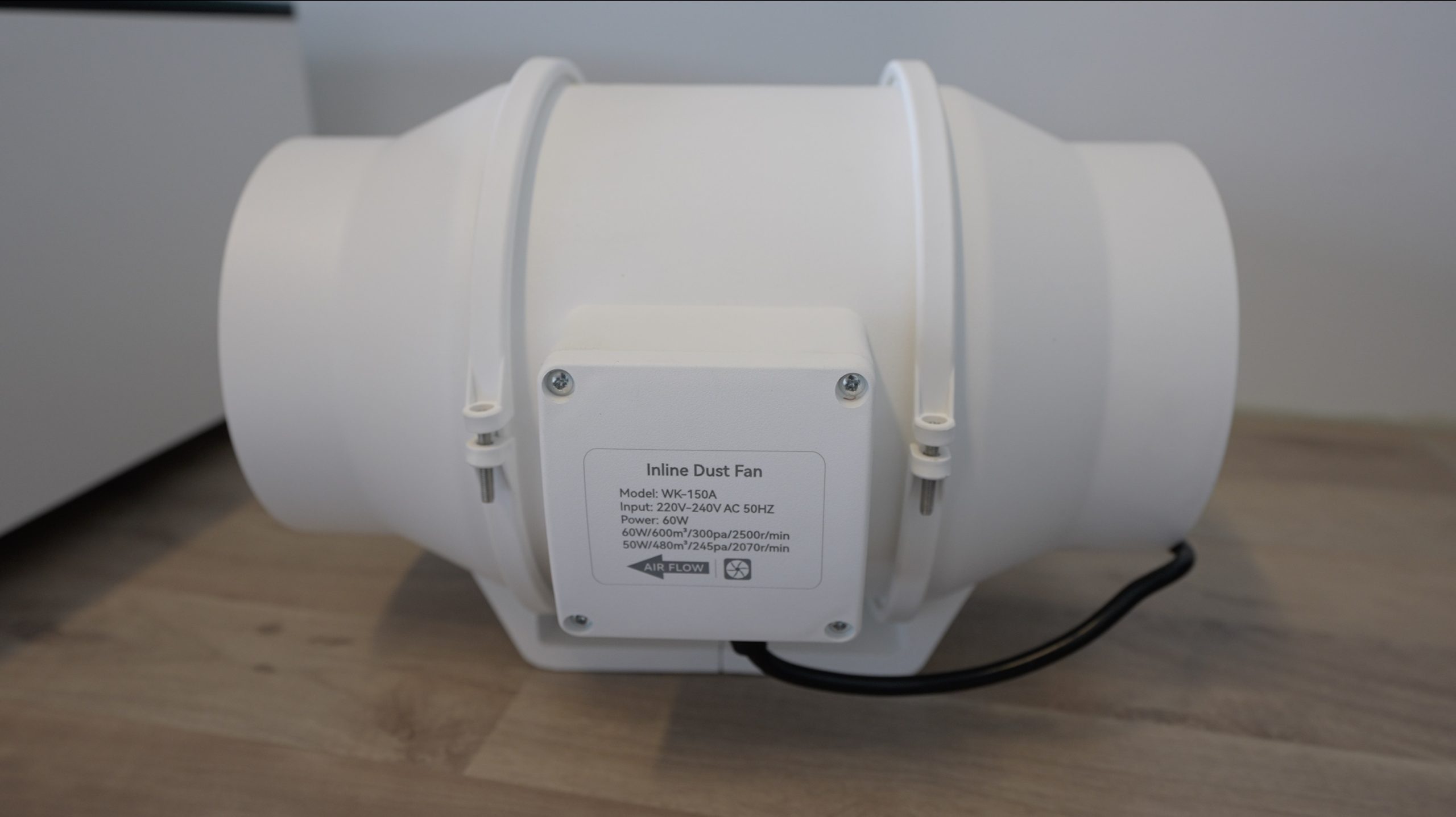
I’ve got the pro version that includes the rotary attachment and an exhaust ventilation fan.

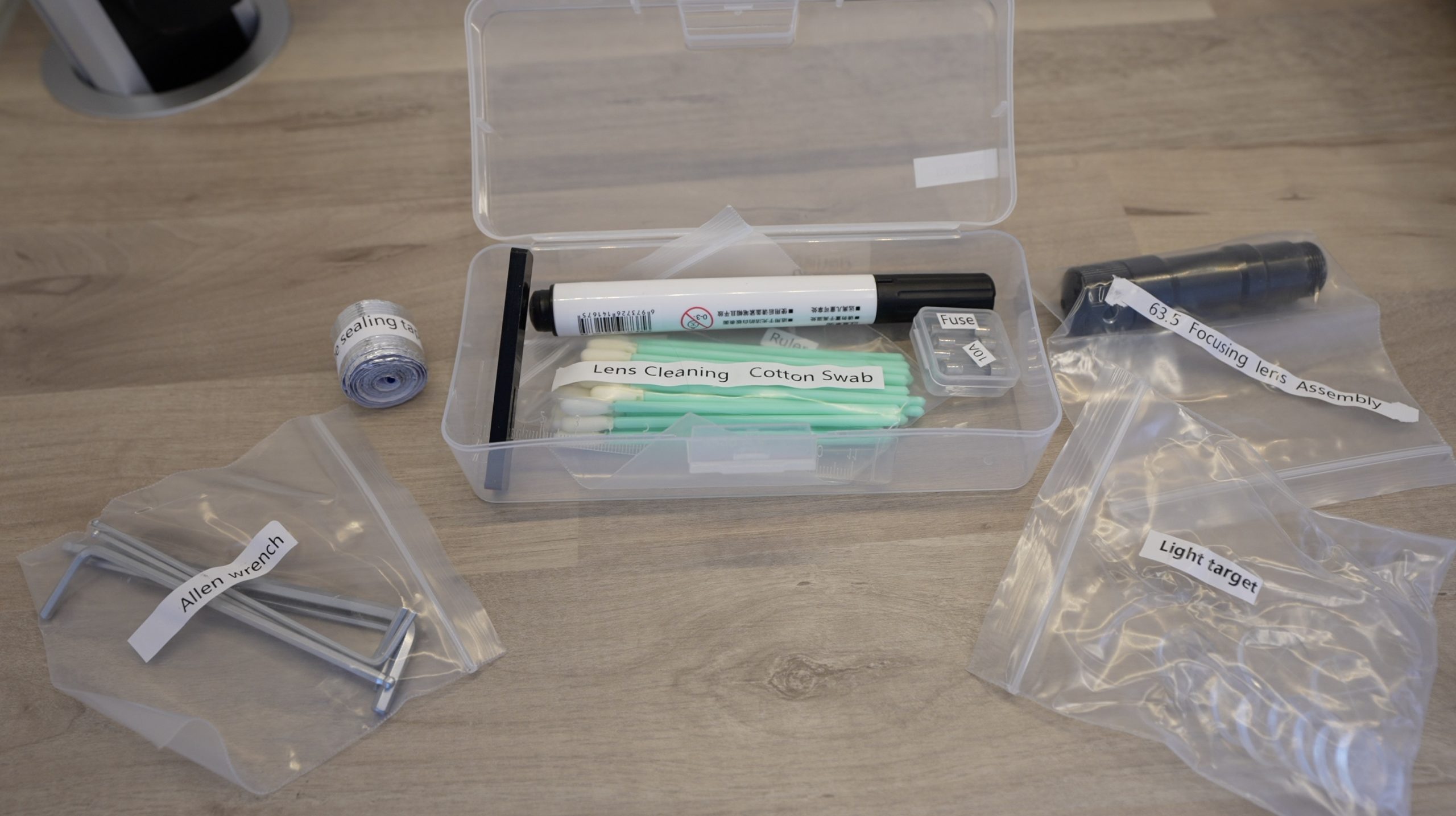
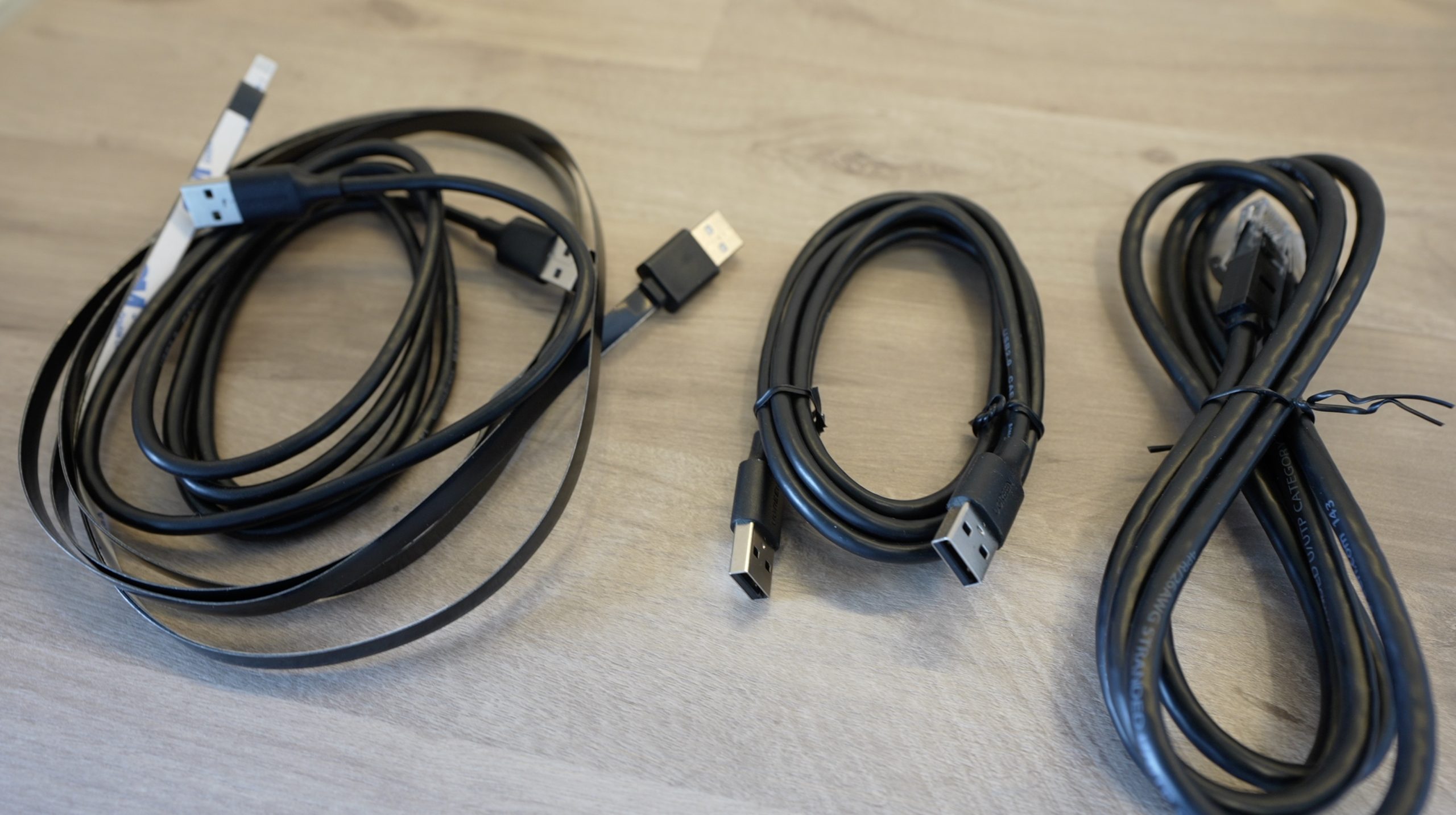
It also includes a basic toolkit as well as the USB cables, a USB camera cable adaptor to use the camera with Lightburn, and an Ethernet cable.

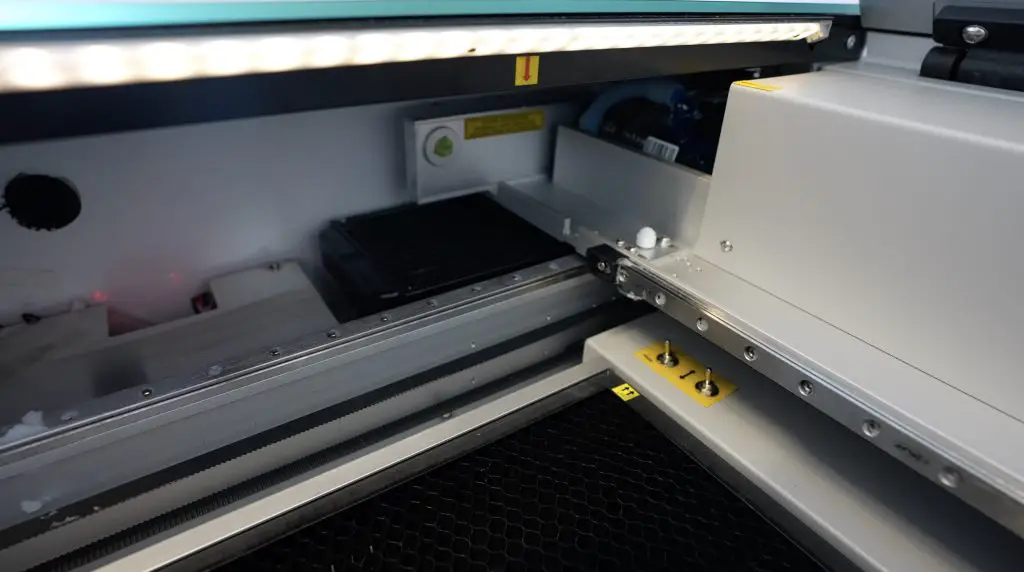
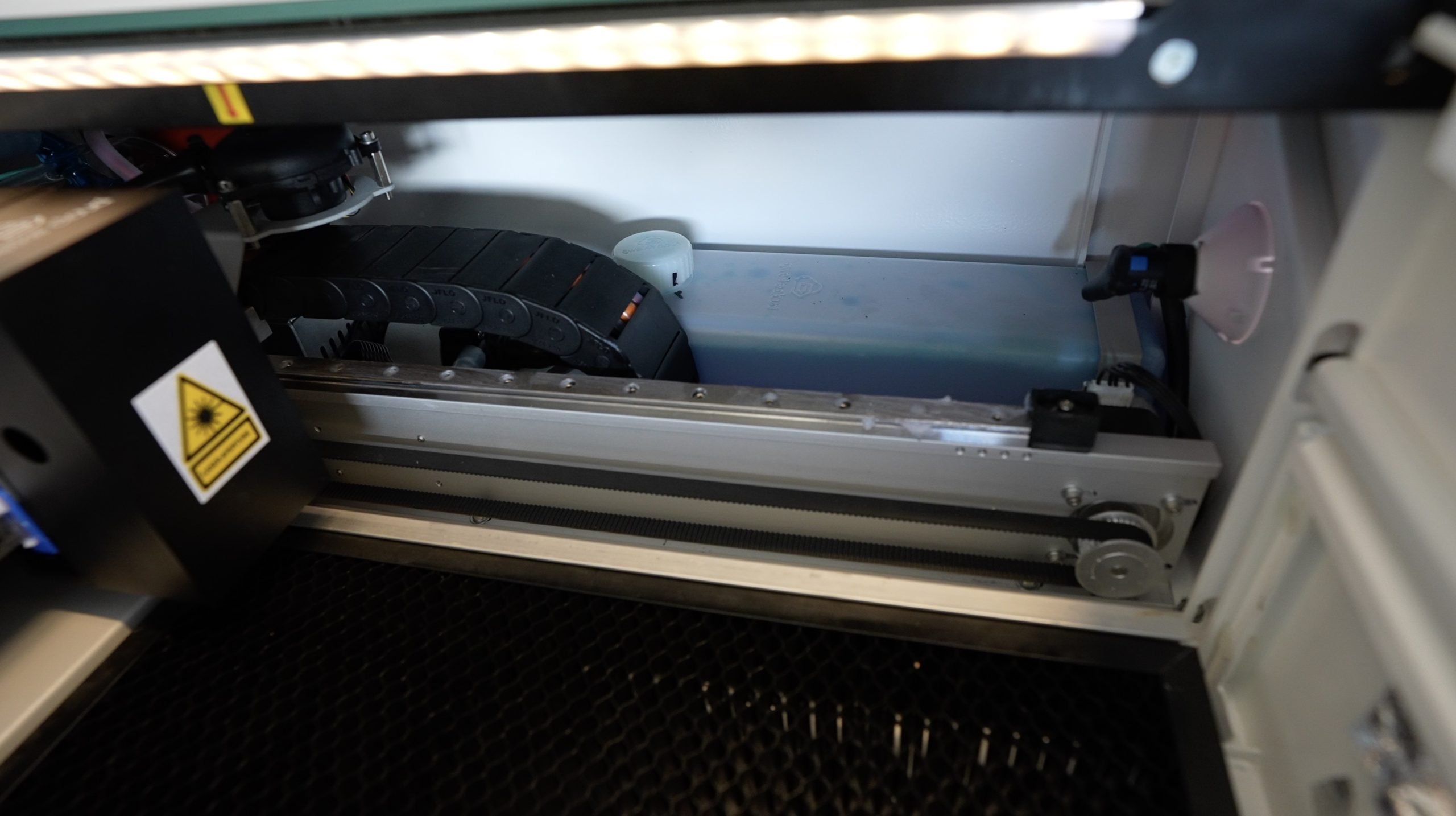
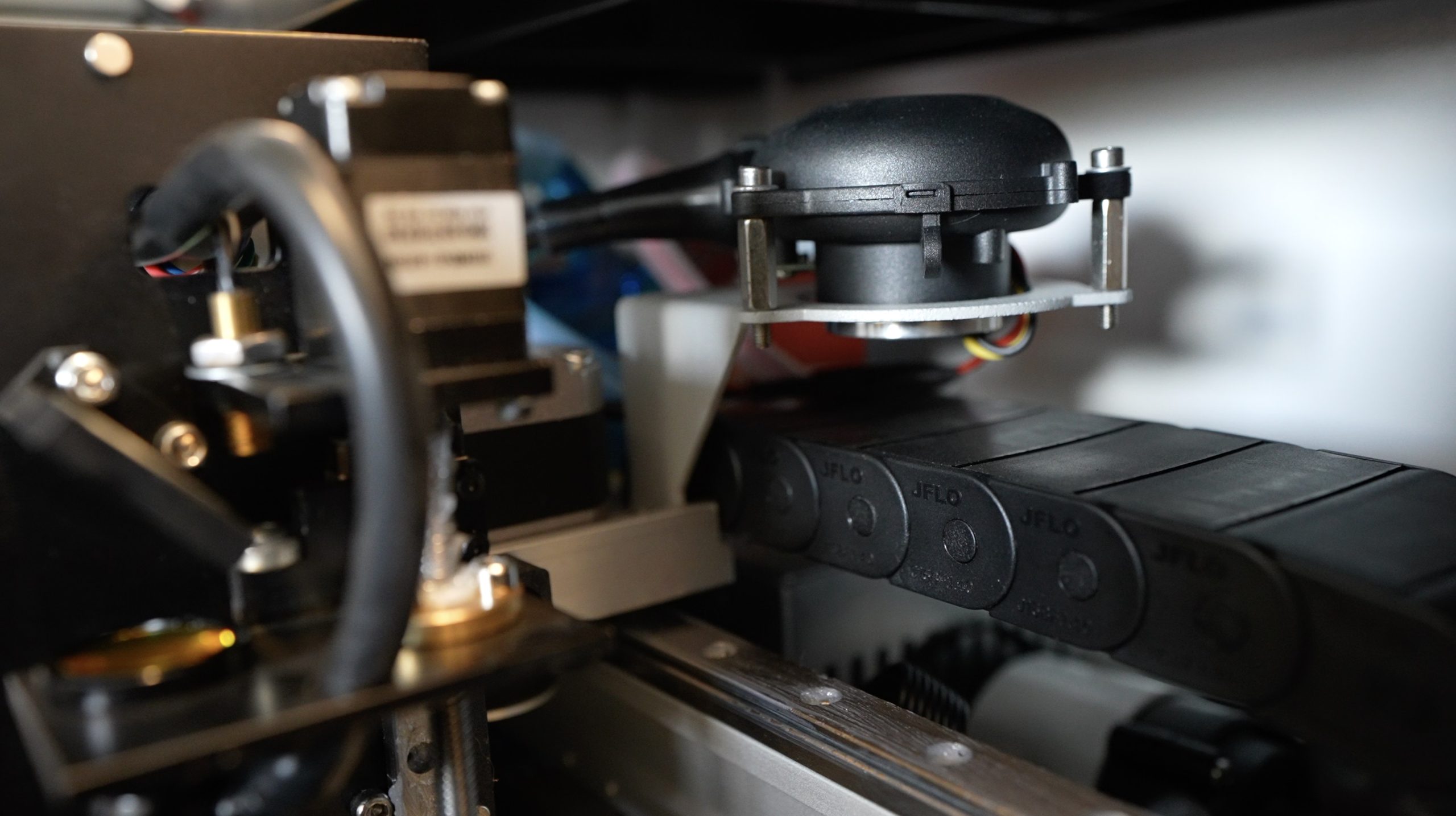
They’ve used really good quality components on the Gweike Cloud. It’s got linear rails for each axis, drag chains to support the tubing and cables and all metal covers and brackets.

Mirrors Used To Direct Light To Focus Lens

The laser tube’s cooling system and air assist are also all built into the enclosure, so you don’t need any additional connections to water tanks with aquarium pumps or air compressors.

The actual enclosure is sheet metal, so it’s rigid and durable, and the top is tempered glass. All around, it feels like a premium product, and one which some thought has gone into.

Camera For Positioning In Laser Bed

Other than removing the packaging materials, you just need to connect the air filter or exhaust fan to the outlet on the back and then connect it to your network or computer.

Using Gweike Cloud’s Online Software

To use their cloud platform, you connect the laser to the internet using WiFi or a wired Ethernet connection. They suggest using a wired connection if your machine is positioned further than a couple of meters from your WiFi network – I guess the all-metal enclosure reduces the WiFi range of the controller.

You then need to register an account and input your machine’s details. You’ll then be ready to start cutting and engraving from your browser.

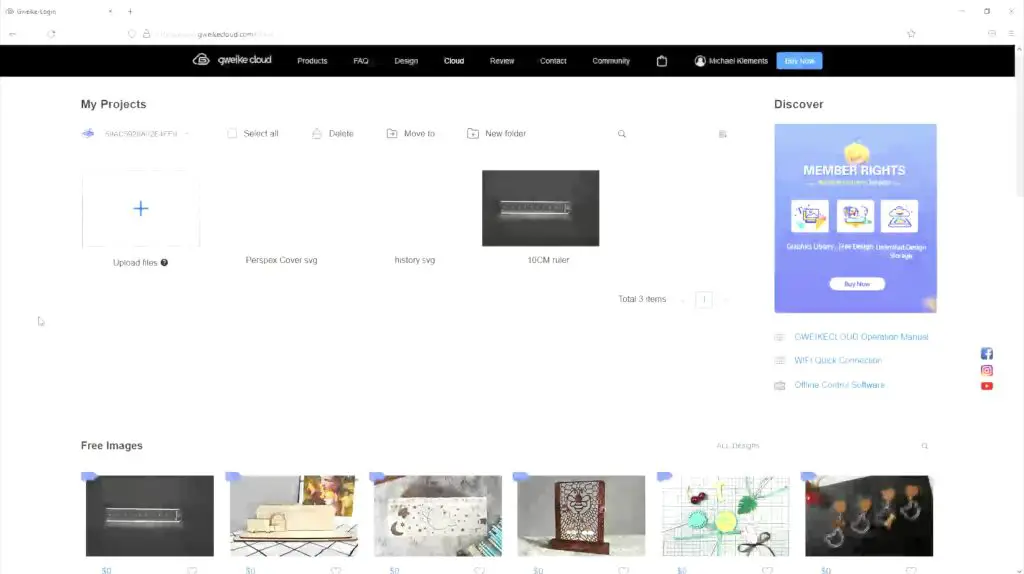
Gweike Cloud Online Software

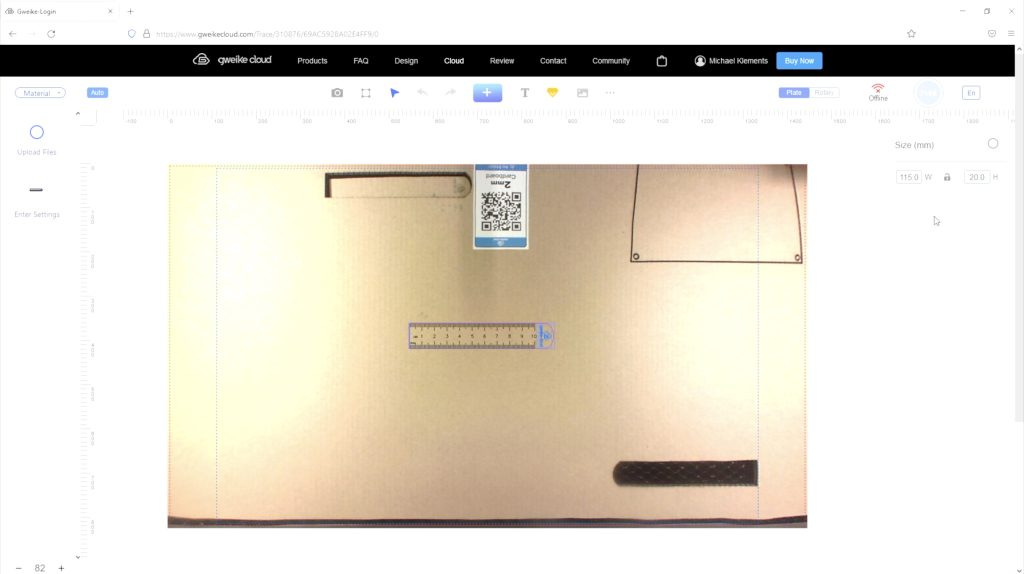
This works quite similarly to the Glowforge, you upload your file or choose from an extensive range of free online models, place the files into the print area using the built-in camera to guide the placement and then click print. The machine code is then sent to the machine and you can start your print by pressing the big button on the top, which goes green when ready.

Positioning Cuts With Online Software

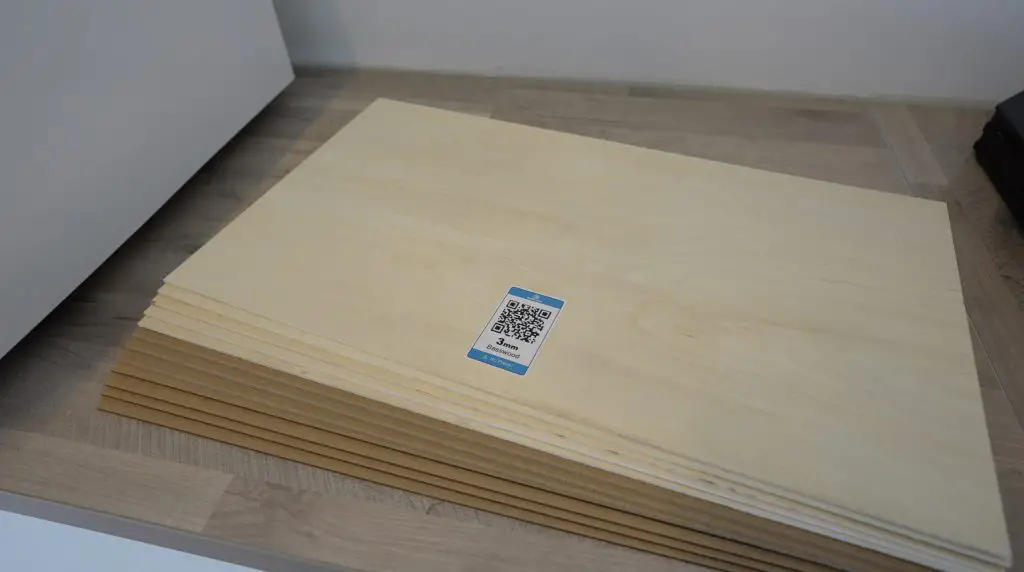
The machine also recognises their branded materials (available through their web store) using QR codes on each sheet. It’ll then automatically adjusts the focus and cutting or engraving settings to suite the material. So they’ve made it really easy to get started if you’re new to laser cutting and engraving.

Material Pack With Gweike Cloud Laser

I prefer using a local software package on a computer as I feel like this gives me better control over the settings. This machine works really well with Lightburn. So that’s what I’m going to use to make up the Raspberry Pi cases.

To use Lightburn, we just need to hook the laser up to a computer using the included USB cable, then install the USB driver and it’s ready to go.

Cut And Engrave Test File

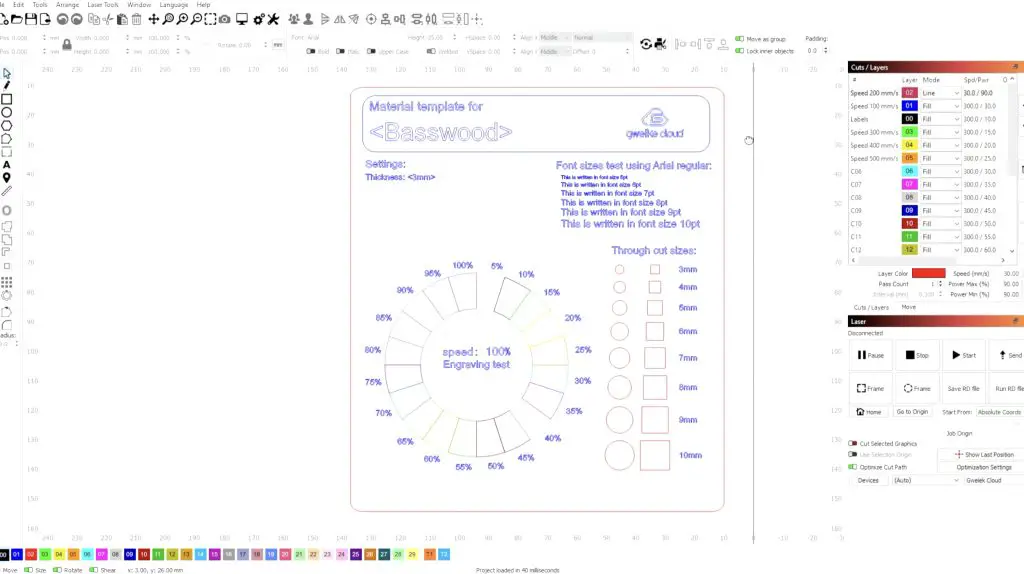
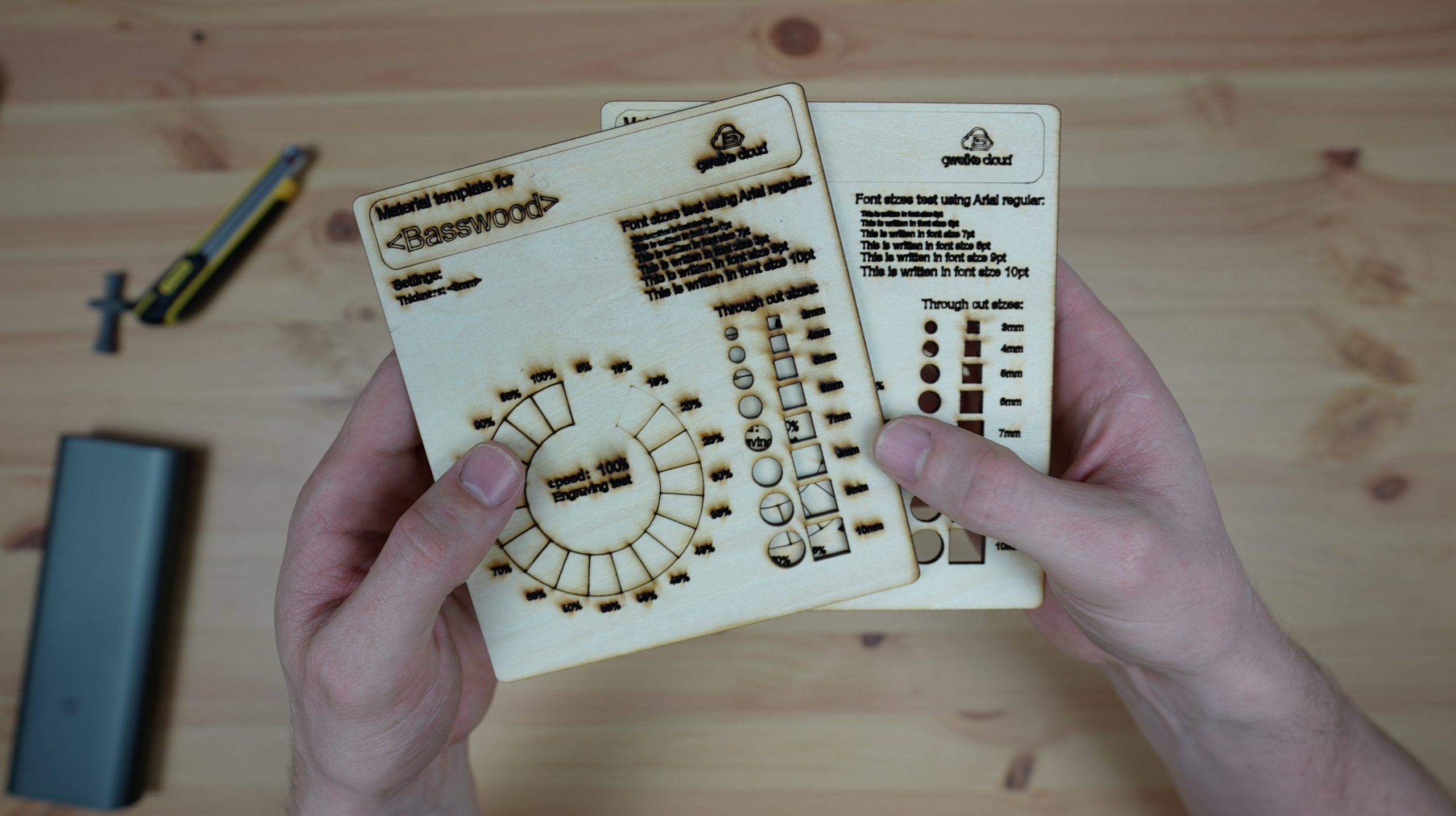
Gweike sent me a test file to try out first. This file demonstrates some of the cutting and engraving capabilities of the machine. The cutting is done at 30mm/s and 90% power and the engraving is all done at 300mm/s (this equates to 100% speed in their Cloud Software). The text is all engraved at 30% power and the engraving test ring starts at 5% power and increases to 100% power, with a 5% increase for each segment.

Test File In Lightburn

The speed of the Gweike Cloud is quite a lot faster than the Glowforge and my K40. The Glowforge is difficult to compare to as they only use a scale of 0-100% (they don’t use any actual metrics for speed), but articles I’ve found online suggest that the maximum speed is somewhere around 120-140mm/s. My K40 typically does 100mm/s for engraving and I use about 15mm/s for cutting plywood like this, so this machine is around three times faster at engraving and double the speed at cutting. Be careful when comparing these values with diode lasers as they typically quote their speed in mm/min, not mm/s like this. So when diode lasers say they can reach 10,000mm/min, that’s only a little over 160mm/s, so this machine is faster than most diode lasers available at the moment as well.

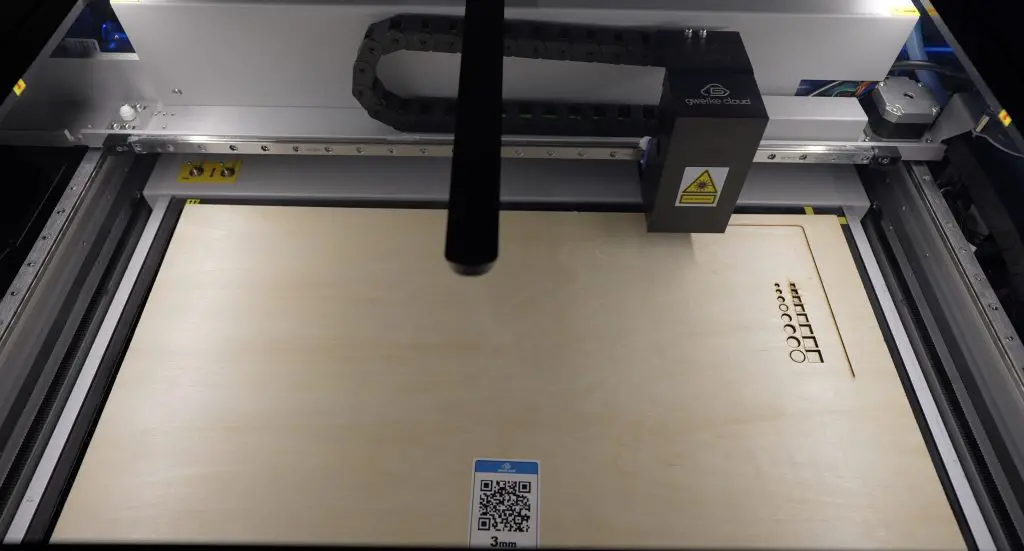
Cutting The Test File Using Lightburn

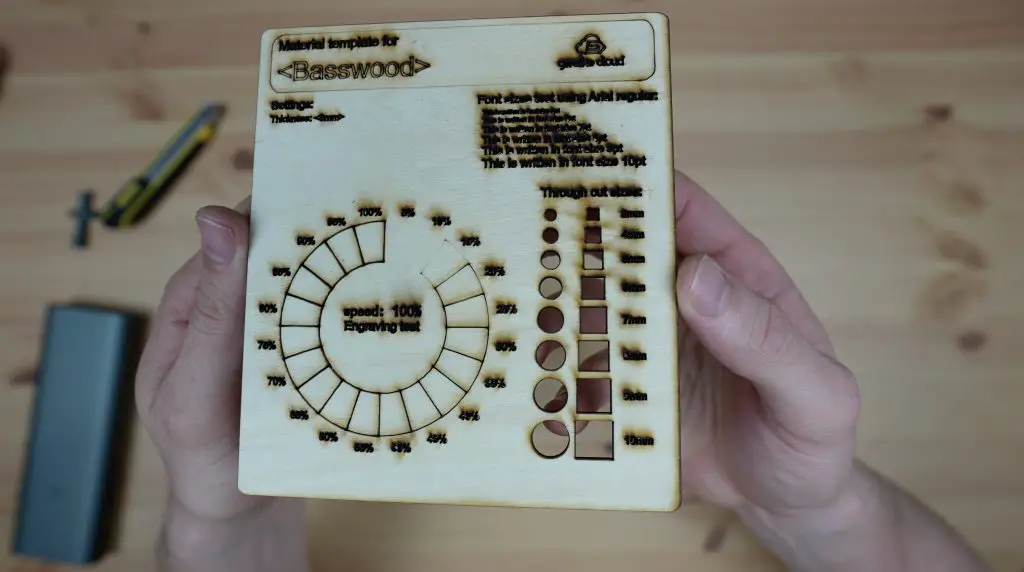
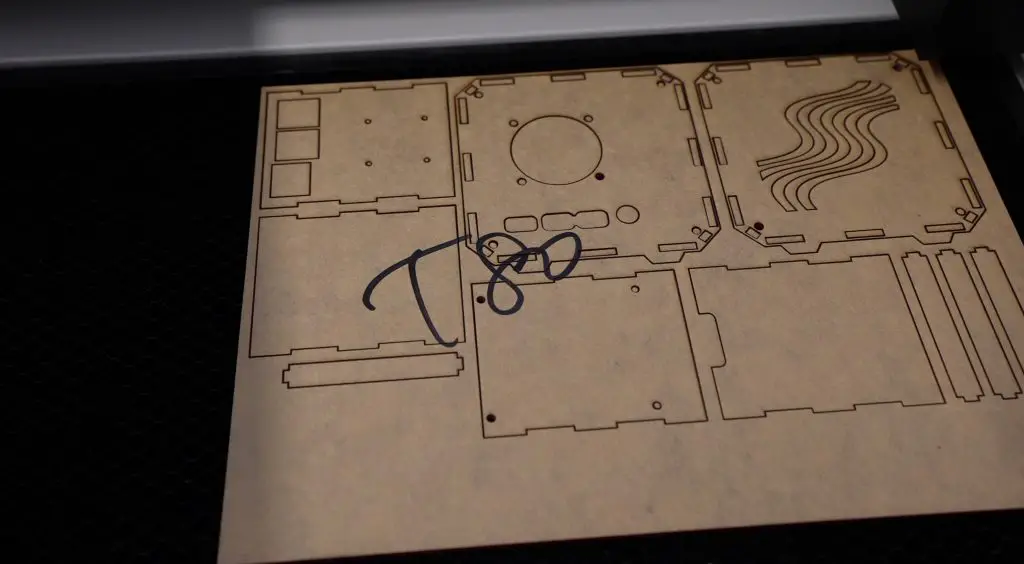
The first test using the default settings seemed to be overpowered on the text engraving, it burnt almost all the way through the wood and was virtually unreadable.

First Test File

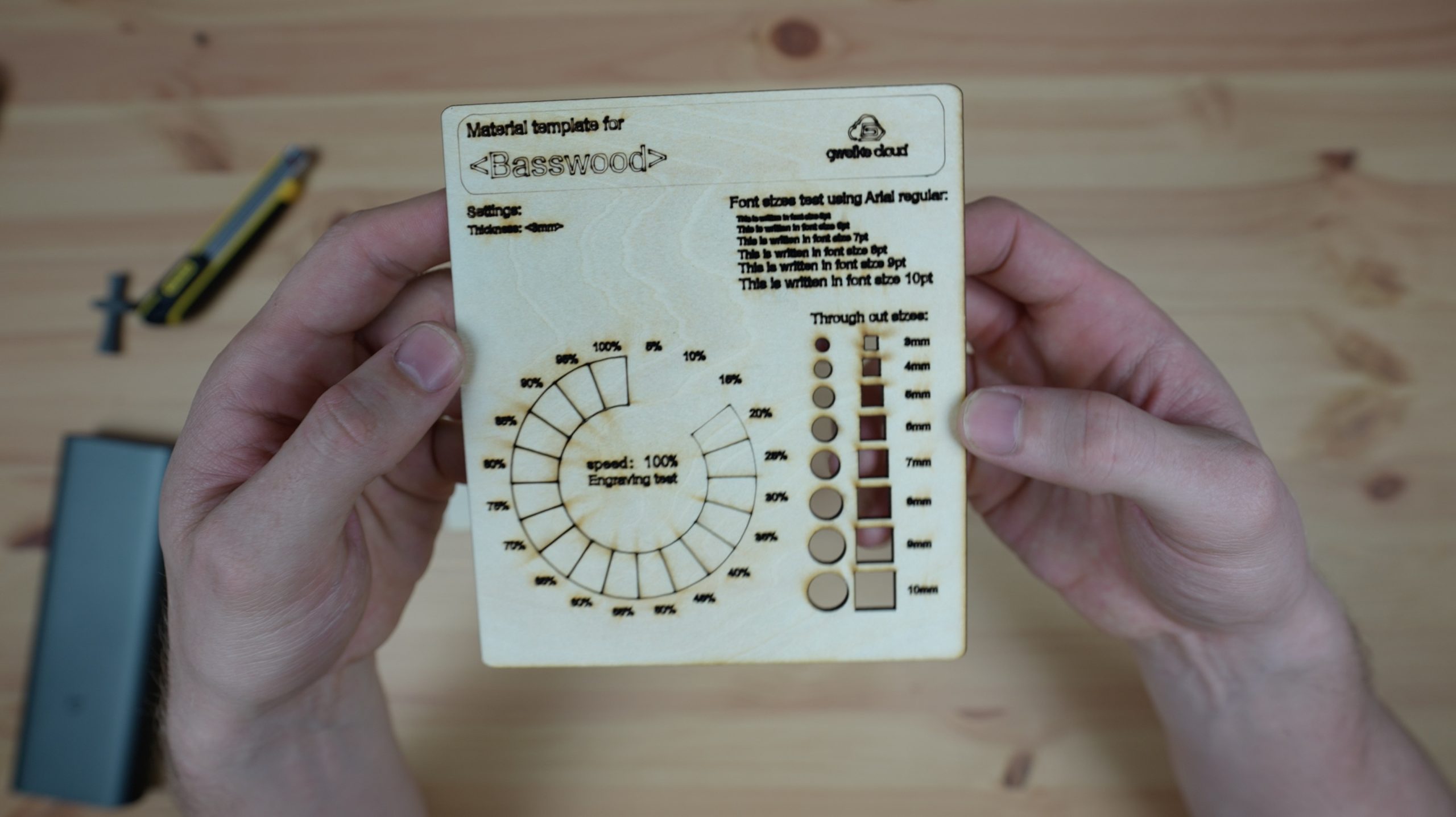
I did a second test at the same speed but with the power reduced to just 18% and I turned off the air assist to reduce the smoke marks around the engravings.

The second test file came out much better than the first.

The fully enclosed cutting area and strong ventilation system work really well, There was no leakage into my workshop and no visible buildup of smoke within the machine either, even when producing quite a lot of smoke during cutting.

Ventilation Fan Removing Smoke From Enclosure

For me, I’m less interested in the speed and more interested in the quality and accuracy of the cuts. I’m not mass-producing anything, so I’d rather slow the machine down and get better quality work, even if that takes a few extra minutes.

Designing & Cutting The Raspberry Pi Case Components

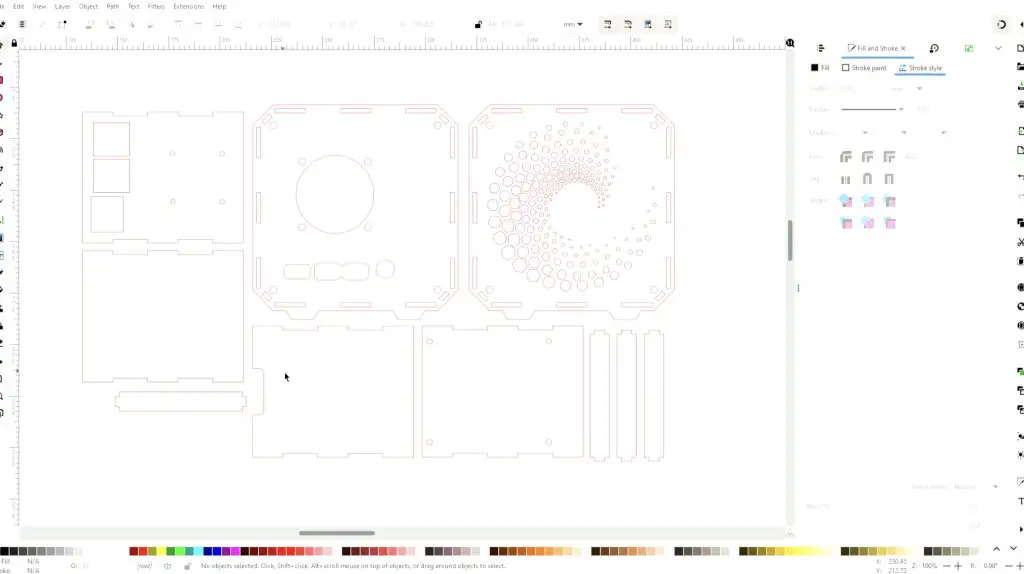
For the design of the cases, I sketched up the components in Inkscape.

This is based on my 3D printed design but replaces the 3D printed housing with some interlocking acrylic parts. These will test the accuracy of the laser’s cuts as they fit together with 0.1 – 0.2mm tolerances and the parts need to fit the electronics that we’re going to be installing into the case as well. I also redesigned the ventilation panels for the sides opposite to the cooling fan to change things up a bit.

Inkscape Case Design

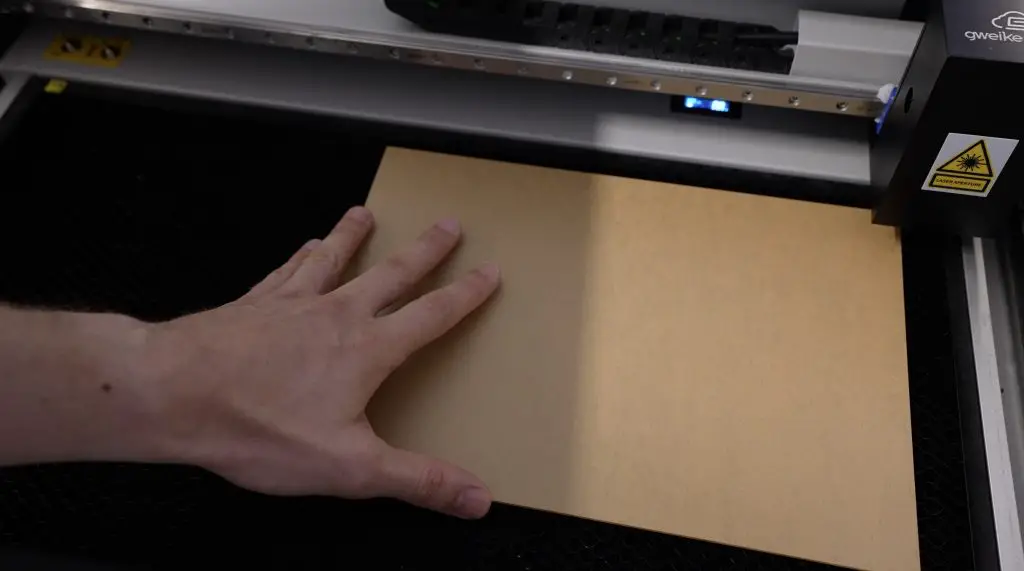
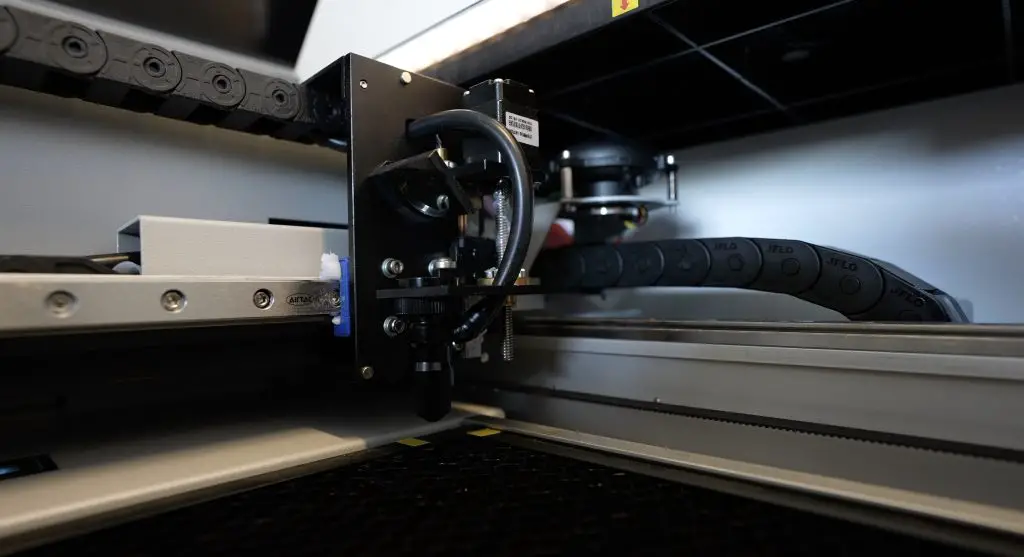
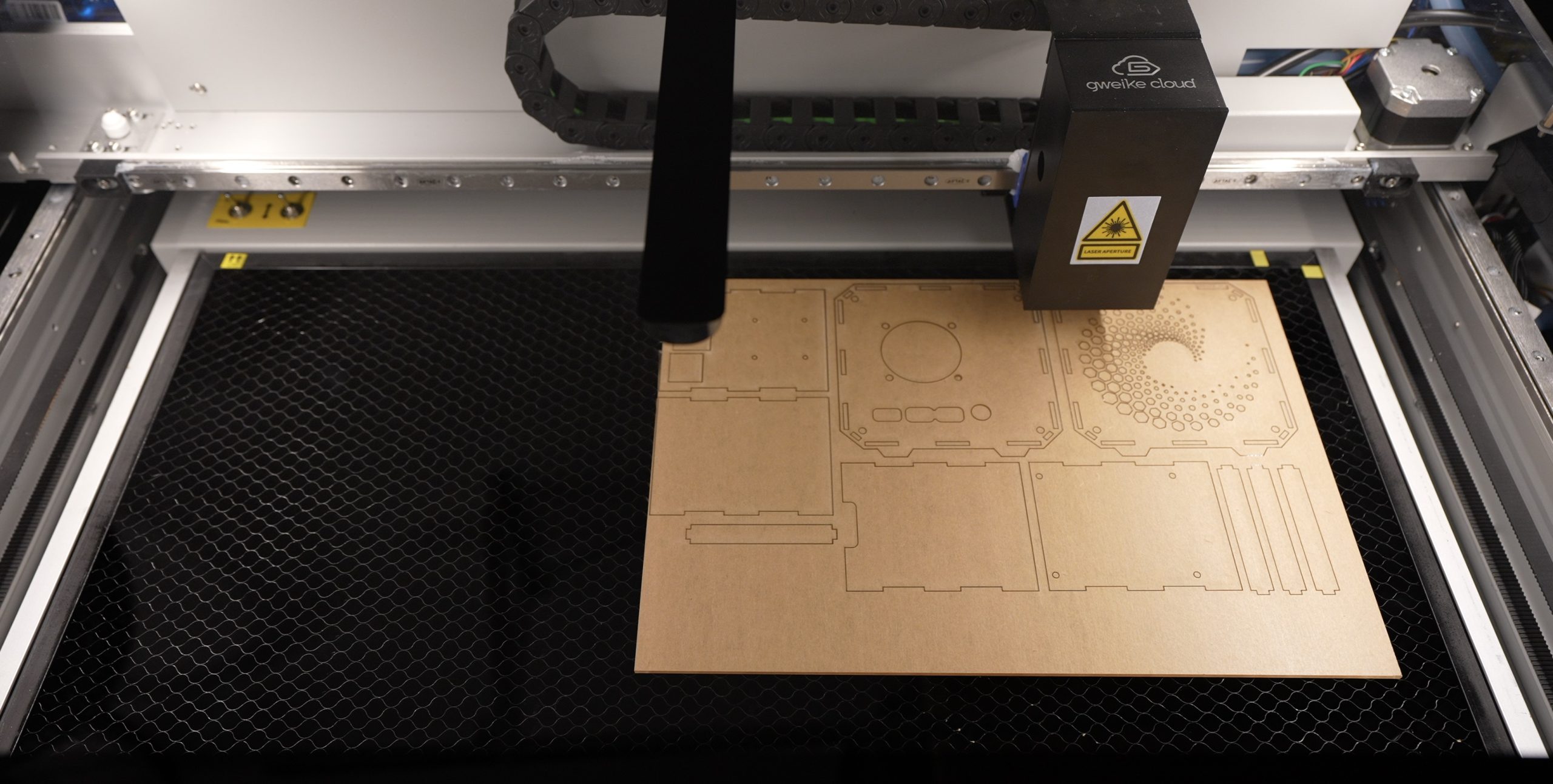
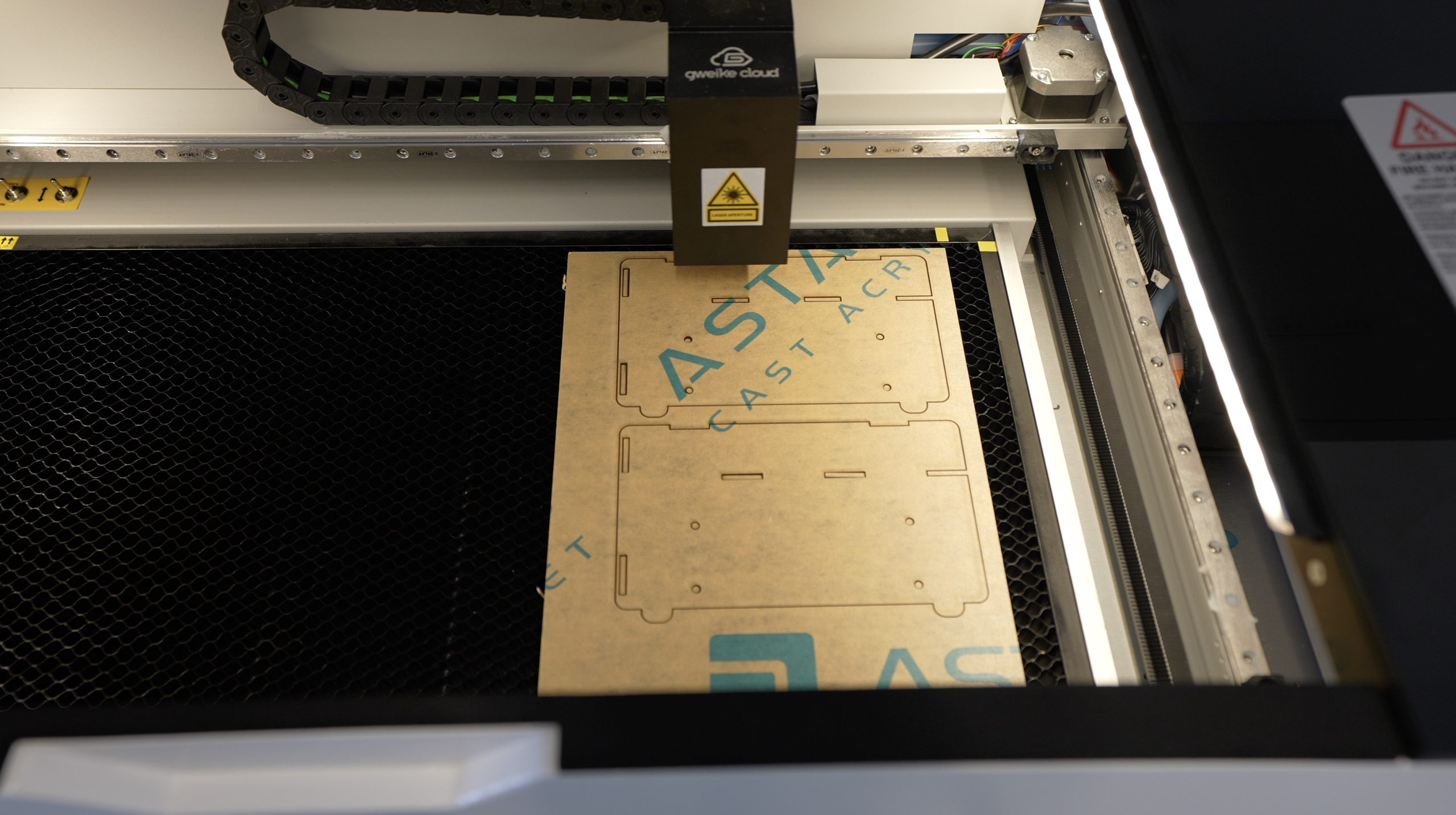
With the design done, we can load it into Lightburn and get them cut out. Each case fits onto an A4 sheet of acrylic, which easily fits into the 510mm x 290mm bed of the Gweiek Cloud. I could even use an A3 sheet and cut three cases out in one go. It’s got a 50W CO2 laser than sits within a metal housing on the Y-axis gantry. The laser is then directed through to the lens by a series of mirrors as with most CO2 laser designs.

A4 Sheet Loaded Into Gweike Cloud

The Gweike Cloud can handle materials with a maximum height of 51mm and can handle materials that are longer than the bed of the machine through a pass-through slot in the front like the Glowforge Pro. This function is interlocked for safety, so you’ll need to actively bypass the interlock in order to use it, but it’s nice that it is an option.

I’m going to cut the cases out of a couple of different colours.

First up I’ll cut this design from 2mm clear acrylic.

They advertise the machine as having autofocus, although this is not quite automatic. It works automatically when using their cloud software and their branded materials with QR codes. The machine automatically recognises the code on the material and then adjusts the laser height to suit. When using it offline and with your own materials, you’ll need to set the focus height manually in Lightburn. The height adjustment of the laser head is done electronically though, so you don’t have to do it by hand.

Autofocus Mechanism On Gweike Cloud

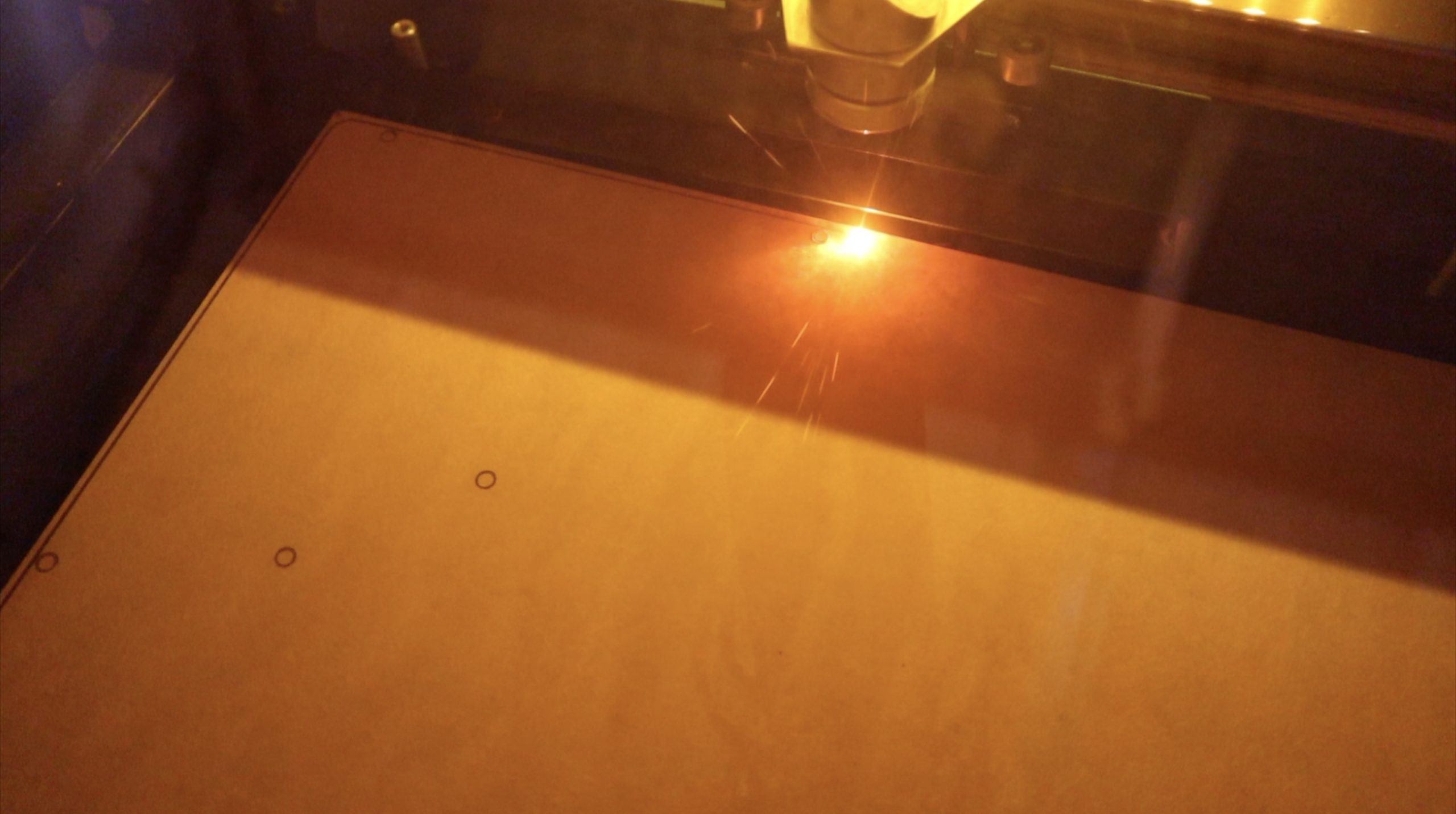
The machine breezed through the 2mm acrylic at 70% power and 30mm/s in a single pass.

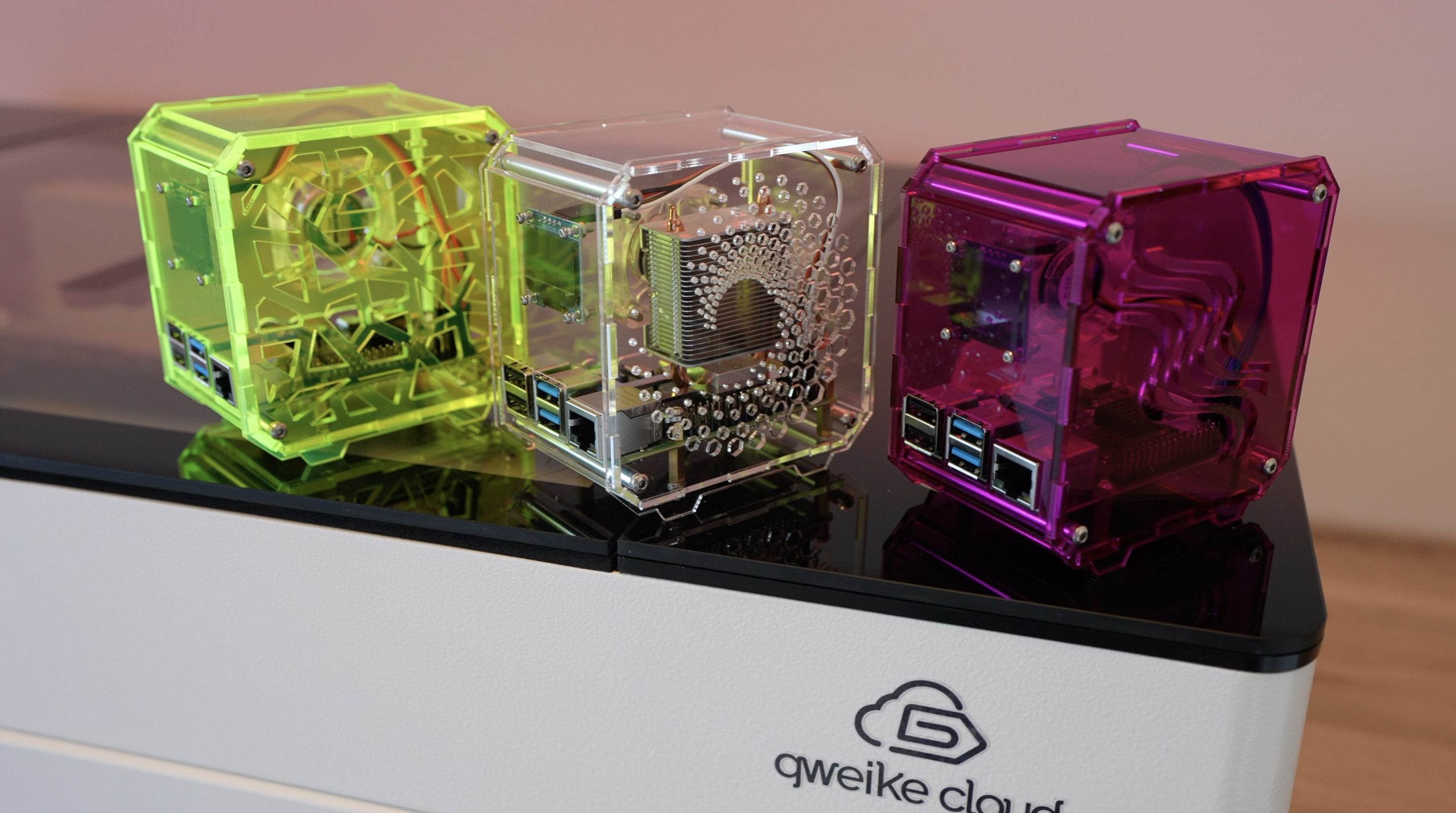
I then cut the two other designs from 3mm coloured acrylic, one from fluorescent green and one from translucent purple. The thicker acrylic required a bit more power but it still managed this at 90% power at the same speed.

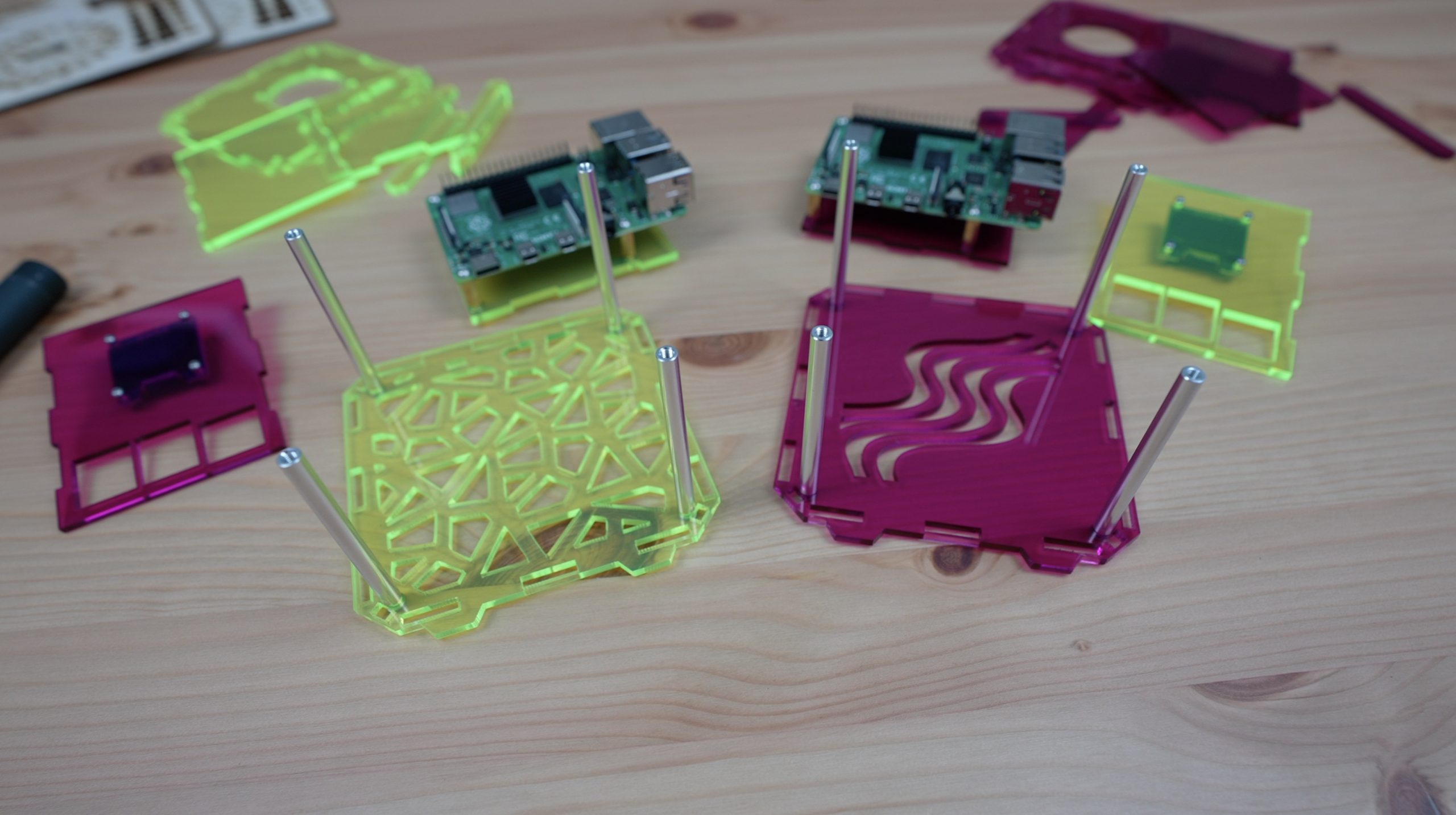
Components Cut From Coloured Acrylic

You could also easily cut the same design from plywood or even cardboard, so you’ve got loads of options. The machine can handle most wood-based sheets like plywood and MDF as well as acrylics and fabrics. They also say that it will cut rubber and plastics although you need to be careful with these as some plastics produce harmful fumes when they’re cut.

I think that the acrylic panels have come out really nicely, next we’ll see if they fit together well.

Assembling The Raspberry Pi Cases

I’ll run through the assembly of the clear Pi case, but the coloured acrylic is the same process as well. The only difference between the two designs is the thickness of the slots that are cut into the main side panels.

Raspberry Pi 4B

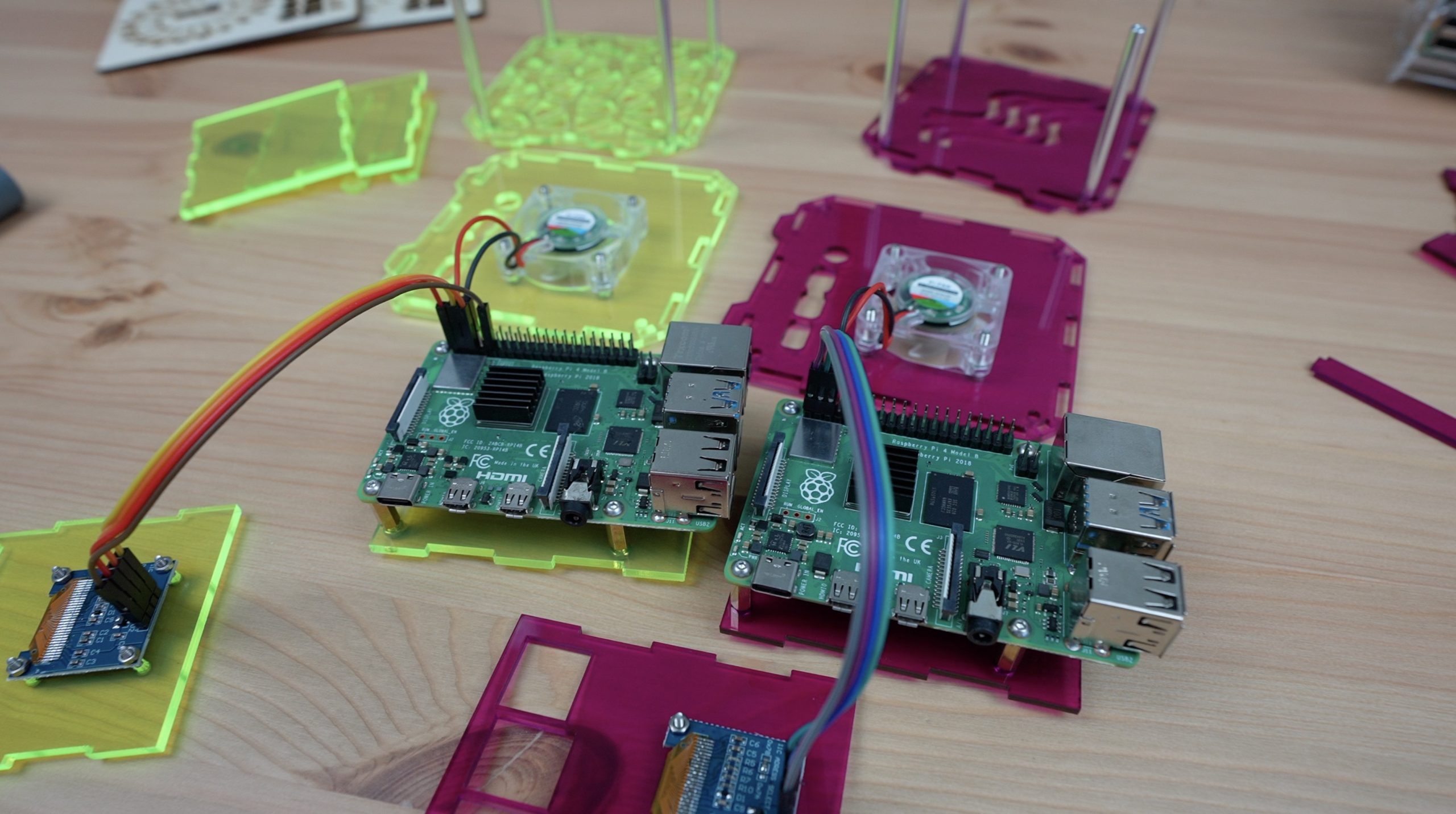
To assemble the case, let’s mount the Raspberry Pi onto the bottom panel using some M2.5x12mm brass standoffs held in place with an M2.5 nut on the bottom of each.

Standoffs Installed On Base

We’ll then hold the Pi in place with the 6mm standoffs that came with the heat sink assembly.

Raspberry Pi Installed On Standoffs

I’m going to use four 70mm standoffs to hold the two main sides together. If you don’t have 70mm standoffs, you can make them up using a combination of smaller standoffs from your kit (20mm + 20mm + 20mm + 10mm etc.). The side panels will then hold all of the other smaller sides in place.

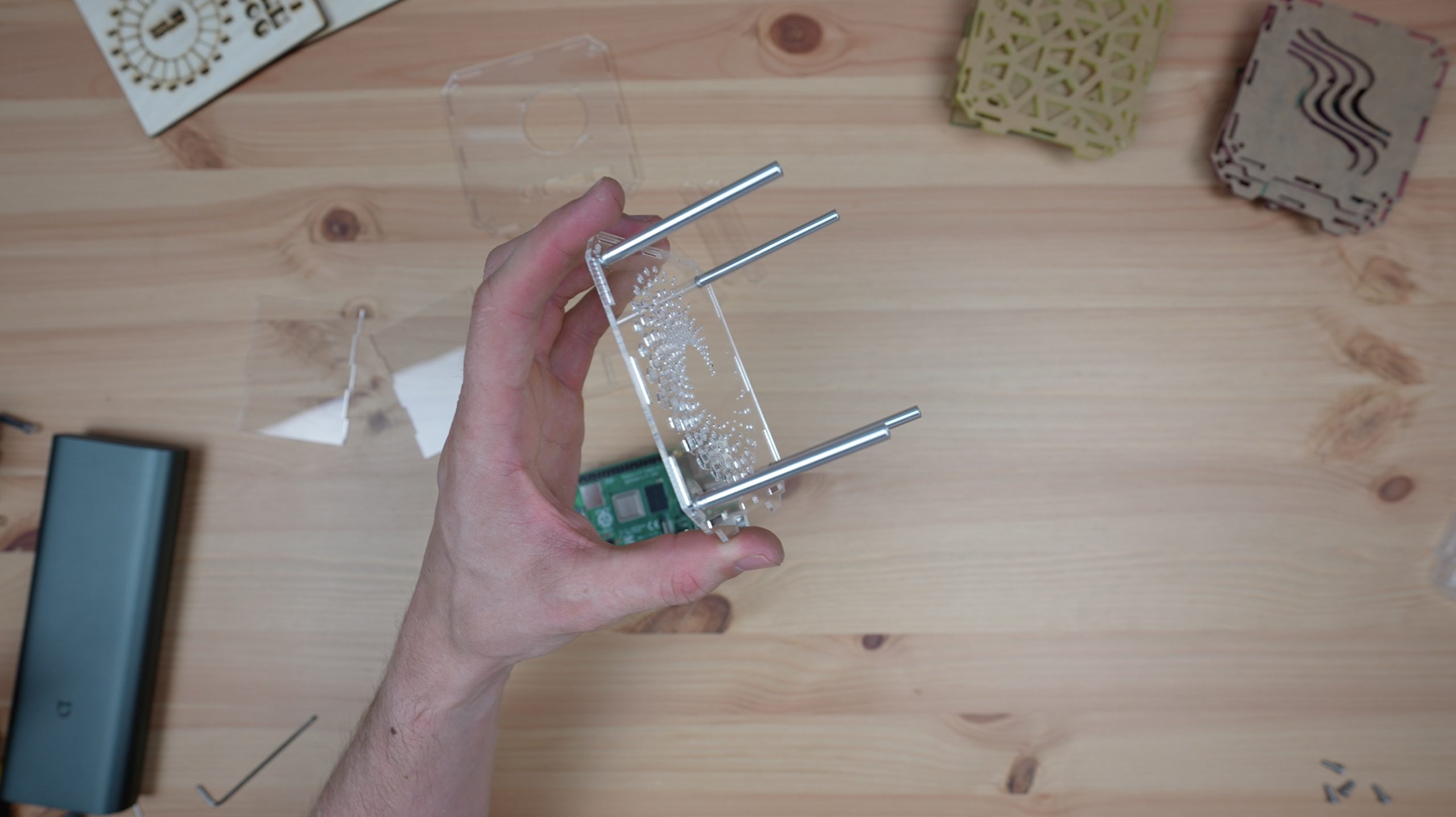
Standoffs Used To Hold Side Panels In Place

To start, let’s screw these standoffs in place on the ventilation side panel using some M3x8mm screws. If your standoffs are all male to female then just use an M3 nut to secure them on the back of the case.

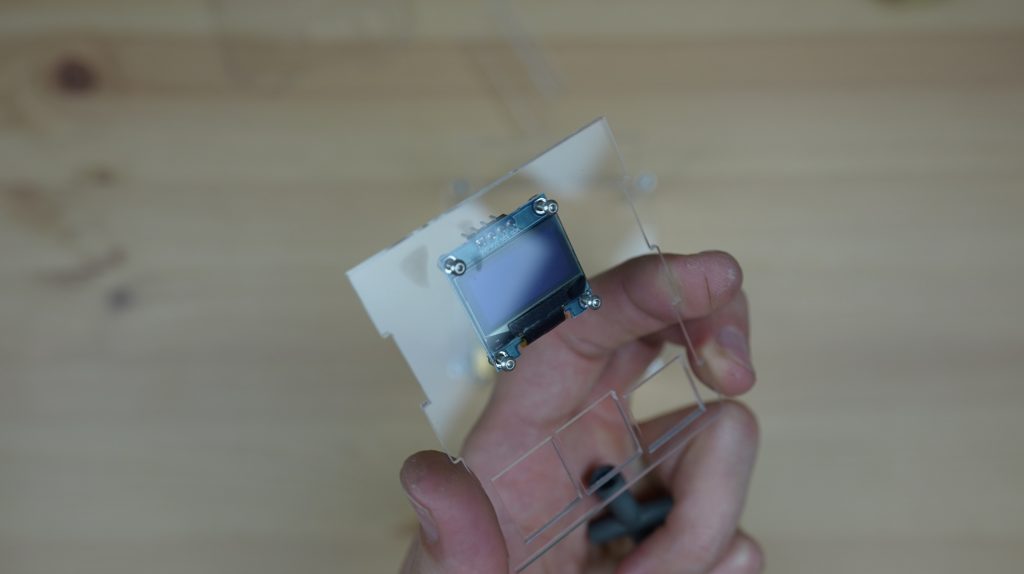
The OLED display can then be mounted onto the front panel with some M2 x10mm screws and M2 nuts. Be careful not to over-tighten these nuts or you might crack or damage the display. They should just be tight enough to hold the display in place.

Display Installed On Front Panel

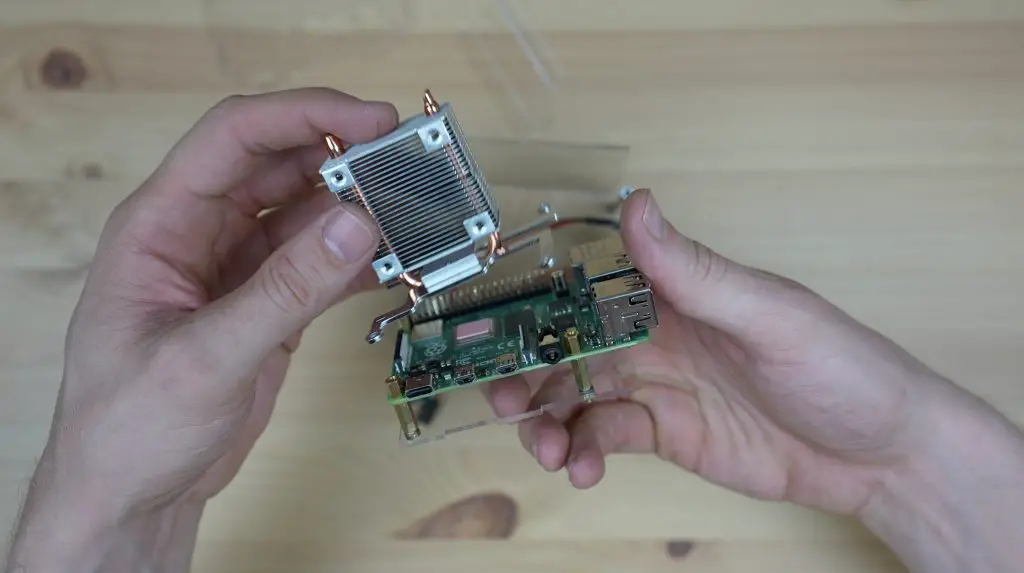
We can then mount the heat sink on our Raspberry Pi, making sure to put the cooling pad into place first.

Heat Sink Being Installed On Raspberry Pi

I’ve removed the fan from the side of the cooler and pressed some M3 nuts into the pockets on the face of the fan.

M3 Nuts Pressed Into Fan Pockets

We can then mount the fan onto the side panel using the same M3 screws.

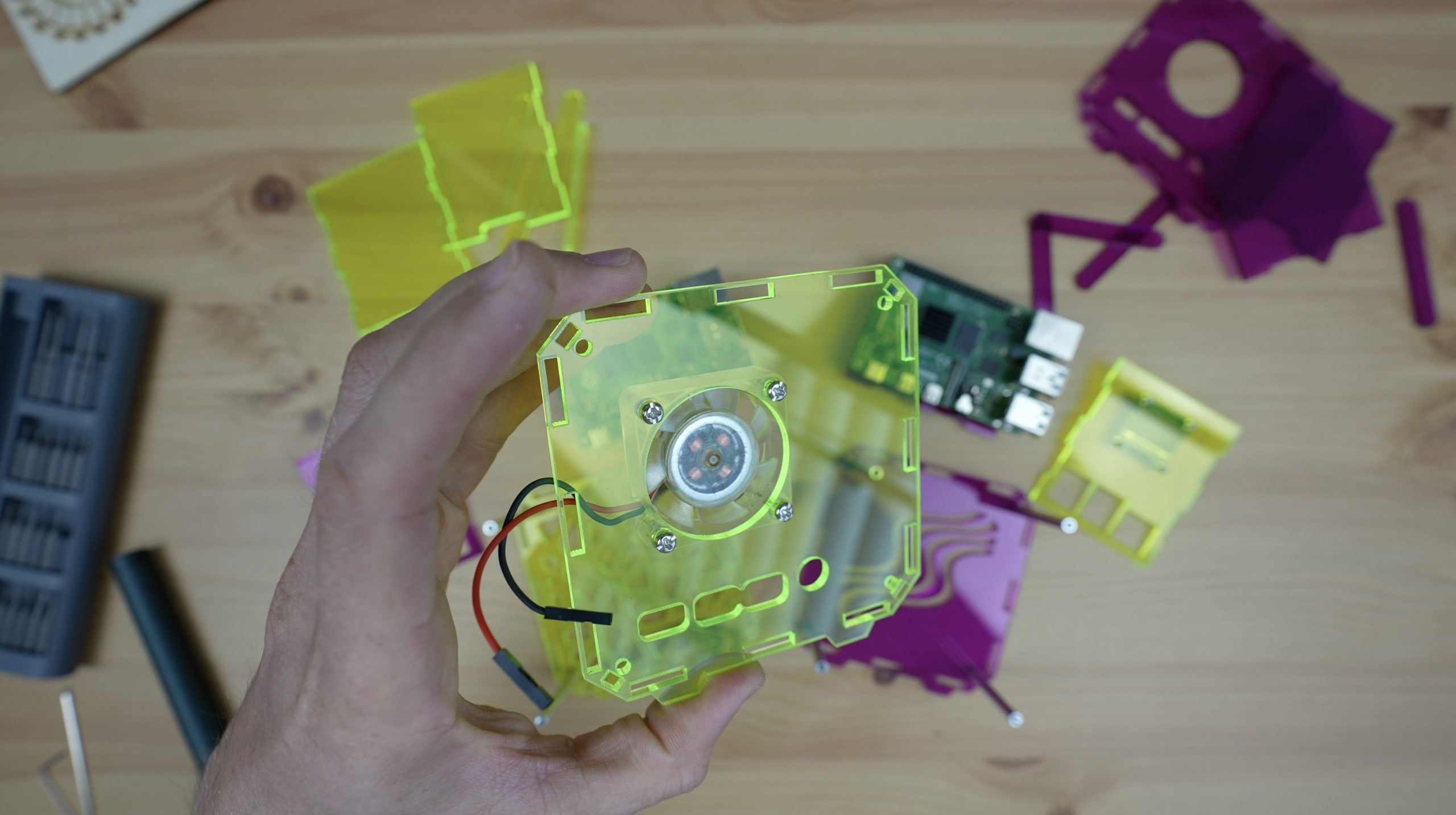
Fan Screwed Onto Acrylic Side Panel

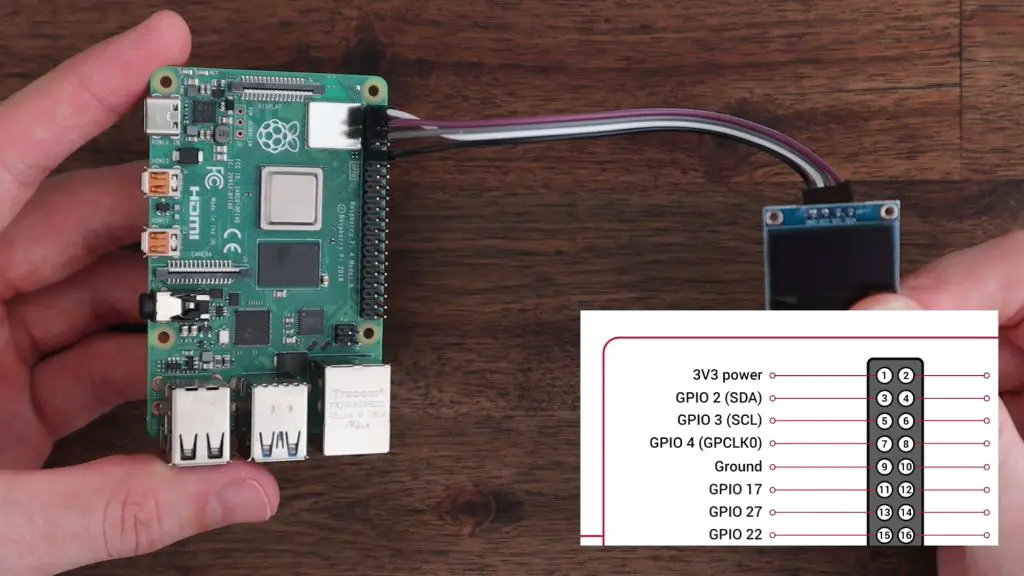
Next, let’s plug in our fan and display and put their panels into place. I’m connecting the fan to 5V and GND and I’m connecting the display to 3.3V, GND, SCL and SDA. Take a look at my guide on connecting an OLED Stats display to a Raspberry Pi for more information on this.

SDA and SCL Connections To Raspberry Pi

The rest of the panels can then be put into place, and we fill in the corners with the smaller pieces.

Inserts For Case Corners

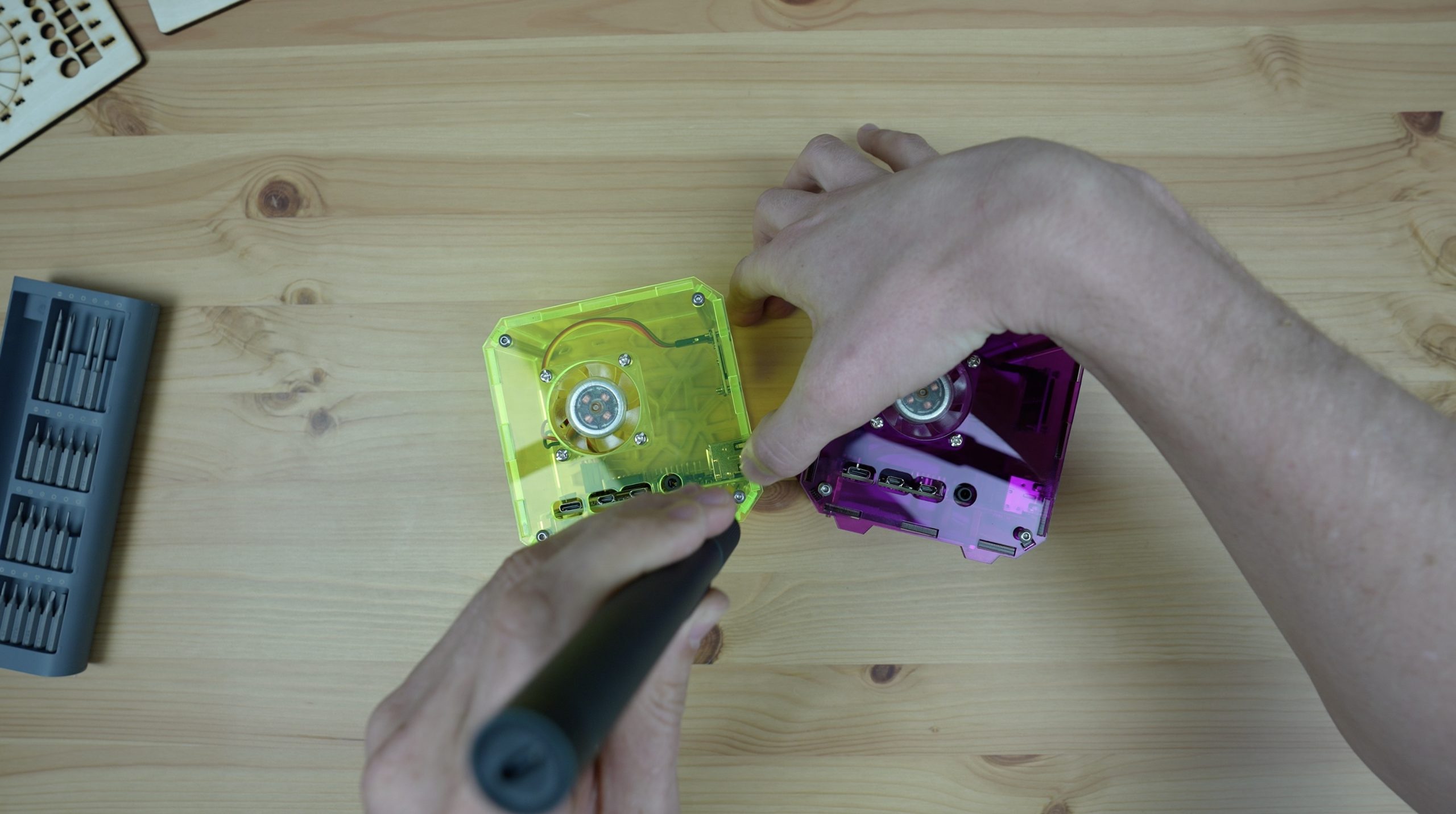
The fan panel can then be secured with some M3x8mm screws to lock the smaller sides into place. You may need to wiggle the sides around a little so that the slots all line up with the main panel. Try not to force them into place or you might crack the thin edges of the slots.

Side Panel Installed To Hold Case Together

That’s the case finished up, now we just need to boot it up and load the script for the display.

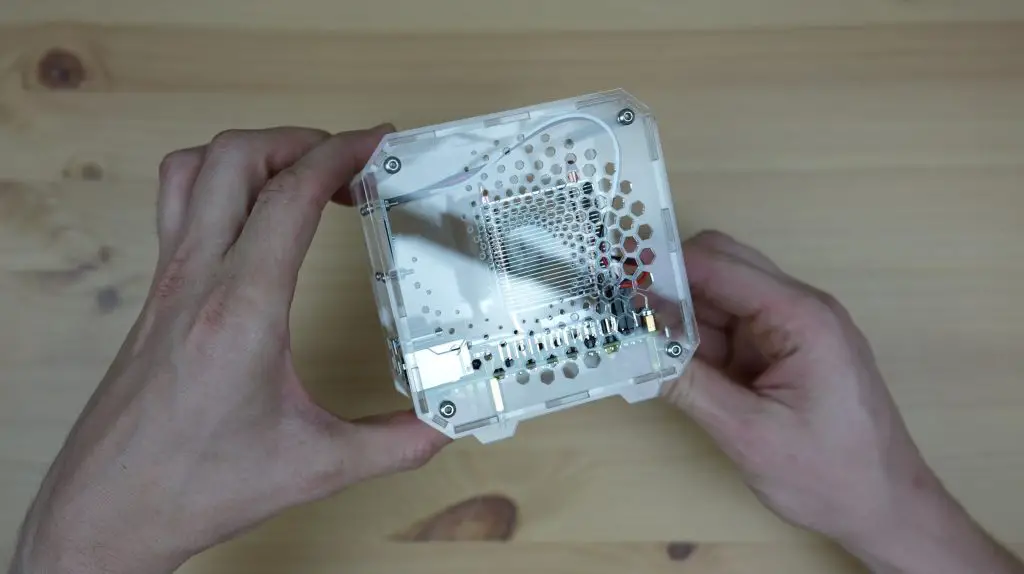
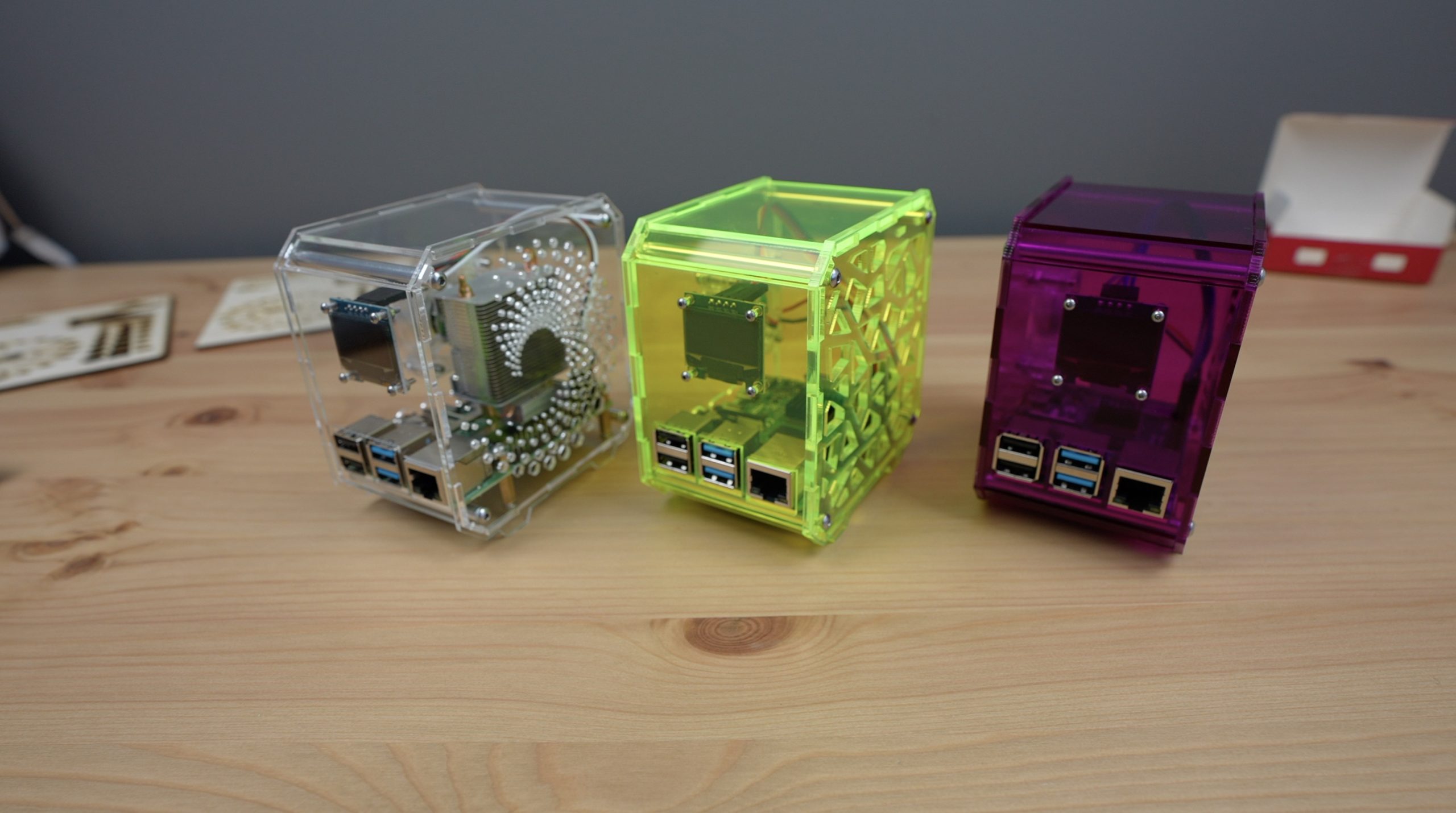
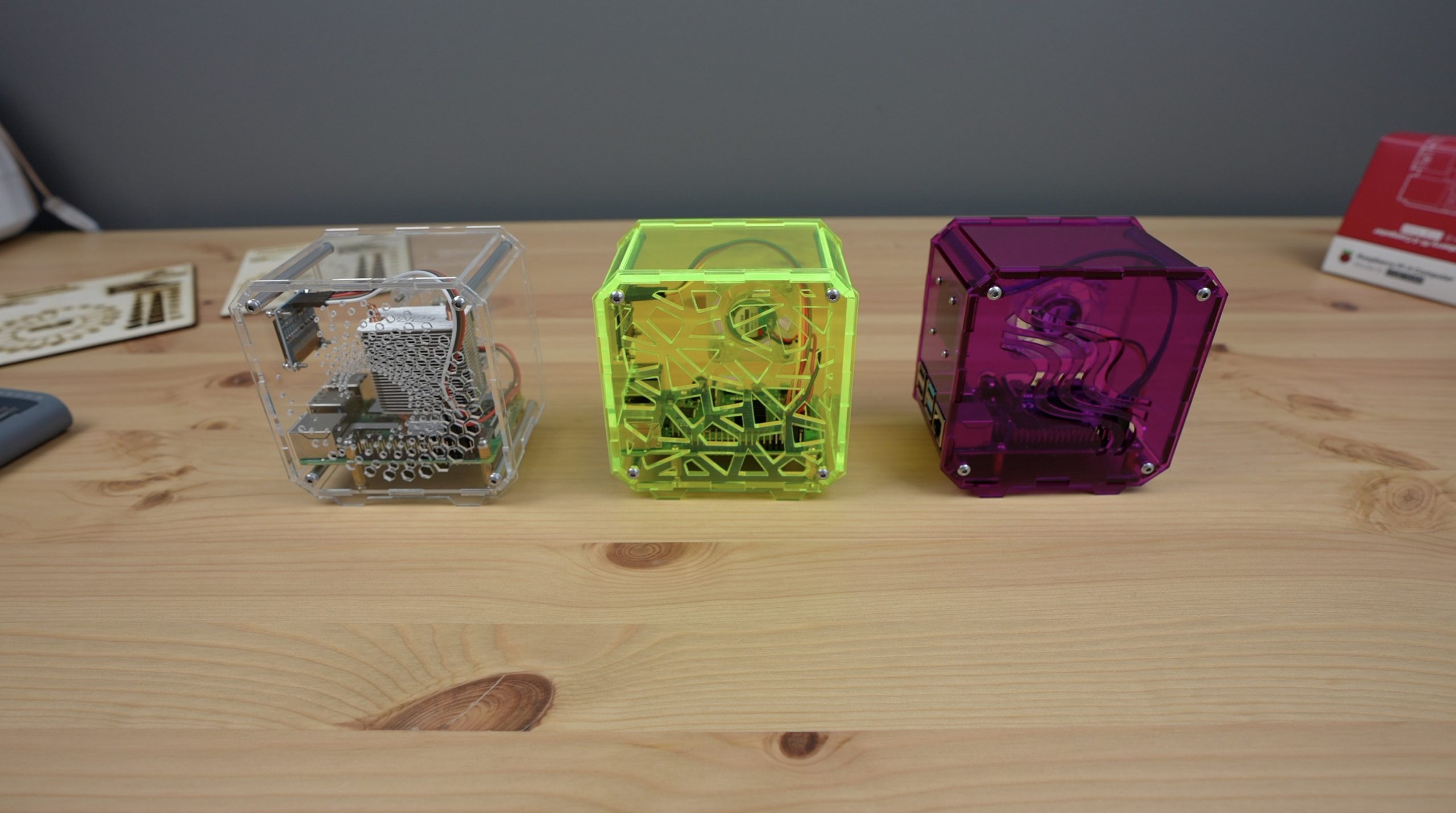
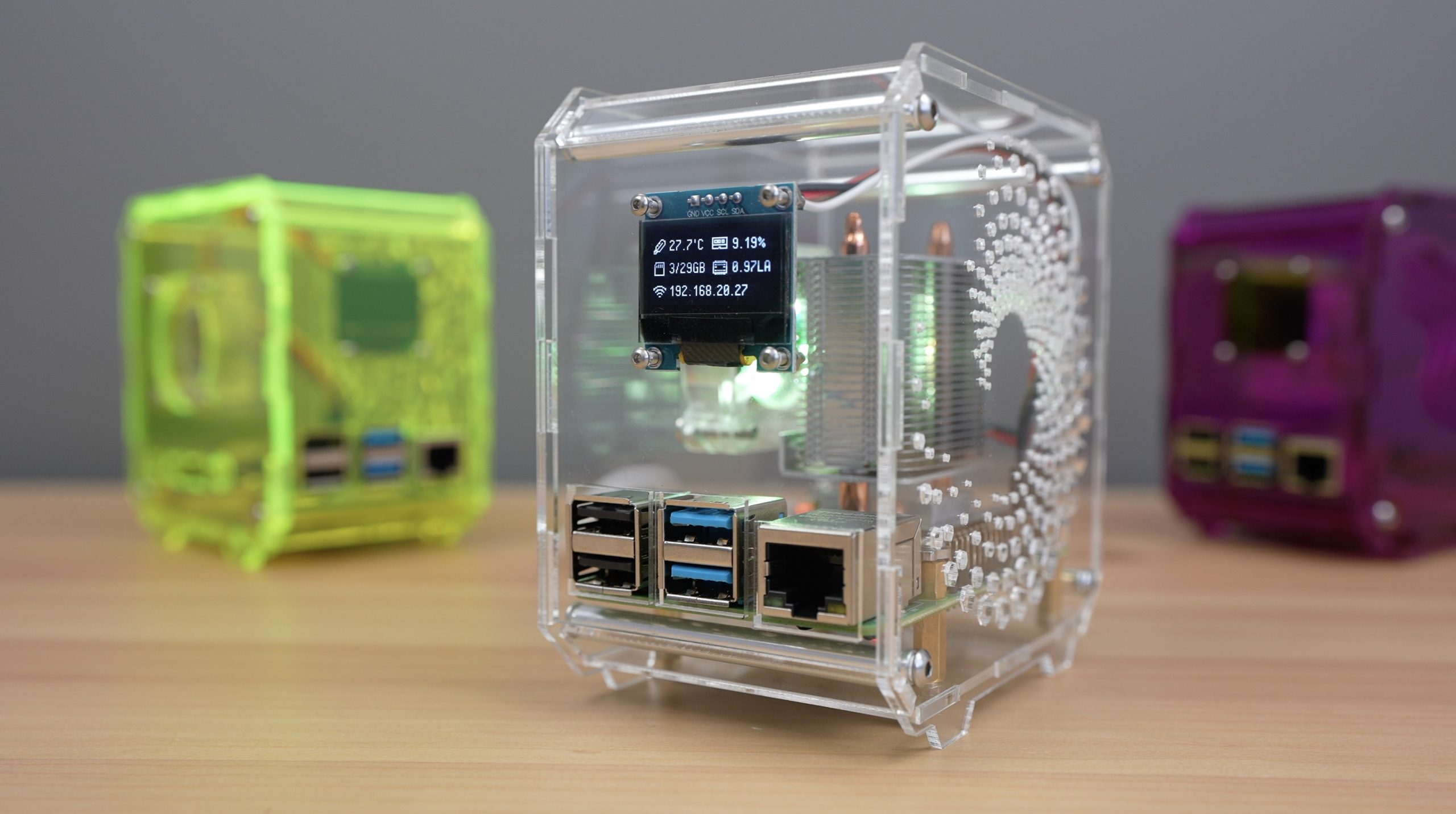
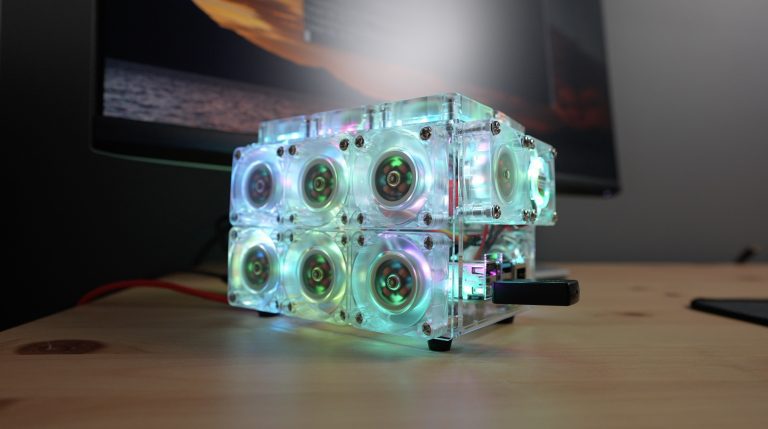
Completed All Clear Raspberry Pi Case

I’ve put together the two coloured cases in the same way.

I really like the look of the clear design with the new ventilation pattern. Let me know which case is your favourite in the comments section below.
Final Thoughts On The Gweike Cloud

Through my first few weeks of using the Gweike Cloud, I’m really enjoying the larger cutting area and the ease of use of the machine. I’ve found the Cloud Software to be a little unrefined (the machine often shows up as being offline, even with a wired connection) and I don’t really like things like the speed being in percentages. The machine works flawlessly with Lightburn though, which is what I’d be using it with in any case.

As for spare parts and servicing of the machine, Gweike have a technical support and service team that they say can help with supplying spares. It looks to me like this machine is built around fairly standard components for the industry though. The enclosures and brackets etc. are obviously all custom made, but the parts that are likely to wear out or need to be replaced look quite generic, so you likely wouldn’t have trouble finding replacements for them.

Spare Parts For Gweike Cloud Laser

So for basically half the price of the Glow Forge for a similarly spec’d machine with the ability to be used offline with Lightburn, I’d say that this is a fantastic alternative and I’m certainly looking forward to using it for my projects going forward.

Let me know what you think of the Gweike Cloud laser, or if you’ve got any questions on it in the comments section below. Take a look at their web store if you’re interested in getting one of their lasers and if you use my discount code MK200, you’ll get $200 off.
Raspberry Pi NAS vs. Asustor Drivestor 4, Is It Better to Buy or DIY?

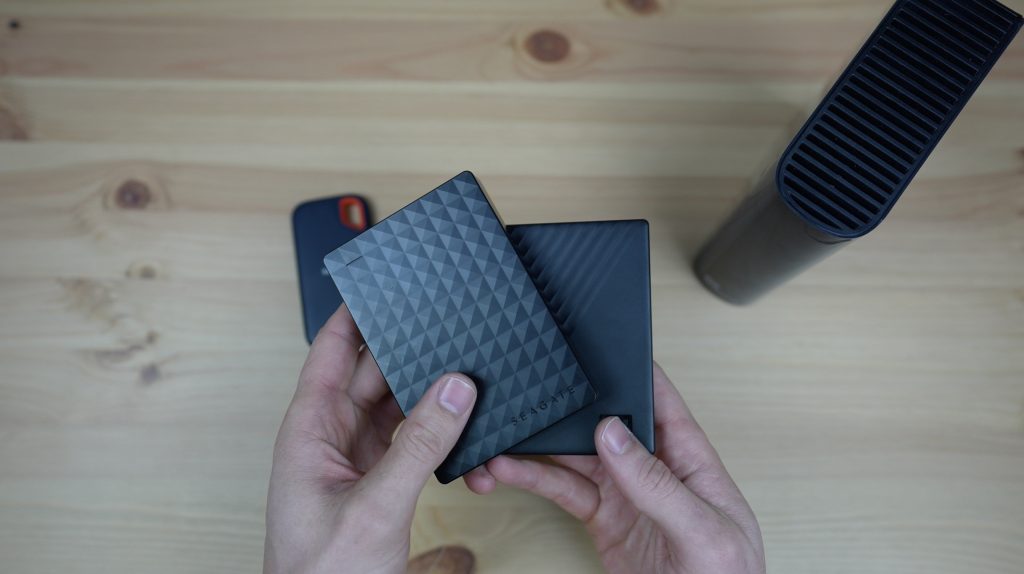
My current file storage system is a bit of a mess. I save my current video editing libraries on an SSD, I dump the archived libraries along with photos and documents onto a larger capacity hard drive and I have a few other smaller drives for on-the-go use and some backups. Mixed in with some cloud storage, it’s difficult to keep track of what lives where and when last it was backed up.

External Drives Used To Store Data

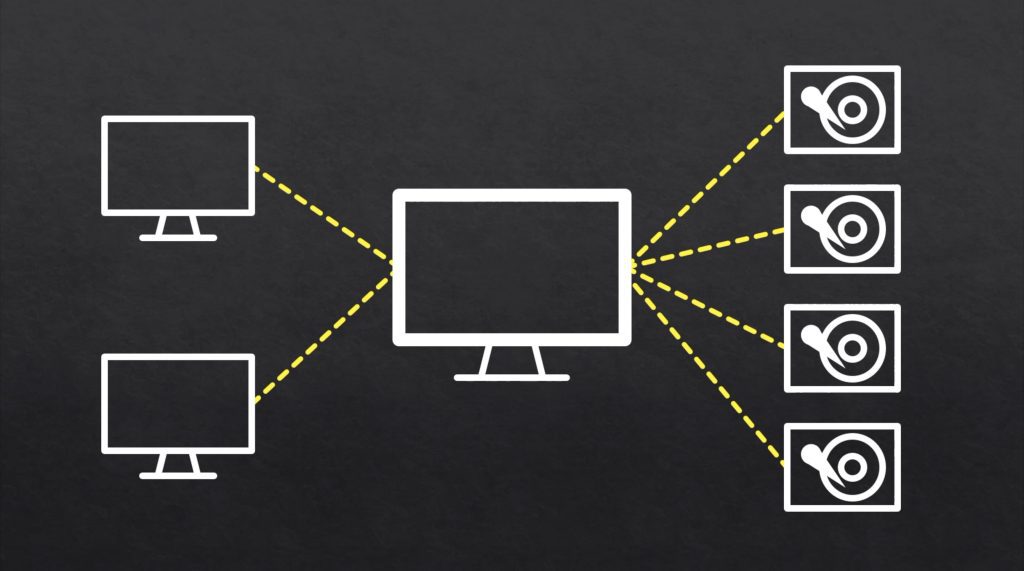
So I could really do with a NAS or Network Attached Storage device. A NAS is essentially a small computer that is hooked up to one or more storage drives to act as a sort of file server on your network, allowing you to access your files from any device. It can also be set up to manage and automate backups, so you’ll be at much lower risk of data loss.

Basic NAS Set Up

A Raspberry Pi can be used as that computer, so for this project, I’m going to see if I can build my own NAS that performs as well as a purpose-built NAS that I could buy online.

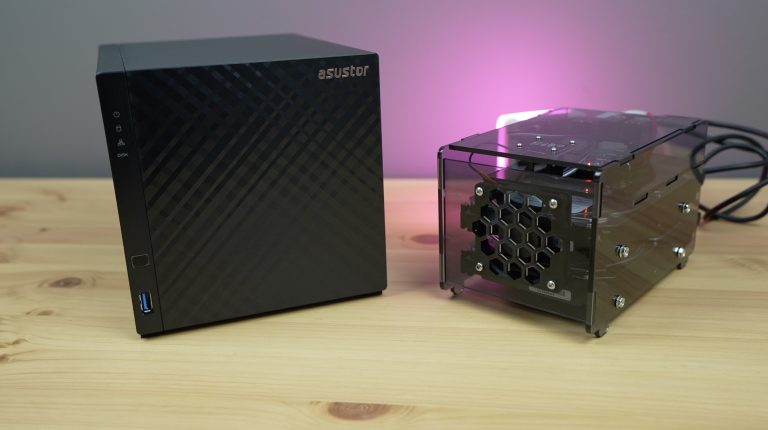
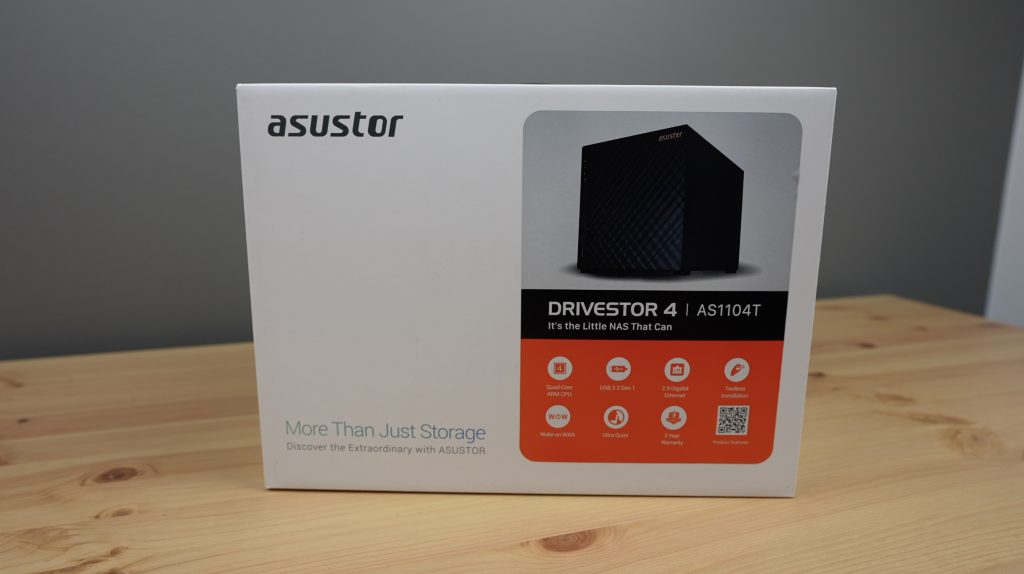
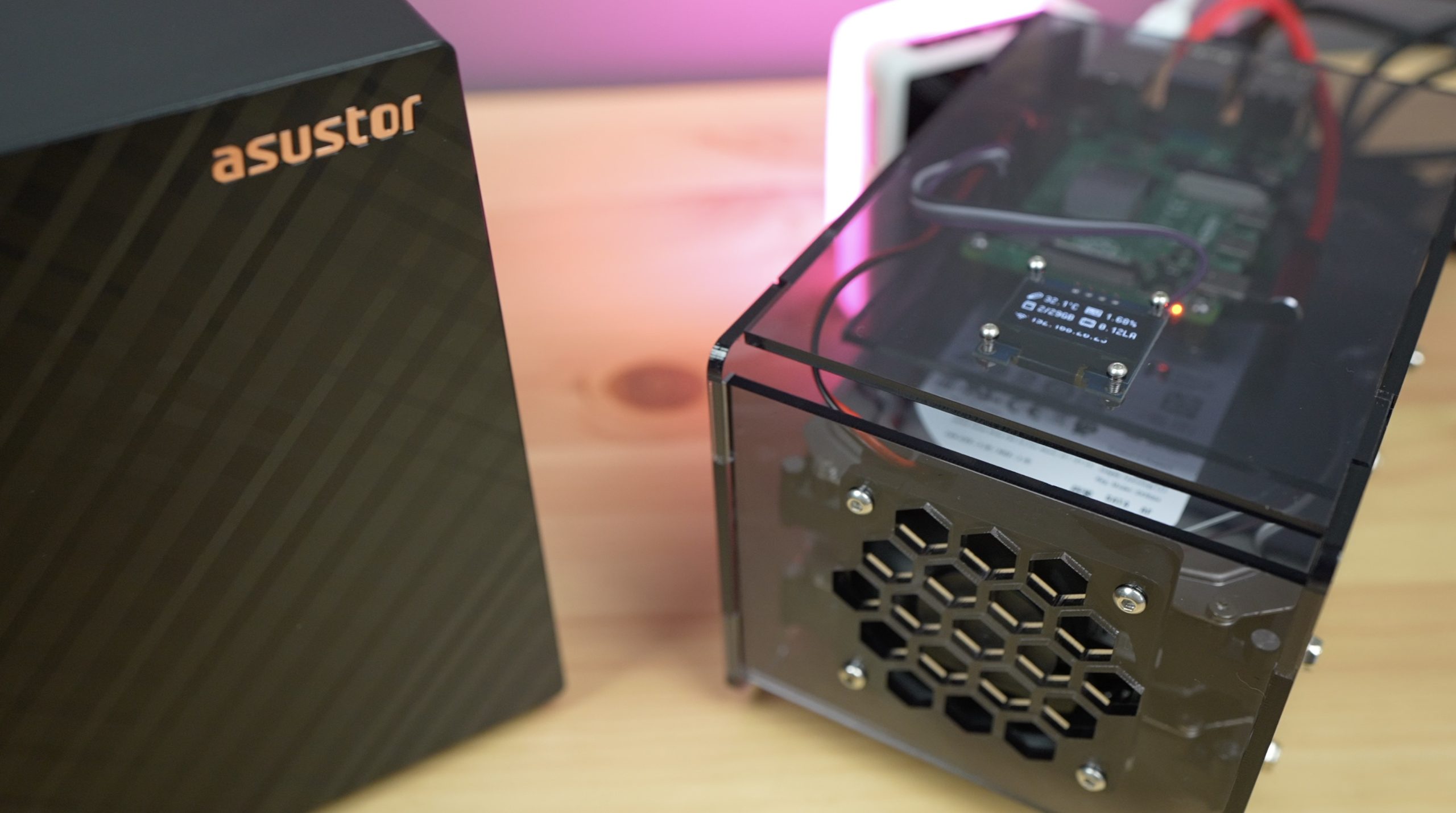
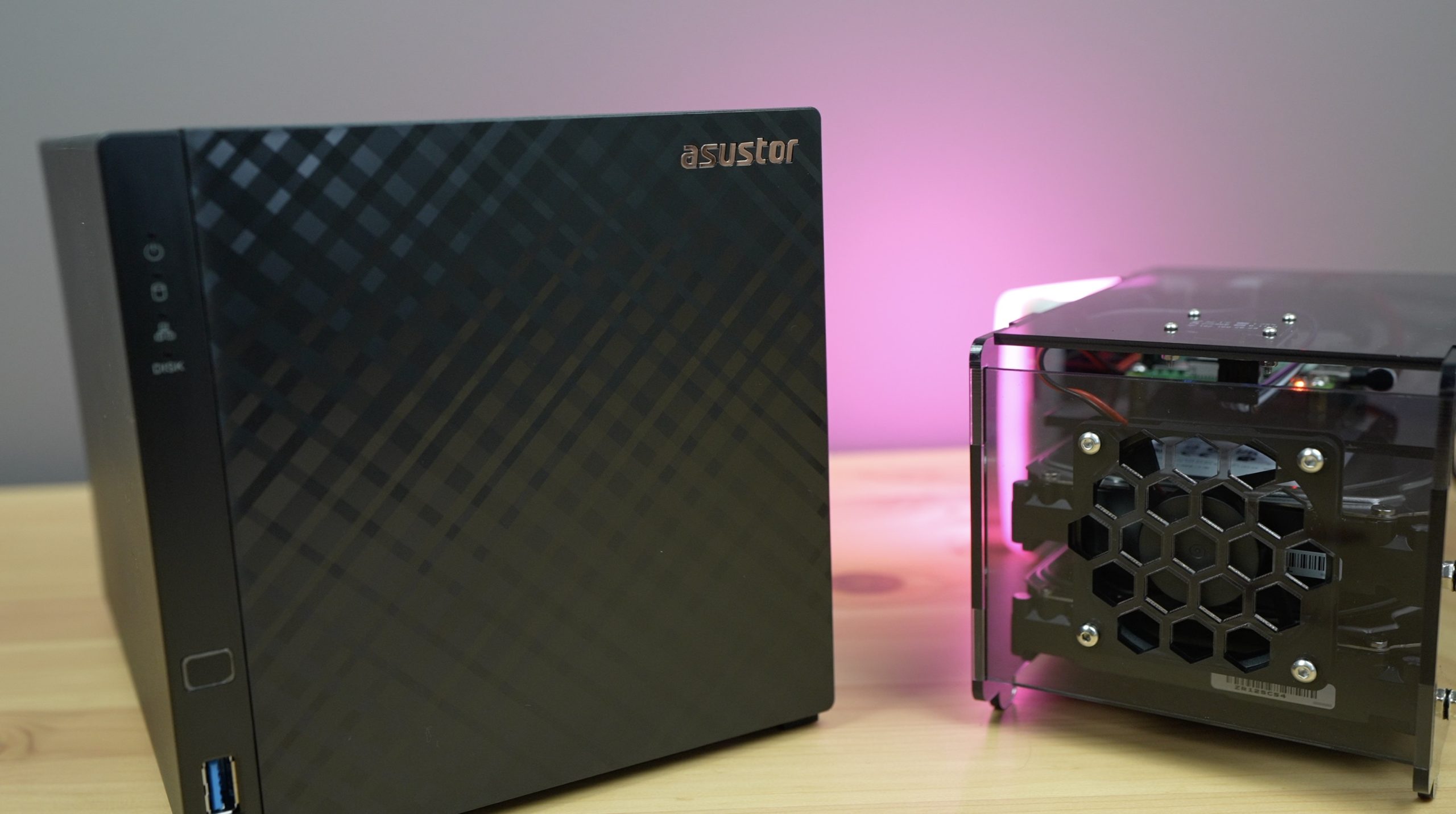
Asustor recently reached out and asked if I’d be interested in trying out one of their Drivestor NAS devices for a video. So we’re going to see how my Raspberry Pi NAS stacks up against their Drivestor 4.

Here’s my video of the build and comparison, read on for the write-up:

What You Need To Build Your Own NAS

Asustor Drivestor 4 NAS – Pre-built Option

Or

Raspberry Pi NAS – DIY Option

Equipment Used

  • Gweike Cloud Laser Cutter – Buy Here
    • Get $100 off the Gweike Cloud Laser by entering MK100 on checkout
  • QNAP Q5W 2.5G Switch – Buy Here
  • 2.5G Ethernet Adaptor – Buy Here
  • USB C Screwdriver Set – Buy Here
  • Power Meter – Buy Here

Some of the above parts are affiliate links. By purchasing products through the above links, you’ll be supporting this channel, at no additional cost to you.

Let’s Take A Look At The Two Contenders

So we already know that we’re going to be comparing an Asustor Drivestor with a Raspberry Pi NAS, but let’s take a look at the details of each and what criteria we’re going to be using to compare them.

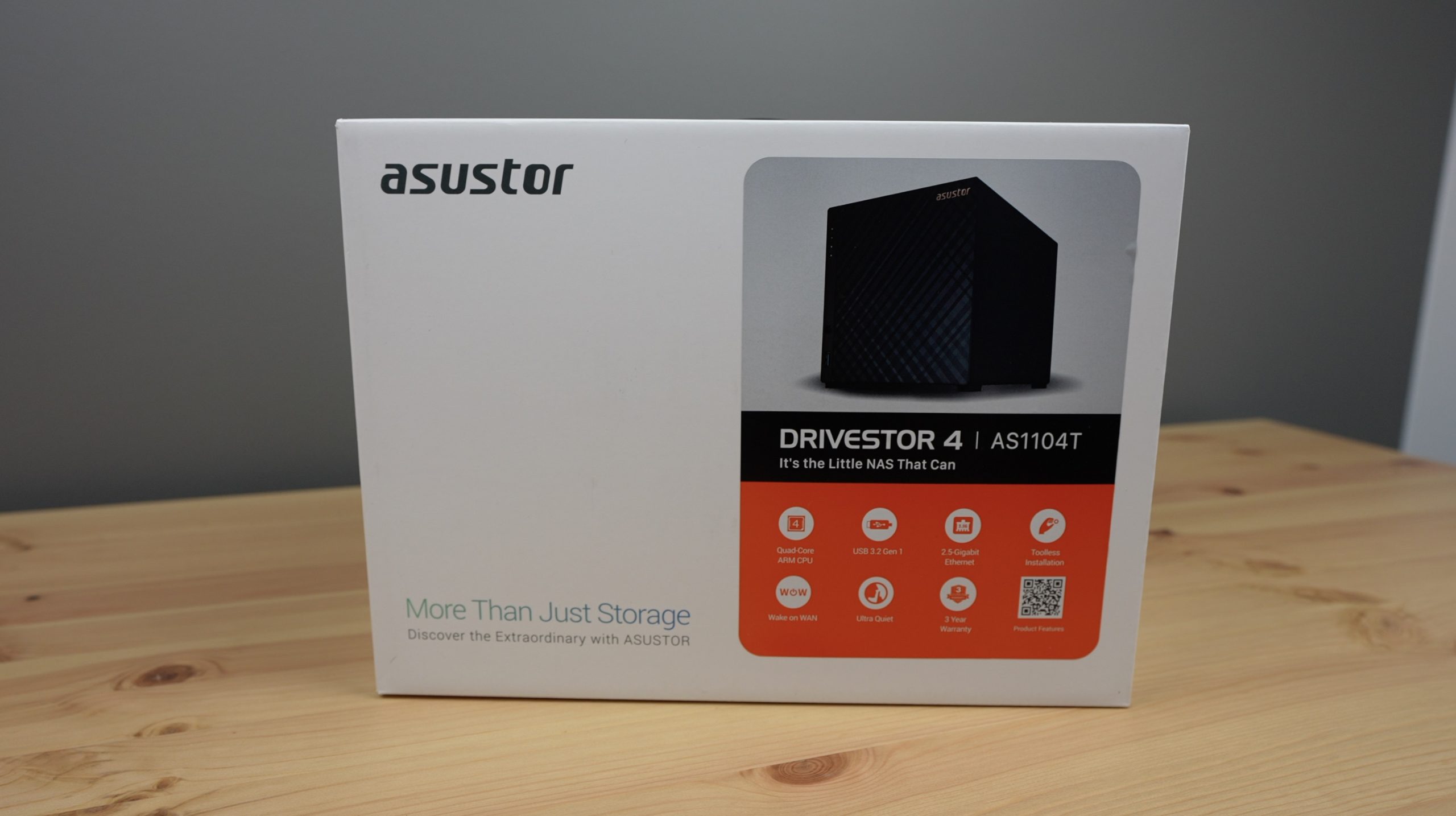
Their Drivestore 4 NAS is available in two versions, a standard version and a pro version. The standard version has a Realtek Quad-Core 1.4Ghz ARM64 CPU, 1GB of DDR4 RAM and 8GB of eMMC storage. It’s got 4 drive bays for 3.5″ SATA drives, 2 USB 3.2 Gen 1 ports and 2.5 gig Ethernet. The pro version has the same CPU and eMMC storage but with an extra 1GB of RAM, an extra USB 3.2 Gen 1 port and support for 2.5″ SATA drives as well – so you could use it with SSDs if you’d like to.

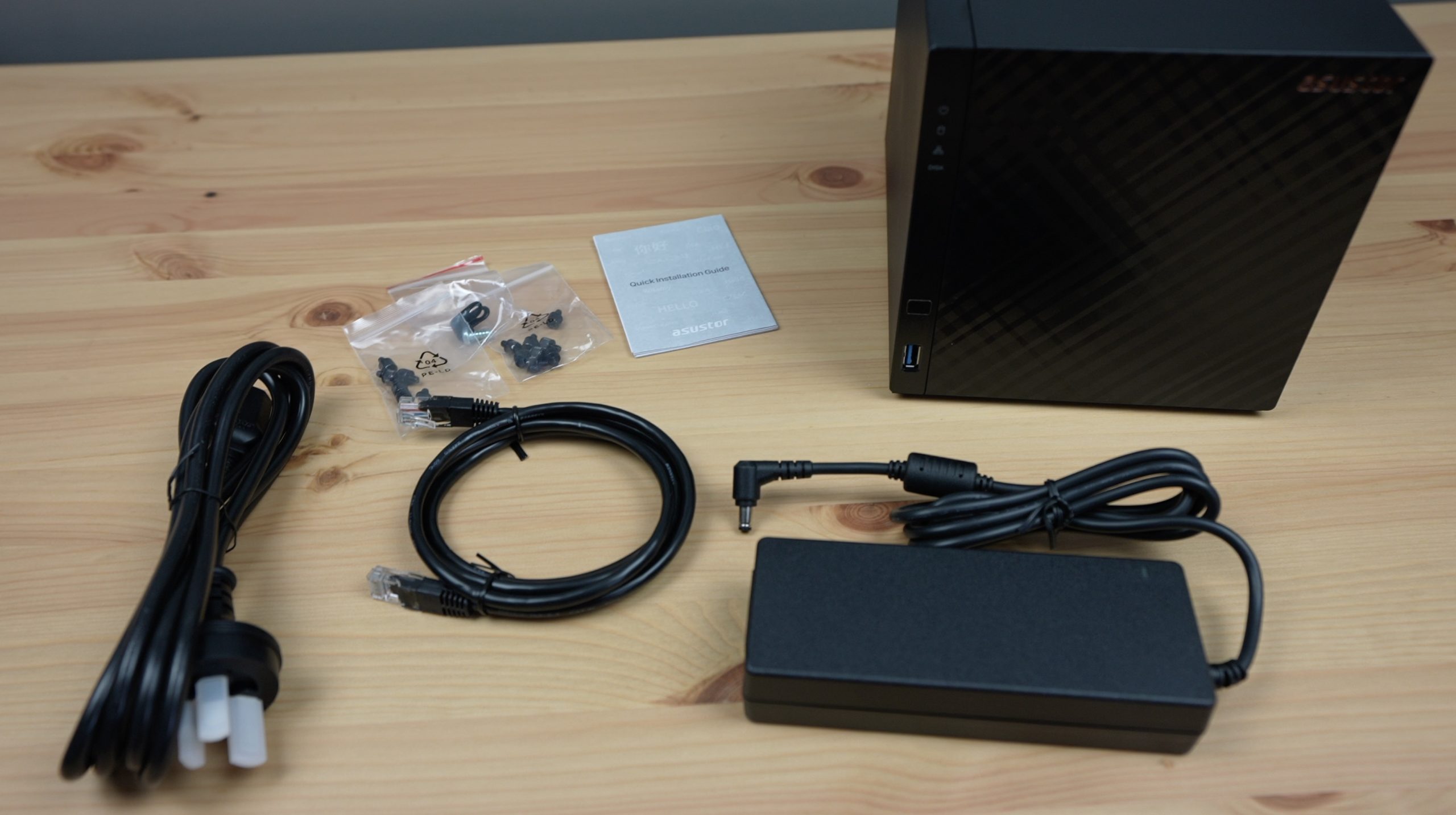
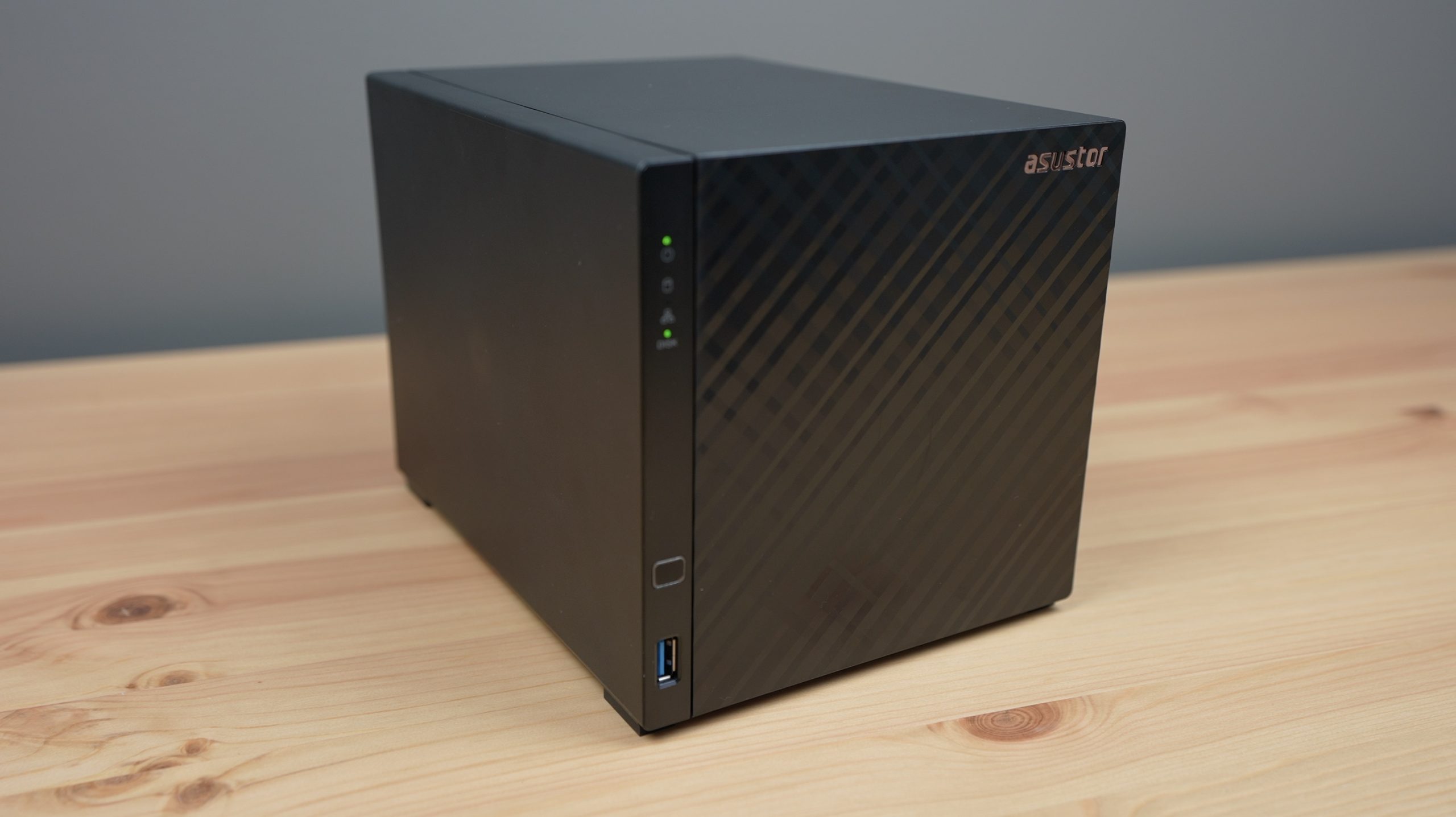
Asustor Drivestor 4

I’ve gone with the standard version as a more fair comparison with the Raspberry Pi NAS as it’s closer in price to the Pi hardware, being a little under $300.

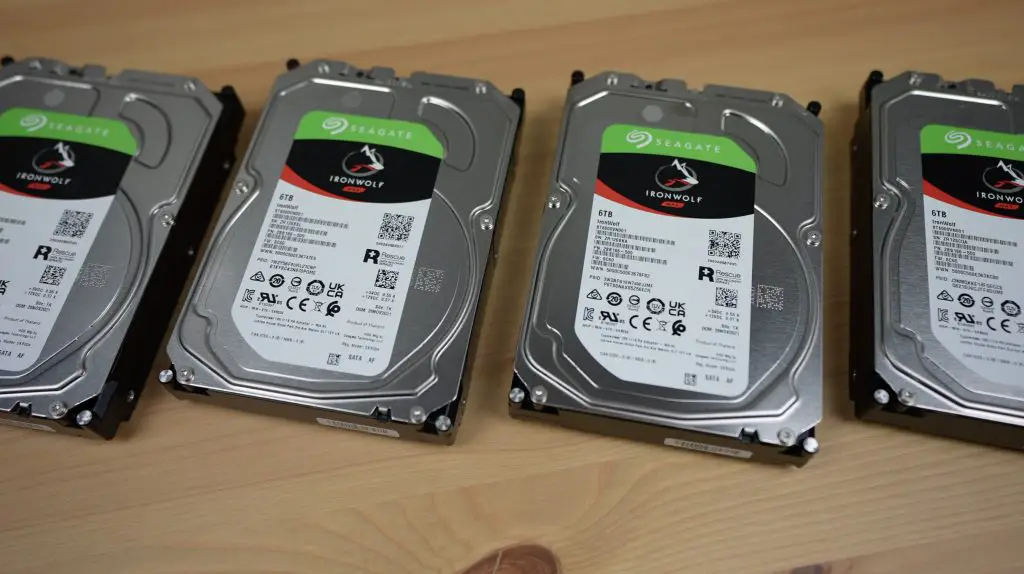
For the drives, Seagate were kind enough to send through four of their 6TB Ironwolf NAS drives to try out.

Seagate Ironwolf NAS Drives

One thing that is quite important for a long-term NAS build is making sure that you’re using the correct storage hardware. Drives are usually a significant part of the cost of a NAS, so you might be tempted to go with lower-cost standard desktop drives, but there are important differences between the two. NAS drives are designed to run continuously, 24 hours a day 7 days a week, with a higher workload rate and a higher Mean Time Between Failures (MTBF). For example, desktop drives are typically designed for an average workload of around 55TB/yr, whereas these Ironwolf drives have an average workload of 180TB/year. They also have an MTBF of one million hours, a figure that isn’t usually even shown for desktop drives. In addition to this, NAS drives are designed to be nested closely together, so they resist heat and vibration better than standard desktop drives. So it’s well worth spending the extra money for purpose-built NAS drives to suit the application.

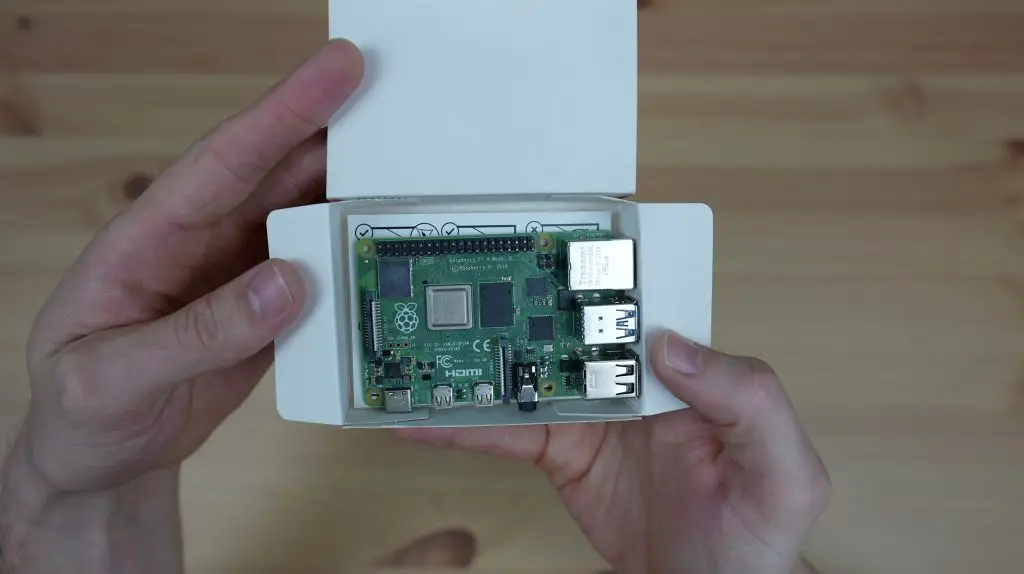
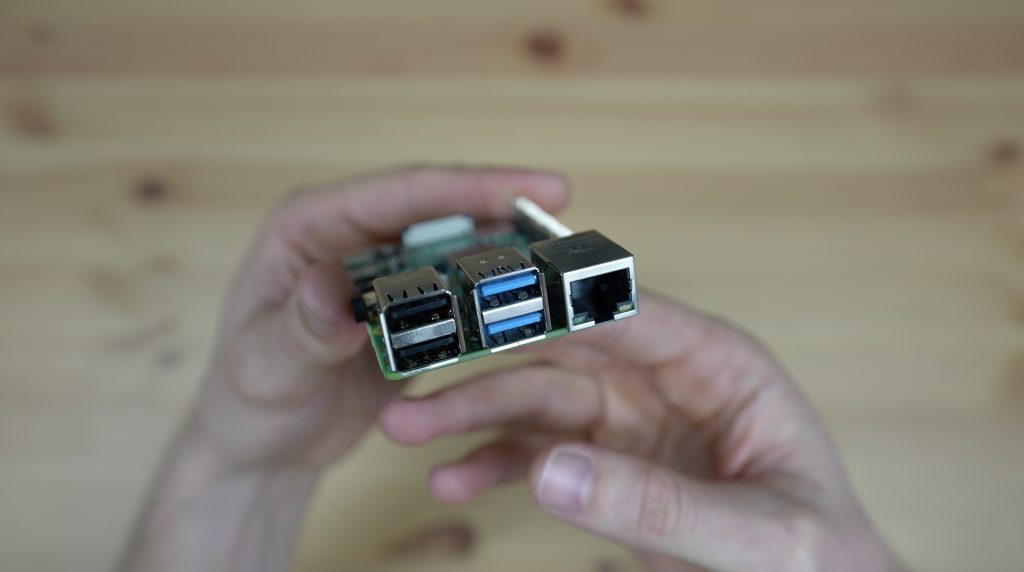
For my Raspberry Pi NAS, I’m going to be using an 8GB Raspberry Pi 4B. This has a 1.5Ghz quad-core ARM Cortex-A72 CPU, 8GB of DDR4 RAM and 32GB of storage through a microSD card. It’s also got 2 USB 3.0 ports which we’ll be able to connect our drives to, 2 USB 2.0 ports for slower devices, and gigabit Ethernet.

Raspberry Pi 4B 8GB

Because we’ve only got two USB 3.0 ports on the Raspberry Pi, I’m only going to connect two drives to it. Alternately we could also use a USB hub as the ports on the Pi all share a PCIe lane anyway, but we’d still be limited to the maximum bandwidth of this lane, which I think is 4 Gbps.

Ports Available on Raspberry Pi 4B

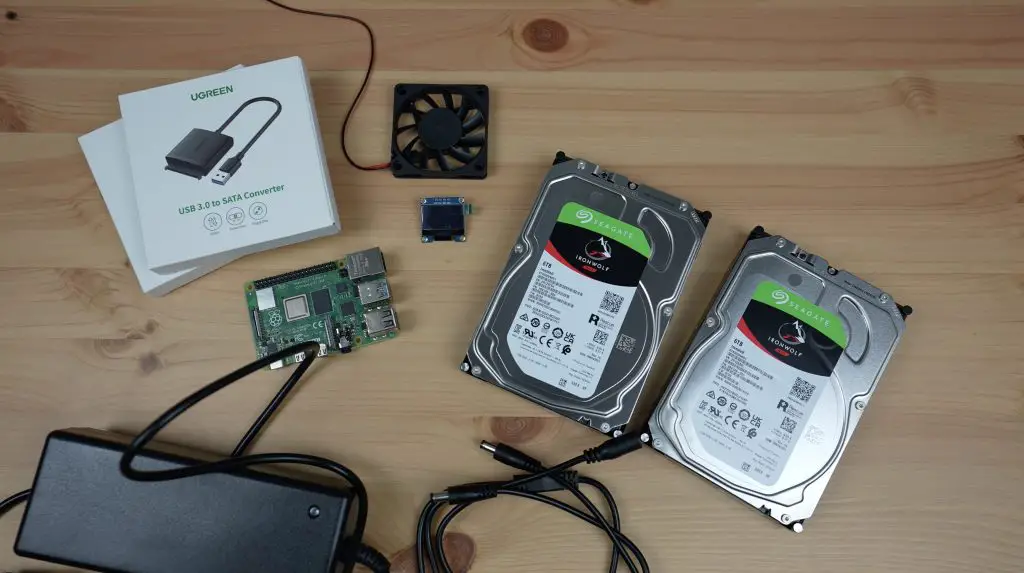
I’m going to use two USB 3.0 to SATA adaptors to connect the drives to my Pi and we’ll need to provide external power to them using a 12V adaptor and a barrel jack splitter. I’ll also need another power supply for the Pi as this runs on 5V. I could power the Pi from the 12V supply as well, but I’d need to add another splitter and a step-down converter from 12V to 5V. I’m going to add a small OLED display which will be used to display some metrics and the NAS’ IP address. And finally, to cool the Pi and drives I’m going to use a 60mm fan which I’ll power from the Pi’s GPIO pins.

Components To Be Used To Build The Raspberry Pi NAS

How Are We Going To Compare Them?

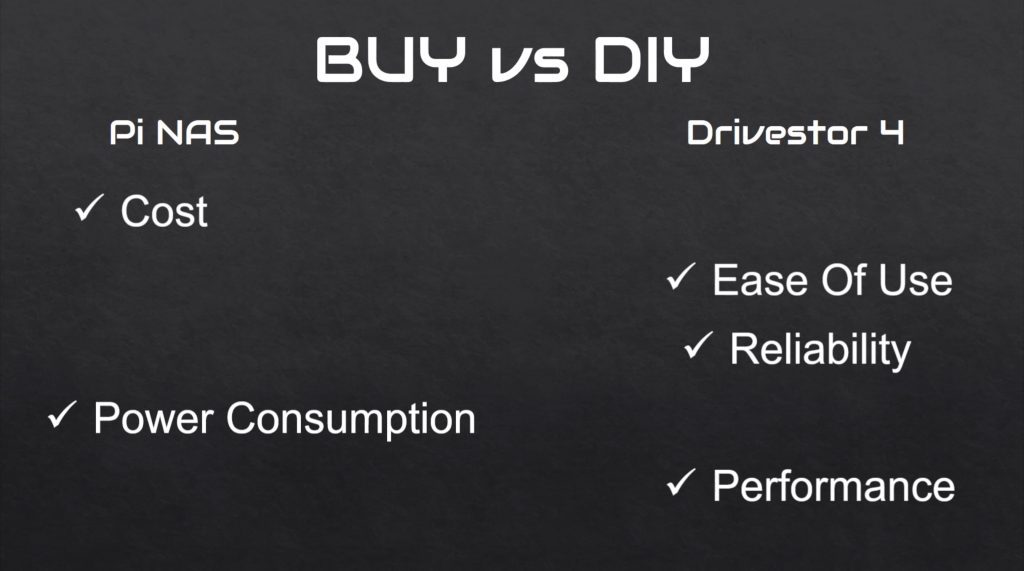
In order to decide which NAS is better at the end, we need to establish some criteria to asses them against. I decided on five criteria based on how a NAS would typically be bought and used for a home or small office application – the overall cost, ease of use, reliability, power consumption and performance.

Crieteria To Compare BUY vs DIY NAS

At the end of the build, I’ll compare the two solutions against these criteria to see which is the better solution.

Building The Raspberry Pi NAS

Building the Raspberry Pi NAS was quite a lengthy process in itself, so rather than extend the length of this comparison, I have separated the build guide. This allows me to include more detail in the guide so that you can easily follow along and build your own NAS if you’d like to.

The build essentially involved designing an enclosure, mounting the previously listed hardware into it and then installing Open Media Vault (OMV).

Testing The Raspberry Pi NAS

I’ve prepared three test files to use on both NAS setups, a 11.7GB video, a 1GB disk image and a 1GB folder of saved Arduino code with 4000 smaller files in 1300 folders. For each file, I’ll test the time taken to write the file to the NAS and then to read it from the NAS, and I’ll do this three times for each and take the average.

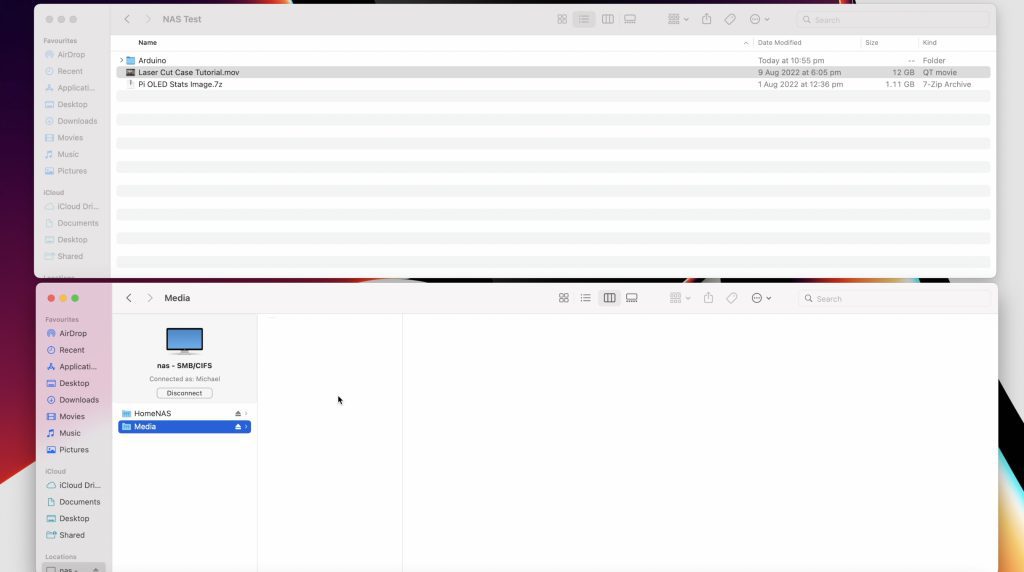
NAS Test Files To Be Copied

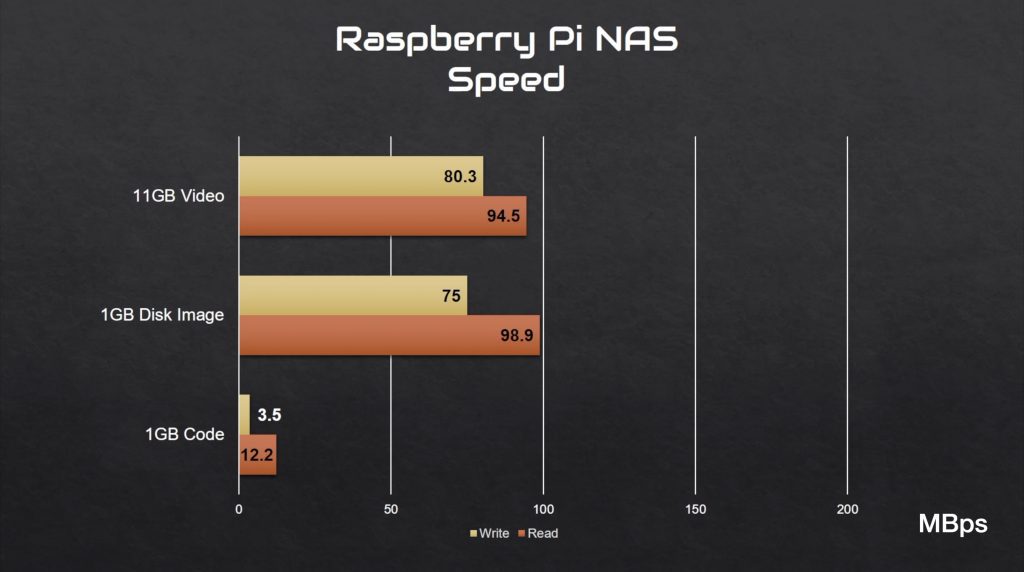
Copying the single large video file across to the NAS, I got an average write speed of 80.3 MBps. Copying the same file from the NAS, I get an average read speed of 94.5 MBps.

Raspberry Pi NAS Speed

For the disk image, I got a slightly slower write speed, but a faster read speed. For the Arduino code, I got substantially slower read and write speeds.

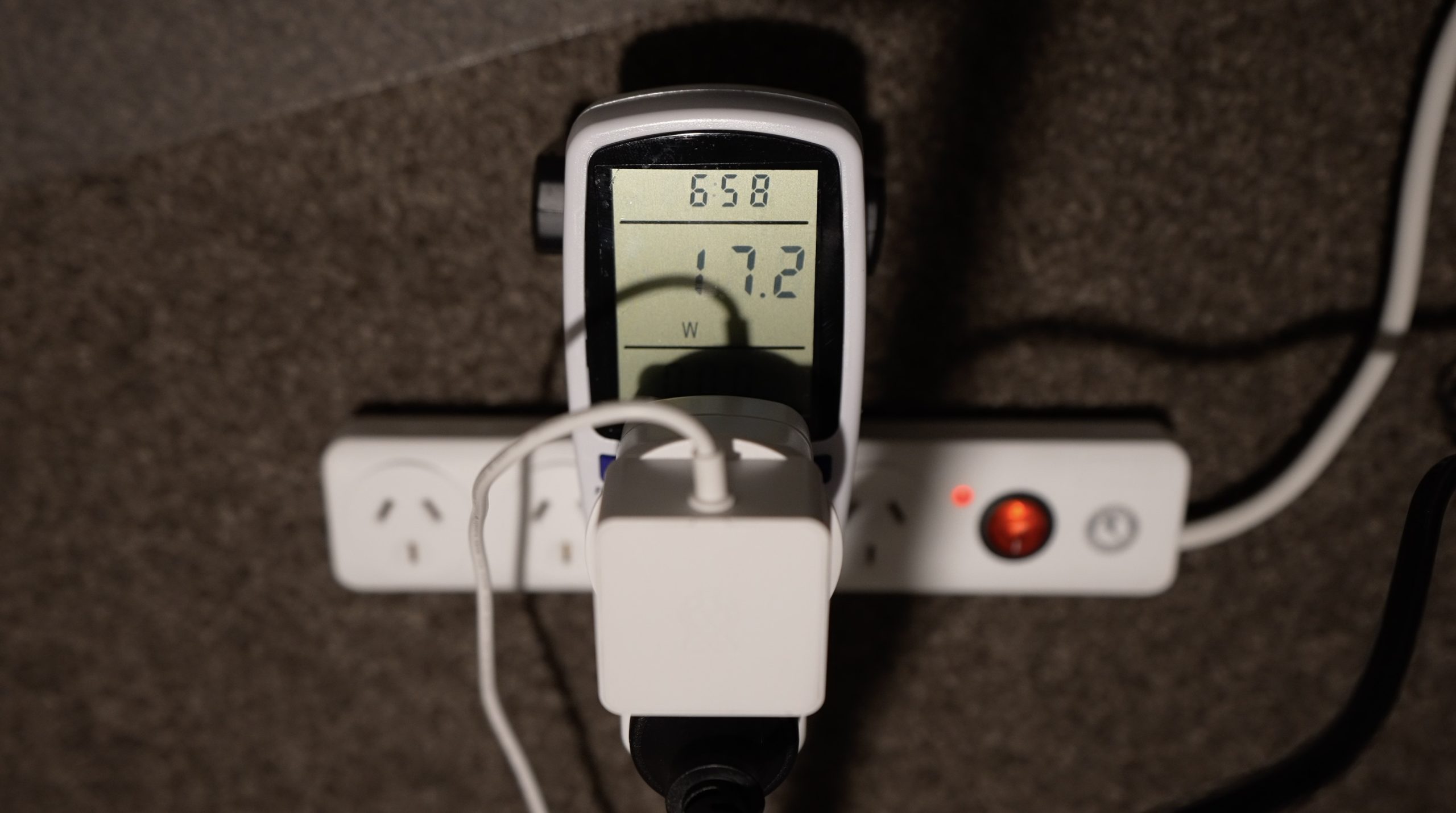
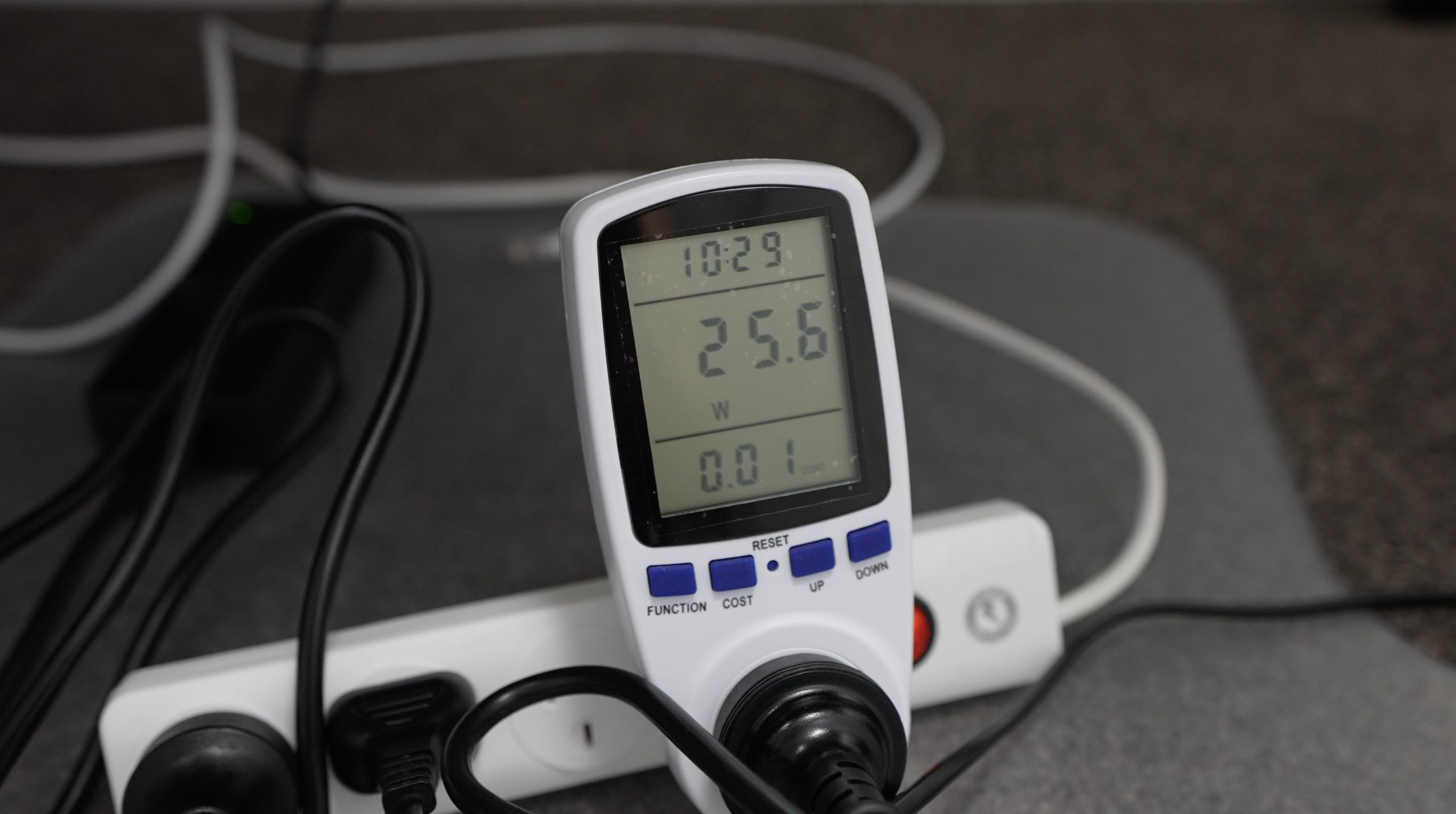
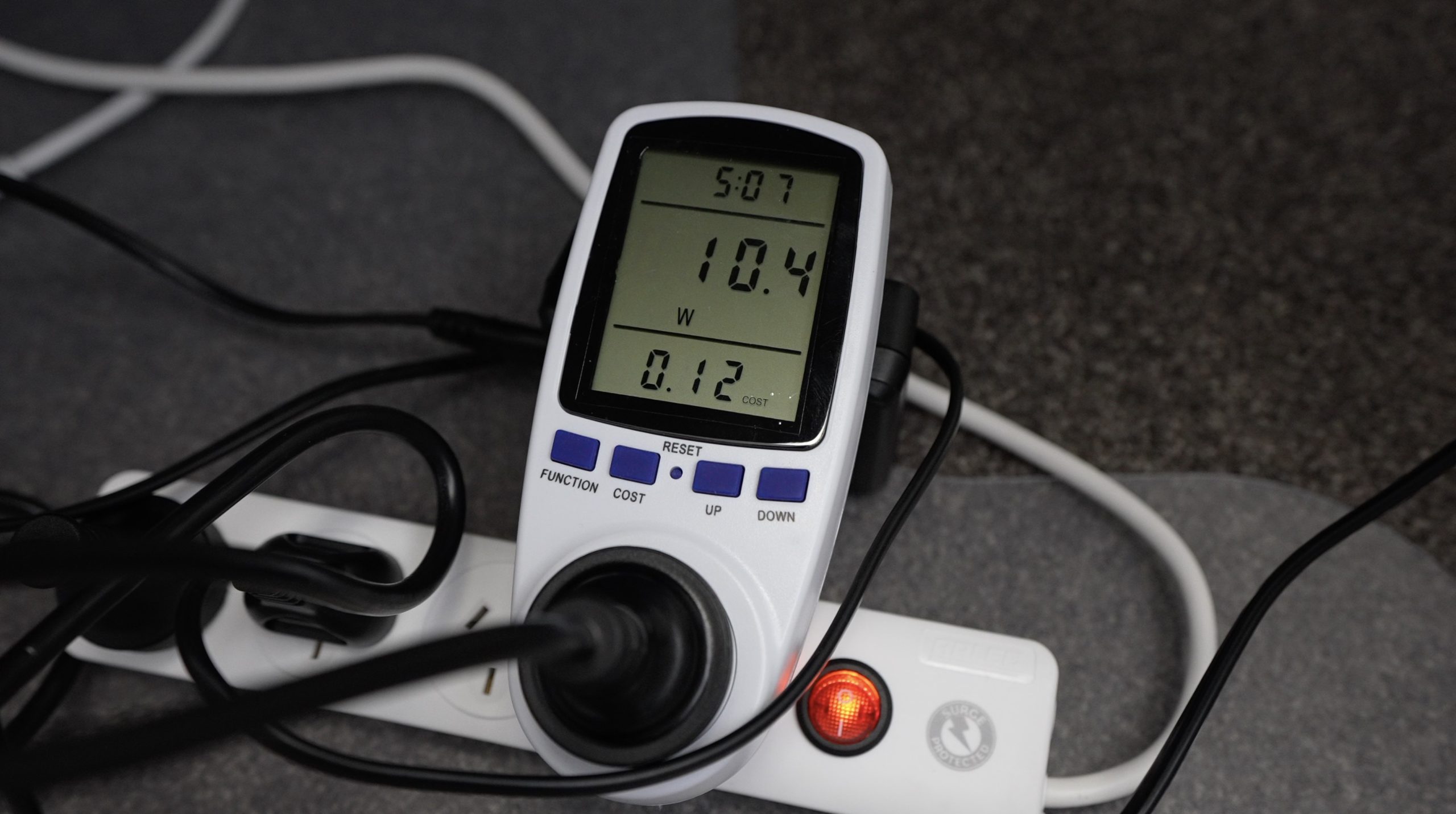
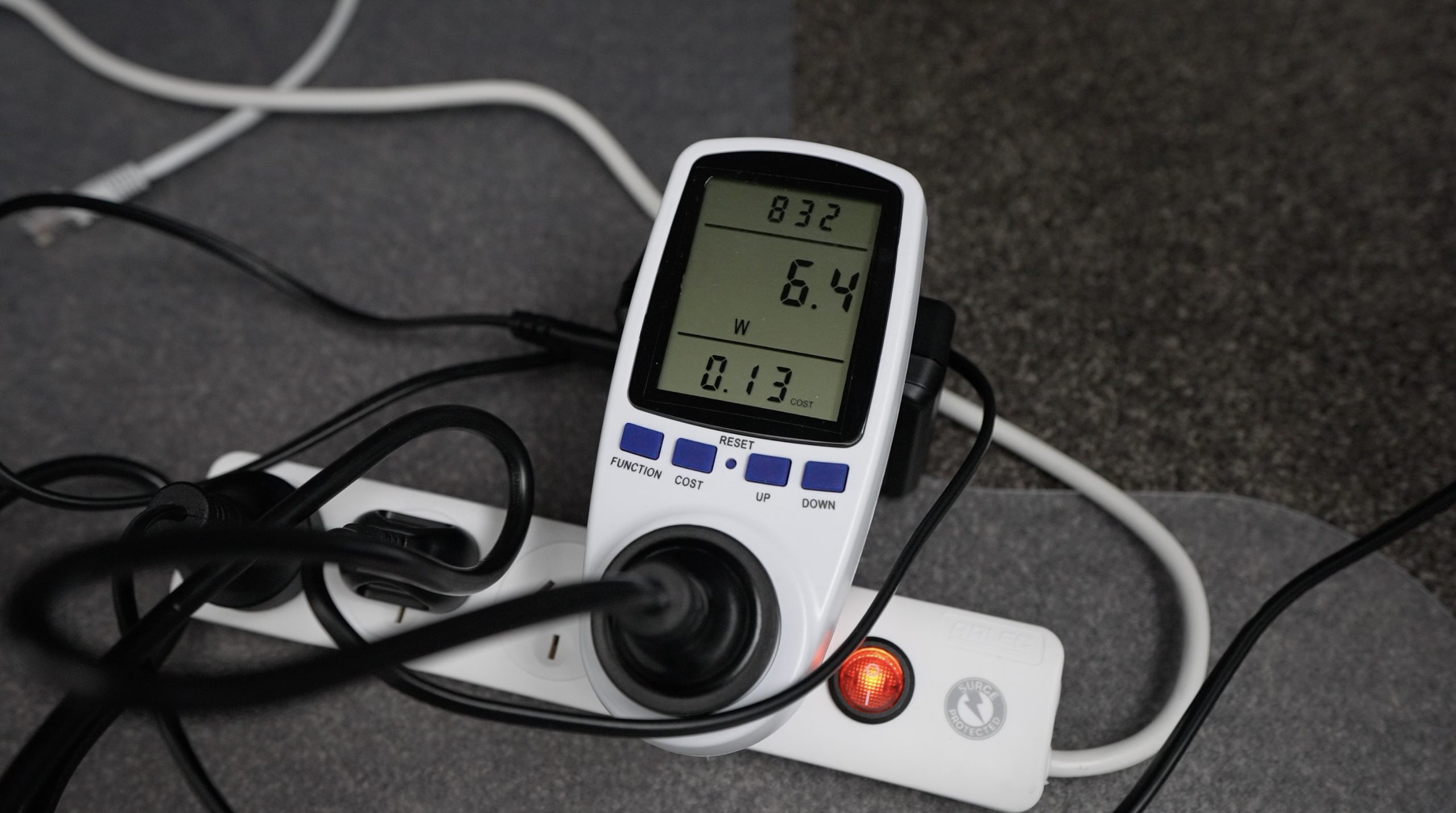
As far as power consumption goes, the Pi 4 NAS uses around 25W when booting up and spinning up the drives, and this settles at around 17W during use. The adaptors do spin the drives down when they’re not in use, so power consumption then goes down to around 6W.

So those are our benchmarks to beat, now let’s see what the Drivestor 4 can do.

Assembling & Setting Up The Drivestor 4 NAS

The Drivestor 4 comes as a pre-packaged solution with a 90W power supply included, so all we need to do is install the 3.5″ drives and it should then be ready to go.

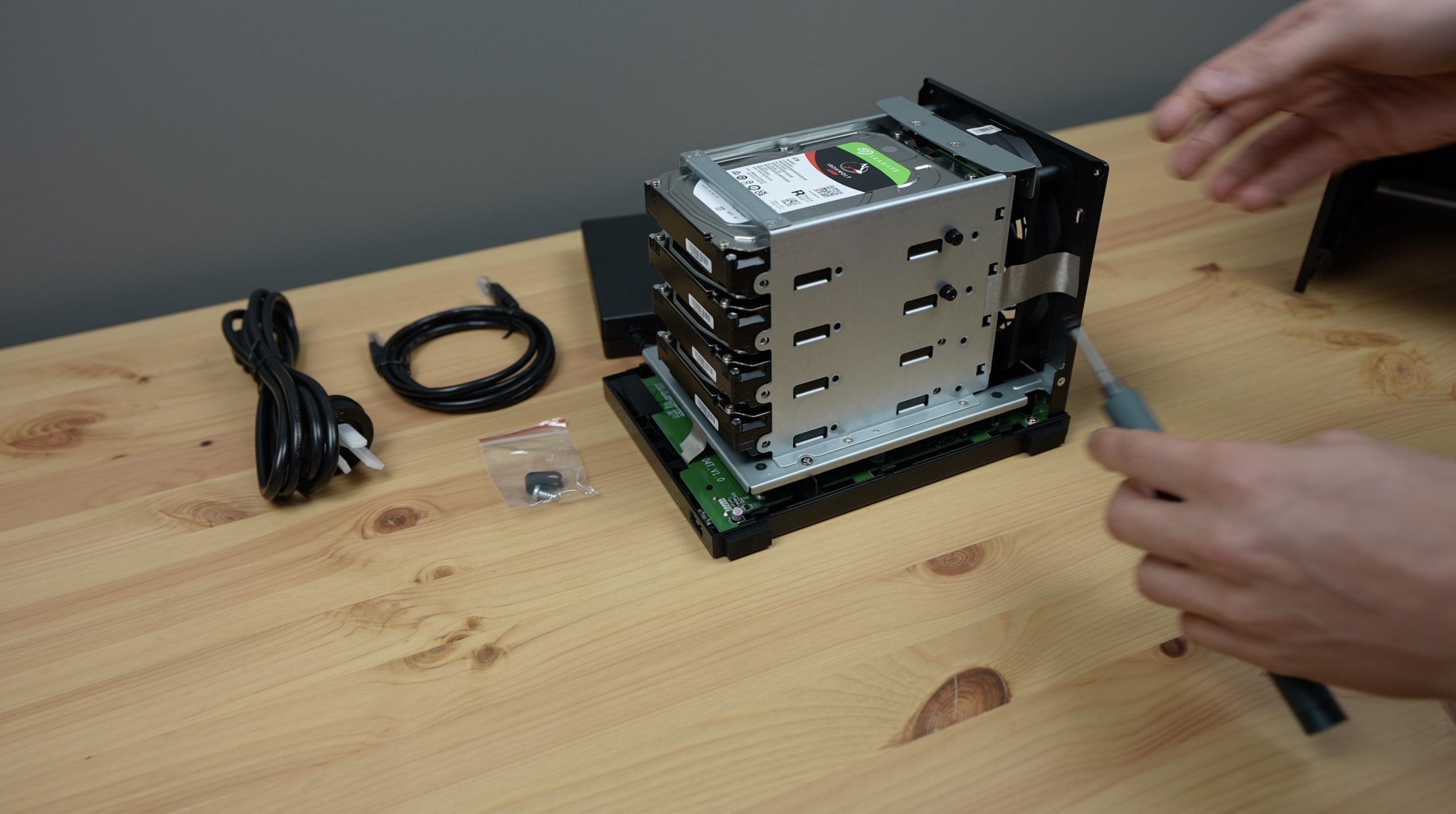
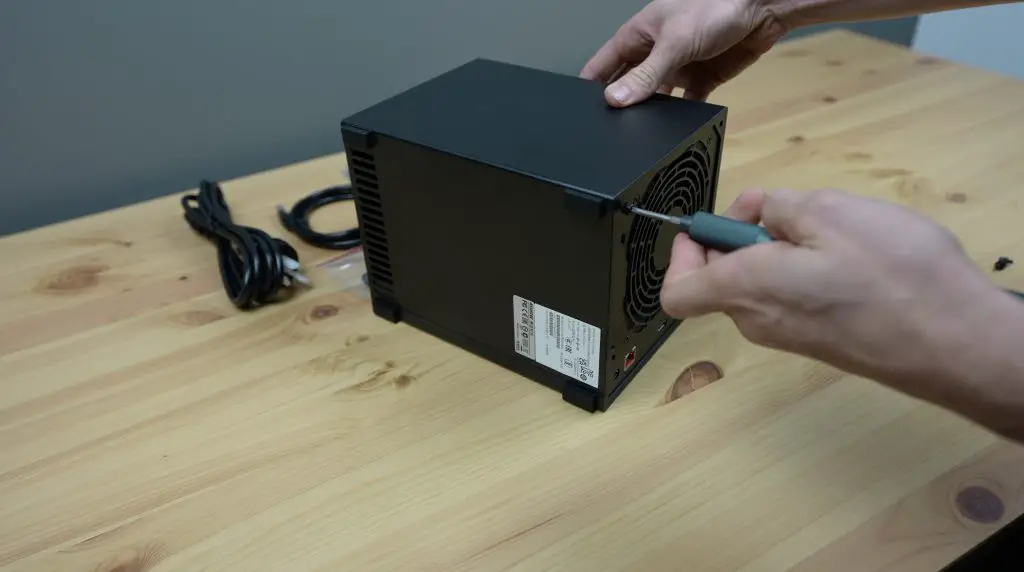
To install the drives, we need to remove the main cover.

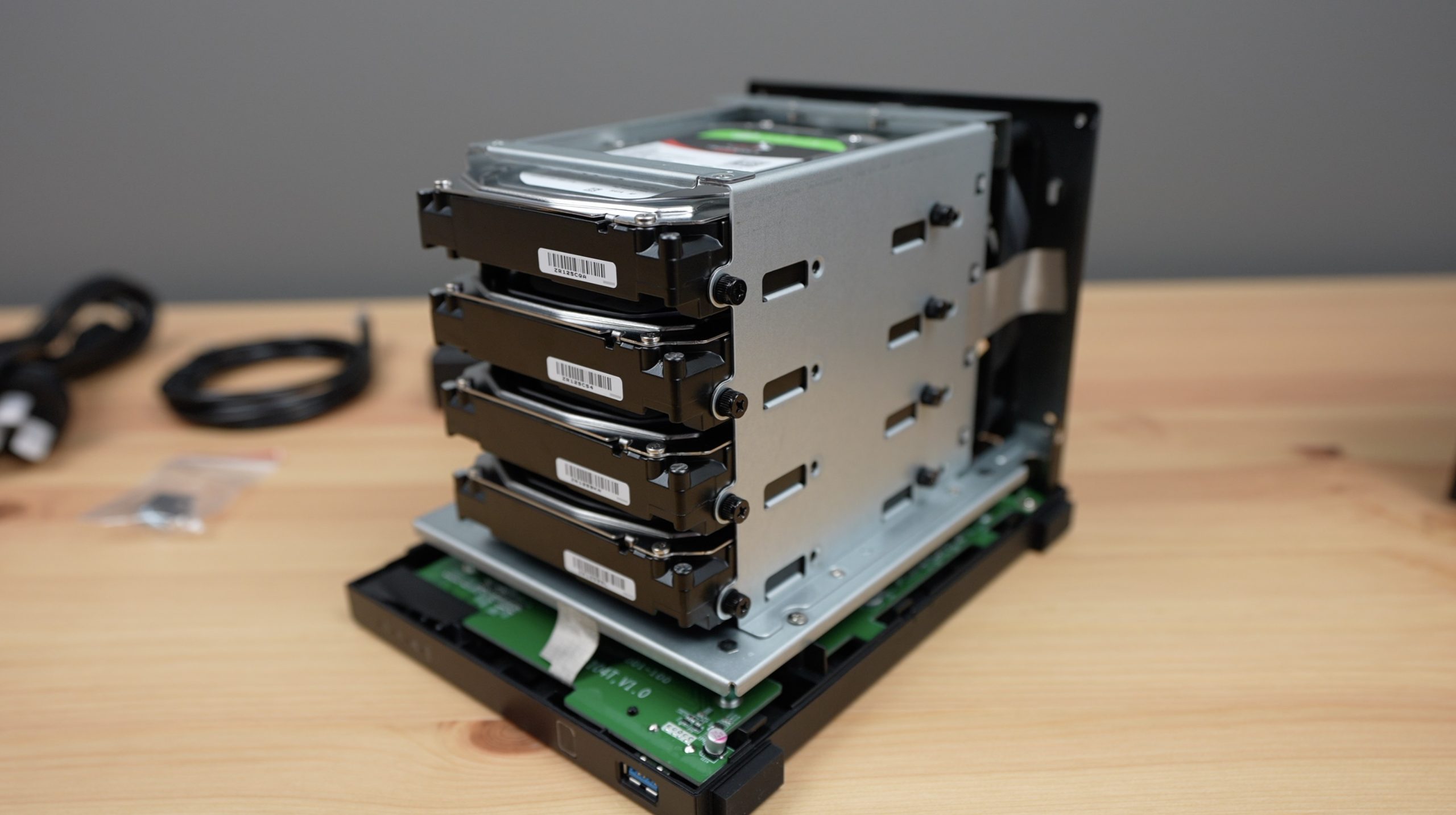
We can then slide a drive into each drive bay. I’m using all four bays, which is the maximum capacity of the Drivestor 4, but this is expandable to 12 bays using their optional expansion unit. So there is room to expand your NAS if you need it.

Installing Seagate Ironwolf Drives Into Drvestor 4

We then secure the drives with four screws into each.

That’s it for the assembly, we can close the cover and get it set up.

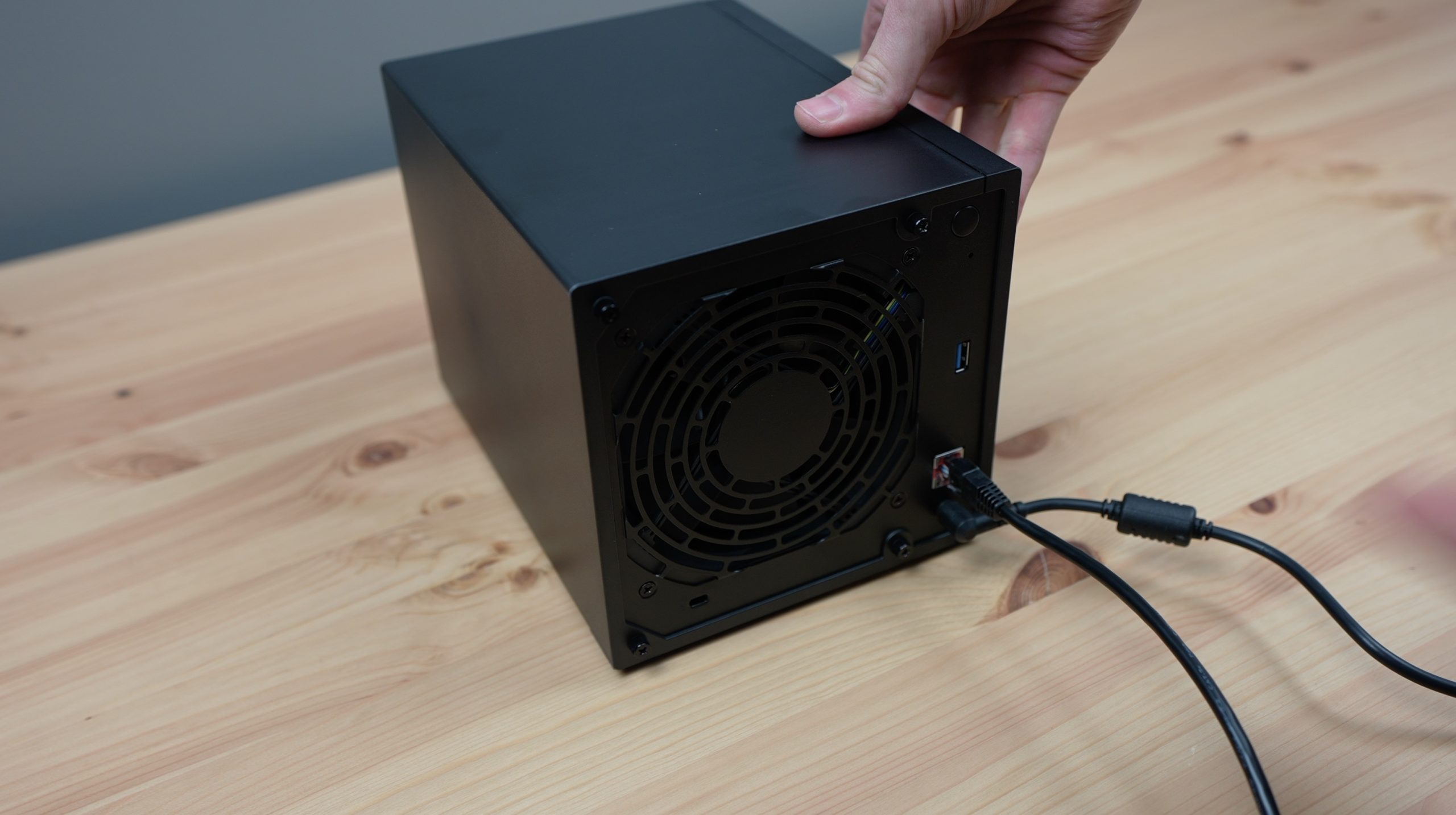
Replacing The Back Cover

One thing you’ll notice on power-up is that the Driverstor powers the drives up sequentially, it doesn’t just spin them all up at once. It does this to manage the peak power consumption, as these 3.5″ drives use substantially more power to start up than when they’re running.

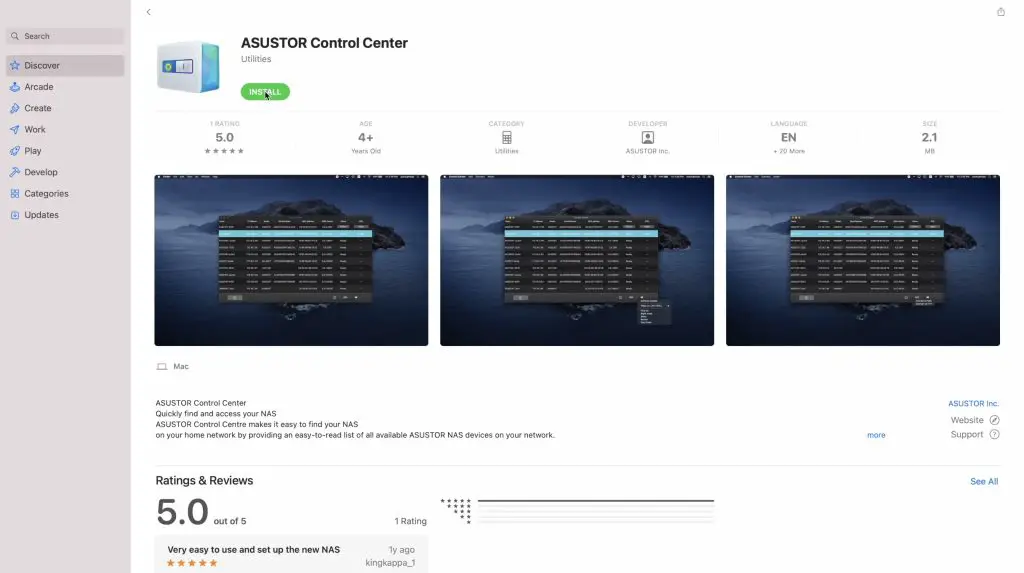
The Drivestor doesn’t have any display or HDMI output, so we need to figure out what IP address has been assigned to it by logging into our router’s DHCP table or using a tool like AngryIP Scanner. Asustor also provide a utility called Control Center which scans your network for their connected products, making it easy to set up.

ASUSTOR Control Centre Installation

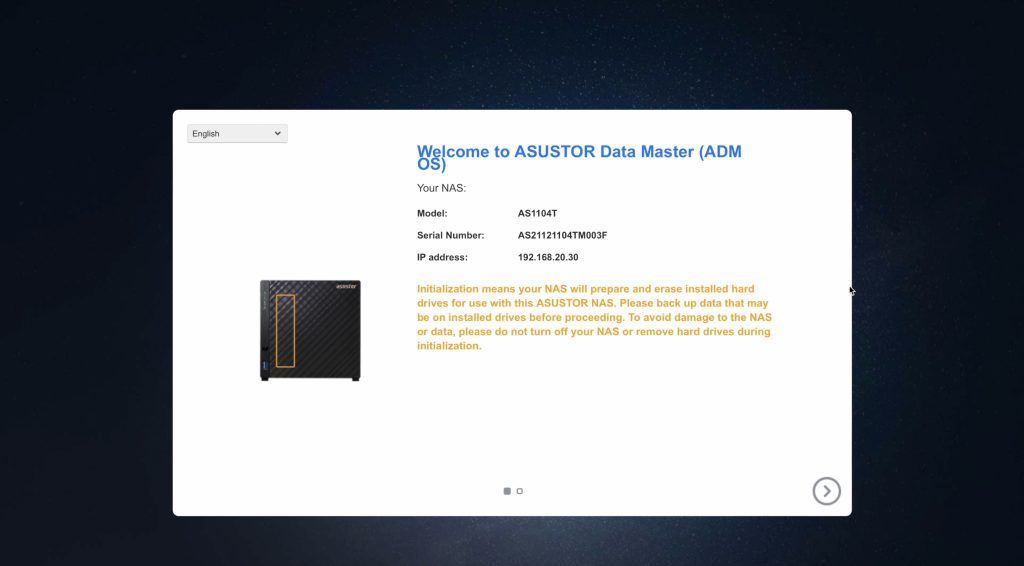
With the NAS’s IP address, we can head to the web dashboard to continue setting it up.

ASUSTOR Data Master OS

They also provide a mobile app called AiMaster which you can use to set up your NAS as well. I’m going to use the mobile app for now as it’s straightforward to use and guides you through each step.

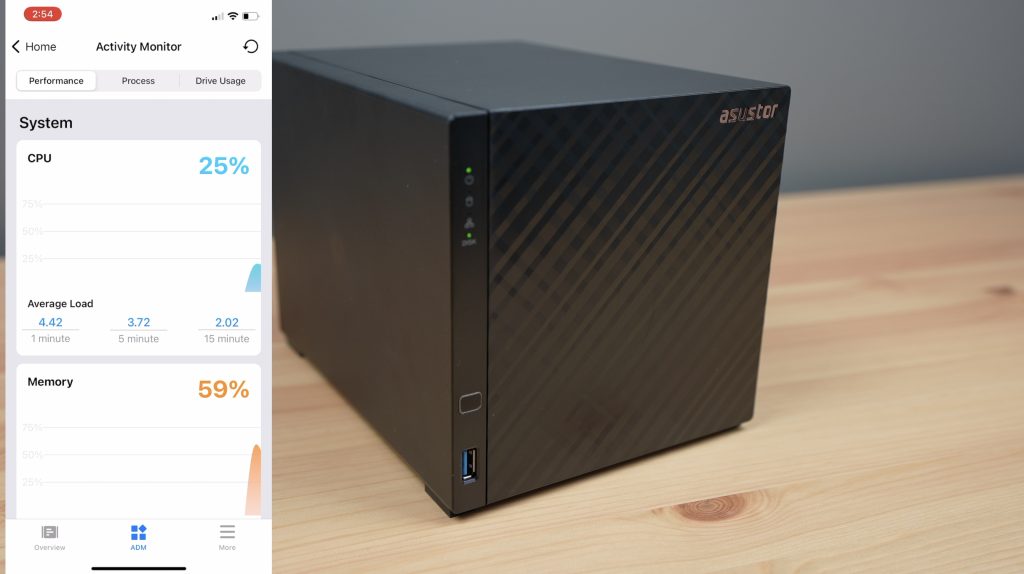
Activity Monitor In AiMaster App

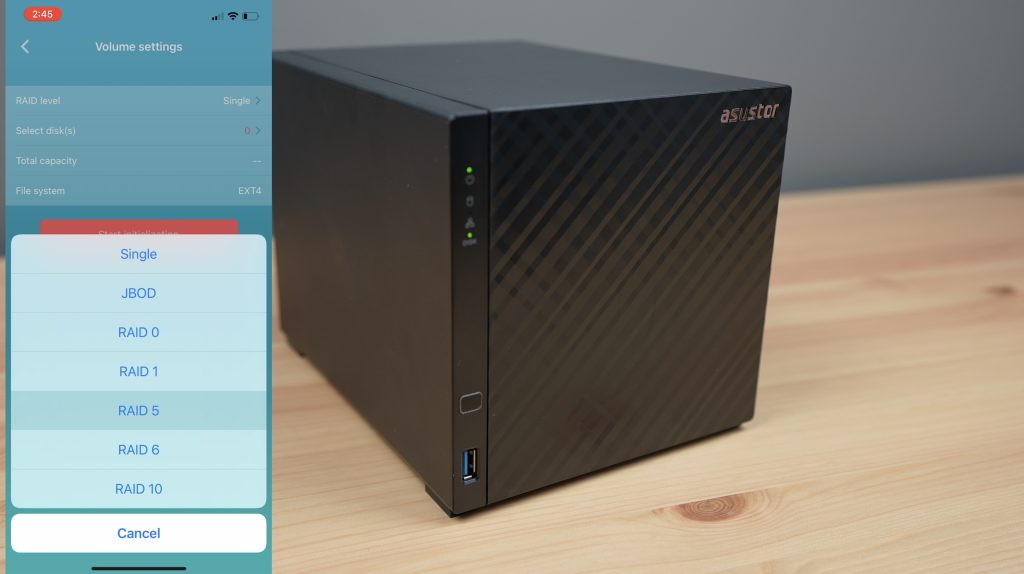
I’m going to go with a RAID5 configuration for the NAS as this strikes a good balance of redundancy and performance. This configuration means you still get to use the capacity of three drives, with only one volume being used for parity data, allowing the system to recover from a failure of any single drive, which is perfect for a home NAS setup.

Setting Up Asustor NAS From AiMaster App

You can then also set up folders and manage access control.

This was quite a bit easier to do on the Drivestor than on OMV. The app and web interface guide you through setting up the NAS really well, with explanations for all of the settings. They also provide a good set of defaults if you aren’t really sure what you’re doing.

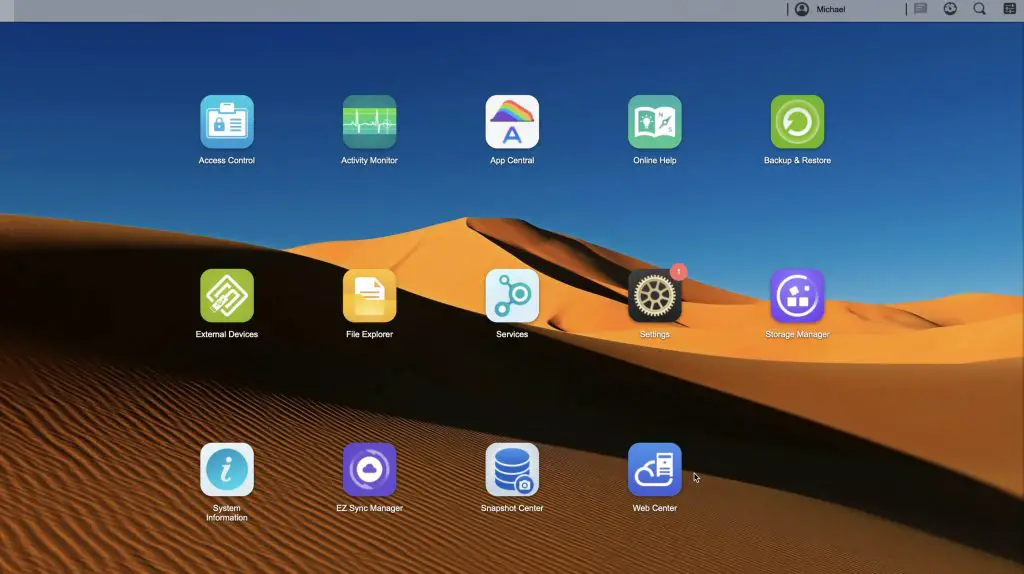
ASUSTOR Data Master OS Home Screen

Testing The Drivestor 4 NAS

To test the Drivestor 4’s speed, I’m going to copy the same files that I used previously for my Raspberry Pi NAS test.

Copying the single large video file across to the NAS, I get an average write speed of 131.7MBps. Copying the same file from the NAS, I get an average read speed of 205.6MBps.

Asustor Drivestor 4 NAS Speed

The disk image resulted in faster read and write speeds than the video, and the code was substantially slower, as with the Raspberry Pi NAS.

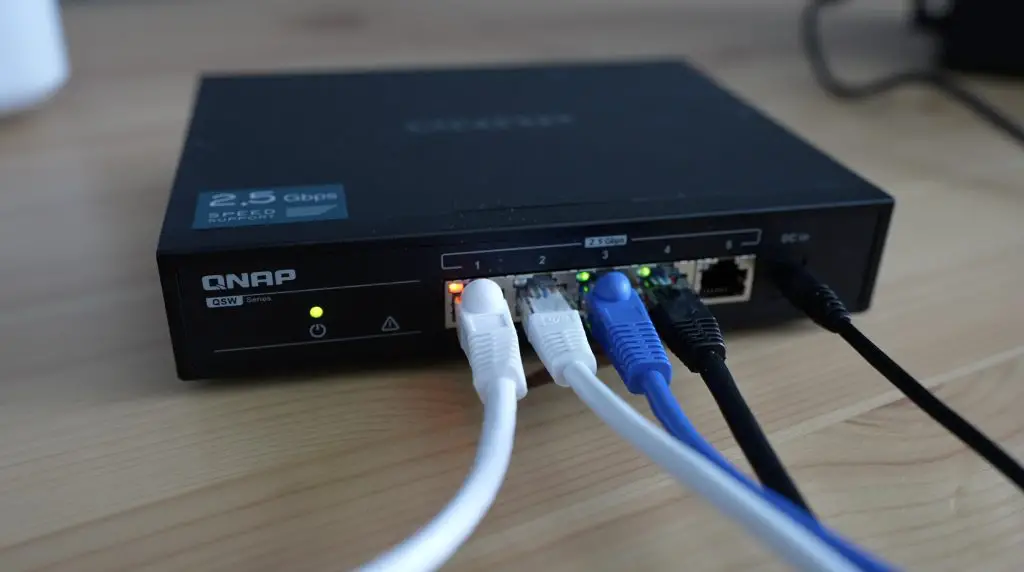
So the Drivestor is quite a lot faster than the Raspberry Pi NAS – around 60% faster write speeds and over double the read speed. This is largely to do with it having 2.5G Ethernet, which the Pi lacks. You could potentially improve this on the Pi by adding a 2.5G Ethernet adaptor to it, but you’d then need to either get rid of one of the drives or use a USB hub as you’ve only got the two USB 3.0 ports. If you used a hub, there would still be a limit to the amount of data that the Pi can handle through the USB ports, so you’d be sharing the bandwidth between the drives and any additional controllers.

QNAP 2.5G Ethernet Switch

This is one of the examples of something that is both a strength and weakness of the Raspberry Pi NAS. It’s great in that you’re starting with a blank canvas, so you can customize your NAS to your particular needs, but this can also be quite intimidating if you’re just getting started. There is a lot of information to sift through and decisions to make, all of which will have some influence on the complexity and performance of your setup.

As for power consumption by the Drivestor, I was actually quite surprised to see how similar it was to the Raspberry Pi NAS. It used a much higher 50W on boot and spin-up, but this settled at around 25W once running. With the drives spun down, power consumption goes down to 10W and after a while, it seems to go into a lower power mode that reduces consumption to the same figure as the Pi – just 6W. Keep in mind for the running figures that this NAS has two more drives than the Raspberry Pi NAS.

So Is It Better To Buy or DIY?

Now that we’ve assembled and tested the two NAS solutions, let’s see whether it is better to buy a pre-built NAS or build your own DIY solution.

Cost

Let’s start off with cost.

The Pi NAS cost $162 for the parts to build the NAS without the drives and then the two drives cost an additional $270 for a total of $432. The Drivestor costs $290 and then the four drives cost an additional $540, for a total of $830.

BUY vs DIY Cost Comparison

I separated the drive costs to make the comparison between the actual NAS setups a bit more comparable, as the additional two drives on the Drivestor add quite substantially to the cost, and the Drivestor could run on only two drives if you wanted it to.

The Pi NAS still wins on cost for a total of $162 instead of the $290 Drivestor 4’s price tag.

Ease of Use

For Ease of Use, this hands down goes to the Drivestor 4, it’s a prepackaged solution that you just need to select drives for. Asustor even have a drive compatibility checker that you can use to check your drives before you buy them. It’s easy to assemble and configure and you’re not left looking for adaptors, power supplies or enclosures to finish it off.

Reliability

Reliability also goes to the Drivestor 4. The Raspberry Pi NAS is running off a MicroSD card, which are known to fail over time, and connecting the drives through the Pi’s USB ports means that no RAID options are available. That said the data is still being stored on the same drives, so although the Pi might need to be re-configured every so often, you shouldn’t have any data loss as long as the drives remain good.

Power Consumption

Power Consumption is much closer than I thought it would be, but goes to the Pi as a marginal win, albeit in a somewhat unfair comparison. The Drivestor uses more power when running as it’s got two additional drives, but when both NAS solutions are unused, they use basically the same.

Performance

Performance is lost to the Drivestor 4. Having 4 drive bays that support RAID and a 2.5G Ethernet port make it substantially faster than the Raspberry Pi NAS.

The Verdict

BUY vs DIY Final Results

So overall the Drivestor 4 is probably the option you’d want to go for if you’re looking for an easy-to-use, reliable NAS that offers good performance for the price. If you’ve got the time to learn, or you’d like to build a NAS that is very specifically designed to your needs, then the Raspberry Pi NAS offers a bit more flexibility. You could also save a few dollars by going with the Pi option, although if your time is worth anything to you then this will probably work out to be a bit more expensive as well as you’ll no doubt have to spend a day or two assembling and setting it up.

Check out Asustor’s Amazon store for some of their other NAS solutions available, or check out their Drivestor 4 and Drivestor 4 Pro options. They’re really good products for a home or small office environment when access to your data and data integrity is important to you.

Also, let me know what you think of my Raspberry Pi NAS in the comments section below.
How To Build A Raspberry Pi NAS Using Open Media Vault

This Raspberry Pi based NAS was built for my comparison with the Asustor Drivestor 4. Rather than cover the comparison and build in a single lengthy post, I have separated the build portion of the Raspberry Pi NAS to make it easier for you to build your own NAS along with me.

Here’s my video of the build and comparison, read on for the write-up and build guide:

What You Need To Build Your Own Raspberry Pi NAS

Equipment Used

  • Gweike Cloud Laser Cutter – Buy Here
    • Get $100 off the Gweike Cloud Laser by entering MK100 on checkout
  • USB C Screwdriver Set – Buy Here

Some of the above parts are affiliate links. By purchasing products through the above links, you’ll be supporting this channel, at no additional cost to you.

How To Build The Raspberry Pi NAS

For my Raspberry Pi NAS, I’m going to be using an 8GB Raspberry Pi 4B. This has a 1.5Ghz quad-core ARM Cortex-A72 CPU, 8GB of DDR4 RAM and 32GB of storage through a microSD card. It’s also got 2 USB 3.0 ports which we’ll be able to connect our drives to, 2 USB 2.0 ports for slower devices, and gigabit Ethernet.

Raspberry Pi 4B 8GB

Because we’ve only got two USB 3.0 ports on the Raspberry Pi, I’m only going to connect two 3.5″ SATA NAS drives to it. Alternately we could also use a USB hub as the ports on the Pi all share a PCIe lane anyway, but we’d still be limited to the maximum bandwidth of this lane, which I think is 4 Gbps.

Ports Available on Raspberry Pi 4B

I’m going to use two USB 3.0 to SATA adaptors to connect the drives to my Pi and we’ll need to provide external power to them using a 12V adaptor and a barrel jack splitter. I’ll also need another power supply for the Pi as this runs on 5V. I could power the Pi from the 12V supply as well, but I’d need to add another splitter and a step-down converter from 12V to 5V. I’m going to add a small OLED display which will be used to display some metrics and the NAS’ IP address. And finally, to cool the Pi and drives I’m going to use a 60mm fan which I’ll power from the Pi’s GPIO pins.

Components To Be Used To Build The Raspberry Pi NAS

Designing The NAS Enclosure

Now that we’ve got the hardware together, we need to start assembling it, and for that, we need an enclosure. There aren’t a lot of options for a Raspberry Pi NAS, so I’m going to have to make my own.

To do that, I’m going to head over to my computer and open up Inkscape. I’ve used Inkscape before for a number of projects, it’s a great open-source package for creating 2D designs for laser cutting.

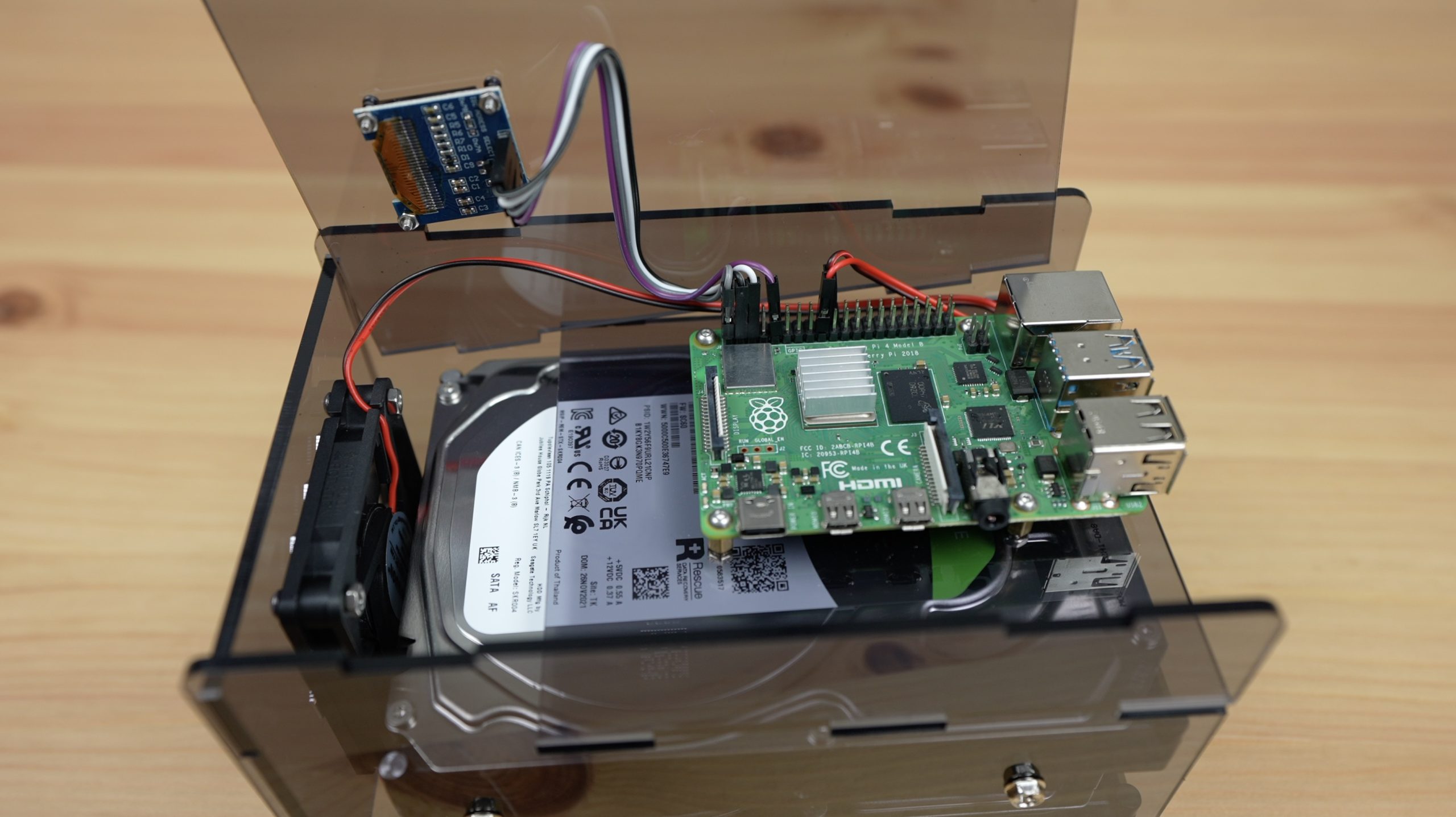
I sketched up the parts I need to hold the drives, the Pi, display and fan – there are two main side panels that attach to the drives and then a front fan panel, a Pi mounting panel and a top cover on which the OLED display is mounted.

Inkscape NAS Component Design

I then cut them out on my laser cutter. I cut them from 3mm tinted acrylic for a blacked-out look that the OLED display would still be visible through. You could also use clear or coloured translucent acrylic sheets if you’d like a different colour.

Laser Cutting On Gweike Cloud

Assembling The NAS Hardware

To assemble the NAS, the fan gets mounted onto the front panel with some M3 x 12mm button head screws and M3 nuts.

60mm Cooling Fan Mounted Onto Side Panel

We can then mount the Raspberry Pi onto the middle panel with some M2.5 x 6mm brass standoffs, M2.5 x 6mm button head screws and M2.5 nuts.

Raspberry Pi Mounted On Standoffs

The drives hold the side panels in place using four #6-32 UNC Screws on each side (a total of 4 per drive), and these side panels then support the fan panel and Raspberry Pi panel. Make sure that you position the tabs on the fan and Pi panel within the slots in the side panels before securing the second side panel to the drives.

Lastly, we can mount the OLED display onto the top cover using four M2 x 10mm screws and M2 nuts. This top cover isn’t screwed down so that it is easily removable if we need to get to the Pi.

OLED Display Mounted On Top Cover

Before closing up the top cover, we need to connect the fan to 3.3V and GND (you can also use 5V, but I found that the fan ran quieter on 3.3V and still produced a fair amount of airflow), and connect the display to 3.3V and GND, and then Plug SCL into Pin 5 and SDA into Pin 3. If you need more help with this, take a look at my guide on connecting an OLED stats display to a Raspberry Pi.

To finish it off, we need to plug a SATA to USB adaptor into each drive and connect these to our Raspberry Pi’s USB 3.0 ports, use the splitter and 12V power adaptor to provide power to our drives and finally, plug our power adaptor into our Pi. Depending on the power supply you’re using, you might need to use a 90 degree USB C adaptor to direct the cable toward the back of the NAS.

All Drive Cables Connected

That’s the hardware part of our NAS build complete, so now we need to install and configure the software.

Installing and Setting Up Open Media Vault

To start, we need an operating system for our NAS to run on. For this, we’re going to be using Raspberry Pi OS Lite. We can flash this onto using Raspberry Pi Imager.

Choose Raspberry Pi OS Lite under alternate operating systems (OMV cannot be installed on the full desktop version, so make sure that you change to a Lite version), you can also give your Pi a new name, set up a username and password, your WiFi configuration if you’re going to be using WiFi to connect to your NAS and make sure that you enable SSH as we’re going to be setting the NAS up from another computer.

Flashing Raspberry Pi OS Lite

Insert the microSD card into your Pi and allow it to boot up. This usually takes around 5 minutes on a fresh install.

32GB Sandisk Ultra Microsd Card

Once your Pi has booted up, we can SSH into it to continue the setup. You can do this on a windows PC using a utility like Putty or from another Pi using the following command:

ssh UserName@IPAddressOrHostname

Obviously changing your username and pi’s name (hostname) to the ones set up in the imager. So for my NAS, I used:

ssh nas@nas.local

You’ll be prompted to enter the password for the username you just set up, then you’ll be able to enter terminal commands.

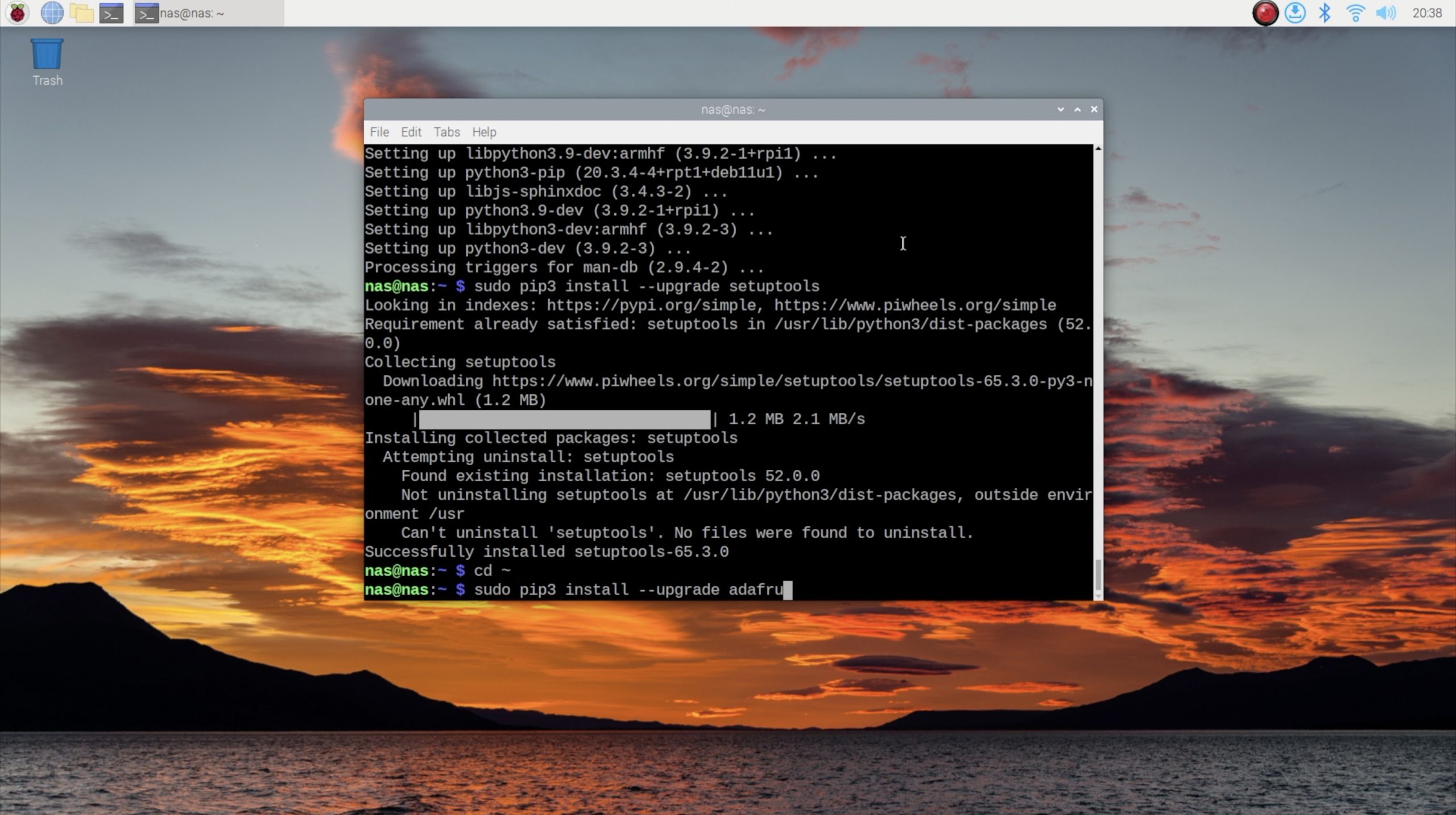
We’ll start by setting up the OLED stats display using my display script. Following the commands in this guide to set it up, starting with the updates. Each time you reboot your Pi, you’ll need to ssh into it again once booted to continue setting it up.

Next, we can move on to installing Open Media Vault or OMV. This is done with a single line:

wget -O - https://github.com/OpenMediaVault-Plugin-Developers/installScript/raw/master/install | sudo bash

This script may take up to 30 minutes to run through and will end with your Pi requiring to be rebooted.

Installing Open Media Vault

Once that is up and running, we can access our NAS through a web browser by going to the IP address shown on the OLED display. It’s also a good idea to set this up as a fixed IP address on your network as well, this will ensure that your NAS is given the same address each time it boots and will make it easier for the other computers on your network to find it. This is typically done through your router’s configuration interface but differs from brand to brand.

Log in to your NAS using OMV’s default username “admin” and password “openmediavault“.

The following instructions for the configuration of the NAS are quite high-level and assume that you’ve got some familiarity with OMV or other file-sharing packages, but should be sufficient to help you get started.

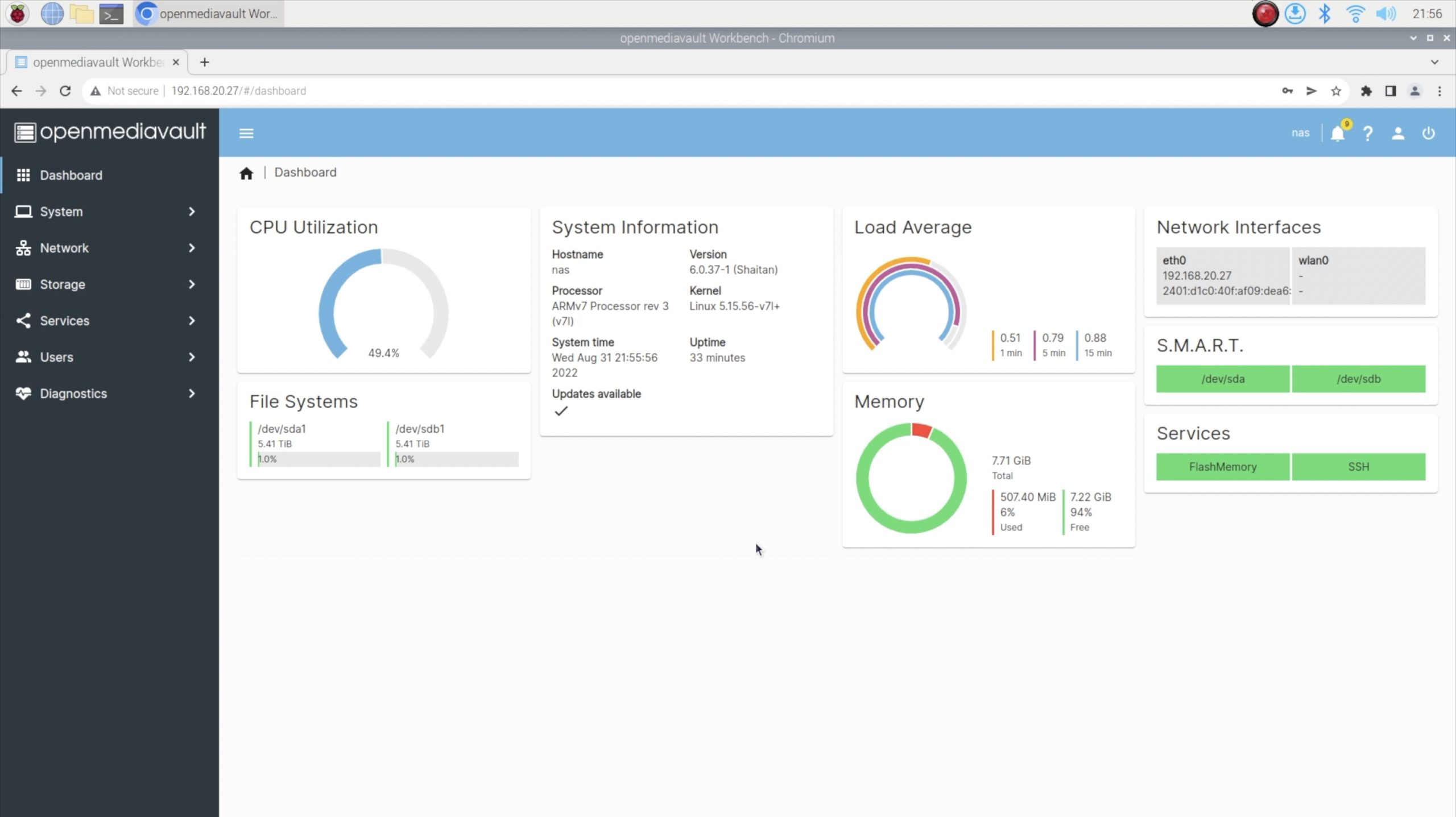
From the OMV web interface, you’ll probably be prompted to set up your dashboard. This doesn’t matter too much but just allows you to set up what information is displayed when you log in to the web interface. Choose which items you’d like to see on your dashboard and then click on save.

OMV Dashboard

The first thing you’ll want to do is to click on the gear in the top right and change your password to something other than the default.

Next, click on Storage in the menu on the left and then go to Disks. Both of your connected drives should show up here. If they don’t then shut the NAS down, check your connections and try again.

Drives Visible In OMV

If both of your drives show up, then click on File Systems in the menu on the left again and then click on the small plus sign to create a new file system.

Ideally, we’d want to use the two drives in a RAID 0 or RAID 1 configuration so that we’ve got a single storage volume and potentially some redundancy, but OMV and most other packages don’t support RAID across USB-connected drives, so we’ll only be able to set them up as two separate storage volumes.

RAID Configuration Options In OMV

I’ve created one volume for my documents and files and then one for media like music, photos and videos.

You’ll need to select your drive and the file system type – EXT4 is fine for most setups. You’ll then be asked to mount your new file system. You’ll notice a yellow bar at the top asking you to apply your configuration changes. You can do this as you go or all right at the end, it doesn’t really matter. I like to do it as I go through each step.

Once we have a File System, we then need to create a Share Folder, so click on that menu option on the left. Click on the small plus sign to create a shared folder, then give it a name and select the File System you’d like to create it on. Leave the other fields as their defaults.

The last thing that we need to do is activate the SMB service so that our folder is accessible over our network. We do this by going to Services, then SMB/CIFS (Server Message Block / Common Internet File System), then clicking on settings and toggling it to Enabled. The other fields can be left as defaults.

Shared Folders & Services In OMV

Then go back to SMB/CIFS and click on shares to create a share, toggle to Enabled and select the folder that you’d like to share over the network. You can also set permissions to allow Guests (users who haven’t logged in) to access the folder or require all users to log in (using their OMV username and password) to access the shared folder. Click on save, then accept the configuration changes at the top (yellow bar) and your NAS is then ready to be accessed on another computer.

It’s a good idea to set up users and roles as well, but for the purpose of this guide, the NAS is now usable on your network.

How To Access Your NAS On Your Network

The way in which you access your NAS on your network will depend on what device you’re accessing it from and what operating system it is running.

On a Mac, open up Finder then click on Go and Connect to Server. Enter the path of the network drive that you’re trying to map and then click on connect. You might be asked to enter login details, then click on Ok to mount the drive.

NAS Test Files To Be Copied

On Windows 10, open File Explorer, click on This PC from the left panel, then Computer from the tabs at the top and then Map Network Drive. Select an available drive letter, enter the path of the network drive that you’re trying to map (or use the Browse function) and then select Finish.

Copying Files To NAS In Windows

Let me know what you think of my Raspberry Pi NAS in the comments section below, or if there are any changes you’d like to see made to the design. Also, check out my comparison between this DIY NAS and the Asustor Drivestor 4.

I Upgraded My 3D Printed Speakers, Adding WiFi Streaming and AirPlay

I recently built a Bluetooth speaker for my workshop. It works quite well and I’ve been happy with the sound quality so far, but then Arylic reached out and asked if I’d be interested in trying one of their DIY amplifier boards, or more specifically the Up2Stream Amp V4.

Arylic sell a range of wired and wireless amps and speakers which are ready to use. They also sell the electronics separately in the form of DIY boards that allow you to build your own enclosures and speaker sets, or add streaming support to your existing setups.

Since I had designed my speaker with adaptability in mind, it would be fairly easy to swap out the amplifier I used, so I agreed to give it a try.

Here’s my video of the build, read on for the written guide:

What You Need To Build Your Own WiFi Speaker

Equipment Used

What Is The Arylic Up2Stream Amp V4?

The Arylic Up2Stream Amp V4 arrived in the mail about a week after shipping. It comes in a small plastic case along with a terminal block, screwdriver and manual.

Arylic Up2Stream Amp V4

The box it arrived in is from an older 2.0 model, the actual board is the V4 board. You can see this marked on the underside of the board later.

The biggest difference between this and the amplifier that I used previously is that this board adds WiFi to my speaker, with the ability to connect directly to online streaming providers like Spotify or Amazon Music to stream. This avoids any compression losses and any issues with the range of the speaker from the playback device. It also adds support for Apple AirPlay and you can use multiple Arylic Up2Stream boards for multiroom installations.

Arylic Up2Stream Amp V4 Listing

It does come with an increased price tag though as this board is currently being sold for $99 through Arylic’s web store.

The Up2Stream Amp has two 50W outputs at 24V when used with 4ohm drivers like the Dayton Audio drivers I used. It accepts a voltage input from 12 to 26V and can be used with 4 to 8 ohm drivers.

Unboxing The Arylic Up2Stream Amp V4

The board is jam-packed with plugs and pins to add inputs, buttons and displays, most of which are available as plug-in modules from their web store. So you can build your own custom setup. You can even add a DAC for enhanced audio quality.

Accessories For Arylic Products

At the front is a mode light to tell you what the mode or current sound source is, and an IR sensor for remote control. The remote control can also be bought separately from their web store.

Front Panel LED and IR Sensor

At the back is a power button, an RJ45 LAN Port for a wired connection, a USB port to play music from a flash drive, a micro-USB port for sound input from a computer, a 3.5mm line-in jack, speaker output terminals and a 12-26V DC power input jack.

Back Panel Ports

As mentioned previously, there are a number of ports and pins available for add-ons and these are all labelled on the underside of the board.

Underside of Up2Stream V4

Designing The New Amplifier Housing

To start off, we need to re-design the amplifier housing to hold the Arylic Up2Stream Amp between the two speakers. Because this amplifier is a bit wider, we’re also going to have to adjust the speaker handle to span a bit further, but we’ll pick up on the same screw holes so that we can use the speaker housings with either amplifier board.

Modified Speaker Housing

I printed the new housing and handle out on my 3D printer and laser cut a new acrylic cover for it. I also engraved some labels onto the acrylic cover for the ports on the back and the mode LED.

3D Printed and Laser Cut Components

If you’re making this speaker from scratch and not modifying the previous design, please visit the previous design page for more detailed information on making up the speaker housings and wiring the drivers.

Assembling The Arylic Amp & Speakers

Before we can assemble the components, we need to melt some M3 brass inserts into the newly printed parts for our screws to screw into. I did this on the previous build as well to improve the strength and durability of the screwed joints.

Brass Inserts For M3 Screws

These are just melted into place using a soldering iron set to a temperature higher than the 3D printing filaments melting temperature, 250-350C works well.

Melting In Brass Inserts

On the Arylic amplifier housing, you’ll need to add four inserts to the top four holes for the acrylic cover and then four inserts into the holes on the sides to mount to the speakers. The handle also needs six brass inserts as with the original design.

As with the previous design, the amplifier is mounted into the housing with some brass standoffs, although these are now M2.5 x 6mm standoffs. These just screw into the holes I’ve printed into the base of the housing and the amplifier is then held in place with an M2.5 screw into each standoff.

Brass Standoffs To Mount Amplifier

Before I screw the amp onto the standoffs though, I’m going to solder the speaker wires to the board. This is so that I don’t have to add the terminal block onto the back and have the speaker wires sticking out the back of the amp.

Removing The Old Amplifier

You’ll need to first remove the terminal block connector from the board by heating up the soldered joints either with a hot air device or your soldering iron.

With that done, we can now screw the amp into place.

We also need to stick the WiFi and Bluetooth antennas onto the sides of the amplifier housing.

Sticking On Bluetooth and WiFi Antennas

The top cover is then held in place with some M3 x 8mm button head screws.

Screwing Acrylic Cover Into Place

The handle can then also be replaced with the same M3 x 8mm button head screws, three screws on each side.

Installing Handle On Speaker Housings

We can then close up the speaker housings again by re-installing the side panels.

Installing Acrylic Covers On Speakers

That’s our speaker modification complete, so let’s turn it on and try it out.

Speaker Modification Complete

Using The Arylic Speaker & 4Stream App

I’m going to use the same 24V 3A adaptor that I used previously. It’ll also run using the 12V in-line UPS that I used previously although the battery life will likely be a bit poorer with this more power-hungry amplifier.

Once we have power to the amp, we need to download Arylic’s 4Stream App. We can then find our device and set it up on our WiF network. These steps are all guided pretty well from within the app.

Pairing The Speaker On 4Stream App

That’s it, it’s now ready to start streaming.

From the app, we can set up music streaming sources or play local music on the device. I obviously couldn’t stream music from Spotify or Amazon music for my test in the video, so I had to play a local file.

Streaming Music On Speaker

There was definitely a significant improvement in audio quality when compared to the Bluetooth amplifier.

Playing A Local File

We can now control the bass and treble settings from the app, rather than the previous physical controls.

Adjusting Treble and Bass Controls

We can also playback local files or play music through Apple music using AirPlay.

The 4Stream app by Arylic also allows you to set up device names and multi-room zones. You can even set up presets to easily access your favourite music playlists from the remote control or certain buttons, and you can set an alarm clock to start and stop playing music at a specific time.

Final Thoughts On The Arylic Up2Stream Amp V4

The Arylic Up2Stream Amp V4 has made a noticeable improvement in the audio quality of my speaker and I love that I’m now able to play music without having to keep my phone nearby.

The speaker terminals are one of the things I don’t really like on the board. If your speakers are separate from your amplifier, which is most often the case, then this arrangement works well, but I would have liked some pads next to the terminals or different terminals that could be used if you want to keep the speaker wiring internal, like with my design. It’s not a big issue, I just removed the terminal block and soldered the speaker wires to the board directly, but I feel like this should have just been an option.

I also think a nice feature for this amplifier would be to add PoE support. It would be great to have a single network cable plugged in to provide both the data connection and power to the device, which seems like it would fit in with the amp’s power requirements.

Other than those, their range of DIY boards and accessories are great for building your own custom speaker sets, or even if you’d just like to add streaming support to your current setup. Check out Arylic’s web store for some other amplifier options and to see their range of accessories.

Let me know down in the comments what you think of the Arylic Up2Stream board or if you’ve used one of their other products.

Connecting A PWM Fan To A Raspberry Pi

A month or two ago I got a 40mm RGB fan with a cooler. In addition to the usual black and red power input leads, it had a third blue lead for PWM input. This seemed like quite a nice idea, slow down the fan when the Pi doesn’t need it and I’d have a much quieter setup.

RGB Fan With PWM Control

So I plugged the lead into the nominated GPIO pin, downloaded the supplier’s script and ran it, only it didn’t do what I thought it would. The script just turned the fan on at full speed above a certain temperature (I think this was 55°C) and turned it off completely below this temperature.

Pi Fan Connected To Raspberry Pi

A bit puzzled by this odd use of the PWM control pin, I then searched for some other scripts and all of the ones I found had some variant of turning the fan on or off at a certain temperature. Some did this through a python script and some used Raspberry Pi OS’s built-in fan control setting.

Suppliers Script With 0% ot 100% On

This solution obviously has some benefits as the fan is only running when it needs to be. But it isn’t really using PWM control. In fact with the 5-6mA current draw that these fans typically have, you could probably just plug the 5V supply lead into one of the GPIO pins and turn it off directly, you don’t even need a PWM fan. I wouldn’t suggest doing this permanently as there is a higher start-up current and you’ll probably run into issues if you add multiple fans.

So in this tutorial, we’ll fix that and write a script to make proper use of our fan’s PWM input.

Here’s my video trying out the scripts and testing the fan noise, read on for the written instructions:

What You Need For This Tutorial

  • Raspberry Pi 4B (This will work on any Raspberry Pi model) – Buy Here
  • 40mm 5V Noctua PWM Fan (Preferred) – Buy Here
    • or
  • 40mm 5V RGB Fan (Not as quiet) – Buy Here
  • Jumper Leads (For Noctua Fan) – Buy Here
  • Raspberry Pi SSD Desktop Case – Buy Here

Some of the above parts are affiliate links. By purchasing products through the above links, you’ll be supporting this channel, at no additional cost to you.

Testing The 40mm 5V RGB FAN

I started out by writing my own PWM script that actually uses a varying PWM output to control the speed of the fan, not just turn it on or off. The script fetches the CPU temperature, then scales the temperature from a range of between 25 and 80 degrees and turns it into a fan speed between 0 and 100, then sets this as the PWM fan speed.

Creating My Own PWM Fan Control Script

You can download the script from my Github repository. I’ve included instructions further along on installing this script and configuring it to automatically run on startup.

I plugged the fan into 5V, GND and GPIO pin 14.

Then I hit run to try it out.

Pi Fan Running PWM Script

This is when I figured out why these scripts all just use 100% on or off as their so-called PWM control. These fans sound horrible if you actually try varying their speed. Running at any level of reduced speed, they’re way louder than they are when running at full speed, so there really is no point in reducing their speed.

I thought that this might be related to the PWM frequency. I had this initially set at 100Hz, as this is what was in the other scripts, but I tried reducing it to 50Hz, and increasing it to 120Hz. This made very little difference, it just changed the frequency of the noise that the fan produced.

Changing Fan PWM Frequency

And this wasn’t just a bad fan, I literally tested this on over 10 different fans and from different suppliers. Some were a little better or worse than others but they were all noisy to the point where it was quieter to just run the fan at full speed all the time.

RGB 40mm Pi Fans Tested

Testing The 40mm 5V Noctua Fan

I then recalled buying a Noctua PWM fan for a build a while ago that I had never gotten around to using. This has a four-pin connector as it provides RPM feedback as well as PWM control, but we’ll just leave the RPM feedback disconnected for now.

Noctua NF-A4x10

You’ll need to replace the MOLEX connector or use some male-to-female jumpers to pick up on the pins to connect it to your Pi.

Connecting Pins To 4 Pin Connector

Like with the RGB fan, I plugged this fan into 5V, GND and GPIO pin 14 and tried out the same script.

Noctua Fan Connected To Raspberry POi

This time it ran perfectly. Noctua fans are known for being quiet, and being a small 40mm fan you can still hear some fan noise at full speed, but anything under 50% is practically silent. You can also actually slow the fan down to almost zero without any issues or weird noises coming from it – something the RGB fan struggled with.

Installing And Using The PWM Fan Control Script

When I was happy with the way in which the fan control worked, I then cleaned up the script. I actually landed up making two versions of it.

The first is the one that I used for my testing. It turns the fan on when a minimum temperature has been reached and then ramps the speed up sequentially to full speed at the Pi’s thermal throttling temperature of 80 degrees.

Proportional Temperature Script

This is fine for the Noctua fan, but if you use a fan that produces any noise or frequency hum then it gets annoying having the pitch of the sound constantly changing. So the second script addresses this.

The second script ramps up the fan speed in steps rather. So anything over 25 degrees is 25% on and this then increases in steps with each temperature band. This means that the fan operates at a fixed speed for a given temperature range, so the pitch of the sound it makes doesn’t change that often.

Stepped Temperature Script

To install the scripts from my Github repository and get them to run automatically on startup, use the following commands.

Update your Raspberry Pi’s software and reboot the Pi:

$ sudo apt-get update
$ sudo apt-get full-upgrade
$ sudo reboot

Download the fan script from Github:

$ git clone https://github.com/mklements/PWMFanControl.git
$ cd PWMFanControl
$ cp FanProportional.py ~/FanProportional.py
$ cp FanStepped.py ~/FanStepped.py

Set up crontab to run the script automatically on startup:

$ crontab -e

Add one of these lines to the end of the crontab file, depending on which script you’d like to use:

@reboot python3 /home/pi/FanProportional.py &

or

@reboot python3 /home/pi/FanStepped.py &

You can then remove the downloaded folder and reboot your Pi to test it:

$ sudo rm -rf PWMFanControl
$ sudo reboot

If a quieter fan is something you’d like to try, then I definitely recommend getting the 40mm 5V Noctua fan that you can actually PWM control without increasing the fan’s sound. It’s obviously a lot more expensive than the clear RGB ones shipped with most cases and coolers ($15 vs $5.50 at the time of writing), but it might be worth it if you value silence.

Noctua Fan In Raspberry Pi Desktop Case

I’m interested to see if anyone has had any luck with getting the clear RGB fans to run quietly under PWM control, if you have please let me know what you did in the comments section below.
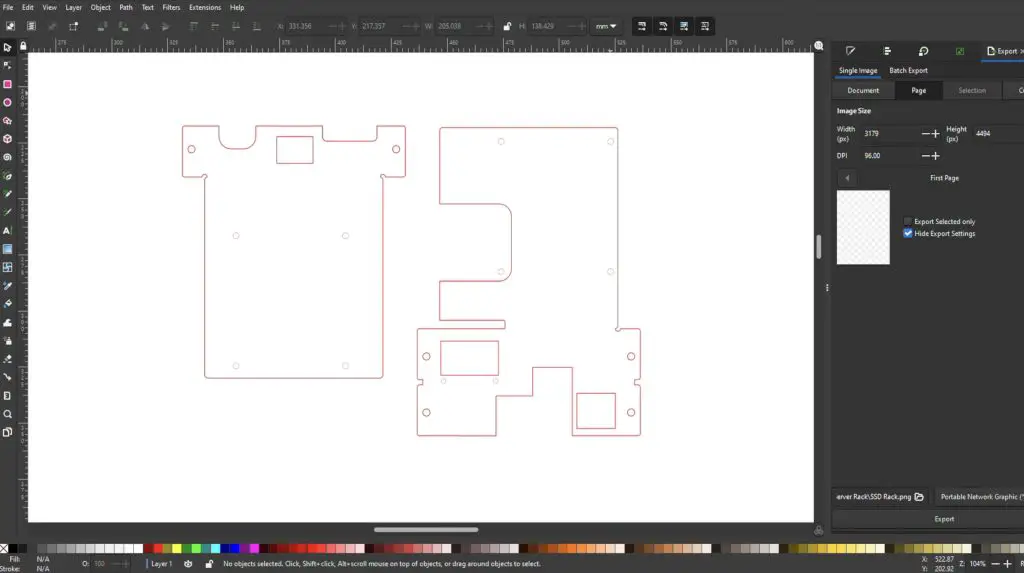
A New Raspberry Pi Powered Laptop – The CrowPi-L

Today we’re going to be taking a look at the new CrowPi-L, a Raspberry Pi 4 based laptop by Elecrow. This is essentially a slimmed-down and slightly more refined version of the popular CrowPi2.

CrowPi L Raspberry Pi 4 Based Laptop

They’ve taken some of the community feedback on the CrowPi2 onboard in producing this laptop, so it’s got a number of nice upgrades. They have included an internal 5000mAh battery, which should power the laptop for up to three hours, and have simplified the way to install and remove your Raspberry Pi.

Take a look at my review video or read on for the written review:

Where To Buy A CrowPi-L

The CrowPi-L is primarily available through Elecrow’s web store. A single product page allows you to select from all of the available options for the laptop and add-ons.

First up are two versions, the basic kit which just includes the laptop and then the advanced kit which includes the laptop and the Crowtail starter kit. It’s also available with a black or a white keyboard and you can select it with an optional 4GB or 8GB Raspberry Pi. Given the price difference, I’d probably look at getting a Raspberry Pi elsewhere. You can then also select your plug type at the bottom.

CrowPi Product Page

I’d really like to see a slimmed-down version of the CrowPi-L for the Pi Compute Module 4, but until these are readily available again that’s probably not viable for them.

Alternately, it is also available through their Amazon store where you can select from the Basic Kit or the Advanced Kit that includes the Crowtail Starter Kit.

Unboxing The CrowPi-L

The CrowPi-L comes in a white branded box with a neat carry handle on the top.

CrowPi L Box

Opening up the lid, we’re greeted with the CrowPi-L.

Unboxing The CrowPi L

Alongside that is a white wireless mouse to match the laptop, some hardware to mount the Raspberry Pi within the laptop and then a little red adaptor board. They call this the Crowtail adaptor board and you basically use this in conjunction with the Crowtail starter kit to tinker with adding sensors and electronics to your Pi.

Crowtail Adaptor Board

In the compartment at the top, we’ve got a power adaptor. This has a USB type C connector on it but says it supplies 12V, so I assume it’s a USB type C power delivery adaptor although it doesn’t say that anywhere and it doesn’t have any specs for the other lower voltages, so I’m not too sure. I’d probably be cautious plugging this into a standard USB type C device.

USB C Power Adaptor

Taking a look around the CrowPi-L, we’ve got an 11.6″ IPS display with a webcam and microphone above it.

We’ve also got a nice full-size keyboard along with the power button and trackpad above it. I’m not sure why they’ve put the trackpad in this spot. It seems a bit odd to me, but at least it gives you a way to use the pointer if you can’t use the regular mouse or don’t want to carry it around. Alongside the trackpad is a GPIO pinout diagram.

CrowPi L Set Up

On the left side are the Pi’s ports, so we’ve got an Ethernet port, two USB 3 ports and one USB 2 port. The second USB 2 port on the Pi is used by the CrowPi-L presumably for the trackpad and keyboard input as well as the webcam.

Raspberry Pi Ports On CrowPi L

On the opposite side is a compact GPIO header, a 3.5mm audio port, HDMI port and the USB C power port.

GPIO Audio HDMI and Power Input Ports

The GPIO header is not the same size as the one on the Pi, it is a more compact version that the CrowTail adaptor board will plug into.

Raspberry Pi GPIO Pins

On the back, we’ve got two speakers for stereo audio and some ventilation holes in the middle.

Speakers On The Back

On the bottom, we’ve got two removable covers. The larger one that is held in place with some screws covers the battery compartment and this smaller one at the top is where we install our Pi. This is just held in place magnetically, to make removal of the Pi much easier – something that the community asked for on the CrowPi2. The adaptors are all designed for a Raspberry Pi 4, and you can use the 2GB, 4GB or 8GB variants.

Bottom Of CrowPi L

Taking a look at the battery, it looks like it’s two lithium-ion cells making up a 7.4V pack with a total capacity of 5000mAh.

Internal 5000mAh Battery

Installing The Raspberry Pi

To install our Raspberry Pi, we need to plug this adaptor board into the ports on the side, and a smaller one into the top USB port. The small adaptor connects to the larger adaptor with a short ribbon cable.

Adaptor Boards Plugged Into Raspberry Pi

We’ve then also got this really cool microSD card adaptor. This allows you to insert microSD cards into the slots on both sides and you can then use a switch on the A side to choose which card to boot from. So you can dual boot your Pi really easily without having to swap cards. I think this is a really cool feature.

MicroSD Card Adaptor With Pleflashed Card

The whole assembly then connects to the CrowPi-L through a ribbon cable.

The Pi is held in place magnetically, so we need to add some included screws to the bottom for the magnets to attach to.

Adding Screws For Magnetic Attachment

Lastly, we fit an adaptor onto the top to direct the Pi’s GPIO pins through to the port on the side of the CrowPi for the Crowtail adaptor board. This adaptor also has a fan on it to provide cooling to the CPU.

That’s our Pi installed and ready to be used. They’ve done really well with the design here, it’s one of the neatest and most functional I’ve seen. Usually, you need to connect a number of loose cables between the Pi and the laptop or tablet, so this is a really clean setup.

First Boot Of The CrowPi-L

Now that we’ve got our Raspberry Pi installed, let’s get it booted up.

CrowPi L First Boot

The first thing I noticed is that the display is really good. The details are sharp, the brightness is great and it’s got an anti-reflective coating which really helps when working in areas with bright lights or windows. A lot of these sort of products take shortcuts with the display to keep the cost down, they definitely haven’t done so with this one.

This is running Elecrow’s version of Raspberry Pi OS, so you get some nice features specific to the CrowPi-L, like the battery monitor in the bar at the top. This shows you the remaining battery capacity in quarters and indicates whether the battery is charging or being used.

Pi Panel Opens On Startup

The trackpad isn’t great. It is usable but you probably wouldn’t want to use it as your go-to device. You also can’t rest your wrist when using it or you’ll push keys on the keyboard, so it’s not comfortable to use for extended periods.

Using The Included Trackpad

Performance-wise, you’re going to get the exact same performance you’d get out of a standalone Pi. This is effectively just an all-in-one package for a Raspberry Pi, so it’s not going to give you any better or worse performance than the Pi itself would by itself.

CrowPi L Performance

Using The GPIO Pins & Crowtail Starter Kit

If you’ve looked at the pricing, you’re probably wondering why you’d spend around $350 for this laptop (once you’ve added in your Pi) when you could get a second-hand or low-end laptop with better performance for a similar price.

The biggest benefit I see is that this is a really good, ready-to-run learning platform. It comes with Pi Panel pre-installed and this guides you through a number of projects step-by-step. All of the required software, drivers and libraries are ready to run as well. You can start out with drag and drop block coding using Letscode and then move on to Python programming in Thonny once you get more comfortable.

To get the most out of this functionality, you’ll probably want to get the Crowtail starter kit or another 4-wire sensor kit so that you’ve got some basic electronic components to work with.

Crowtail Starter Kit

The Crowtail starter kit comes with 22 modules as well as some breadboard jumpers and 4pin cables. Some of the included modules are a PIR sensor, moisture sensor, buzzer, button, capacitive touch sensor etc.. The full list is available on their product page.

They also have Crowtail starter kits available for Arduino and Micro:bit, take a look at their full product range.

Included Modules With Crowtail Starter Kit

Each module has a four-pin interface that you can use an included cable to plug into the Crowtail board. So it’s all plug-and-play which is great for beginners.

Modules and Adaptor Board are Plug and Play

The kit also includes a base shield which you can use directly on your Raspberry Pi’s GPIO pins if you aren’t using the CrowPi laptop. It’s basically the same sort of adaptor as the Crowtail but to be used straight in your Raspberry Pi.

Crowtail Adaptor Boards

As a beginner, it can be quite intimidating to open up a box of electronics and have to figure out how to connect them while also learning how to code the software. This package makes the first step a lot more manageable with the modules all being plug-and-play and the software preconfigured, so you can progressively work on more and more advanced projects.

Trying Out An Included Project On The CrowPi-L

To get a feel for how the included modules and software work, let’s try one of the included projects. I’m going to go with connecting an ultrasonic sensor and display to the Pi and we’ll use Letscode to drag and drop the program.

Trying Out The Ultrasonic Program

The lesson takes you through each step, from what you need to how they work, and from the circuit connections to the actual program. They even give you an example program at the end of the lesson.

Drag and Drop Code

Now let’s see if I’ve got this right.

Ultrasonic Sensor Running

So yeah that’s all working the way it should and the whole program was pretty simple to put together by following their instructions. I didn’t have to install any additional packages, libraries or drivers to get this working.

They also have similar lessons for Python as well. These are obviously a bit more involved and are great for learning the basics of Python programming too.

Python Programming Example

Dual Boot Using The Included MicroSD Card Adaptor

When installing the Pi, we saw that we could boot from either microSD card. So I’ll show you how easy it is to switch to a different operating system.

We just shut down our Pi, open up the magnetic cover and flip the switch over to the second microSD card and turn it on again.

Flipping Dual Boot Switch To Change Boot Source

This is a really cool dual boot system that I haven’t seen implemented on a Pi before.

Booted To Ubuntu

Potential Issue With The 12V Power Adaptor

Getting back to the power adaptor. If I plug it into my USB tester it immediately comes up as being 12V, so I’m almost certain that this isn’t a power delivery adaptor and will likely fry any non-power delivery electronics you plug it into.

Power Delivery Adaptor Running At 12V

So that’s something to be cautious with. Generally, if you plug a power delivery adaptor into this tester it defaults to 5V because this meter doesn’t have to power delivery circuitry required to request a higher voltage.

Real Power Delivery Adaptor Running At 5V

This issue doesn’t affect the operation of the CrowPi laptop as they state in the manual that it can run using other USB C power delivery adaptors, but it’s something you’ll want to be cautious of if you ever use this adaptor with other USB C devices. I’d go as far as to suggest throwing it out and getting a replacement, you don’t want to forget about this issue and then use the cable to try and charge a mobile phone, action camera or even plug it into a Raspberry Pi and destroy it.

This might not be an issue – there is a chance that this adaptor does work with 5V devices and this is a non-issue, but given the results from my USB tester this is not something I’m willing to try out on my devices.

Final Thoughts On The CrowPi-L

Overall I think the CrowPi-L is a really great product. The design is well thought out and the display they’ve used is excellent.

I would have liked to have seen some internal support for an SSD, maybe through using one of the USB 3.0 ports instead of the USB 2.0 port. As I’ve mentioned earlier, the trackpad is also in an odd place, but that’s about it. I don’t really have any other complaints about it.

It feels like it is good quality, it runs well and the effort that they’ve put into making this an education platform rather than just a laptop I think makes it well worth the price tag.

Let me know what you think of the CrowPi-L in the comments section below and also let me know if there is anything you’d like to see me try out on it.

CrowPi L Raspberry Pi Laptop Computer

I Turned The New LattePanda 3 Delta Into A Rugged Cyberdeck

Today we’re going to be using the new LattePanda 3 Delta from DF Robot to build a cyberdeck that packs up into a rugged, waterproof case that you can take with you almost anywhere.

Cyberdeck In Pelican Case

The LattePand 3 Delta is a pocket-sized single board computer with a powerful processor and a great combination of IO. It can run a range of operating systems, like Windows 10 or 11 and distributions of Linux and it even has an onboard Arduino that provides 12 Analogue inputs, and 23 digital IO pins.

As the name suggests, this is the 3rd generation of LattePanda board and it features a few upgrades, the most significant being the new quad-core Intel N5105 processor running at 2.0Ghz, with a burst frequency of up to 2.9Ghz. It provides double the CPU performance of the previous LattePanda and three times the GPU performance.

Here’s my video on unboxing the LattePanda 3 Delta and building the cyberdeck, read on for the write-up:

What You Need To Build Your Own Cyberdeck

Equipment Used

  • Atomstack X20 Pro Laser Cutter – Buy Here
  • Electric Screwdriver Set – Buy Here

First Look At The LattePanda 3 Delta

The LattePanda 3 Delta comes in a black branded box with the board’s PCB and large heatsink and cooling fan as the main feature. It’s also got its specifications and contents listed on the side panels.

LattePanda 3 Delta In Box

First up when we open the box is the LattePanda in a clear plastic case. In addition to the board, this case also includes a quick start guide and a small packet with the Bluetooth and WiFi antennas.

LattePanda 3 Delta Unboxing

Beneath it are two power cables for different outlets (American and European), a set of nylon standoffs to mount it on and then the power adaptor.

Included With The LattePanda 3 Delta

The power adaptor is a branded 45W USB-C adaptor that supports power delivery up to 20V at 2.25A, so there is plenty of power for the LattePanda to work with. I like that the adaptor has a removable cable so you can replace it to suit your country’s power outlets. Or if it gets damaged.

LattePanda 3 Power Adaptor With Power Delivery

In addition to the upgraded CPU, the LattePanda 3 Delta also has 8GB of LPDDR4 RAM, 64GB of eMMC storage, dual-band WiFi 6 and Bluetooth 5.2.

First Look At The LattePanda 3 Delta

On the bottom of the board, we’ve got an M.2 B-Key port for a mobile network module or SATA SSD and an M.2 M-Key port for an add-on graphics card or NVME SSD. There’s also a sim and microSD card slot.

M.2 Ports On Bottom

There are three ways to hook it up to a display, you can use the obvious HDMI port on the side or the eDP connectors on the bottom or drive a display through the USB type C port that’s also used for power. So you’ve got support for dual 4K monitors through the HDMI and USB C ports.

Underside of LattePanda 3 Delta

There are three USB 3 ports on the side, one USB3.2 Gen 2 port (on the left) that supports data transfer up to 10Gb/s and two USB3.2 Gen 1 ports (on the right).

USB Ports on the Side

On the opposite side is the USB type C port for power input, a 3.5mm audio jack, a gigabit Ethernet port and the HDMI port.

Ports on the Top

My favourite feature of the LattePanda 3 Delta is the onboard Arduino which gives you a lot of options for IO for your electronics projects. These pins along with a range of other interfacing pins are broken out on headers on either side of the cooling fan. The board has been designed with makers in mind, so it’s also got some additional features like a watchdog timer that’ll reboot your system if it detects that it is no longer responding or has crashed.

Booting It Up For The First Time

Now let’s install the antennas and get it booted up. The Bluetooth and WiFi antennas are physically identical and need to be installed on the pins alongside the small silver Intel adaptor on the bottom of the board.

Installing The Antennas on the LattePanda

The LattePanda 3 Delta comes with Windows 10 pre-installed but it’s easy to set up to dual boot a Linux OS as well. You can also upgrade the Windows 10 install to Windows 11 if you’d like.

First Boot To Windows 10

Another nice feature of the LattePanda is that it can be powered via USB C or through the 12V JST PH2.0 4 Pin connector next to it. Their documentation also says that you can switch between the two while powered without interruption, which is pretty cool. The board will automatically switch to the supply that provides the highest voltage.

The onboard fan is impressively quiet. It’s PWM controlled so it ramps up when the CPU is loaded, but with low-intensity tasks, you can barely hear it.

Fan Noise Is Impressively Low

Turning The LattePanda 3 Delta Into A Cyberdeck

Since the LattePanda 3 Delta is aimed at being a powerful mobile computer, I thought it would be great to turn it into a cyberdeck. So I’m going to do that by installing it in a Pelican case along with an HD touch display, a fold-up keyboard and a low-profile mouse.

Cyberdeck Components To Be Used

As the brains of the cyberdeck, I wanted the LattePanda to be visible, rather than hidden behind the display or keyboard. I also want to provide a path for adequate airflow and I want to be able to access the IO pins for hooking up sensors and other external devices if I need them.

LattePanda Should Be Visible On Cyberdeck

I want to maintain the Pelican case’s waterproof design, so I don’t want to drill holes in the sides for cables or ports. I’m going to rather reroute the ports on the board to ports on the main deck to plug into.

Making Up The Custom Components

I sketched up some parts to hold all of the components in Inkscape, these consist of the bottom deck with a holder for the LattePanda and divisions for the keyboard and mouse, and then the top deck to hold the display.

Design of Components in Inkscape

I then laser-cut the components from a sheet of 3mm mdf. You’ll need a sheet of about 400mm x 400mm to cut all of the components from. I laser cut the acrylic cover from some 3mm clear acrylic, 2mm acrylic will also work.

I glued the pieces together using some PVA wood glue, clamping them together while the glue dried. I first glued the port frames and magnet holder into place, then the edges of the keyboard and mouse holder and then finally glued the support box together.

Once the glue was dry, I gave the parts a coat of general purpose primer and then a few coats of satin black spray paint. I allowed the parts to dry for a few hours in the sun before moving on to assembling the cyberdeck.

Spraying Components With Black Spray Paint

Installing The Components In The Case

Now we can start putting the Cyberdeck together. I’m going to start by installing the display in the top holder.

To hold the display in place, I’m going to use some M3 x 12mm button head screws and nuts. I pushed a screw through the front panel and held it in place with a nut on the back. I then used a second nut as a spacer before the display and then held the display in place with another nut. I did this so that I could accurately control the depth of the display behind the front panel/frame so that it was flush.

Installing Button Head Screws For Display

We need two cables for the display panel, one HDMI cable for the display input and one micro-USB cable for power and the touch input.

Installing the HD Touch Display

These can be fed through the cutout at the bottom which will then run into the bottom of the case where the LattePanda is.

To mount the LattePanda, I’m going to use some 6mm high M3 nylon standoffs. I’m not using the ones that came with the LattePanda as I want to mount it close to the base board so that there is more room underneath the compartment for cables.

LattePanda 3 Delta Installed In Holder

I bought a couple of extension cables so that I can reroute the ports to the surface of the cyberdeck rather than having to reach the sides of the LattePanda to plug cables in. These press into the cutouts in the MDF so that the front of the port is flush with the deck surface. The press fit is quite tight so that they’re doing most of the support work for the port.

Pressing Cables Into Port Cutouts

We can then use a bit of hot glue on the back as an extra measure to hold them in place.

Gluing The Cables Into Their Holders

I cabled tied the extension leads together to neaten up the wiring and to make it easier to install into the base of the pelican case.

Cable Management Behind LattePanda

Now get them installed in our Pelican case.

The display panel fits into the top and we can then secure it with some hot glue. I tried to put the glue behind the panel as far as possible so that it’s less visible.

Installing Display Into Cyberdeck

I fed the HDMI and USB cables through to the LattePanda and again cable tied these to some of the existing cables to hold them in place. We can then glue the bottom into place in the Pelican case as well.

Installing Base Into Cyberdeck

To finish it off, let’s add the clear acrylic cover over the board. This has a cutout for the fan and I’m going to install four magnets in the corners to hold it in place on four magnets on the MDF panel. I’ve held all of these magnets in place with some UV glue.

That’s it, our Cyberdeck is now complete and ready to use.

Cyberdeck Completed

Final Thoughts

The onboard Arduino allows you to hook up sensors, servos and displays directly to the IO pins, so it’s great for tinkering with electronics or deploying as a project solution. By adding some of DF Robots hats to the Arduino pins, you can easily hook up grove sensors, I2C displays and even use industrial communication protocols like RS232 or RS485.

Plugging In Cables For First Boot

The touch display is a little small to work with comfortably, but it’s a nice addition if you’re working in an area where the mouse is not practical to use.

Using Touch Display To Interact With Lattepanda

I’ve hooked up the USB3.2 Gen 2 port to the top panel, so we’ve got a port that is perfect for use with high-speed devices, something like an SSD or a high-speed network adaptor would be ideal.

Plugging Drive into USB 3.2 Gen 2 Port

For additional IO you can also use a power delivery adaptor like this on the USB C port. This one adds an SD card reader, two more USB ports and an HDMI port while still allowing you to power the LattePanda through the same USB C port.

USB C Adaptor To Provide Additional IO

Overall I think the new LattePanda 3 Delta is an awesome little single-board computer. It has enough power to be used as a standalone computing device and, with the addition of the onboard Arduino, it’s perfect for makers to use for their electronics projects.

Let me know what you think of the new LattePanda Delta 3 in the comments section below. Also, let me know what you think of my cyberdeck and if there is anything you’d add or do differently.