
Home Blog Page 57

Chocolate Lasagne

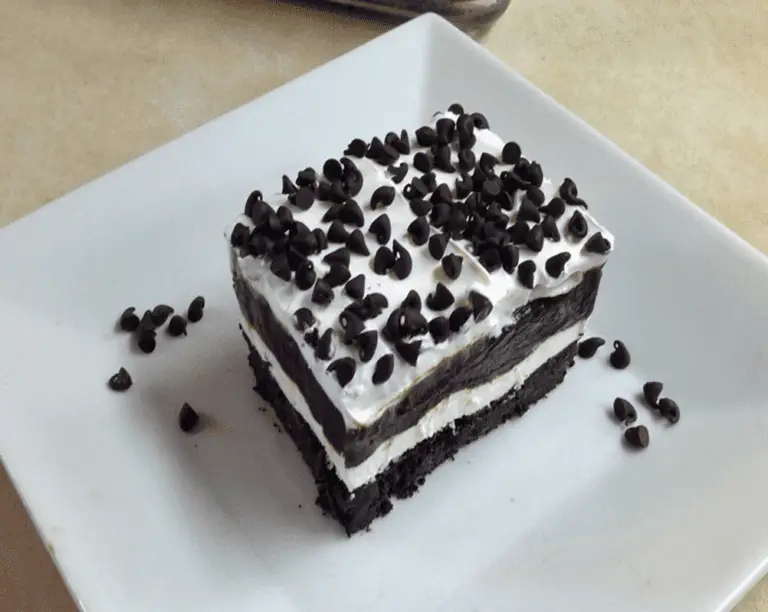
This no bake chocolate lasagna consists of  layers of Oreo, cream and chocolate pudding assembled into a lasagna , what could be better? Or easier?

Serves about 8, Preparation Time 30mins, Setting Time 3-4hrs.

What You will need:

  • 1 Pack Regular Oreo Cookies (About 36 Cookies)
  • 6 Tbsp Melted Butter
  • 220g (8oz) Pack of Cream Cheese
  • 1/4 Cup Sugar
  • 2 Tbsp Milk
  • 340ml (12oz) Pack of Cool Whip / Orley Whip
  • 2 Packs of Chocolate Instant Pudding
  • 800ml (28oz) Milk
  • 1 1/2 Cups of Chocolate Chips

Crush the Oreos by placing them in a zip-lock bag and rolling them with a rolling pin or break them up with a tenderising mallet. Mix the melted butter into the crushed Oreos and combine well. Now pour the crushed mixture into a 22x30cm (9×13″) baking dish and press the crumbs into the bottom of the dish in a single compact layer.

Beat the cream cheese in a mixing bowl with an electric mixer until it is light and fluffy. Add the 2tbsp milk and the sugar and mix well. Stir in the pack of cool whip and then spread the white mixture over the Oreo crust.

Mix up the instant pudding in another bowl by combining the two packs of pudding with the 800ml milk. Stir slowly until the pudding starts to set and then carefully spoon the mixture on top of the white layer. Place the dessert in the fridge for 5 minutes to allow the instant pudding to set.

Spread a thin layer of the remaining white mixture over the top of the instant pudding layer. Finally sprinkle the chocolate chips over the top white layer. Place the completed lasagna in the fridge for 3-4 hours to set before serving.

Mini Pallet Coasters

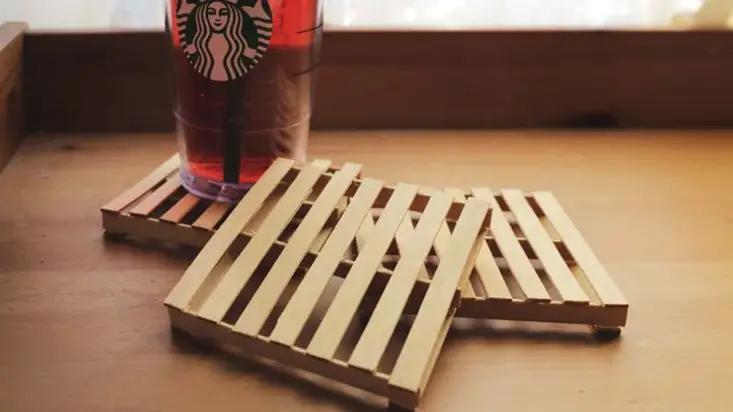
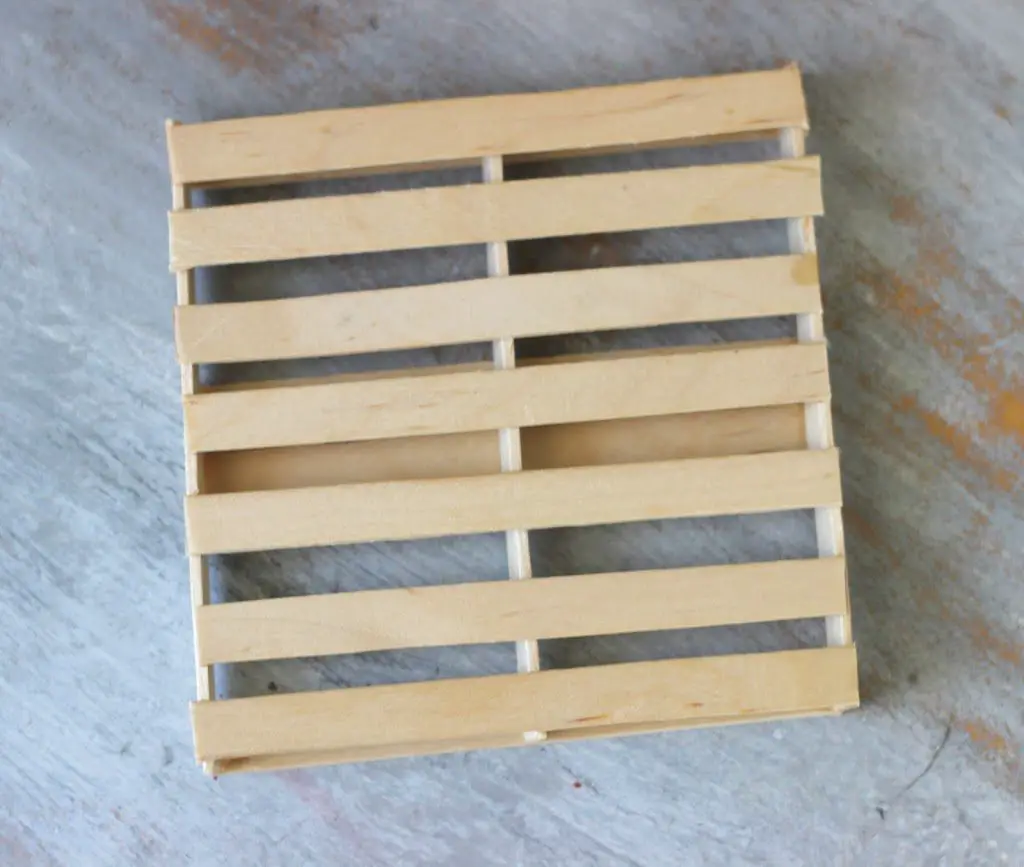
Pallets are every DIY fan’s dream, they are cheap and versatile and can be turned into all sorts of furniture and decor for our the house. This guide shows you how to make small pallets out of craft sticks which can be used to package gifts or as awesome drinks coasters.

A beer soap on one of these coasters make an awesome gift for a guy or try out making a soy candle for a more feminine gift.

What You Will Need:

  • 17 Craft Sticks Per Pallet
  • Glue Gun or Super Glue
  • Scissors
  • Optional – Wood Stain

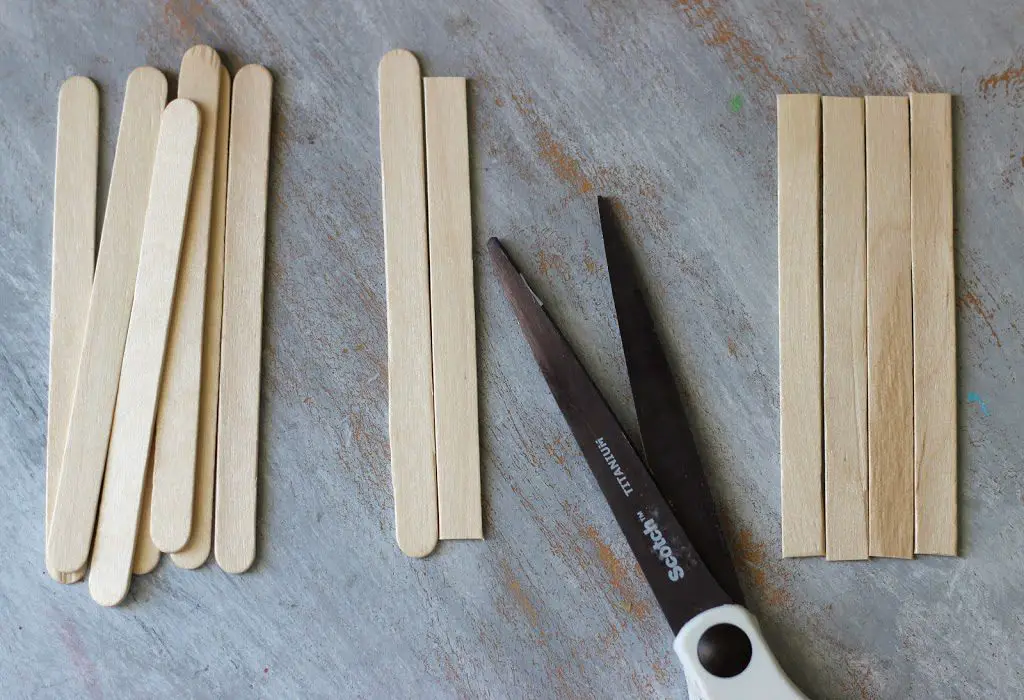
cut and trim sticks

First trim the round ends from both sides of the sticks, make sure that you cut them all to the same length.

stick laying out

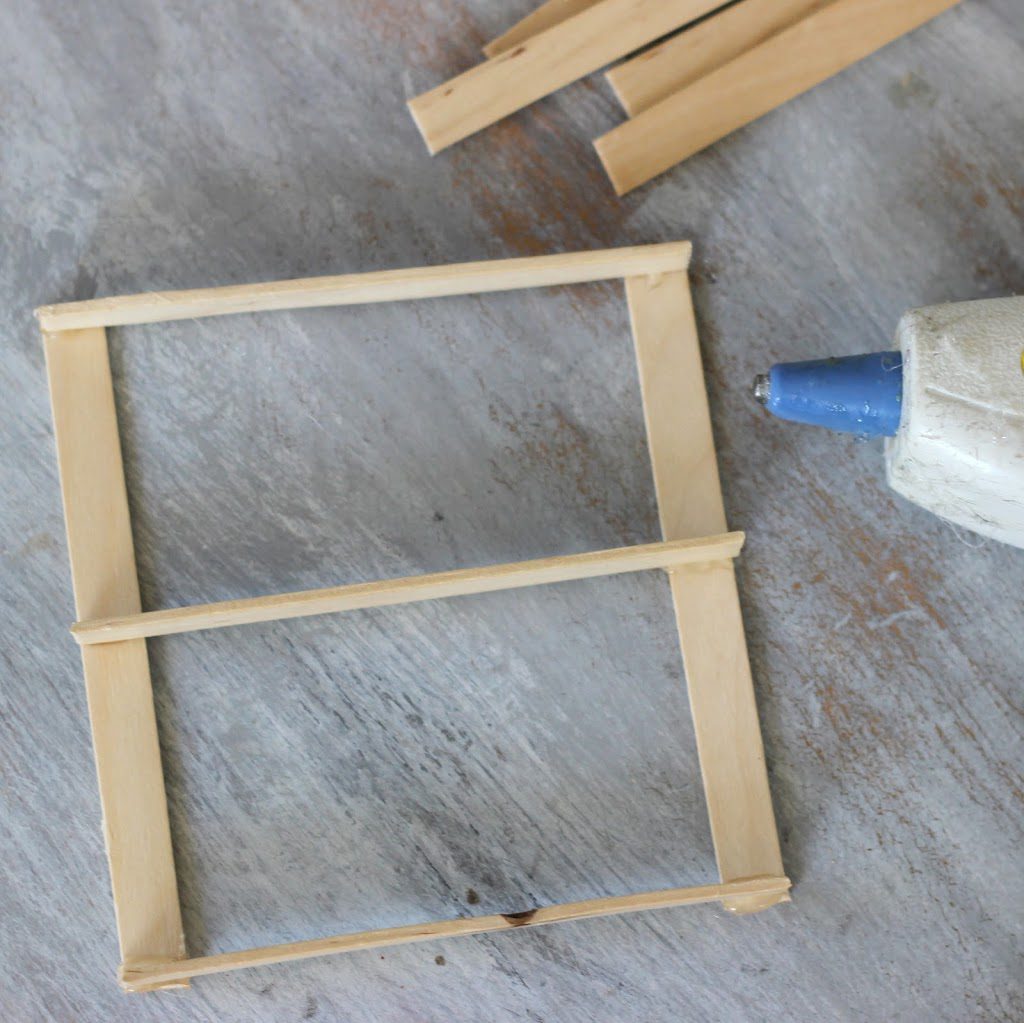
Lay two of the sticks flat and glue three sticks vertically on top of them to start the pallet frame. Turn the frame over and continue gluing a further five sticks along the three vertical ones to make one surface of the pallet.

completed pallet

Turn the pallet over again and glue a further seven sticks to the bottom surface of the pallet.

It’s that easy! The pallet can now be stained or painted depending on what you would like to do with it. Here are some more ideas for these mini pallets:


Homemade Beer Soap

Craft soap making is becoming increasingly popular and this beer soap makes the perfect manly gift for a boyfriend or father. The recipe goes well with exfoliants such as course ground coffee, seeds, barley kernels and oats.

What You Will Need:

  • 326g (11.5oz) Flat Beer
  • 126g (4.6oz) Lye
  • Optional Exfoliants – 1/4 Cup Ground Coffee, Seeds, Barley, Oats etc

Oils

  • 270g (9.52oz) Olive Oil
  • 45g (1.59oz) Castor Oil
  • 270g (9.5oz) Coconut Oil
  • 180 g (6.35oz) Avocado Oil
  • 135g (4.76oz) Shea Butter

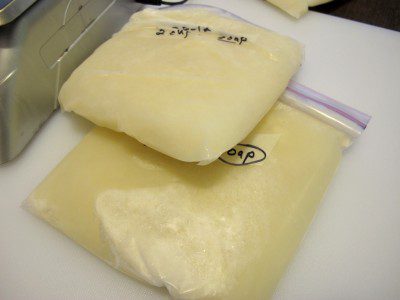
Firstly you need to make the beer flat. This can be done in three different ways, open the bottle and wait for a day or two, heat it up in a pot over the stove or pour it into a jug and stir it up every hour or so until it goes flat. Once the beer is flat, pour it into a Ziploc or freezer bag and place it into the freezer until it is solid.

Now weigh out your ingredients paying particular attention to the quantity of lye and oils. Inaccurate measurements will result in a soap which is lye or oil heavy which will have to be thrown out.

frozen beer

Next you need to make you lye solution. Start by breaking up your frozen beer into smaller chucks. Mix the lye into the frozen beer by sprinkling a little over the top and then mixing until it is combined. Do this with small quantities of lye until it has all been dissolved. The lye will slowly react with the beer and produce fumes as well as melt the frozen beer. Do not add too much lye at a time and do not add the beer to the lye as it will cause a violent reaction. Take care not to breath in the fumes and always wear protective gloves.

melting oils

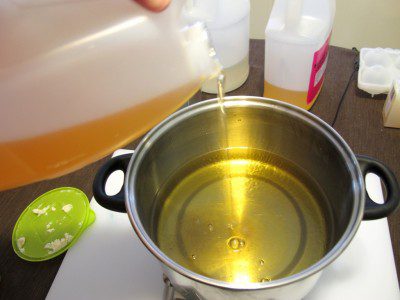
Prepare you base oils next by melting the Shea butter on the stove over a low heat. Once the butter has melted, remove the pot from the heat and add the liquid oils. Before you mix the oils with the lye solution, you need them to be about the same temperature, around 35 degrees Celsius (95 degrees Fahrenheit). If you have a thermometer, measure the temperature of the oil mixture and allow t to cool to the correct temperature. The lye solution can be heated if necessary in a double boiler until it is the same temperature as the oils.

Now you need to combine the two solutions. Slowly pour the lye solution into the oils while stirring. You need to continue stirring the solution until the mixture reaches a thin trace (thick spirals form in the liquid), this is usually achieved in 5 to 10 minutes. To speed up the mixing, a few pulses of a stick blender in between stirring  helps. Mix thoroughly until the mixture turns creamy and begins to thicken.

Once the mixture has thickened, you can mix in the additives. Work quickly as the mixture will continue to thicken and may become too thick to pour. Pour the soap into a bread tin lined with wax wrap or baking paper. Cover the tin with a towel and allow the soap to stand for about a day. During this time the mixture will gel and produce additional heat, keep an eye on the tin as it may be necessary to open the towel up a bit if it gets too hot.

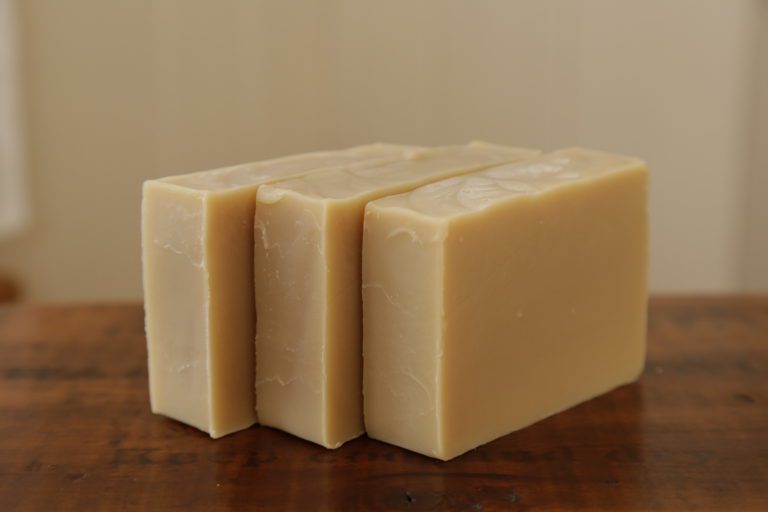
Once the soap has cooled to room temperature and firmed up, you can remove it from the tin and begin cutting it. Cut it into large slices with a sharp kitchen knife. The slices now need to cure for 4 – 6 weeks before they are ready to use, place them on paper towel in a dry, cool and dark place.

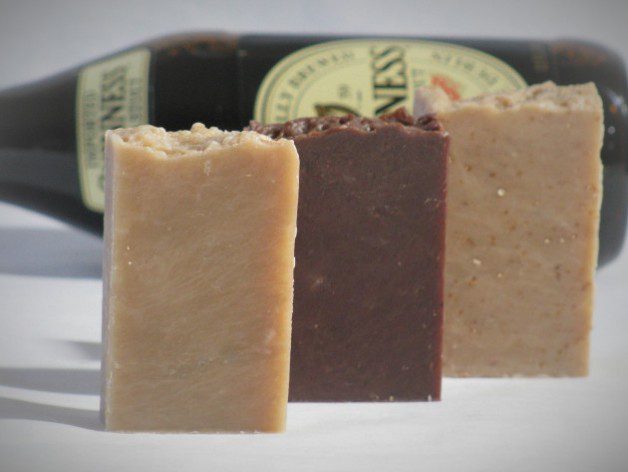
beer soaps

Your soap can now be wrapped in paper or cling film and  is ready to become your next gift. Try using different types of beer and different exfoliants for a range of different soaps. What are your favorite ingredients to add to your homemade soap? Let us know in the comments below.

Pallet Candle Sconces

Pallet sconces are really easy and cheap (if not free) rustic decor items to hang on a bare wall. The sconces are made out of a few scraps of pallet wood or scrap timber which is often lying around the garage. Alternately you can find old pallets at junk yards, hardware stores and fruit and veg stores.

What You Will Need

  • Pallet Wood (Two Pieces 35-50cm/14-20″)
  • Wood Glue
  • Wood Saw
  • Miter Box (Optional)
  • 80 Grit Sandpaper
  • Wood Sealer, Varnish or Stain

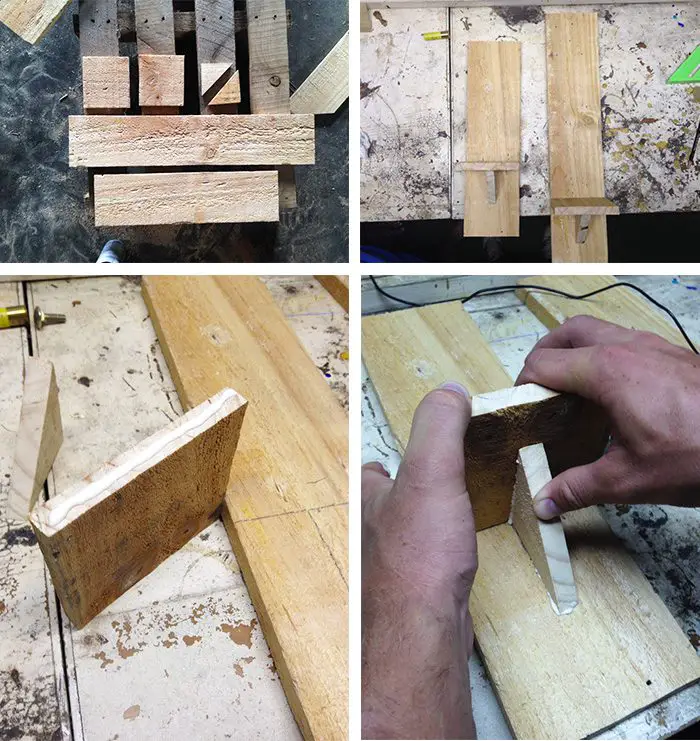
Firstly you need to cut out the main lengths which will go up against the wall. They should be around 20-30cm (8-12″) and can be cut to the same length or different lengths for a staggered look. Use a miter box to make clean and square cuts on the ends.

Next you need to cut the ledge. The ledge needs to suite the size of your candle, 15cm (6″) is usually the correct size for a large round pillar candle. The triangular support brackets for underneath the ledge can be cut by first cutting a 8cm (3″) square piece of wood and then using the miter box to cut it at 45 degrees, making two brackets.

candle-sconce

Now sand down any rough or jagged edges. You want the pallet wood to be rustic looking and not too smooth, just neaten up the edges and remove any splinters.

Glue the pieces together with the ledge roughly one third of the way up the vertical piece and the bracket underneath to support the ledge. Apply a generous amount of glue and wipe away any excess which is squeezed out when pushing the pieces together. Allow the wood glue to dry for about 5 hours or overnight.

Lastly, you can stain or varnish the wood. A dark stain makes the wood look more aged and expensive. Apply the stain to all sides of the sconces and allow to dry overnight. To give the wood and aged and distressed look you can lightly sand the dried stain to bring the rough grain out.

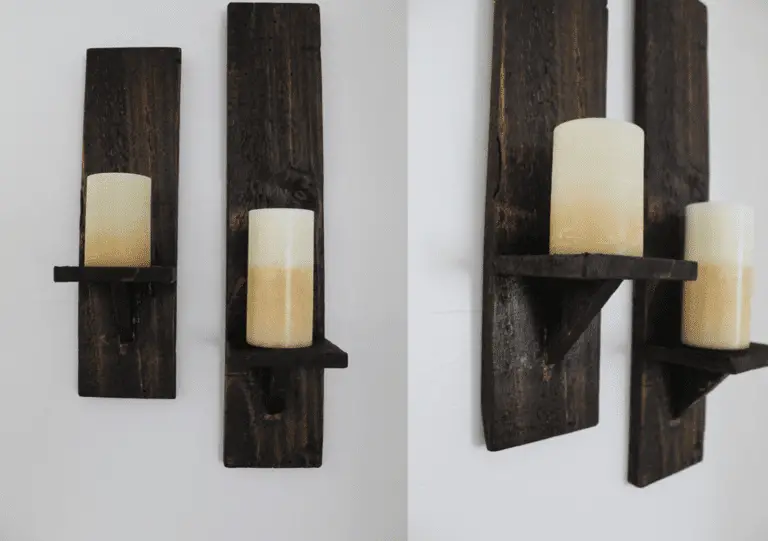
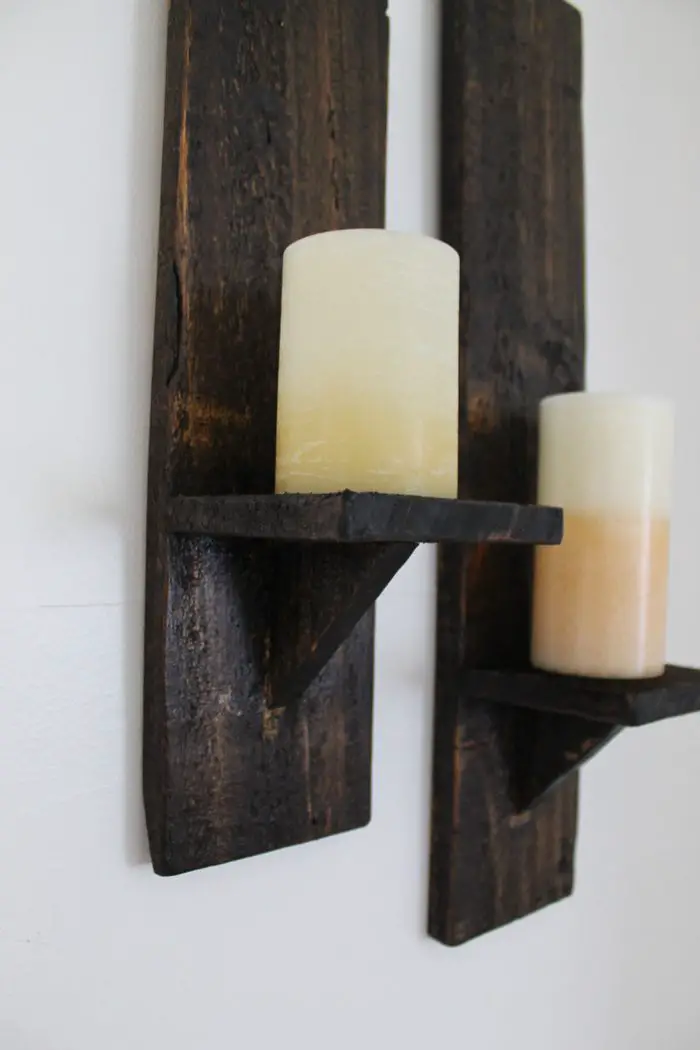
pallet wood candle sconce

Add a picture hanging hook to the back of the sconces or screw them onto the wall from the front. Add the candles and your cheap and effective sconces are complete.

Original Article From Amanda Katherine

Repair A Carpet Cigarette Burn

0

Fix a cigarette burn in a carpet easily with some common household tools.

What You Will Need:

  • Hot Melt Glue Gun
  • Scissors
  • Craft Knife

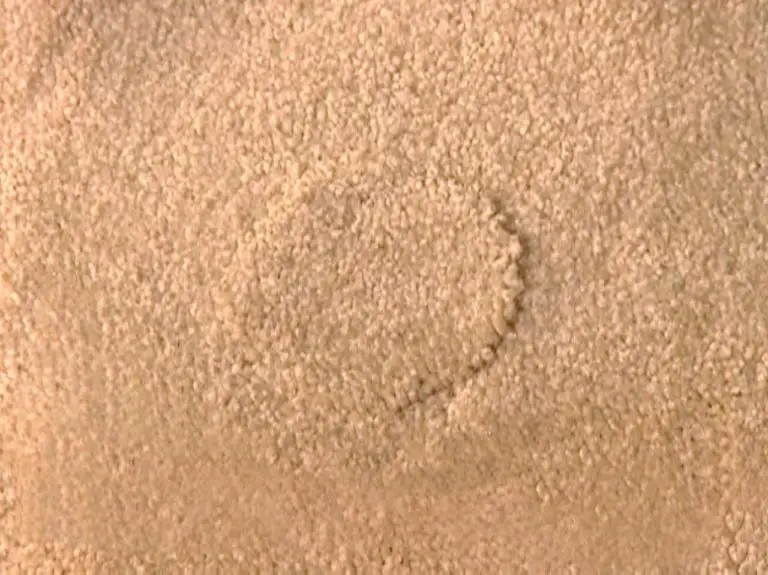
Firstly you will need to cut out the existing burn. Use a sharp craft knife and cut out a square a little larger than the burn mark. Try to cut through the pile and the base layer with a single cut to get a clean finish. Hacking at the pile or base layer will pull strands out and make it difficult to get a neat finish.

Now you need to cut a replacement plug. When installing carpets, you should always ask for a few of the scrap pieces to use to repair damaged areas. If you do not have any scrap pieces available then you will need to cut a corner or edge out of an inconspicuous area of you existing carpet. Cut a small square, the size of the plug you removed out from behind a couch, under a bed or in an unused corner of a room. If the hole is going to be noticeable then use the cigarette burned piece you cut out to plug the removed portion, which will make it less obvious.

Test that the plug fits snugly into the hole where you removed the cigarette burn. The base layer should not overlap anywhere or the plug will protrude from the rest of the carpet.

You will now need to glue the plug into the hole. Heat up the glue gun so that the glue is as hot as possible. Use the glue gun to put hot glue all over the layer underneath the carpet in the area of the hole, make sure to get a generous amount of glue around all four of the edges. Now press the plug into the hole. Press the plug down so that the glue hardens with the base layer at the same level as the existing carpet base layer. Put a dap of glue onto the ends of any protruding strands and push the ends back onto the base layer.

If the plug has not seated well, try ironing the area with a clothing iron on a high heat. The heat will melt the glue and allow you to manipulate the plug to get a better seating.

The plug may be noticeable for a few days or weeks (depending on the area traffic) after the repair until the piles in both the plug and the existing carpet become similar (the plug came from an unused piece of carpet and will likely be fluffier than the carpet around it). Care should be taken when sweeping or vacuuming over the plugged area as it will never be as strong as the original carpet.

Using Pebbles To Upscale Your Garden

Pebbles are a cheap and low maintenance way to add decorative features to your garden. They are available in a range of colours and sizes and when used with stones, gravel and pavers can really transform your garden and give it a high end landscaped appeal. Here are some ways in which pebbles, gravel and decorative stone can be used to upscale your garden.

line path with pebbles

Line a path with pebbles to make it appear bigger, provide a transition between the steps and the plants and keep the plants from growing in between the steps.

patterned pebble beds

Patterned contrasting stones and pebbles make an effective alternative to flower beds and require almost no maintenance. A few scattered shrubs or bushes add some greenery.

contrasting stones

Another good example of contrasting stones and pebbles used to create a flower bed. The potted plants are used to effectively add height to the garden decor.

pebbles in water feature

Place dark pebbles in the bottom of a pond or water feature to add texture and character to an otherwise dull surface.

gravel between paving stones

Use gravel or shale to fill the gaps between paving stones for a more complete and professional looking pathway.

pebbles for drainage

Create a pebble drainage channel from you gutter downspout to channel water out of your beds and keep the mulch in place.

pavers and stones

Create a feature transition area between your patio and pool or patio and grass with paving slabs and white pebbles.

Change A Car Tyre

If you don’t have run-flat tyres or your tyre gives up completely, you may find yourself on the side of the road needing to change your own tyre. Changing a tyre is quite straight forward and most cars have all the tools required to do so along with a spare wheel.

Firstly you will need to find a flat and stable area to park your car, you need to be on a level and hard surface. If you are alongside a road, move off of the road as far as possible and ensure that your emergency lights are on.

Put the hand or parking brake on and select first gear for a manual or park on an automatic. As an additional precaution, put a brick, rock, log or any large object in front and behind two of the undamaged tyres.

spare wheel kit

Take the spare wheel, jack and wheel spanner out, these are usually located in the boot/trunk underneath the carpet cover.

car jack pads

Now you need to locate the jacking point. The jack is designed to be used on a jacking pad or bar which is usually located just underneath the car, past the wheel arch on the door side of each wheel. If you are unsure of where these points are located, check in your vehicle owners manual. Do not attempt to jack up the car anywhere along the moulded plastic trim at the bottom edge of the doors, it will crack. Use the jacking point closest to the wheel you are going to be replacing. Turn the crank on the jack so that the jack becomes firmly seated but does not yet lift the car.

Remove the hubcap or wheel nut covers from the wheel. Loosen all of the nuts (turn them counter-clockwise) with the wheel still on the ground to provide additional rotational resistance. You only need to get them through the initial tight quarter turn, do not loosen them more than a quarter turn.

security nut

Some cars may have a security nut with a spline or star shaped head, there should be an adapter in the tool kit which fits over the nut and allows the normal wheel spanner to be used to loosen it. The wheel nuts may take quite a lot of force to loosen, especially if they have not been removed in a long time, you may have to use your body-weight to apply additional pressure to the wheel spanner to initially get them loose.

Continue turning the jack crank so that the wheel is at least 5cm (2″) off of the ground. Make sure that the car remains stable and is not moving forwards or backwards while you are jacking it up. If the car starts to move, lower the jack and add additional packers in front of and behind the grounded wheels.

Remove the already loosened wheel nuts. Put them on a piece of cardboard/paper/plastic so that they do not touch the ground. Dirt on the threads may damage the nuts and the wheel hub.

Place the spare tyre onto the wheel hub. Most wheel hubs have a locating spigot on which the wheel can rest while it is rotated so that the wheel holes align with the hub. Put the nuts back and hand tighten them. Now use the wrench to tighten them a little more, do not tighten the nuts each entirely at once. Move in a star pattern around the wheel tightening each nut one turn at a time until the are reasonably tight, this ensures that the wheel is properly seated. Do not apply too much force to the wrench as you may topple the jack.

Lower the car slowly by cranking the jack in the other direction. Once the wheel is firmly back on the ground, finish tightening the wheel nuts. You should only tighten the nuts as much as you can by hand, do not stand on the wheel spanner to tighten the nuts as you will not be able to loosen them again in a few days time.

Put the replaced wheel into the wheel well where the spare came out and replace the tools in their respective holders. Small punctures can be repaired at home using this guide. Alternately, take the tyre to a dealer who will repair or replace the tyre for you.
Reclaimed Whiskey Barrel Coffee Table

Whiskey barrels, wine barrels or beer kegs are popular home decor features. If you have an old whiskey barrel lying around, why not turn it into a functional coffee table for your lounge or beer table for your bar area. It will fit in perfectly with rustic cottage decor and is right at home in any bar or man cave.

What You Will Need To Build A Whiskey Barrel Table

  • Whiskey Barrel, Wine Barrel or Beer Keg
  • Pallet or Barn Distressed Wood (5cm x 15cm / 2″ x 6″)
  • About 100 2cm (3/4″) Self Tapping Wood Screws – Buy Here
  • 10 10cm (3 1/2″) Self Tapping Wood Screws – Buy Here
  • 4 5cm (2″) Self Tapping Wood Screws – Buy Here
  • Wood Glue – Buy Here
  • Staples – Buy Here
  • 80 Grit Sandpaper (Optional) – Buy Here
  • Clear Varnish – Buy Here
  • Jig Saw (With Steel and Wood Blades) – Buy Here
  • Screw Driver or Drill Driver – Buy Here
  • Staple Gun (Optional) – Buy Here
  • Sanding Block (Optional) – Buy Here

How To Build A Whiskey Barrel Table

Whiskey barrels or beer kegs are typically made with wood strips which are forced into place and held in position by three or five steel bands. To ensure that the barrel does not come apart when you cut it in half, you need to secure each wood strip to the steel band. To do this, drill a hole through the steel band in the centre of each strip on every band for each strip. Only drill through the steel and try to drill into the wood as little as possible. Now screw a 2cm (3/4″) wood screw through each hole and into the wood strip to secure them.

cutting barrel in half

You can now cut the barrel in half. Cut through the steel bands along the join between two wood strips. Do the same on the other side of the barrel. One half should then easily come away from the other half. Try and keep the two barrel ends in place on one of the halves as you pull the barrel apart.

securing barrel ends

Next secure the barrel ends. Cut a half circle of pine wood the same diameter as the inside of the barrel ends. Screw or staple this to the inside ends to provide the additional support. This piece keeps the wood strips which make up the barrel end in place while you cut it in half.

barrel end supports

Cut the barrel end in half along the line of the sides of the barrel so that you are left with a perfect half. The ends can be additionally supported by a pieces of pine screwed or glued in horizontally along the top straight edge.

The table top can now be cut. Use old pallet wood or distressed barn wood for the right texture. Cut enough lengths of the wood so that the edges overlap the wine barrel by about 15cm (6″) all around. Glue the planks together to make a continuous surface.

table top surface

The long edges of the table top can also be contoured to match the sides of the barrel. Turn it upside down onto the table top and trace the long edge onto the edge of the surface of the table top. You will need to extend the two far edges along the same curve to the ends of the table top surface. Cut along the traced line using a jig saw to create the profiled table top. If you are not confident with a jig saw, consider leaving the table top edges square.

Finally, the legs can be made. Cut four 50cm (20″) pieces from the same reclaimed wood you used for the table top. Glue two of these pieces together side by side. Next you need to decide how far from the edges you would like the legs to be positioned. Measure the radius of the barrel at this point, trace and cut the radius from the long edge of the legs. This may require some trial and error before the legs fit snugly along the whole edge of the barrel. For a more professional look, the edge of the leg which meets the outer edge needs to be cut at an angle to follow the contour of the barrel. This angle can be set on a jig saw when making the radius cut. If you are not able to achieve the correct angle cut, just cut it at 90 degrees, it is not noticeable unless you look really closely at the legs.

Screw the legs on from the inside, drilling a small pilot hole through the slats along the line where you would like to position the leg will assist you in getting the screws in the centre of the legs. Use three to five 10cm (3 1/2″) screws for each leg, evenly spaced from end to end.

Once you have screwed the legs on, the table top can either be placed on top of the half barrel or it can be screwed on so that it does not move around. A 5cm (2″) screw at each corner screwed through the underside of the barrel and into the table surface will hold it securely in place. Be sure to check the length of the screws beforehand as you want the screws to penetrate about 10mm (3/8″) into the table surface but not go right through the surface as they will then be visible on the table top.

epoxy top coating

Finally you need to varnish or polyurethane coat your table. The completed table can be rough sanded before varnishing however it is supposed to be a rustic looking piece of furniture and the rough wood finish completes this look. A clear wood varnish is the easiest option for a surface coating and will also be relatively hard wearing. For a smoother finish which can take a bit more abuse, consider using a two part epoxy table coating for the table top surface. Follow the directions on the product for application details.

barrel coffee table

Optional: You could add a hinge to the table top and use the space in the barrel for storage.

Have you turned an old whiskey or wine barrel into anything useful around the house? Let us know in the comments section below, we would love to see your projects.

This project by logant3030 has been shared under the Creative Commons license CC 2.5 BY-NC-SA.

6 Easy DIY Shelf Ideas

Shelves are a functional decor item in any room, they add character and provide a useful storage area. Why not add a shelf to one of your rooms this weekend with these easy DIY shelf ideas?

rope tie shelf

Use two hooks screwed into the wall to suspend a plank with some rope and create a rustic looking hanging shelf.

rope tie link shelf

Suspend multiple shelves by either using rope loops or some building wire to attached the lower levels. Multiple hanging shelves are perfect as a book shelf in a study or lounge.

copper and wood shelf

Use copper pipe fittings along with some wooden dowels to create a wall mountable shelf or a free standing shelf rack.

wood and hooks shelf

With some timber and moulded sections from your hardware store, you could create a robe hanger for a bedroom, coat hanger for an entrance or a towel hanger for a bathroom. The shelf on top could be used for keys and cellphones in your bedroom or entrance or to keep toilet rolls, air freshener or soap in the bathroom.

galvanised pipe shelf

Use some galvanised pipe fittings to create an industrial themed shelve for a bathroom or kitchen. Add a horizontal section underneath as a towel rail.

concrete block and wood s

Stacked concrete blocks and some wood planks make an elegant free standing shelf unit which can be used as a book shelf, radio stand or tv unit.

Change Your Vehicle’s Motor Oil

Changing your vehicles motor oil is surprisingly easy and saves you time and money. You no longer need to drop your vehicle off at a service center, arrange lifts to work and collect it in the afternoon, the whole job should take less than an hour. You should be changing your motor oil every 10000 – 15000km (6000-9000miles) depending on the age of the vehicle and the driving style.

There are typically three steps in changing your motor oil, drain the old oil, replace the oil filter, refill the sump with new oil.

What You Will Need:

  • Replacement Oil (Consult Your Owner’s Manual For The Type, Only Use Brand Name Oil)
  • Replacement Oil Filter (According To Your Vehicle Model)
  • Oil Drip Tray
  • Box Wrench/Allen Key For Sump Plug
  • Strap Oil Filter Wrench

Drain The Old Oil

Warning: Only attempt to drain the oil when your engine is cool, hot oil can cause severe burns.

oil drain plug

Firstly you will need to jack up your vehicle. This may not be necessary if you have an SUV or a vehicle with good ground clearance. You just need to be able to reach the sump drain plug on the bottom of the engine. Place an oil pan underneath the drain plug and then loosen and remove the drain plug with a box wrench or allen key (rotate the wrench/key counter-clockwise).

Allow all of the oil to drain out of the sump. When the oil stops dripping, replace the sump drain plug. Be careful when reinserting the plug, it should be finger tight almost all the way. If it is sticking then remove it and try again as you most likely have the threads misaligned and tightening it with a wrench will permanently damage the engine block.

Replace The Oil filter

oil filter

The oil filter is typically replaced from the top of the engine. Position the oil pan on the ground underneath the oil filter. Use a strap type oil filter wrench to loosen the filter, it will also screw off counter clockwise. Replace the oil filter with a new one, screw it on until it is hand tight, again making sure that the threads are properly aligned. Once the filter is hand tight, use the strap wrench to tighten it a further ¼ turn. It is important not to over tighten the filter. If you do over tighten the filter then next time you need to change it, you will not be able to remove it.

Replace The Oil

Remove the oil filler cap on top of the engine block. There are a number of reservoirs and caps on the engine so ensure that you remove the one labelled oil. It is easiest to refill the oil with an oil funnel, place the funnel into the filling hole and pour in the oil. Look in your car’s owners manual for details on how much oil to add, most cars take around 3.5 to 5 litres of oil (4 to 5 quarts). Rather add too little, check the level and add more as necessary. When the oil sump is full, replace the oil filler cap.

oil dipstick

To check the oil level, remove the oil dip stick, wipe it off with a paper towel or old rag and reinstall the dip stick. Allow it to stand for a few seconds and then remove it and see how far the stick is covered with oil. There should be indicator markings on the dip stick which tell you when it is full.

Lastly you need to dispose of the used motor oil. Pour the oil out of the drip dray and into the container which the new oil came from. Take the bottle to your nearest oil recycling centre or car service centre. Do not dispose of the oil in the trash or pour it down the drain, oil is a harsh environmental contaminant and causes severe damage to the environment when disposed of incorrectly.